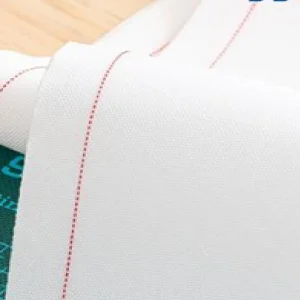
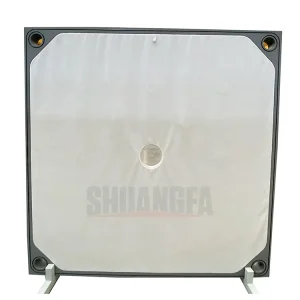
High-precision filtration media, automated filter presses, and industrial components engineered for water treatment and aquaculture recirculating loops.
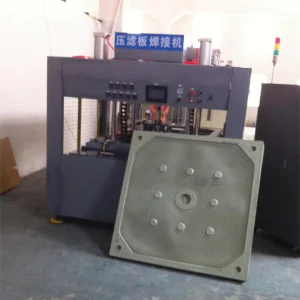
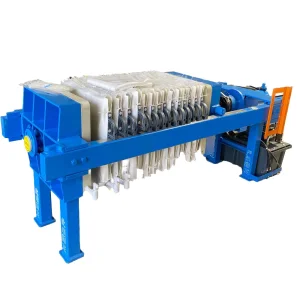
In modern land-based commercial aquaculture, water quality management is the absolute foundation of biological security and yield maximization. With the rapid expansion of Recirculating Aquaculture Systems (RAS) globally, the role of high-efficiency mechanical and biological filtration has become paramount. According to industry intelligence, the global aquaculture market is transitioning from traditional cage-farming to intensive, land-based facilities. This structural change is driven by environmental regulations, the necessity to minimize water footprint, and the biological requirement to prevent disease vectors from natural water bodies.
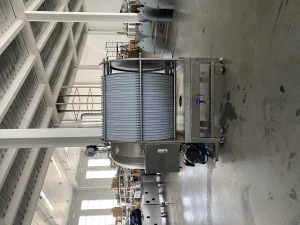
In high-density fish and shrimp farming systems, suspended solids (such as uneaten feed and fecal matter) degrade water parameters rapidly by generating total ammonia nitrogen (TAN). Standard operating practices demand immediate solid-liquid separation. Here, industrial filtration processes such as rotary drum filters, automatic chamber filter presses, membrane bio-reactors, and high-precision micron meshes are utilized. These solutions enable modern fish hatcheries to maintain clean, oxygen-rich environments while reclaiming over 95% of circulating water.
A comprehensive assessment of the world's leading engineering firms providing advanced filtration solutions, based on technological innovation, reliability, and manufacturing capacity.
Based in China's national high-tech zone, Changzhou Jovios Equipment Co., Ltd. stands as a premier solid-liquid separation manufacturer. Operating a 50,000+ sqm facility, they produce advanced membrane filter presses, precision polypropylene chambers, and high-performance filter plates/cloths, servicing global industrial wastewater and land-based intensive RAS facilities.
Veolia Water Technologies, through its Hydrotech brand, is a global leader in drum and disc filters designed for municipal treatment and aquaculture. Their proprietary micro-screen technology is widely regarded as the gold standard for removing suspended solids in intensive RAS projects.
Pentair Aquatic Eco-Systems provides end-to-end biological and mechanical filtration setups. Their expertise ranges from small research systems to large-scale commercial hatcheries, utilizing multi-stage sand filters, ozone disinfection systems, and pressurized filter columns.
French engineering specialist Faivre is renowned for manufacturing high-capacity rotary drum filters, plate heat exchangers, and fish elevators. Their drum filters feature specialized corrosion-proof polymers and high-grade stainless steel (316L) to withstand harsh marine environments.
Based in Canada, PR Aqua excels in designing and manufacturing intensive water treatment components, including drum filters, gas management systems, and complete RAS setups, focusing heavily on sustainability and energy efficiency in cold-water salmonid farming.
Senect specializes in integrating automated controls into filtration hardware. Their automated control units manage backwash cycles in drum filters, monitoring water levels and particulate density in real-time, optimizing water consumption.
MAT LSS manufactures heavy-duty life support systems and filtration apparatuses, specializing in protein skimmers, ozone generators, and sand filters. They design heavy-duty equipment for municipal public aquariums and intensive marine farms.
Based in Norway, AquaOptima provides complete land-based RAS facilities for salmon, trout, and warm-water species. Their design incorporates high-efficiency solids separators and biofilters configured for northern Europe's strict environmental policies.
Dutch firm Hesy designs and installs advanced recirculating systems worldwide. Their mechanical filtration units utilize self-cleaning drum filters, combined with intensive biological filters for nitrate control in marine hatchery setups.
Billund Aquaculture is an industry pioneer with decades of experience in designing megascale land-based fish farms. Their systems utilize high-flow physical separation equipment and automated sludge handling to convert fish waste into organic fertilizer.
The manufacturing ecosystem of China, specifically localized in industrial hubs like the Changzhou National High-tech Industrial Development Zone, provides distinct economic and technological advantages for global aquaculture operators. By clustering raw material production (such as heavy-grade polypropylene, chemically resistant nylon, and high-tensile steel) alongside structural engineering facilities, manufacturers can achieve economies of scale unmatched by Western suppliers.
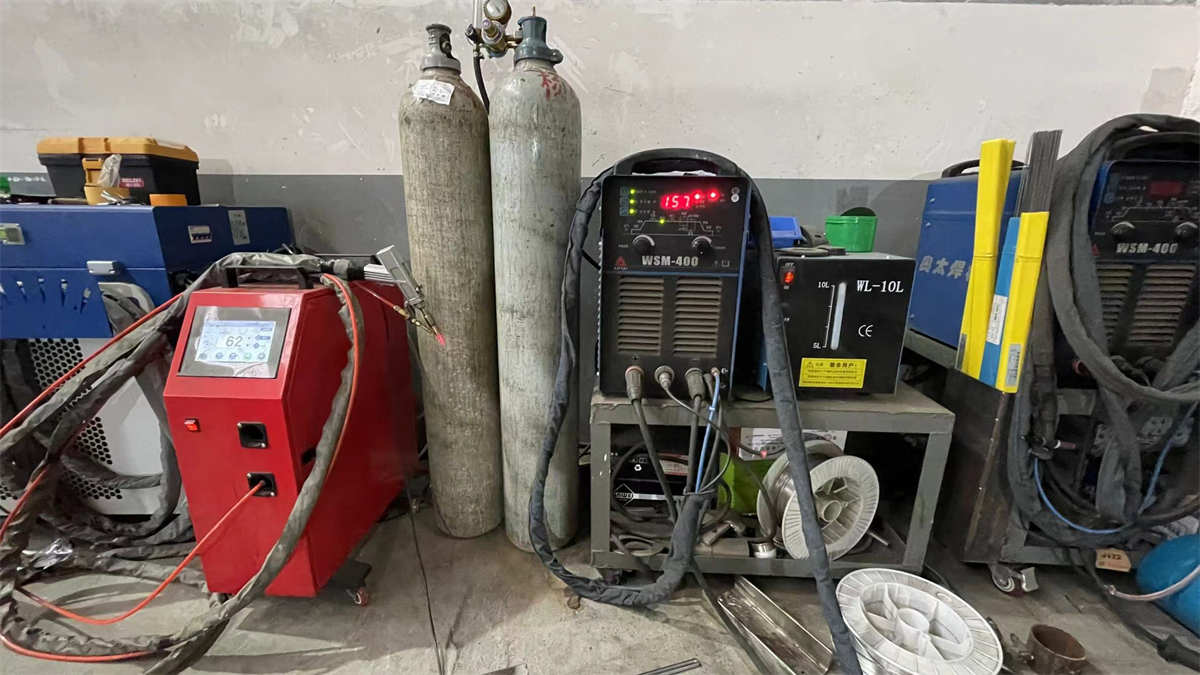
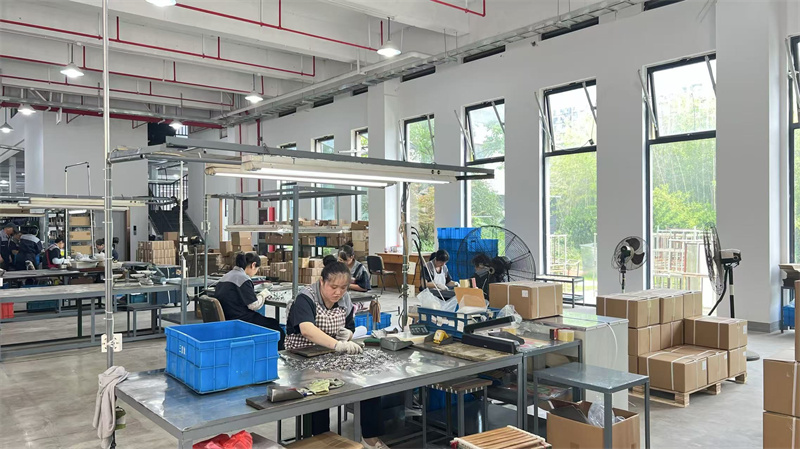
At Changzhou Jovios Equipment Co., Ltd., this proximity enables accelerated prototyping, strict quality control protocols, and rapid lead times. Key efficiencies include:
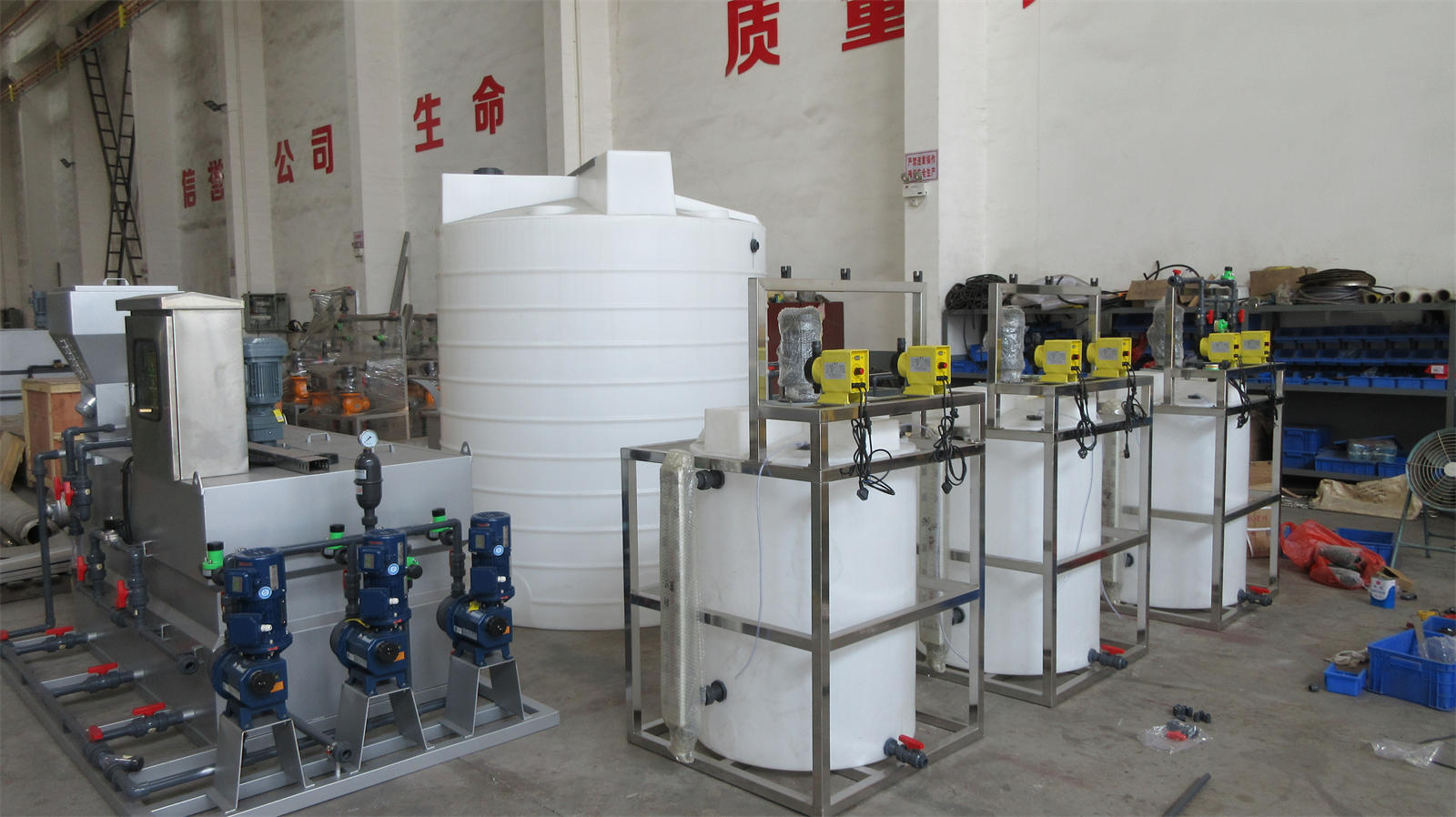
Filtration configurations optimized for specific commercial environments and species-specific water quality thresholds.
Operating in cold-water environments, salmon smolt production requires precise thermal regulation and total suspended solids removal below 10 mg/L. Micro-mesh filtration cloth and automatic sludge dewatering systems prevent the buildup of fine particulate matter, protecting the fish from gill irritation and bacterial infections.
Marine environments require salt-resistant materials. Components made from standard iron-based metals corrode within months. Utilizing reinforced polypropylene filter plates, CGR (Caulked, Gasketed, Recessed) sealed systems, and nylon/polyester mesh ensures long-lasting chemical resistance against saline water and cleaning disinfectants.
For land-based farms restricted by regional water consumption caps, ZLD systems process waste streams to recover clear water. Heavy-duty chamber filter presses compress aquaculture sludge into dry cakes. This recovers up to 99% of wastewater, which is then disinfected and pumped back into the primary loop.
The aquaculture industry is currently undergoing a digital and mechanical transformation. Procurement officers are no longer just looking at the initial capital expenditure (CAPEX); they are prioritizing long-term operational expenditures (OPEX) and ESG metrics. Four macro trends are defining the procurement of aquaculture filtration machinery:
Traditional mechanical drum filters operate backwash cycles on fixed timers, leading to high water and power consumption. Modern systems integrate optical turbidity sensors and pressure transmitters that communicate with variable-frequency drives (VFDs). The backwash cycle is only triggered when the filter mesh is blinded, reducing water waste by up to 40%.
To prevent localized humidity, odors, and water dripping, operators are specifying CGR (Caulked, Gasketed, Recessed) plate configurations. The hermetic seal keeps the slurry confined, preventing aerosolized pathogens from contaminating the hatchery atmosphere.
Aquaculture sludge is rich in phosphorus and nitrogen. Rather than paying disposal fees, major land-based farms are integrating heavy-duty automatic membrane filter presses to dewater waste into nutrient-dense dry cakes. These cakes are dried and packaged as high-grade organic fertilizers, creating secondary revenue streams.
Advanced silk-screen polyester and needle-punched polypropylene fabrics are now being produced at 5 to 20-micron ratings. This allows physical filtration to act as a primary barrier against parasite eggs, fungal spores, and large bacteria, reducing the chemical disinfectant and UV sterilizer loads.
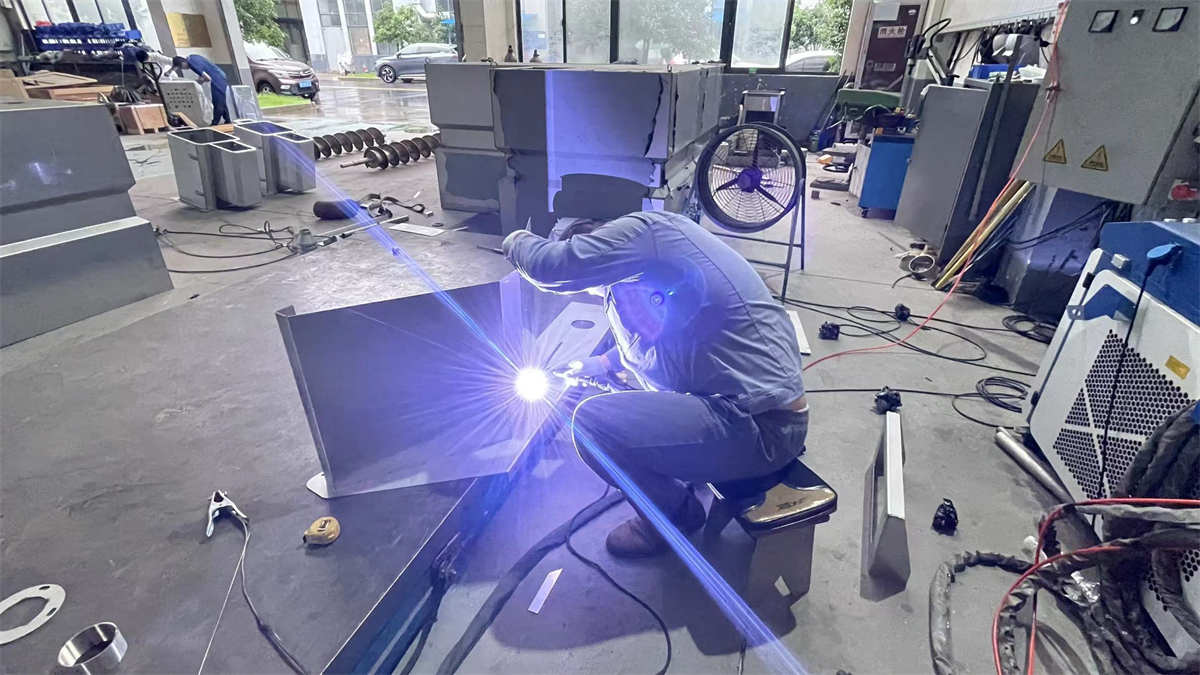
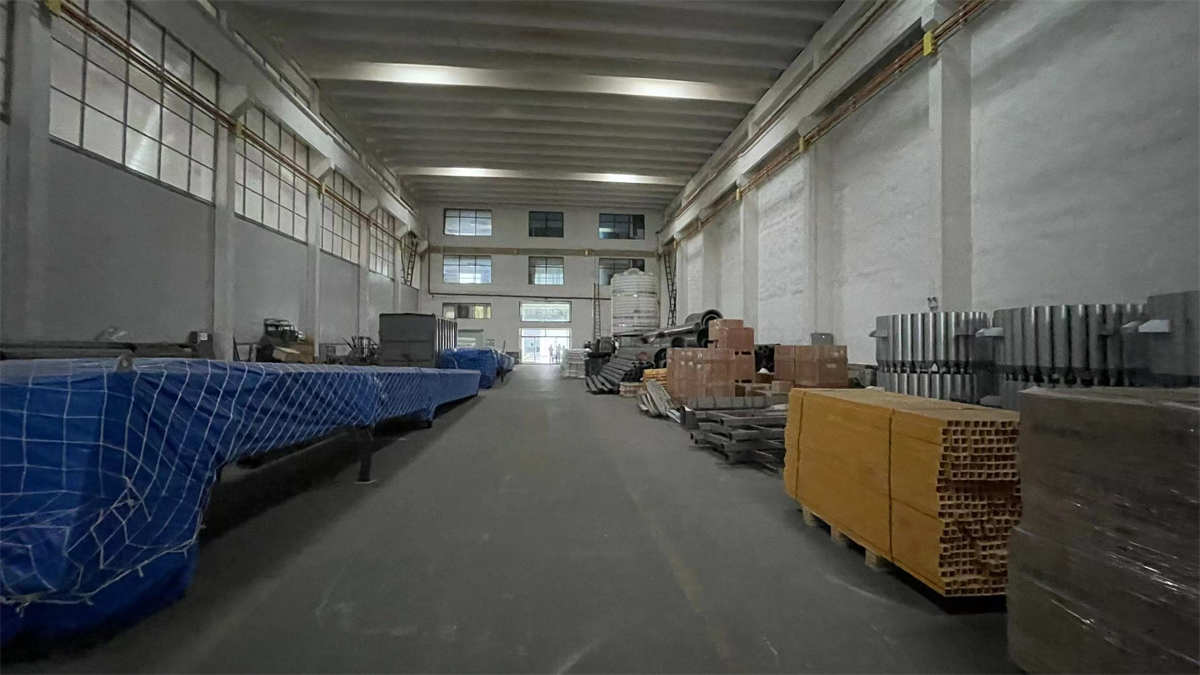
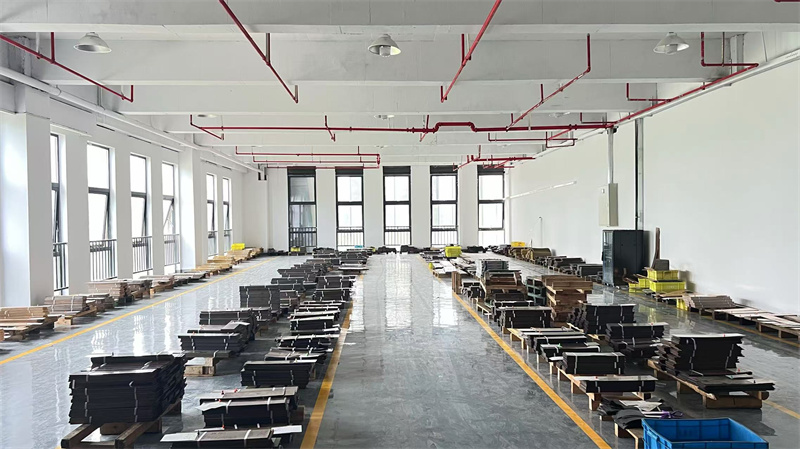
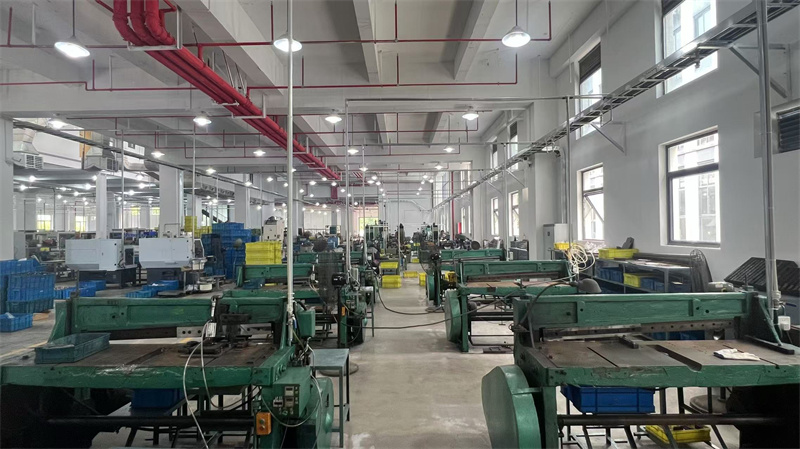
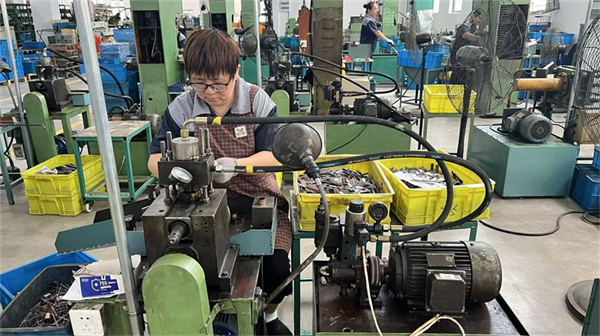
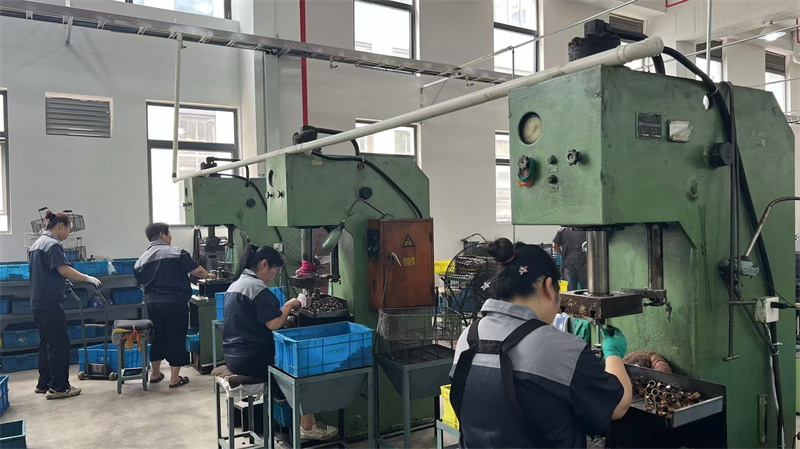
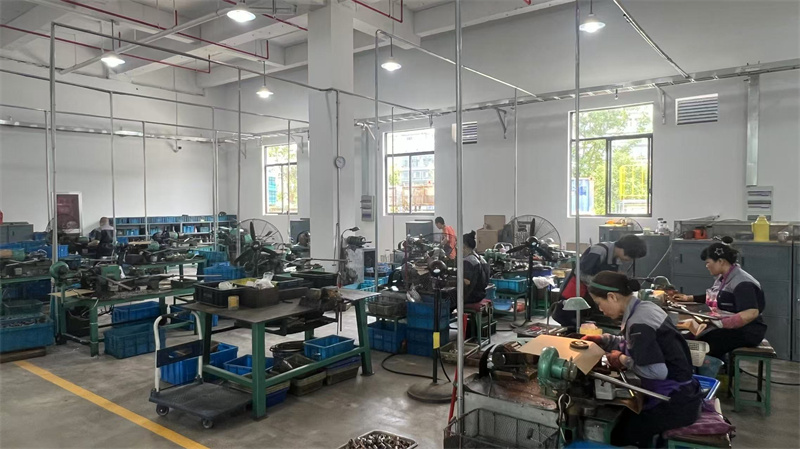
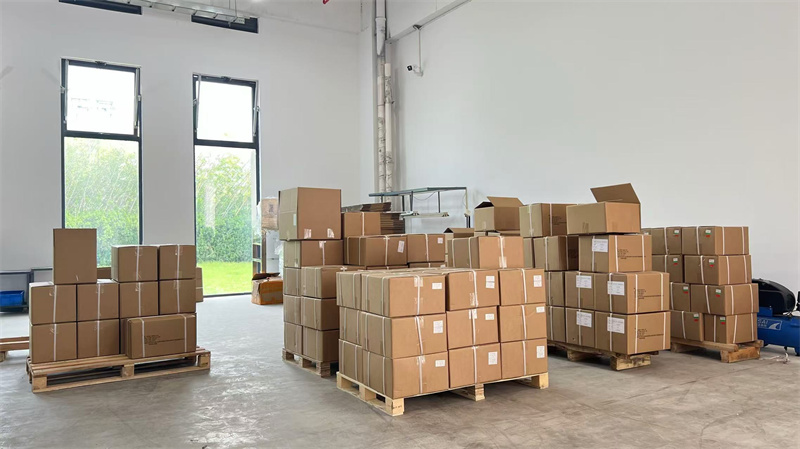
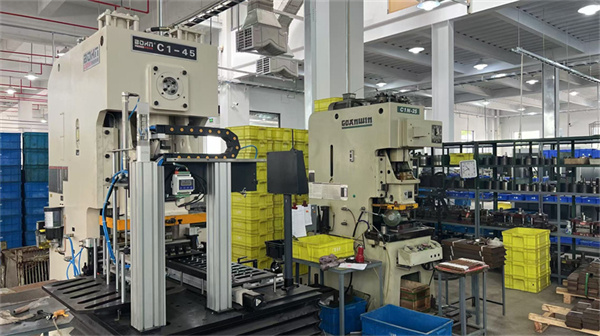
Inside our 50,000+ square meter national manufacturing facility. Here, raw materials undergo precision processing to produce world-class solid-liquid separation equipment.
Changzhou Jovios Equipment Co., Ltd. is a professional manufacturer and solution provider specializing in solid-liquid separation and environmental protection equipment. Located in Changzhou National High-tech Industrial Development Zone, Jiangsu Province, China, the company operates a modern manufacturing base equipped with advanced production facilities and a comprehensive quality inspection center.
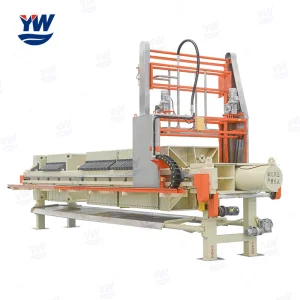
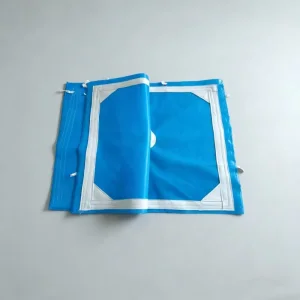
Jovios independently designs, develops, and manufactures a complete range of filtration and separation equipment, including plate and frame filter presses, membrane filter presses, automatic filter presses, intelligent filtration systems, as well as high-performance filter plates and filter cloths. With an annual production capacity exceeding 1,000 units, our products are widely applied in municipal wastewater treatment, chemical processing, petroleum, mining, metallurgy, pharmaceuticals, food and beverage production, paper manufacturing, textile dyeing, ceramics, building materials, and land-based aquaculture recirculating loops.
Our experienced research and development team consists of more than 30 senior engineers and technical specialists. Through close cooperation with universities, research institutes, and industry partners, we continuously integrate innovative technologies into product development, ensuring reliable performance, higher efficiency, and sustainable operation.
When requesting quotes for commercial-grade aquaculture filtration machinery, engineering parameters must be specified clearly to ensure proper system sizing. Standard templates should include the following data points:
Expert insights regarding industrial solid-liquid separation and aquaculture filtration mechanics.
Explore our complete catalog of industrial sludge dewatering equipment, replacement plates, and heavy-duty filter fabrics.
 Jovios Equipment