Engineered high-performance filter presses, precision-woven filter cloths, and custom chambers optimized for rigorous industrial processing.
Analyzing macro regulatory trends, process air challenges, and the vital link between dry particle collection and liquid-solid dewatering systems.
In the contemporary manufacturing landscape, the deployment of advanced Industrial Dust Collection Systems is no longer merely a matter of operational housekeeping; it is a critical mandate for regulatory compliance, environmental stewardship, and process efficiency. As global industrial processes scale up to meet the demands of developing economies, the release of particulate matter (PM2.5 and PM10), toxic dusts, volatile organic compounds, and dry process residuals has triggered stringent oversight by international bodies such as the United States Environmental Protection Agency (EPA), the Occupational Safety and Health Administration (OSHA), and European Union (CEN) directives.
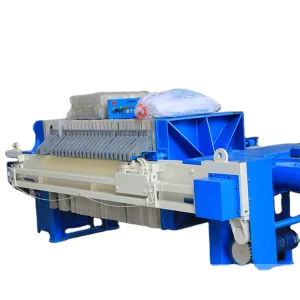
Simultaneously, the lines between gas-phase extraction and liquid-phase separation are blurring. Heavy industries—ranging from copper mining in South America and chemical synthesis in Central Europe to food processing across North America—encounter multi-phase emissions. Achieving zero-emission targets requires a dual strategy: extracting airborne particulates using high-capacity dust collection baghouses, and dewatering wet slurries using industrial plate and frame filter presses. As a premier Chinese manufacturer, Changzhou Jovios Equipment Co., Ltd. has stood at this intersection, providing global operators with the filtration technologies required to manage complex emission profiles safely and cost-effectively.
Industrial facilities must maintain particulate emissions below 5 mg/m³ to satisfy regional EPA regulations. Advanced cartridge and baghouse systems ensure reliable containment of hazardous and sub-micron particulate materials.
Combustible dusts from organic processing, pharmaceuticals, and light metals present extreme safety hazards. Modern collectors integrate explosion vents, chemical isolation, and static-conductive filter elements.
Capturing dry particles at the source allows factories to reclaim high-value active ingredients, minerals, or metal oxides, directly improving yield and circular manufacturing efficiency.
Discover how Jovios integrates materials science, IoT controls, and optimized thermodynamics into modern industrial filtration plants.
The future of industrial environmental engineering is defined by intelligent, autonomous systems. Changzhou Jovios Equipment Co., Ltd. is actively piloting the development of smart-connected filtration nodes. By integrating differential pressure sensors, optical emission monitors, and variable frequency drives (VFD) controlled by centralized PLCs, our filtration complexes adapt in real time to fluctuating volumetric gas loads or slurry feed densities. This adaptive response minimizes compressed air consumption during pulse-jet cleaning and extends the mechanical service life of filter bags and filter plate assemblies.
Moreover, the core performance of any dust collector or filter press relies heavily on material science. Standard polyester or polypropylene media are insufficient when handling corrosive gases or highly alkaline chemical slurries. Our engineering team conducts deep-dive research into specialized membrane coatings:
How Jovios technologies scale and adapt across globally diverse operational environments.
In mineral extraction complexes (e.g., copper, gold, iron ore), rock crushing and milling create heavy fugitive dust. Simultaneously, flotation processes generate massive slurry flows. Jovios provides custom heavy-duty baghouse collectors for mining enclosures alongside high-pressure recessed plate filter presses that achieve low cake moisture content, enabling dry tailings stacking and efficient water recycling.
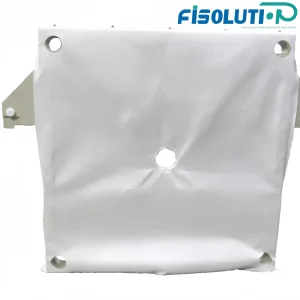
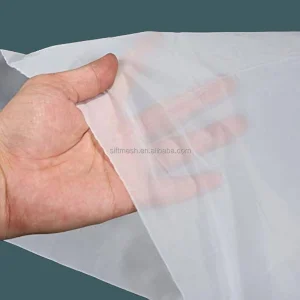
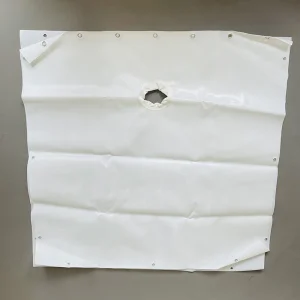
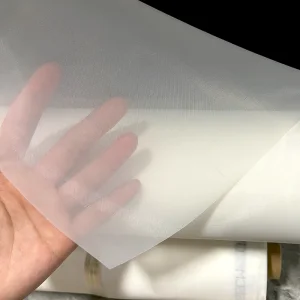
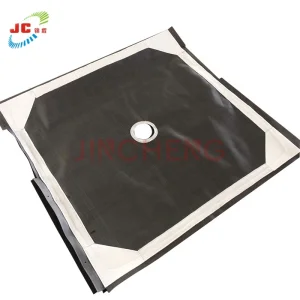
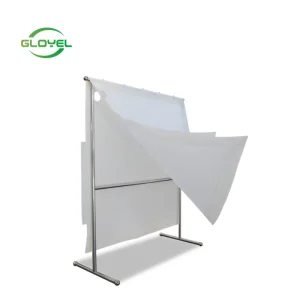
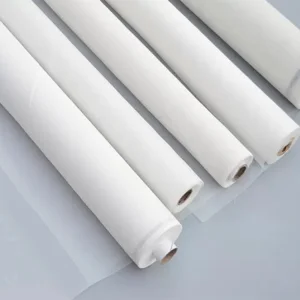
Handling corrosive materials requires chemically inert equipment. Our plate-and-frame woven filter cloths utilize high-strength polypropylene and polyester fibers to resist extreme pH ranges (1-14). In gaseous streams, dry acid sorbents are injected into Jovios gas scrubbing systems to trap toxic emissions before atmospheric release.
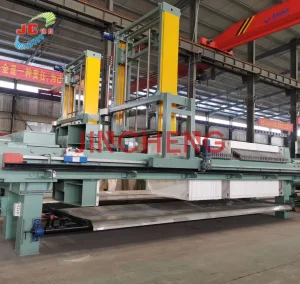
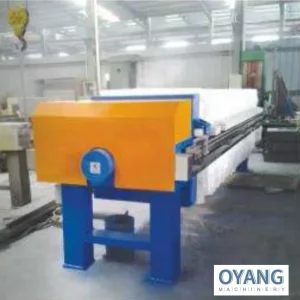
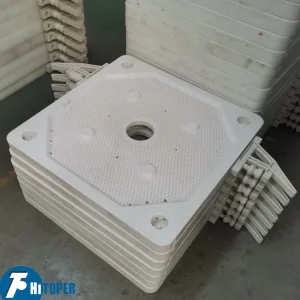
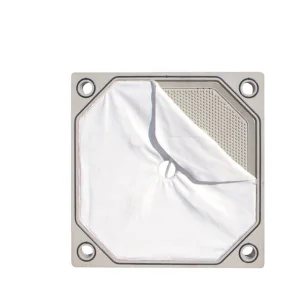
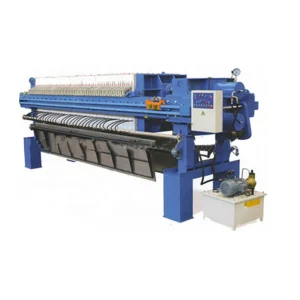
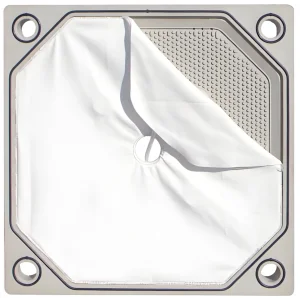
Modern city wastewater management depends on efficient solid-liquid separation. Jovios automatic hydraulic chamber filter presses reduce wastewater sludge volume by up to 80%, lowering disposal costs and municipal land requirements. The integration of advanced filter plates allows for high-pressure squeeze cycles that streamline handling.
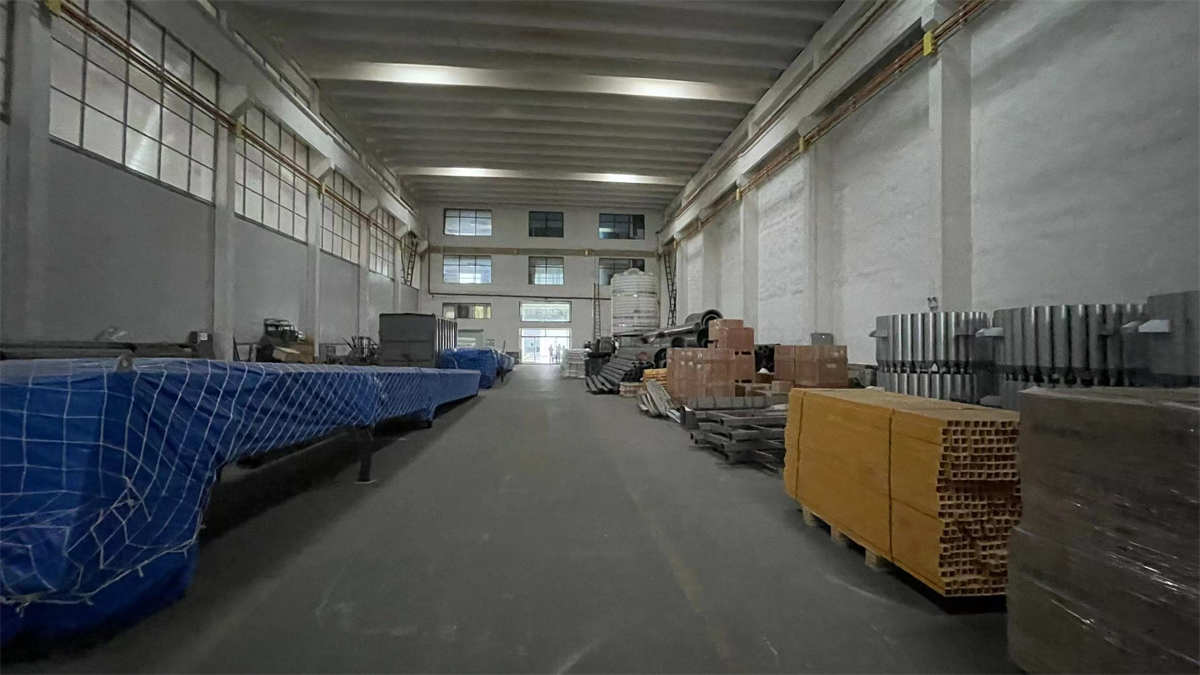
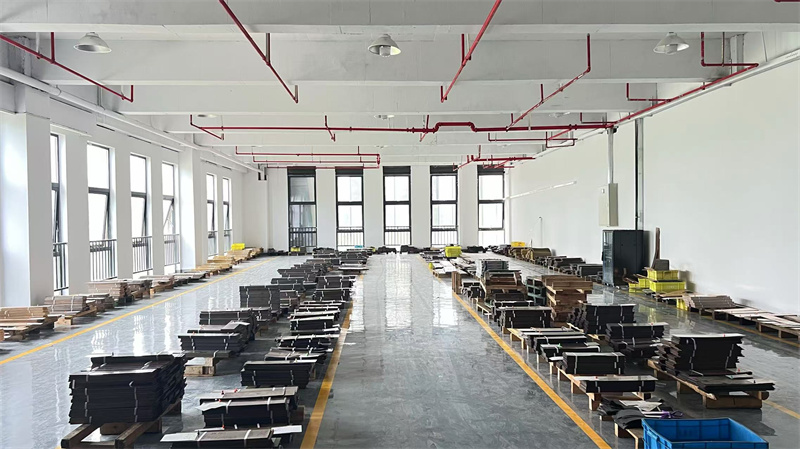
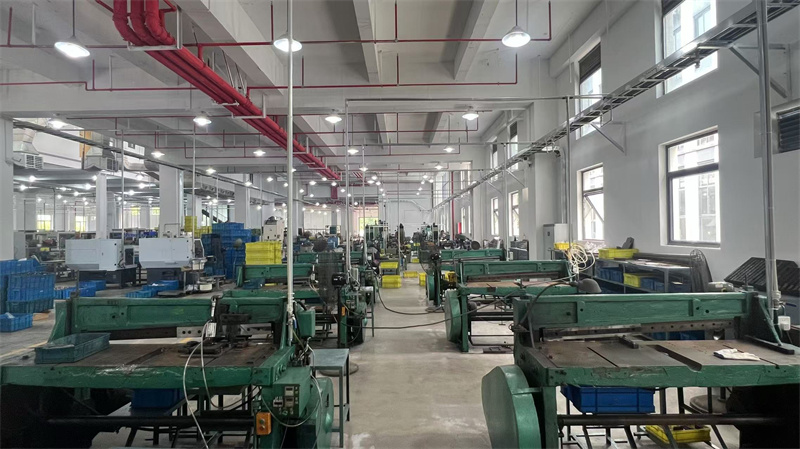
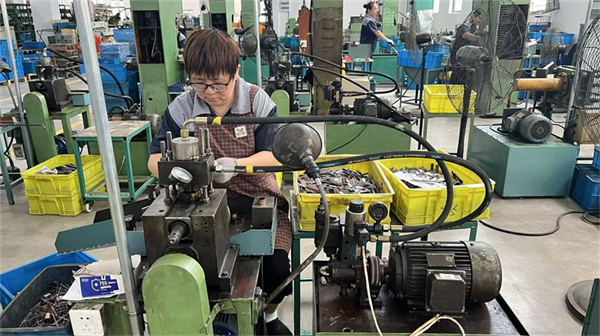
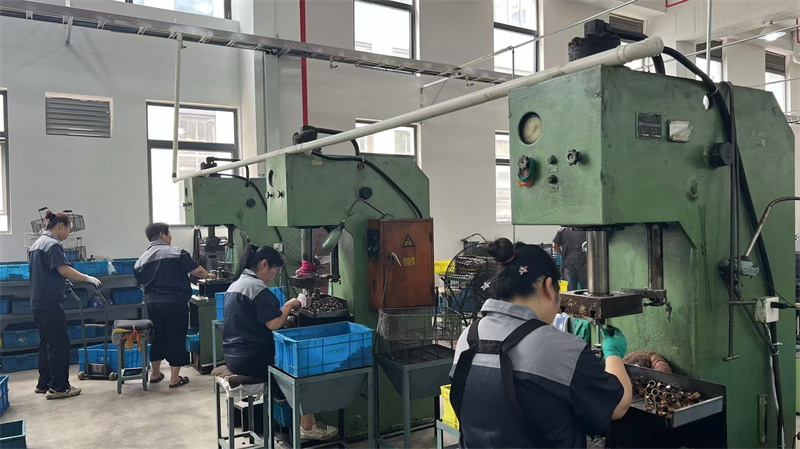
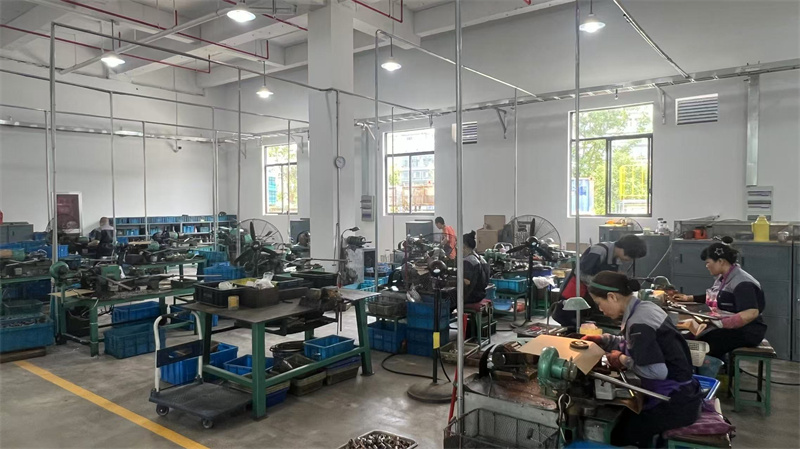
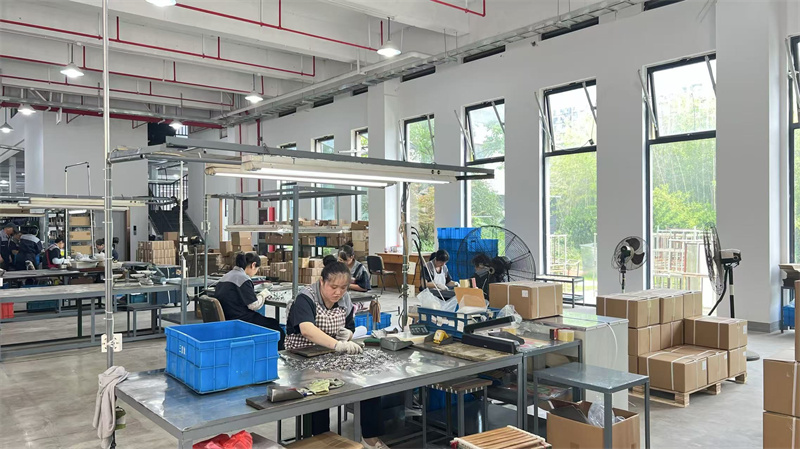
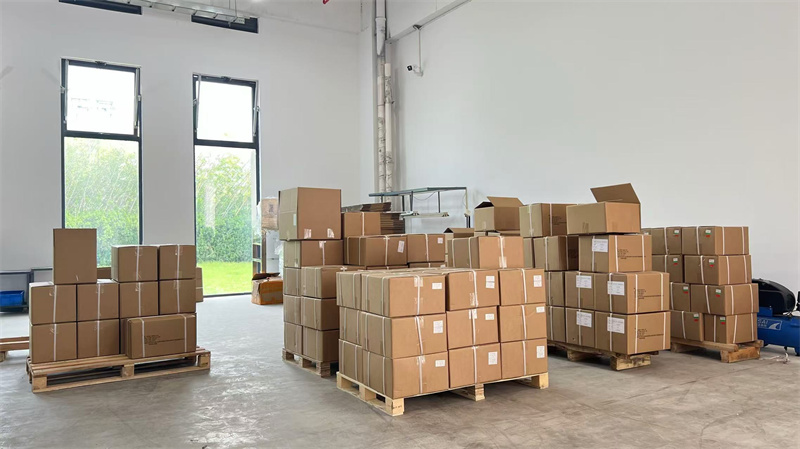
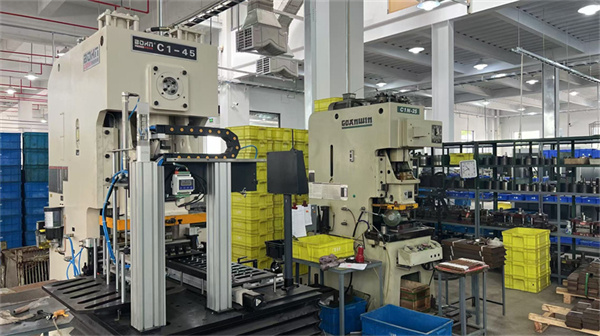
A look inside our 50,000 square meter national high-tech manufacturing center.
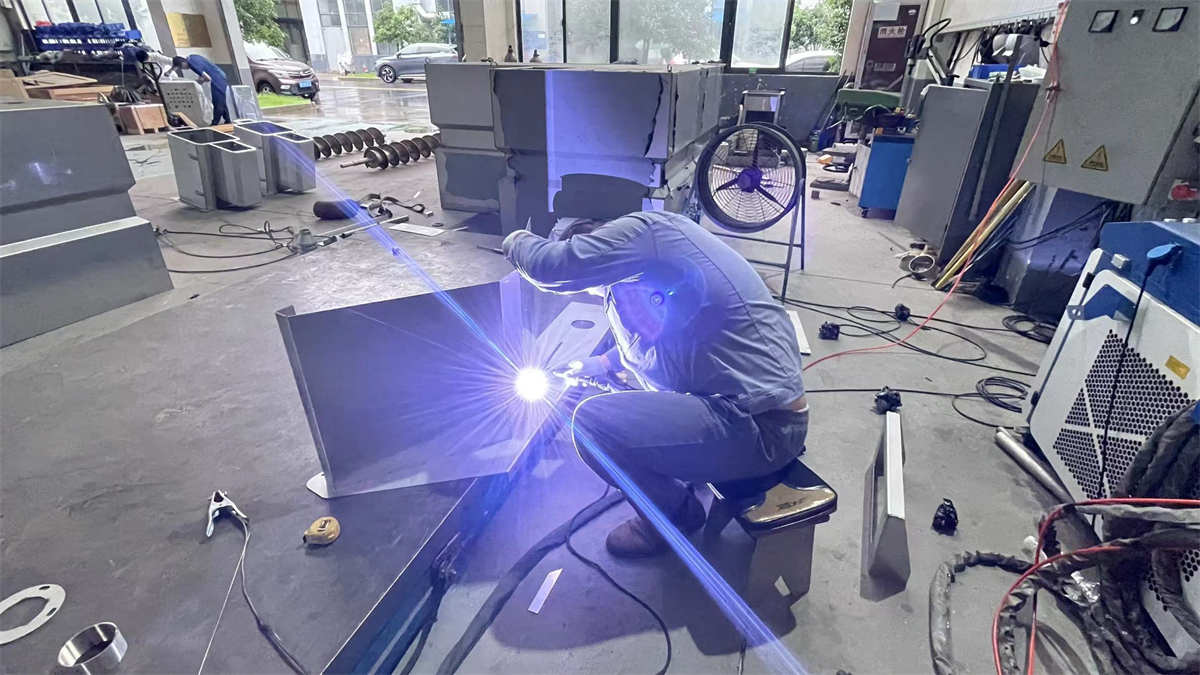
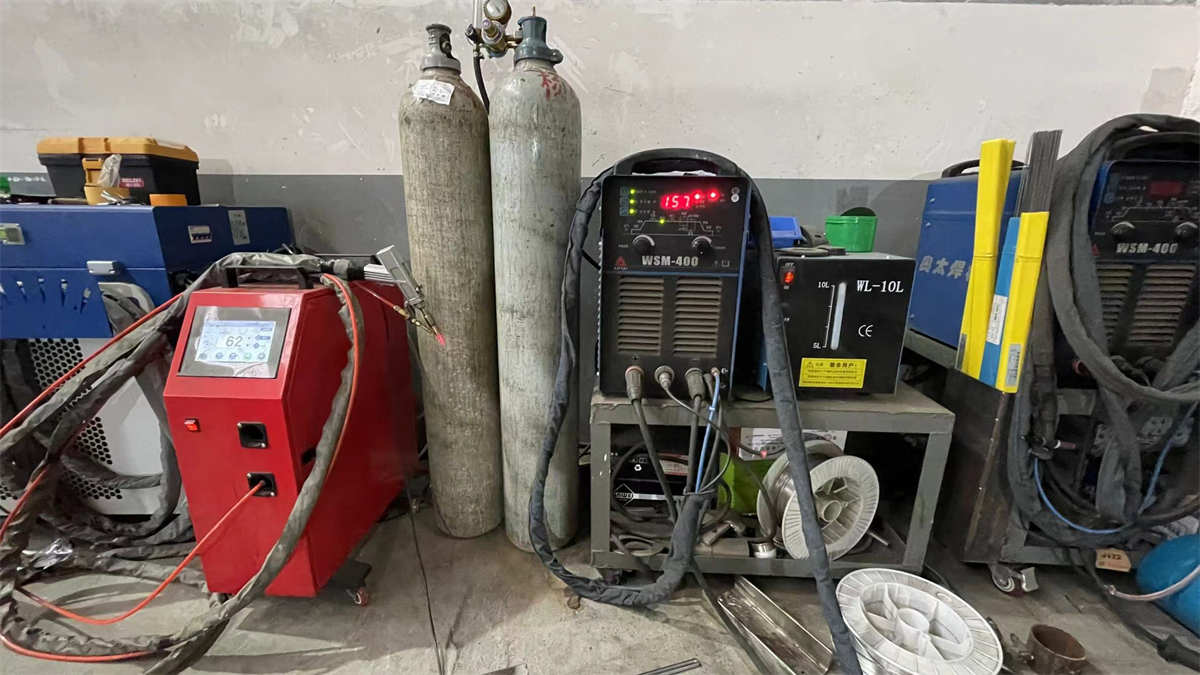
Located in the prestigious Changzhou National High-tech Industrial Development Zone, Jiangsu Province, China, Changzhou Jovios Equipment Co., Ltd. has evolved into a premier destination for heavy industrial engineering and separation technology. Our facility is equipped with automated heavy-tonnage hydraulic presses, precision metal-forming machines, automatic welding stations, and specialized textile looms for processing industrial filter cloth.
Our engineering department is comprised of over 30 senior researchers, chemical specialists, and mechanical engineers dedicated to pushing the performance envelope of air filtration and dewatering equipment. By maintaining close collaborations with academic institutions, Jovios guarantees that every manufactured unit satisfies rigorous CE, ISO 9001, and explosion-proof certifications.
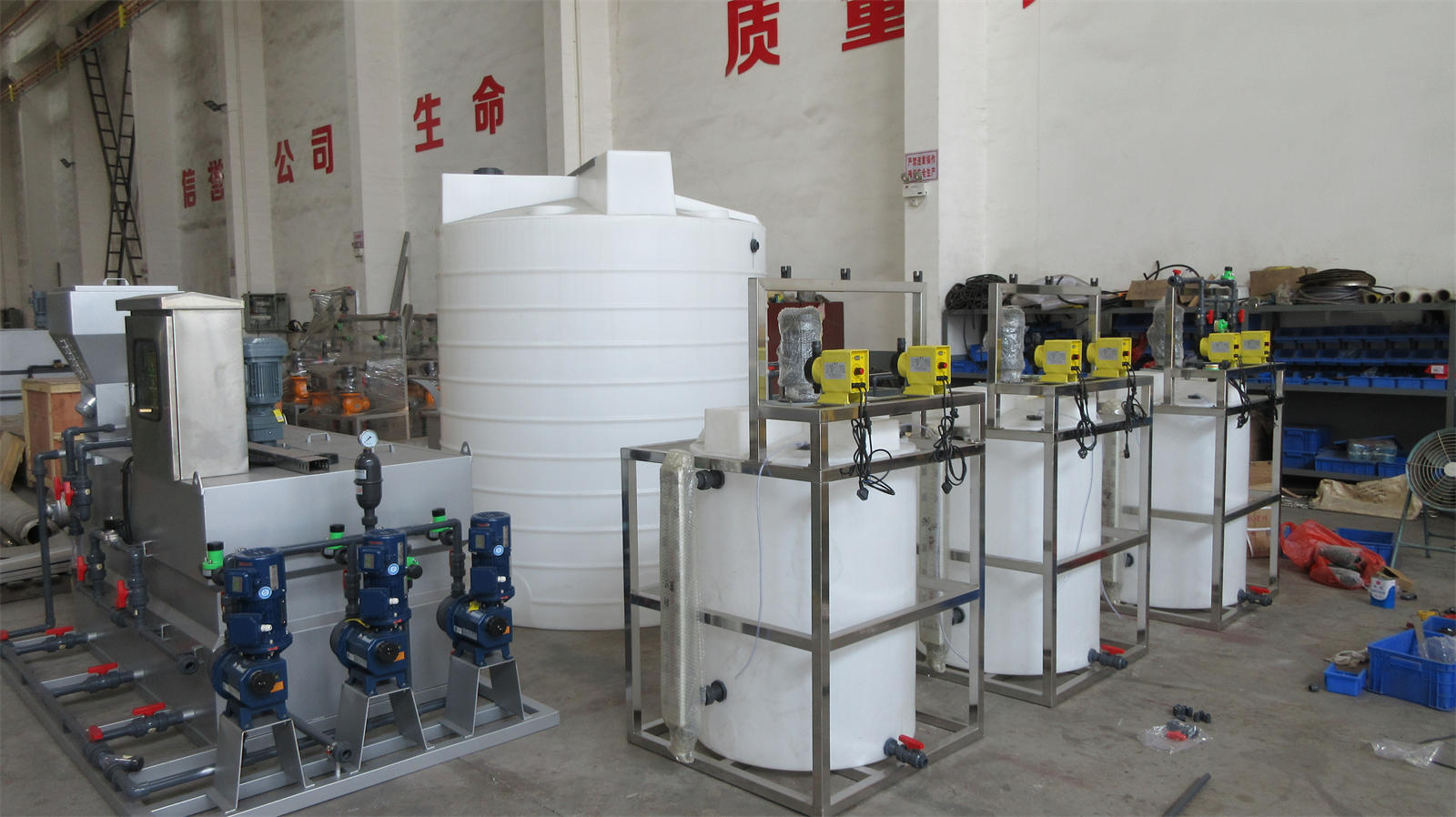
Every stage of production—from raw materials to packing—is subjected to rigorous inspection.
Get authoritative answers on performance optimization, design selection, and material choices.
Industrial-grade components built for continuous duty and demanding sludge management processes.
 Jovios Equipment