In the modern industrial era, dewatering is no longer just a waste disposal step; it is a critical component of ESG (Environmental, Social, and Governance) strategies. Global manufacturing hubs are shifting toward "Zero Liquid Discharge" (ZLD) to combat water scarcity and meet stringent regulatory requirements set by agencies like the EPA and EU Environmental Agency.
Advanced dewatering equipment factories are now focusing on the circular economy. By extracting high-purity solids and recycling treated water back into the production cycle, companies can reduce operational costs by up to 40% while significantly lowering their environmental footprint.
The industry is transitioning toward Industry 4.0. Top suppliers are integrating IoT sensors and AI-driven pressure controls to optimize filtration cycles, predict maintenance needs, and ensure consistent filter cake moisture levels without manual intervention.
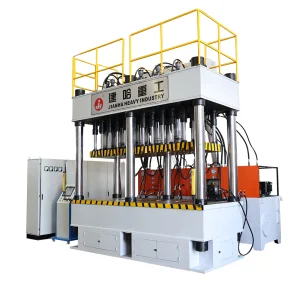
Expertise, Experience, Authoritativeness, and Trustworthiness (E-E-A-T) are at the heart of our operations. With a 50,000 sqm modern manufacturing base in the National High-tech Industrial Development Zone, we represent the pinnacle of Chinese industrial engineering.
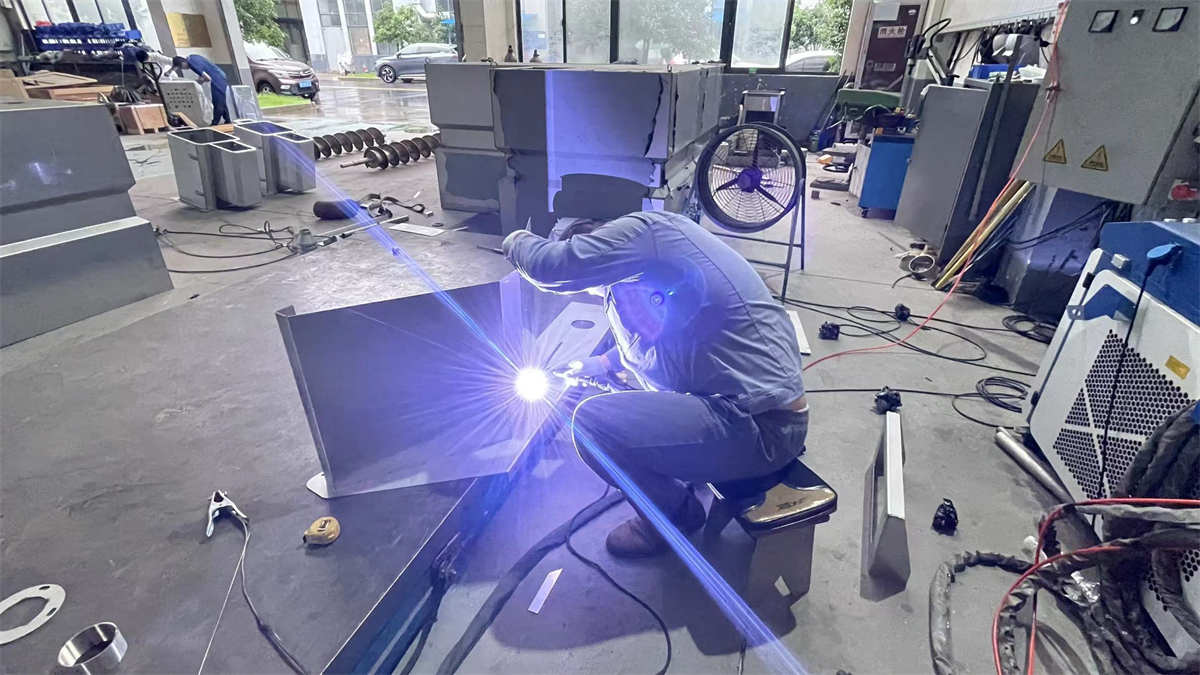
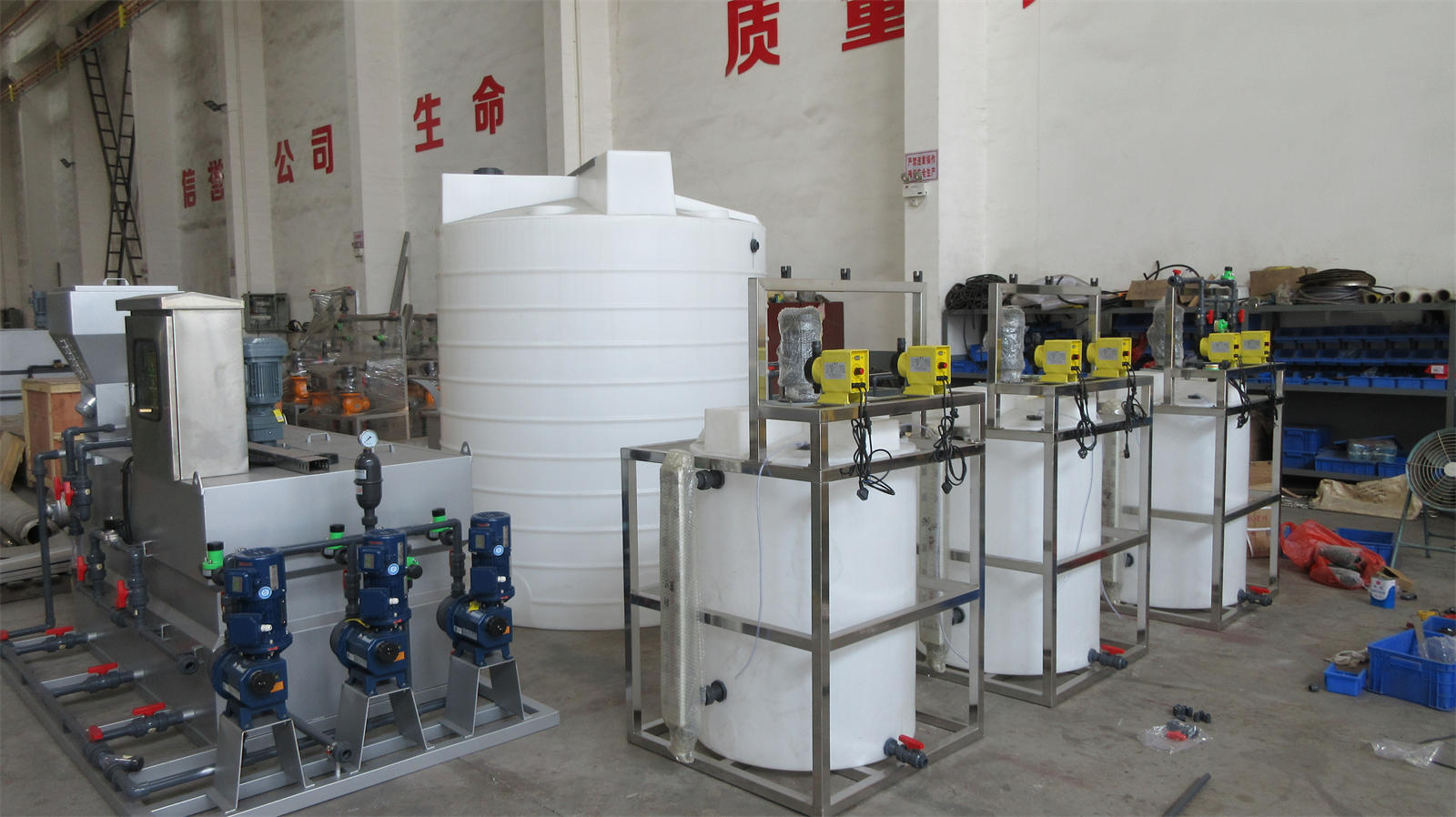
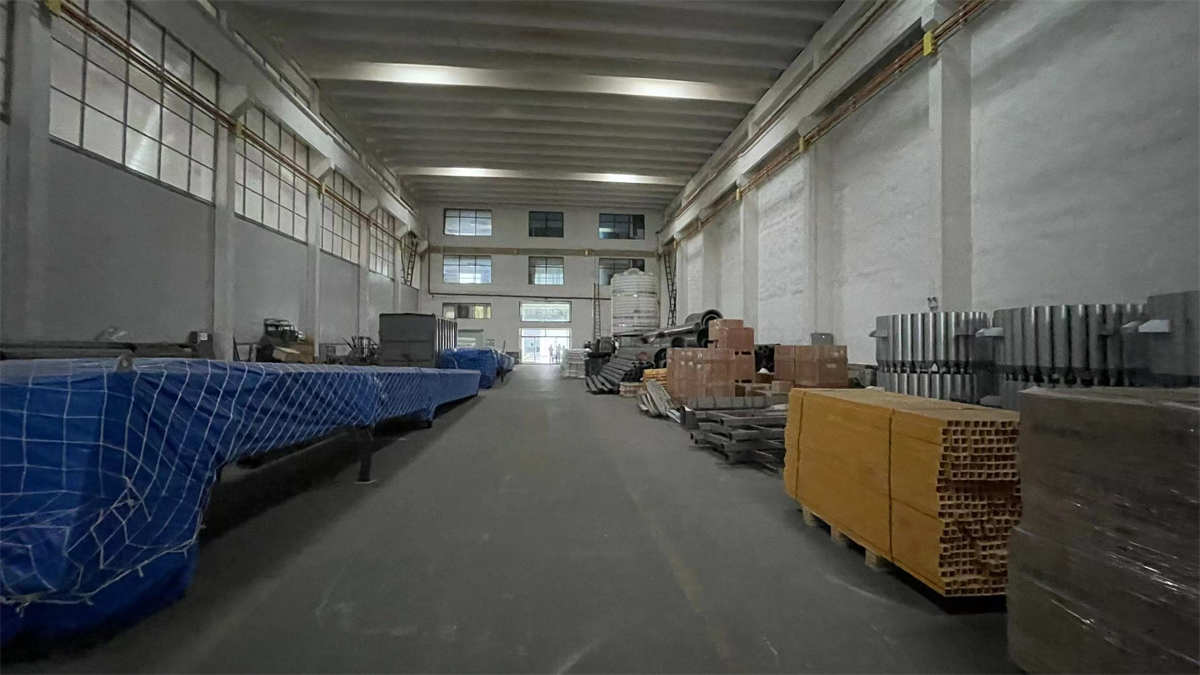
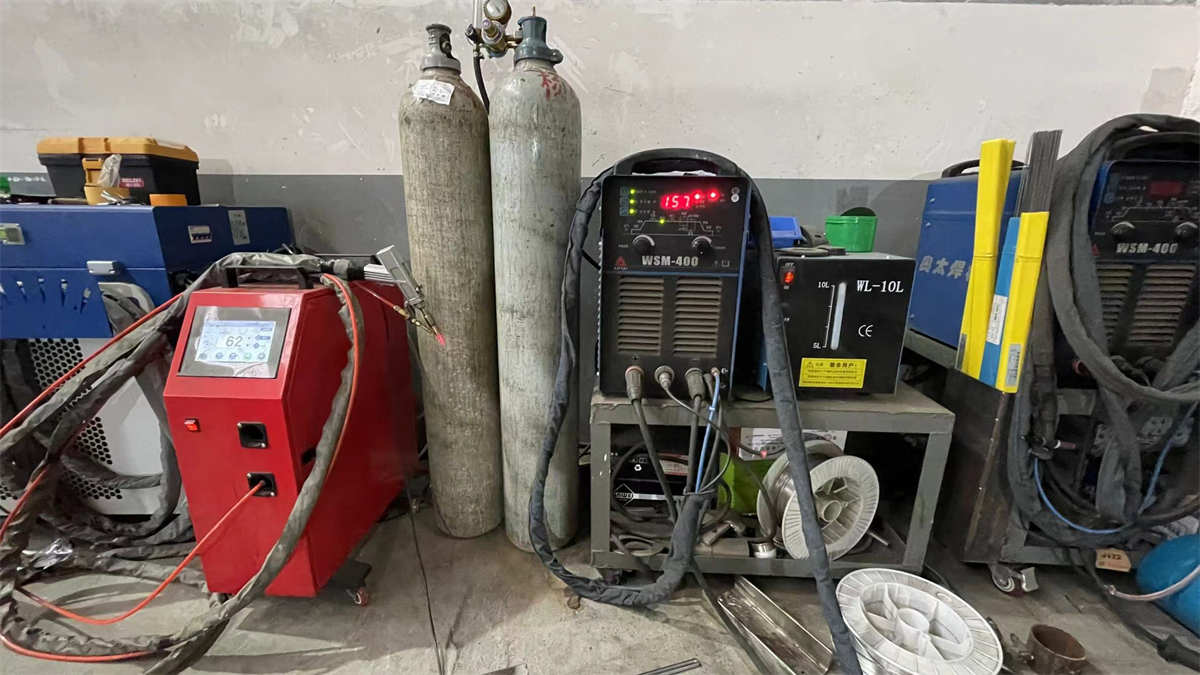
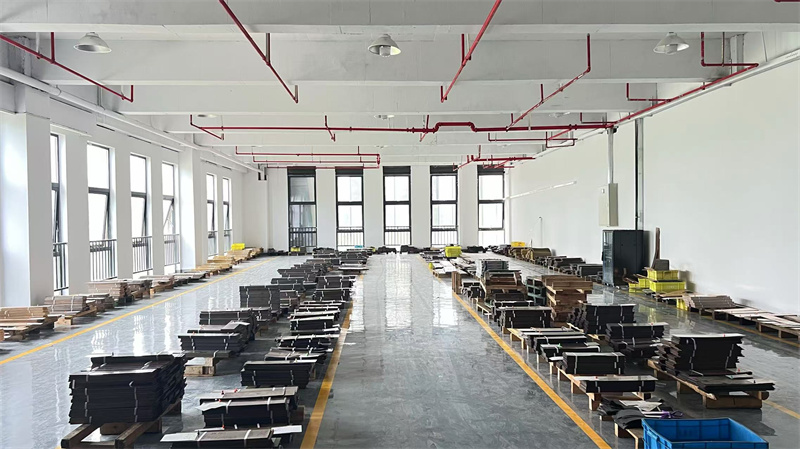
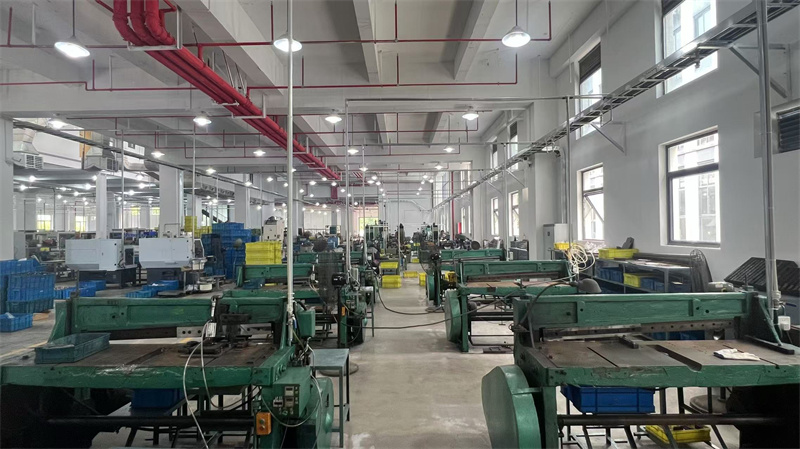
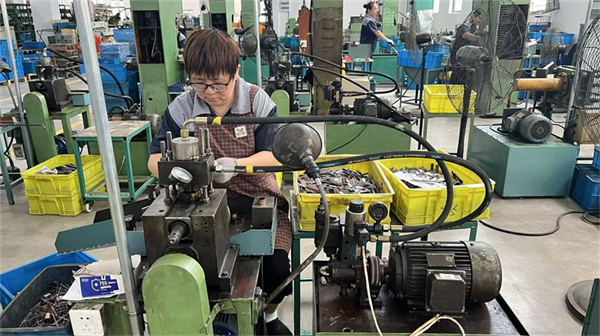
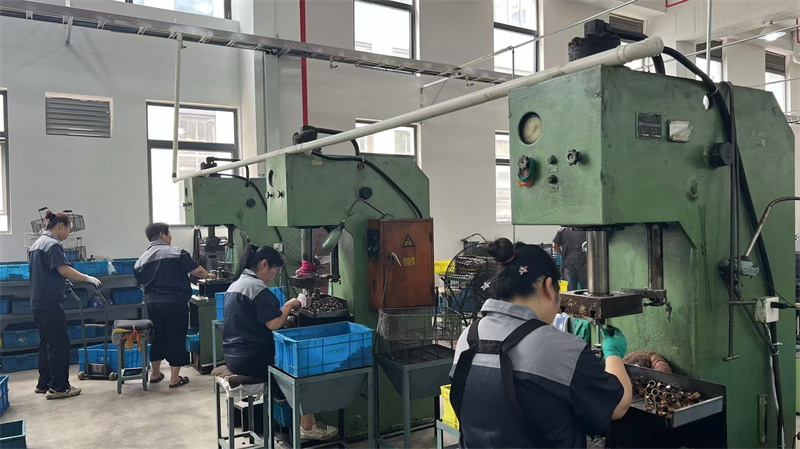
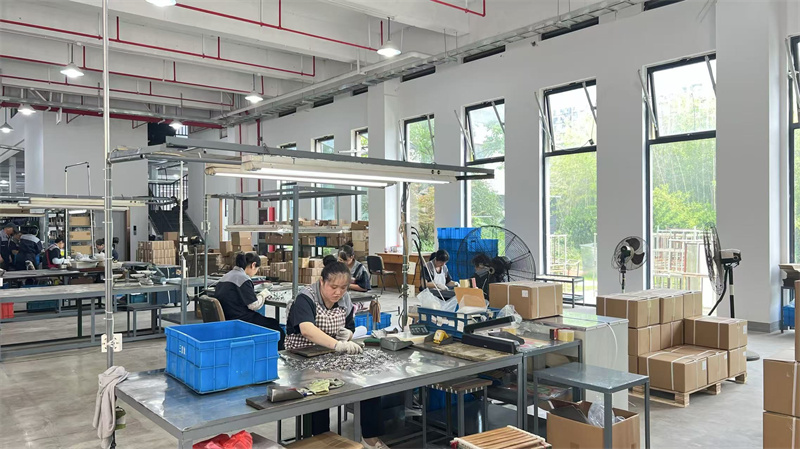
Our mission is to empower industrial customers worldwide with efficient, energy-saving, and environmentally responsible separation solutions. From initial process design to turnkey engineering services, Jovios stands as a leader in the global dewatering market. With over 30 senior engineers, we bridge the gap between academic research and practical industrial application.
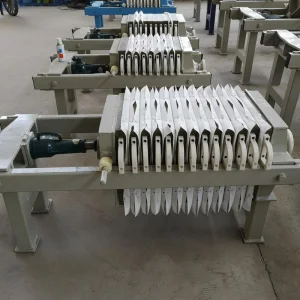
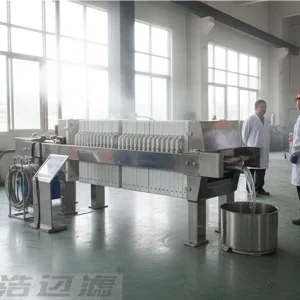
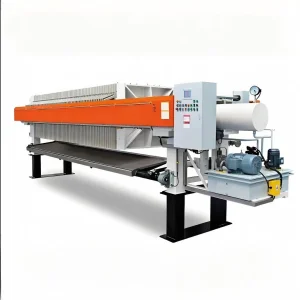
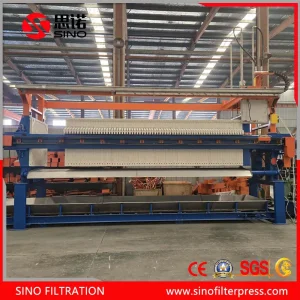
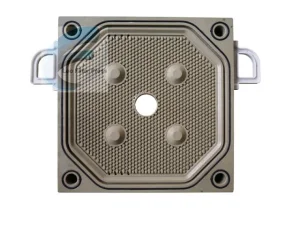
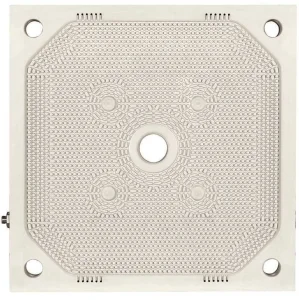
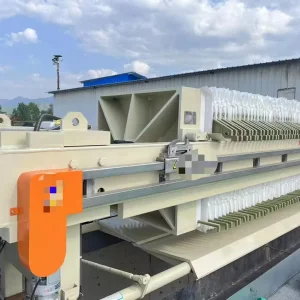
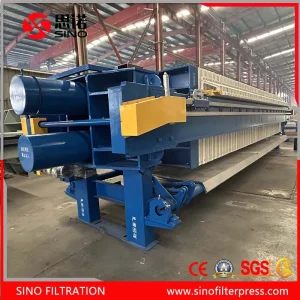
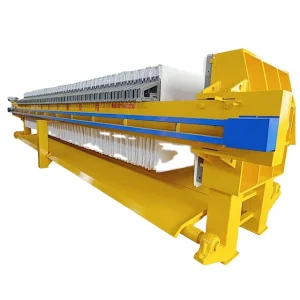
Modern membrane filter presses utilize secondary squeezing technology to achieve lower cake moisture contents (down to 15-20% in some cases). This significantly reduces transport and incineration costs for sludge, providing a clear ROI for mining and chemical operations.
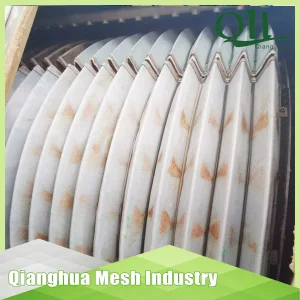
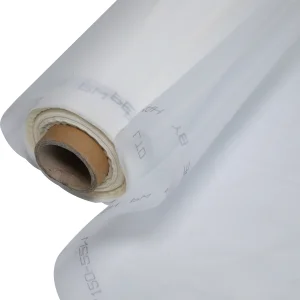
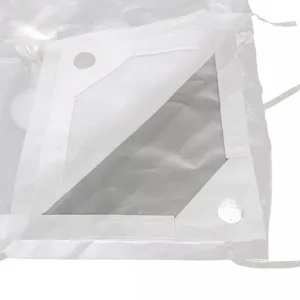
We utilize alkali-resisting Polypropylene (PP) and high-strength Nylon monofilaments. These materials are engineered for chemical resistance, ensuring a long service life even in the most corrosive environments of pharmaceutical or textile wastewater treatment.
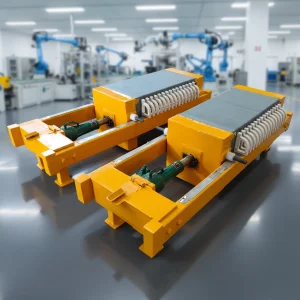
Our intelligent chamber designs optimize the distribution of slurry. This prevents "blind spots" in the filter cloth, ensuring even cake formation and maximizing the effective filtration area, which leads to shorter cycle times and higher throughput.
Our equipment adheres to international standards including CE, ISO9001, and ASME. We ensure that every machine exported meets the local electrical and safety regulations (such as UL for North America or CSA for Canada).
Whether it’s palm oil filtration in Southeast Asia, mining sludge in South America, or municipal wastewater treatment in Europe, we customize our systems for local temperature, humidity, and slurry characteristics.
Localization isn't just about shipping; it's about support. Jovios provides on-site installation, operator training, and 24/7 remote technical assistance to minimize downtime in critical production environments.
 Jovios Equipment