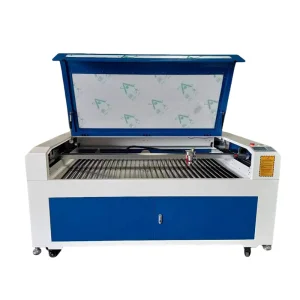
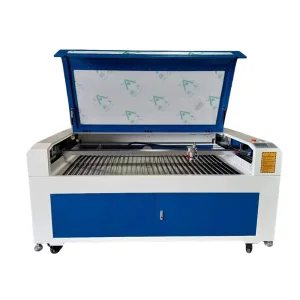
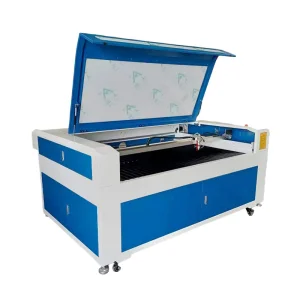
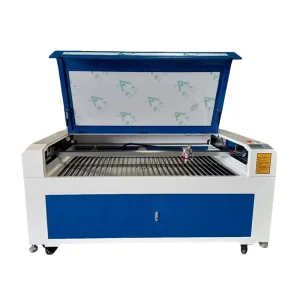
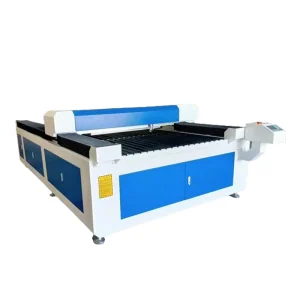
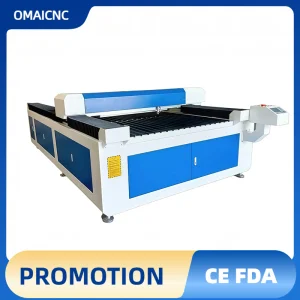
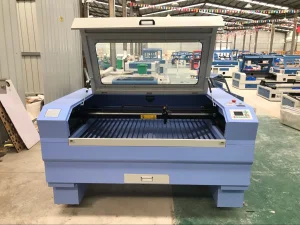
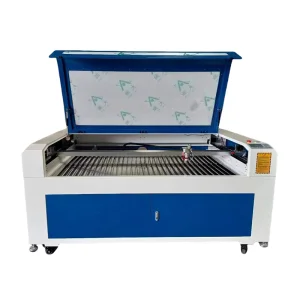
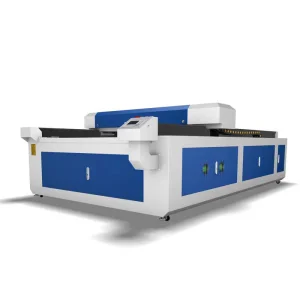
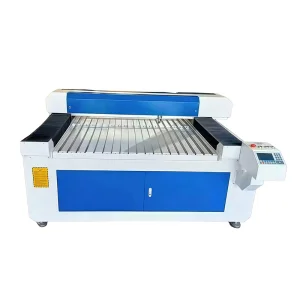
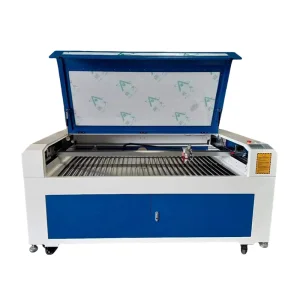
Engineered for high-durability filter fabric processing in the Middle East.
The Sultanate of Oman is currently undergoing a massive economic transformation guided by the Oman Vision 2040. Central to this strategy is the diversification of the economy away from hydrocarbon dependence, fostering growth in the manufacturing, mining, and water treatment sectors. In these industries, solid-liquid separation is not just a process—it is a critical necessity for operational efficiency and environmental compliance.
In the arid climate of the Middle East, water is the most precious resource. Traditional mechanical cutting of filter cloths often results in frayed edges, leading to leakage in filter presses. Laser cutting technology automatically cauterizes the edges of synthetic fibers (like Polypropylene and Polyester), creating a sealed, durable perimeter. This technical advantage ensures that desalination plants and chemical refineries in Sohar and Duqm can operate at higher pressures without cloth failure, directly impacting the ROI of local industrial projects.
Oman’s mining sector, particularly in the extraction of marble and gypsum, generates significant amounts of wastewater. Large-scale filter presses equipped with precision-cut cloths are essential for tailings management. Our CO2 laser machines provide the "Oman Grade" precision required for these high-abrasion environments, where custom-fitted cloths must withstand extreme mechanical stress and chemical exposure.
Globally, the filter cloth manufacturing industry is moving away from labor-intensive manual templates. The integration of CNC CO2 Laser Systems represents the current "Gold Standard." Here is the technology roadmap we follow:
CAD-based designs allow for instantaneous adjustments to filter cloth dimensions, accommodating any filter press brand (Metso, Outotec, or Jovios) without new physical molds.
Unlike blades, the laser beam melts the fiber at the cutting point. This prevents "wicking" and enhances the structural integrity of the filter plate seal.
For large-scale exporters to the Oman market, our machines feature conveyor beds that handle 100-meter rolls of fabric automatically, ensuring 24/7 production capability.
We provide localized solutions tailored for Oman's specific economic zones:
Our role as a leading exporter to Oman involves not just selling machines, but providing the "Smart Factory" blueprint. We help Omani entrepreneurs set up local filter cloth production lines to reduce lead times for the local oil and gas industry.
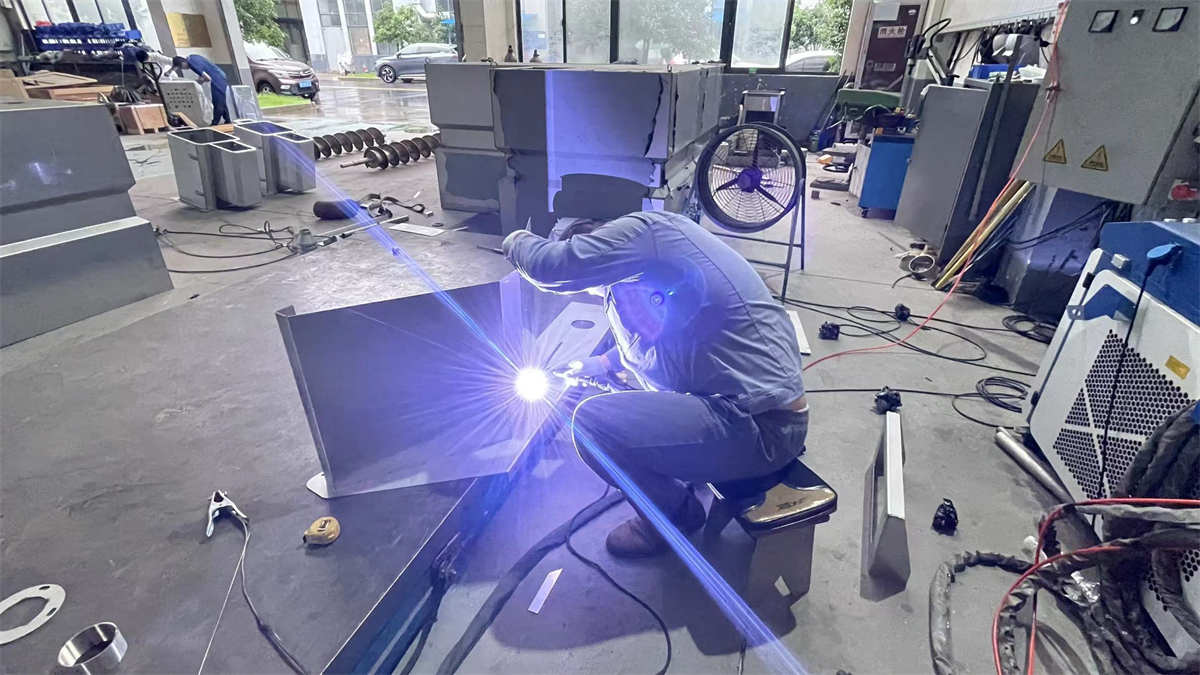
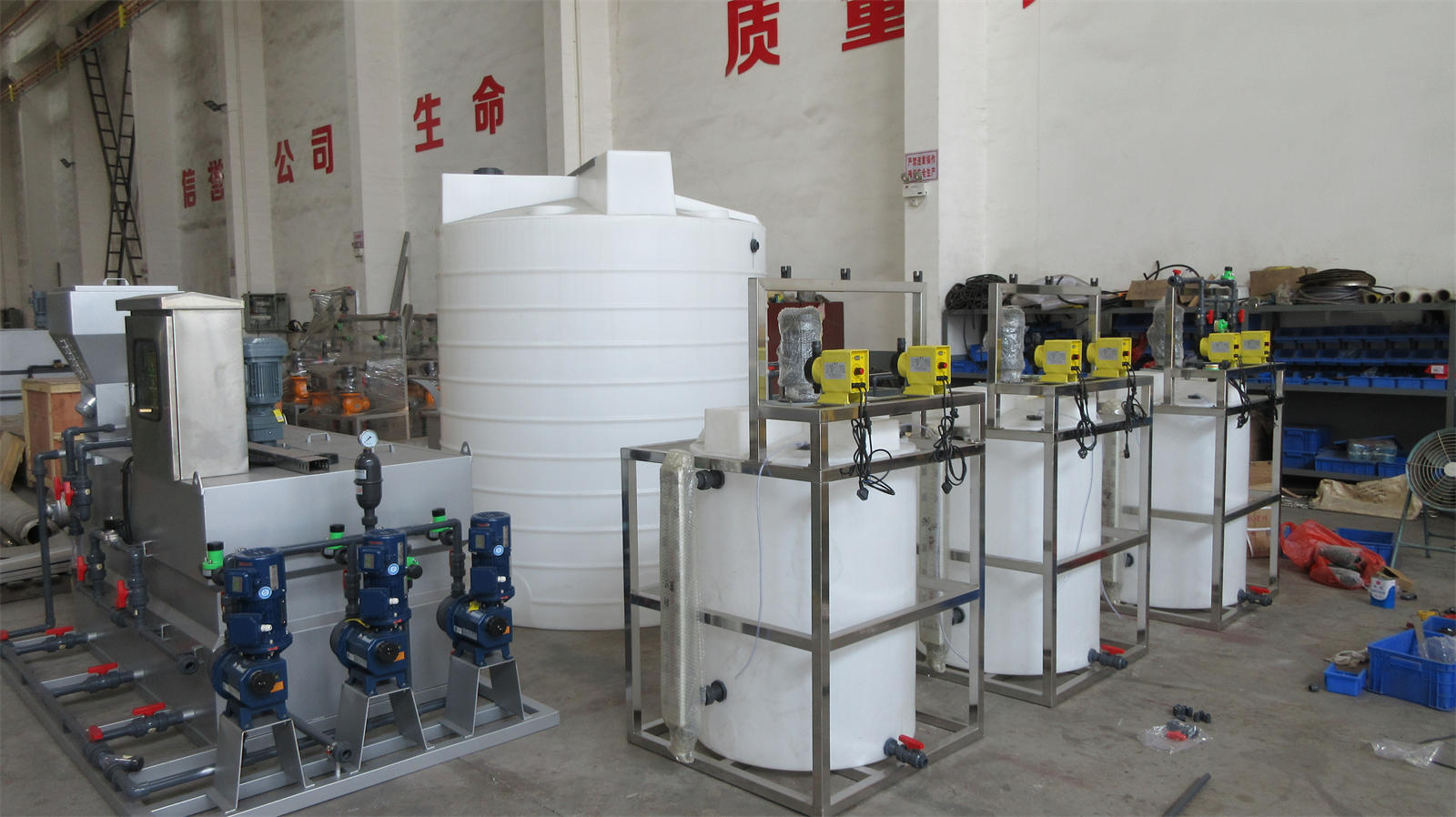
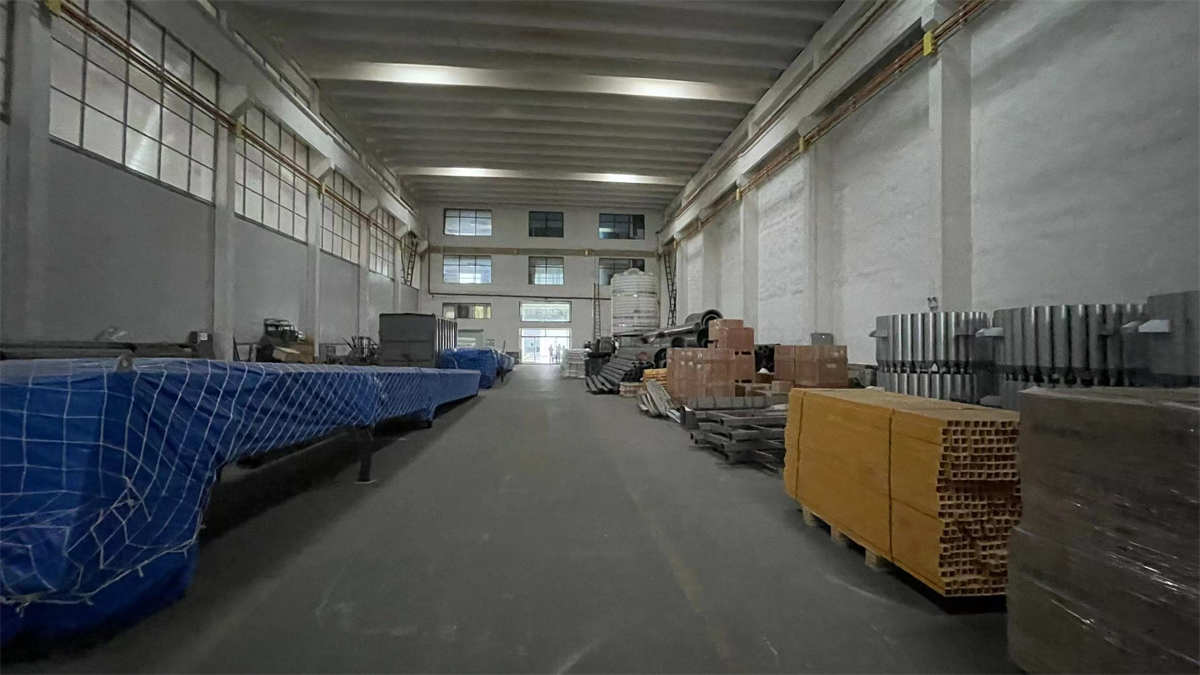
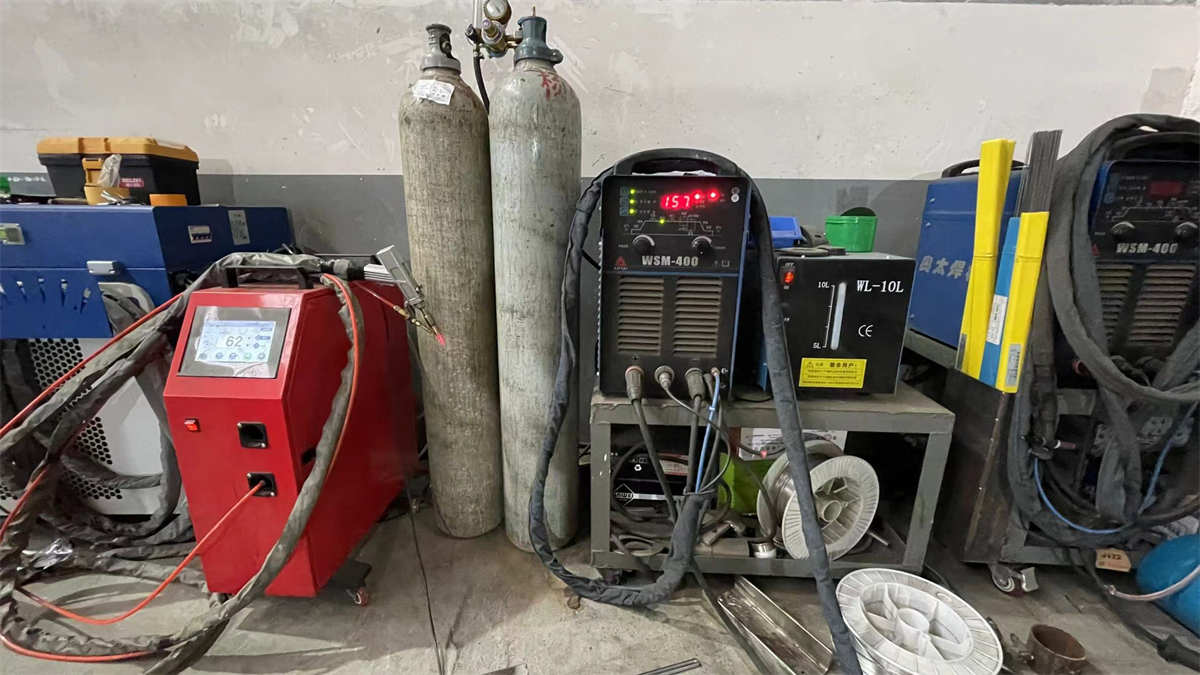
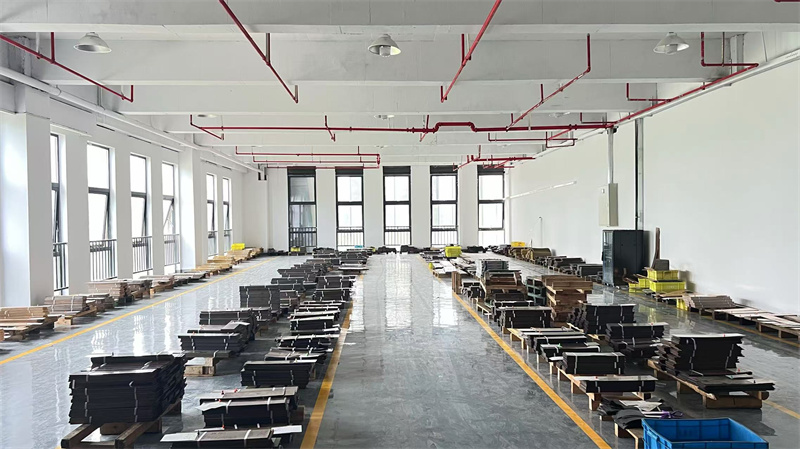
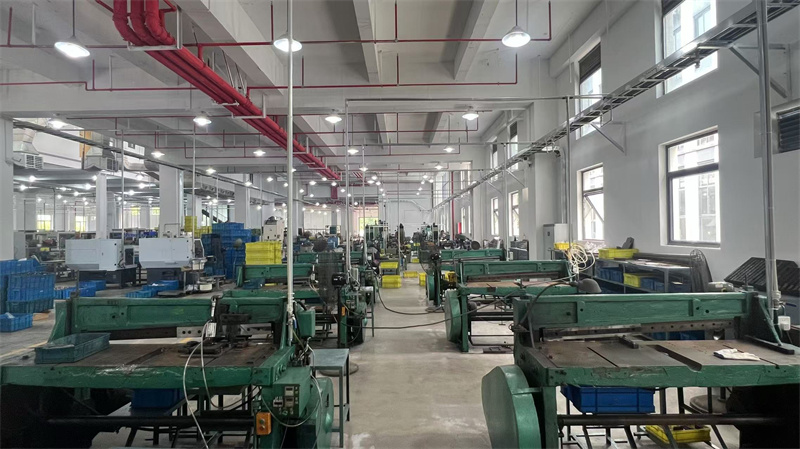
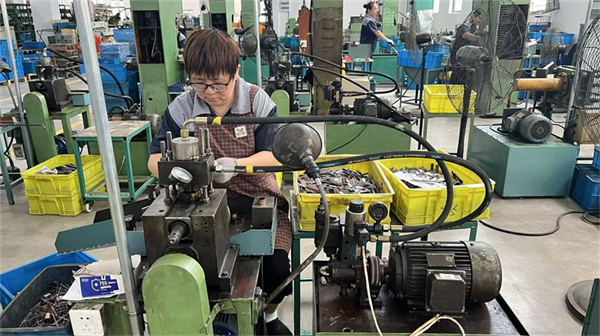
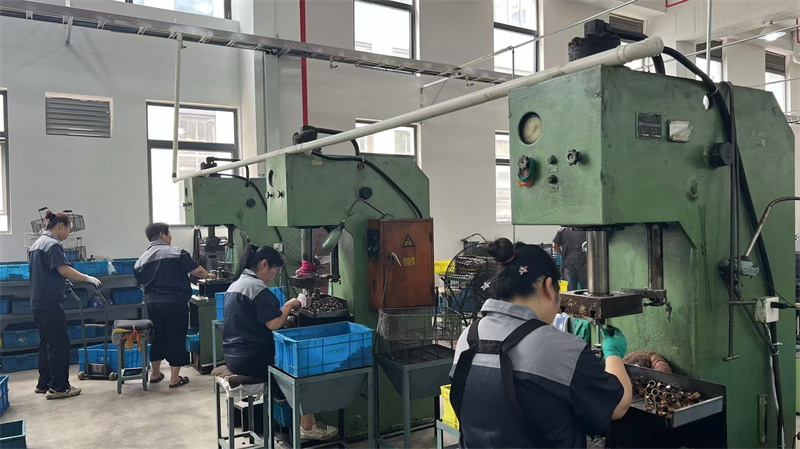
Changzhou Jovios Equipment Co., Ltd. is a professional manufacturer and solution provider specializing in solid-liquid separation and environmental protection equipment. Located in Changzhou National High-tech Industrial Development Zone, Jiangsu Province, China, the company operates a modern manufacturing base covering more than 50,000 square meters.
With more than 30 senior engineers, we hold multiple patents in laser-controlled filtration technology. Our global presence, especially in the GCC region, is backed by a commitment to reliability and information transparency. We don't just sell equipment; we provide the data and engineering expertise to optimize your entire separation process.
Omani marble and mineral mines use high-pressure filter presses. Knife-cut cloths tend to fray under pressure, causing leaks. Laser cutting seals the edges of polypropylene (PP) cloths, ensuring they can handle the high-solid concentrations found in local mines.
Yes, our machines exported to Muscat and Salalah are equipped with high-efficiency industrial water chillers and dust-sealed electronics to ensure the CO2 laser tube remains stable even in ambient temperatures exceeding 45°C.
Standard CNC laser systems are shipped within 15-20 days from our Changzhou factory. Transit time to Oman's major ports is approximately 18-25 days, supported by our comprehensive logistics network.
Absolutely. Our CO2 systems are optimized for Polypropylene (PP), Polyester (PET), Nylon, and various non-woven fabrics used in Oman's chemical and wastewater sectors.
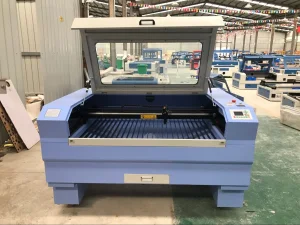
Heavy-duty CNC machinery for diverse industrial applications in the Gulf region.
Contact our expert engineering team today for a customized separation solution and machine quotation.
Send Inquiry Now Jovios Equipment