 Jovios Equipment
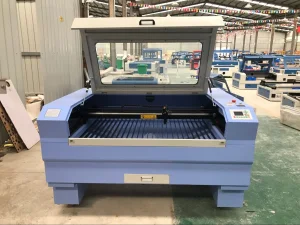
Optimized machinery deployed globally for high-strength technical textiles, filter press cloths, and robust industrial fabric fabrication.
A comprehensive analysis of solid-liquid separation requirements and the role of laser-processed filter media in modern Caribbean operations.
The Commonwealth of Dominica, known globally for its rich ecological resources and developing agricultural processing and mining logistics sectors, is currently undergoing a structural transition toward cleaner manufacturing and environmental compliance. Historically reliant on agriculture, essential oils (such as bay oil), and food processing, the island's industrial matrix now demands advanced environmental remediation solutions, particularly in wastewater treatment, municipal sanitation, agro-processing waste management, and quarrying runoff filtration.
Solid-liquid separation is at the heart of these industrial processes. Standard filter press equipment relies on filter cloths to capture solid particulates while allowing the filtrate to pass through under high pressure. In tropical and maritime environments like Dominica, where humidity levels are high and chemical runoff can be acidic or highly alkaline, the structural integrity of filter press cloths is critical. Traditional mechanical cutting methods often result in frayed edges, structural deformation of the weave, and premature failure of the cloth margins. This is where high-precision laser cutting technology changes the game.
"For Dominican operations—ranging from essential oil distilleries in Roseau to large-scale municipal water reclamation projects—high-performance laser-cut filter cloths minimize downtime, prevent edge-raveling under extreme hydraulic pressures, and deliver unmatched operational longevity."
Understanding the micro-economies within Dominica is essential for deploying the correct filtration parameters:
Explaining the physics behind thermal edge sealing, material behaviors, and structural advantages over conventional punch-cutting methods.
Industrial filter cloths are woven from high-strength synthetic polymers including Polypropylene (PP), Polyester (PET), Nylon (Polyamide), and specialized fluorine-based materials like PVDF. These materials are chosen for their specific chemical resistance, tensile strength, and heat tolerance. However, when these fabrics are cut using mechanical shears, rotating blades, or dye punches, the microscopic threads at the cut line are split and left exposed. Under the continuous, high-pressure pulsating loads of a membrane or plate-and-frame filter press, these frayed borders unravel. This leads to slurry bypass, pressure drop, and eventual structural blowouts.
Laser cutting operates on the principle of localized material vaporization. A concentrated CO2 laser beam, operating at a wavelength of 10.6 micrometers, focuses high-density thermal energy onto the target path. As the laser moves, it melts and vaporizes the polymer fibers instantaneously. Crucially, the heat-affected zone (HAZ) is extremely narrow and controlled. The molten edges of the polymer cool rapidly, fusing the warp and weft yarns together at the boundary. This creates a solid, smooth, and incredibly durable bead along the perimeter of the cloth, as well as around all center feeds, corner holes, and eyelets.
To demonstrate the economic and technical benefits, consider the following performance parameters observed when transitioning processing technologies:
| Performance Indicator | Traditional Blade/Die Cutting | Jovios Precision Laser Cutting |
|---|---|---|
| Edge Integrity | Fraying, loose threads, warp/weft displacement | Perfect thermal sealing, no fiber shedding |
| Dimensional Accuracy | ± 2.0 mm to ± 5.0 mm due to fabric stretching | ± 0.5 mm or better, computer-controlled alignment |
| Eyelet & Feed Hole Quality | Prone to tearing, requires manual reinforcement rings | Smooth circular apertures with integrated seal rings |
| Adaptability to Custom Designs | Requires expensive custom tooling and dies for changes | Instant digital profile updates via CAD file loading |
Introducing Changzhou Jovios Equipment Co., Ltd. — Your Global Partner in Separation and Filtration Engineering.
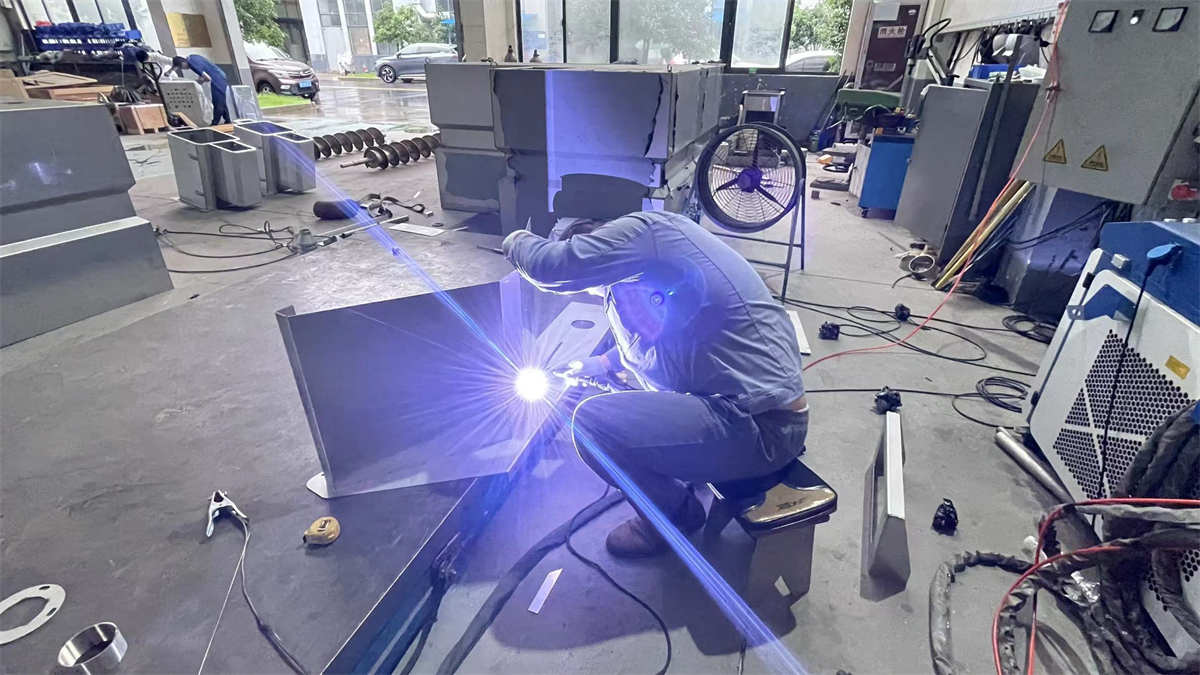
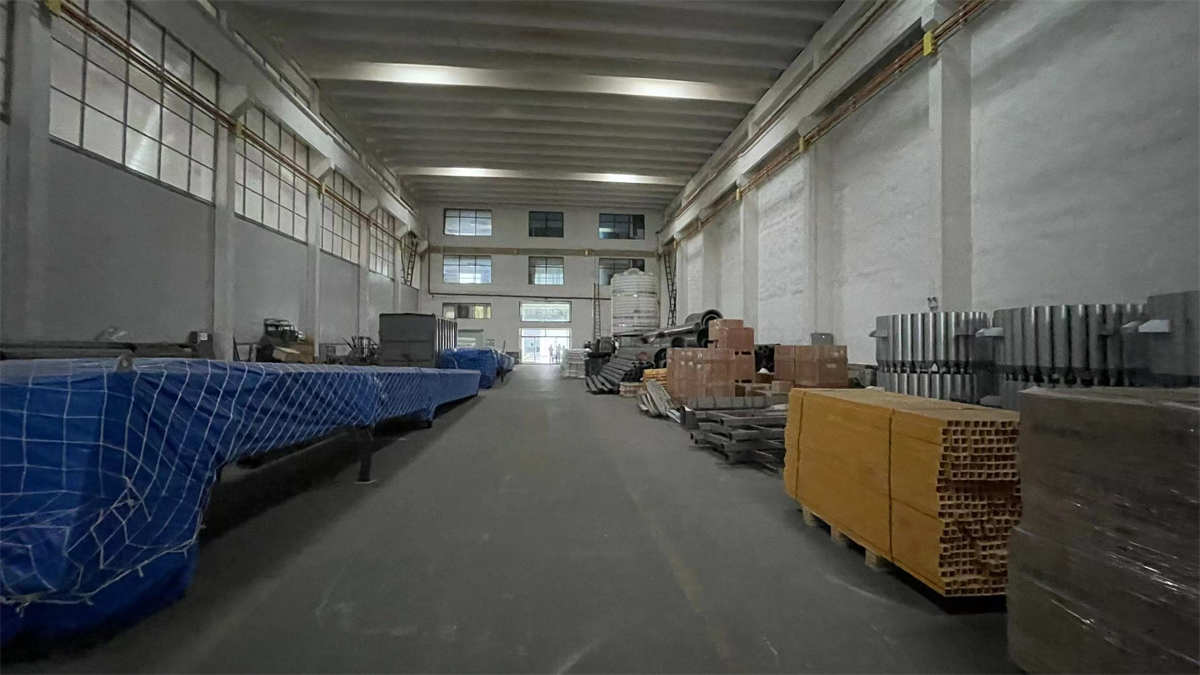
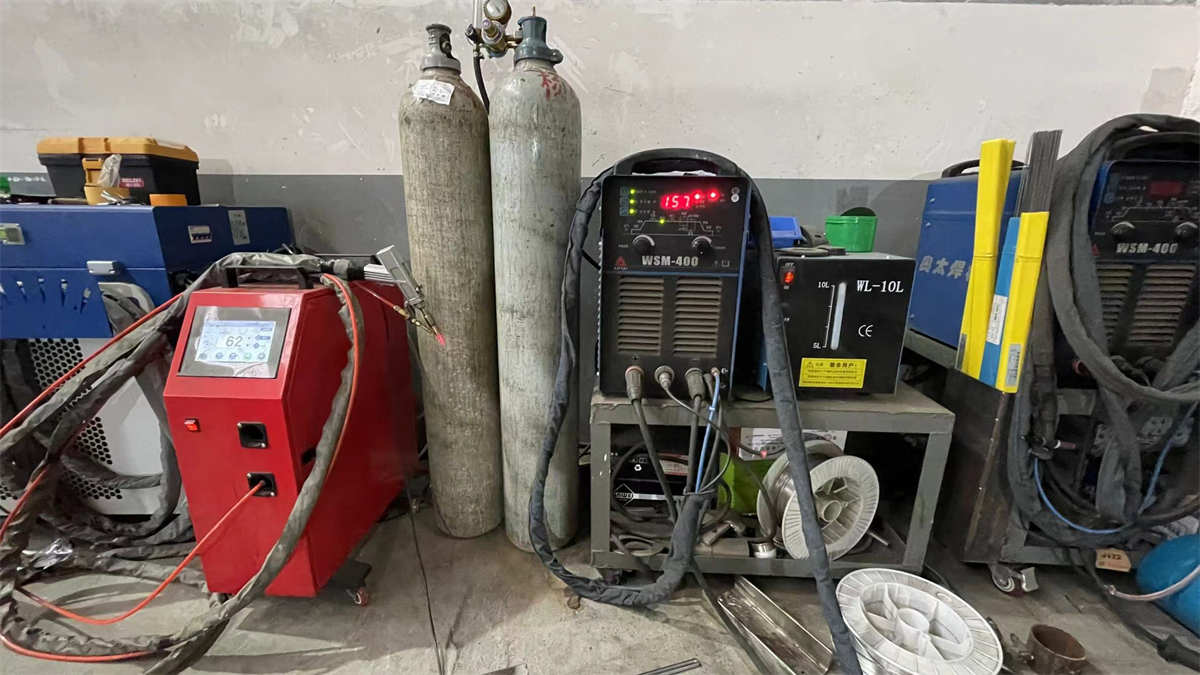
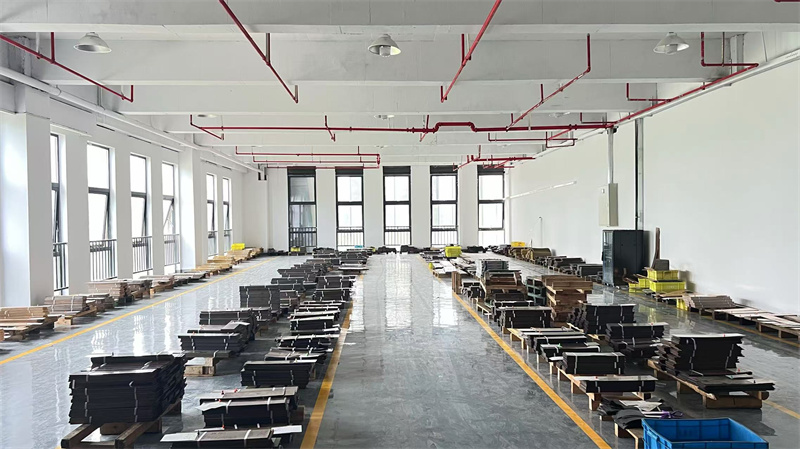
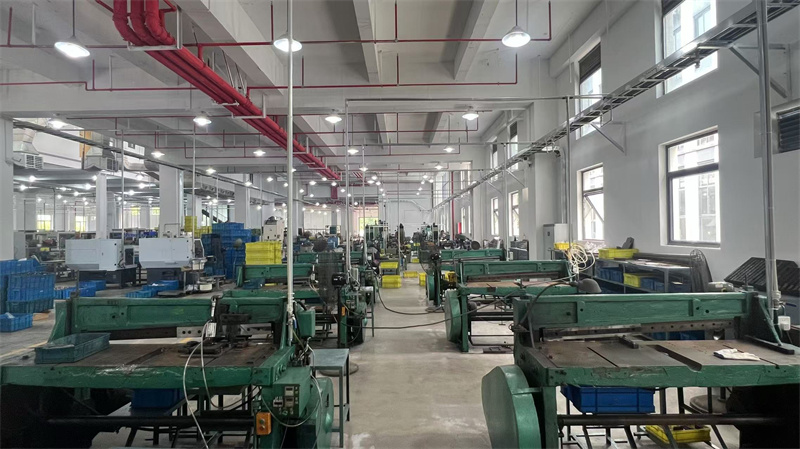
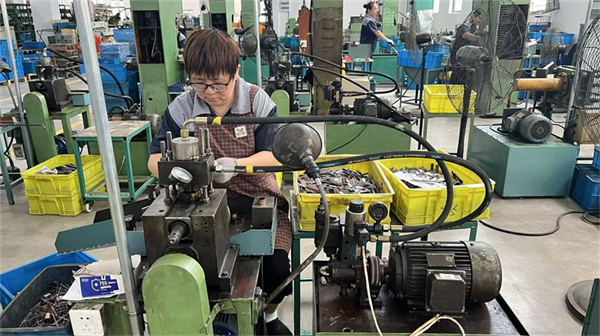
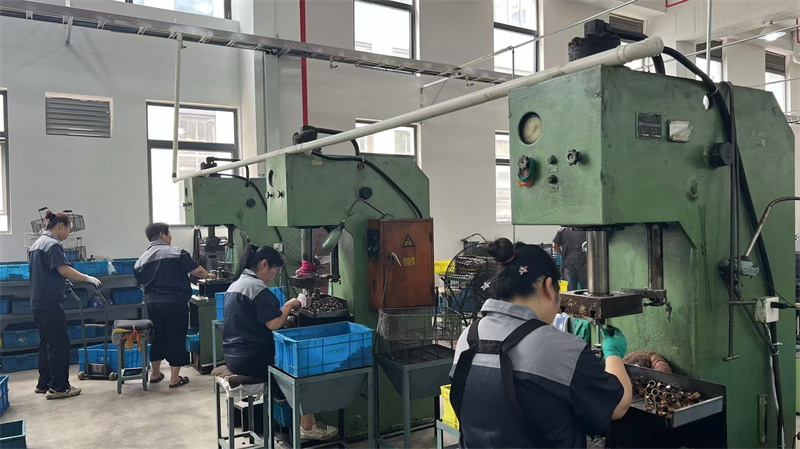
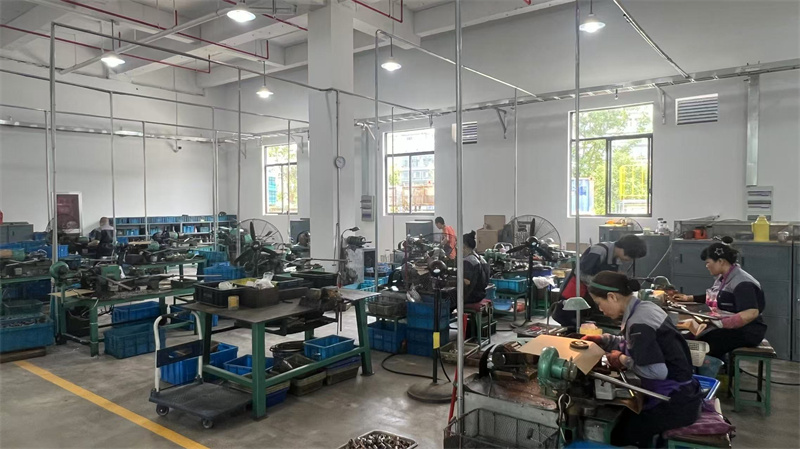
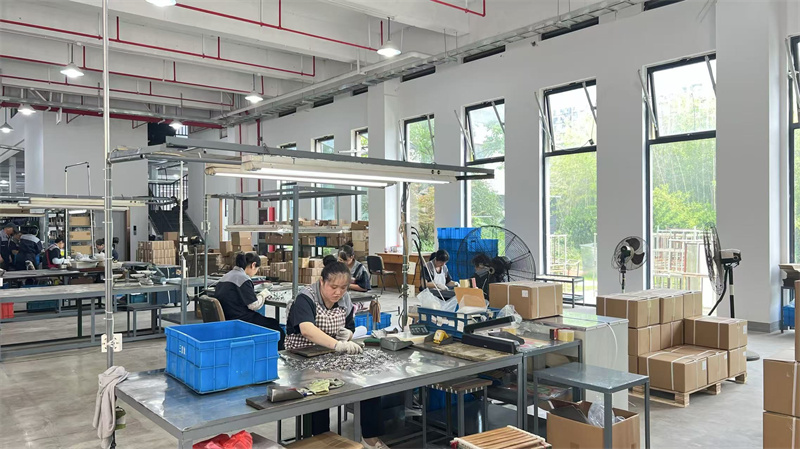
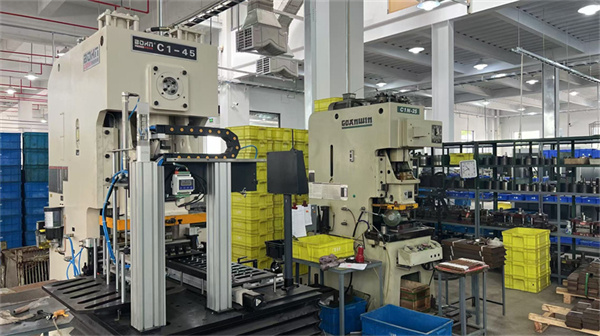
Changzhou Jovios Equipment Co., Ltd. is a professional manufacturer and solution provider specializing in solid-liquid separation and environmental protection equipment. Located in Changzhou National High-tech Industrial Development Zone, Jiangsu Province, China, the company operates a modern manufacturing base covering more than 50,000 square meters, equipped with advanced production facilities and a comprehensive quality inspection center.
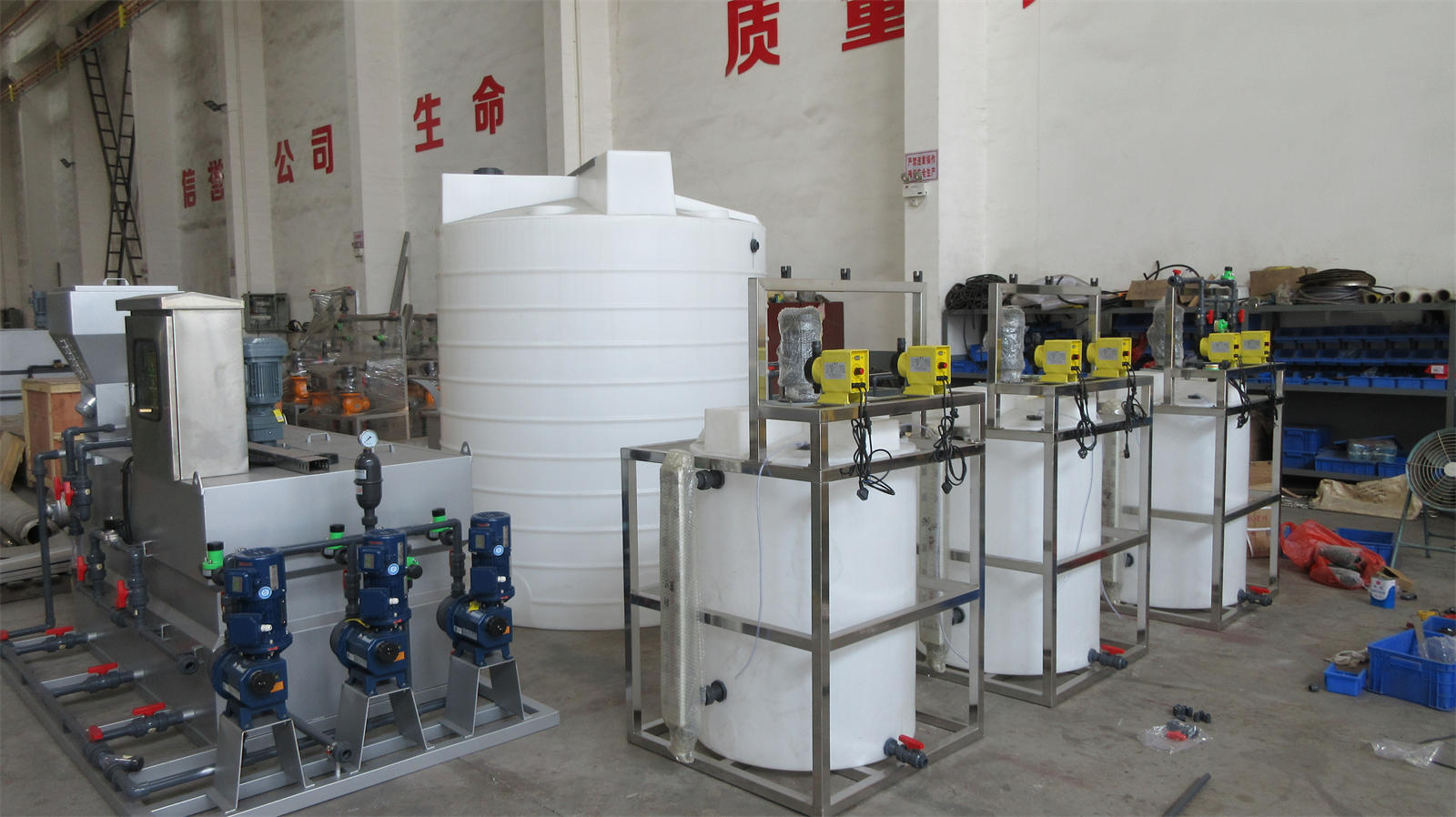
Jovios independently designs, develops, and manufactures a complete range of filtration and separation equipment, including plate and frame filter presses, membrane filter presses, automatic filter presses, intelligent filtration systems, as well as high-performance filter plates and filter cloths. With an annual production capacity exceeding 1,000 units, our products are widely applied in municipal wastewater treatment, chemical processing, petroleum, mining, metallurgy, pharmaceuticals, food and beverage production, paper manufacturing, textile dyeing, ceramics, building materials, and many other industries.
In addition to filtration equipment, Jovios provides complete wastewater treatment solutions and engineering services. From process design and equipment selection to installation, commissioning, and operational support, we deliver turnkey wastewater treatment systems for both municipal and industrial customers worldwide.
Our experienced research and development team consists of more than 30 senior engineers and technical specialists. Through close cooperation with universities, research institutes, and industry partners, we continuously integrate innovative technologies into product development, ensuring reliable performance, higher efficiency, and sustainable operation.
Supported by a growing global sales and service network, Jovios offers comprehensive technical support throughout the entire project lifecycle. From initial consultation and system design to installation, training, and after-sales service, we are committed to providing responsive and professional support wherever our customers operate.
At Jovios, we are dedicated to delivering efficient, energy-saving, and environmentally responsible separation solutions for industrial customers worldwide. Through continuous innovation and customer-focused engineering, we help businesses improve productivity, reduce operating costs, and achieve sustainable growth.
Aligning high-precision production technologies with the demanding logistics and environment standards of Dominica and the wider Caribbean basin.
Industrial filtration is rarely a one-size-fits-all scenario. Depending on the sludge properties (density, particle distribution, temperature, and chemical composition), local industries require completely distinct materials and configurations. Jovios' engineering division designs turnkey filtration packages, from filter press structural frames to the micron-rated filter media optimized for the target application.
Dominican businesses often face supply chain hurdles because of geographical isolation. To mitigate this, Jovios provides dedicated Caribbean logistics support. Through direct routing to major regional ports (such as Roseau and Portsmouth in Dominica, and regional transit hubs), we ensure that your customized filter press cloths and replacement laser-machined filtration media arrive safely, rapidly, and securely.
Moreover, all Jovios products conform strictly to international standards including the ISO 9001:2015 Quality Management Systems, CE certification, and relevant environmental discharge norms. For operations in Dominica that must report to the Ministry of Agriculture, Fisheries, Blue and Green Economy or the Physical Planning Division, deploying Jovios equipment offers proven compliance verification and robust green-economy performance.
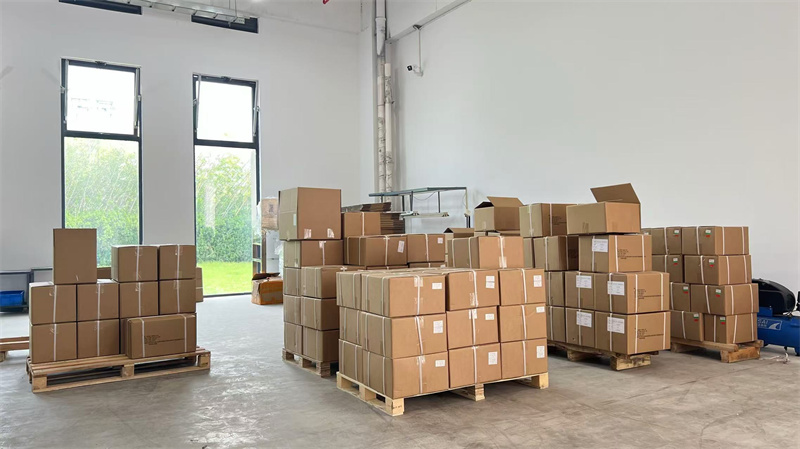
Frictionless Sourcing for Dominica Procurement Managers: All technical textiles are packaged in airtight, moisture-proof marine-grade crates to prevent fungal growth and humidity damage during transit across tropical sea routes.
We work directly with your localized engineering staff via a step-by-step custom deployment plan:
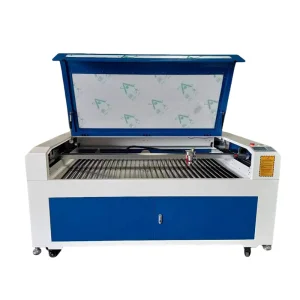
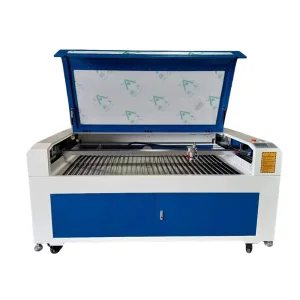
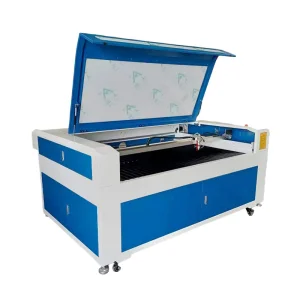
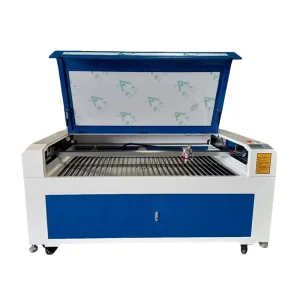
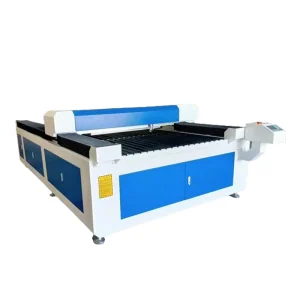
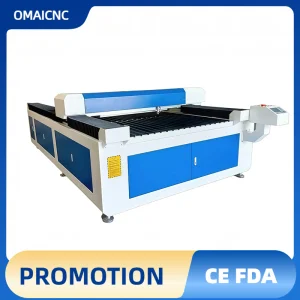
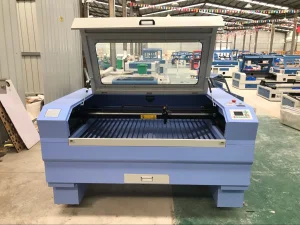
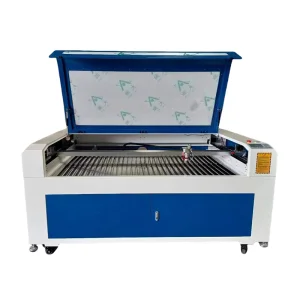
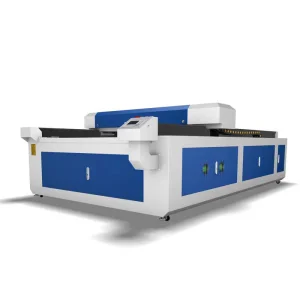
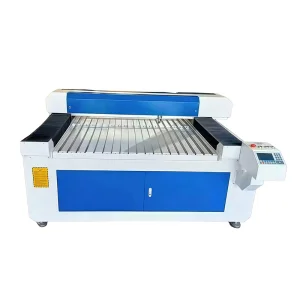
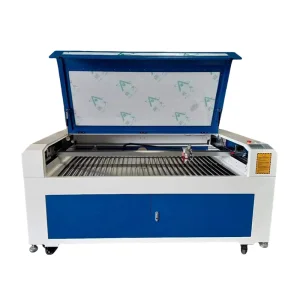
Our complete line of CO2 laser cutting solutions configured to meet Dominican and international manufacturing specifications.
How emerging smart tech, automation, and environmental initiatives are reshaping industrial-scale solid-liquid separation.
As Caribbean markets like Dominica adopt stricter green manufacturing goals, the demands placed on solid-liquid separation equipment are intensifying. The standard cycle must yield dryer filter cakes and cleaner filtrates with lower energy inputs. Achieving this depends heavily on materials science and high-speed CNC execution.
The next generation of laser-processing tables will feature real-time visual inspection systems. Enabled by high-resolution cameras and machine-learning algorithms, these systems can scan woven rolls for density variations or weaving defects. The laser cutting parameters (speed, power, and gas pressure) adjust dynamically to ensure every custom cloth meets perfect quality benchmarks.
In addition, Jovios is currently researching eco-friendly, biodegradable filter media. As Dominica transitions towards a circular economy, natural fiber alternatives—such as industrial hemp and organic cotton weaves reinforced with bio-polymers—are entering pilot tests. High-precision laser cutting handles these mixed-density organic fibers efficiently, producing clean edges without charring.
Detailed technical answers for engineering and purchasing managers operating within the Caribbean and Latin American logistics zones.