Optimized CNC Cutting Solutions Engineered for UK Industrial Textiles & Complex Filter Media Production
A Comprehensive Technical Whitepaper on Modernizing Solid-Liquid Separation in the British Manufacturing Landscape
The United Kingdom’s industrial manufacturing sector operates under some of the world's most rigorous environmental frameworks. Under the purview of the UK Environment Agency (EA), the Scottish Environment Protection Agency (SEPA), and Natural Resources Wales, companies are subject to strict Environmental Permitting Regulations (EPR). Whether managing wastewater discharge in the chemical hubs of Teesside and Grangemouth, handling mineral slurries in Cornwall, or dewatering sludge in municipal facilities operated by companies like Thames Water and Severn Trent, the efficiency of solid-liquid separation systems is critical.
At the heart of these separation systems are industrial filter presses, which rely completely on the integrity of their filter press cloths. The performance of a filter press is determined by the dimensional accuracy and edge stability of these fabrics. Fraying edges, off-center feed-hole cutouts, and thermal degradation of fiber seams are primary causes of filter cake bypass, pressure drops, and structural damage to the filter plates.
To meet these demanding operating parameters, UK manufacturers and filter media converters are transitioning away from traditional mechanical knife or die-cutting methods. They are adopting advanced CO2 laser cutting machines to fabricate filter cloths. The thermal fusion process of laser cutting ensures that synthetic media—including polypropylene (PP), polyester (PET), polyamide (Nylon), and polytetrafluoroethylene (PTFE)—have sealed, non-fraying edges that resist the high shearing forces within automatic chamber and membrane filter presses.
Thermal laser edges seal monofilament and multifilament weaves, eliminating yarn slippage and bypass leakage under high squeezing pressures up to 20 bar.
CNC integration ensures CAD-to-fabric cutting accuracy within ±0.5mm, critical for alignment with feed holes, stay-bosses, and locking pins.
Automated nesting algorithms minimize waste on expensive technical textiles like PVDF and PTFE, lowering overall cost per unit for UK buyers.
Industrial filter cloths are woven from high-strength technical yarns designed to withstand high chemical and mechanical stress. Using mechanical shears or punching dies on these materials introduces several points of failure. Cold-cutting does not bind the ends of the thermoplastic fibers, meaning that during washing cycles or high-pressure cake discharge, the yarns begin to slip and unravel.
CO2 laser cutting machines operating in the 9.3µm to 10.6µm wavelength range offer a contactless thermal cutting process. The concentrated laser beam instantly melts and vaporizes the polymer fiber. As the beam advances, a narrow heat-affected zone (HAZ) is created along the cut path. The molten edges of the warp and weft yarns fuse together, forming a smooth, sealed perimeter bead.
This thermal sealing effect provides several performance benefits:
Changzhou Jovios Equipment Co., Ltd. — Pioneering Solid-Liquid Separation and Precision Manufacturing
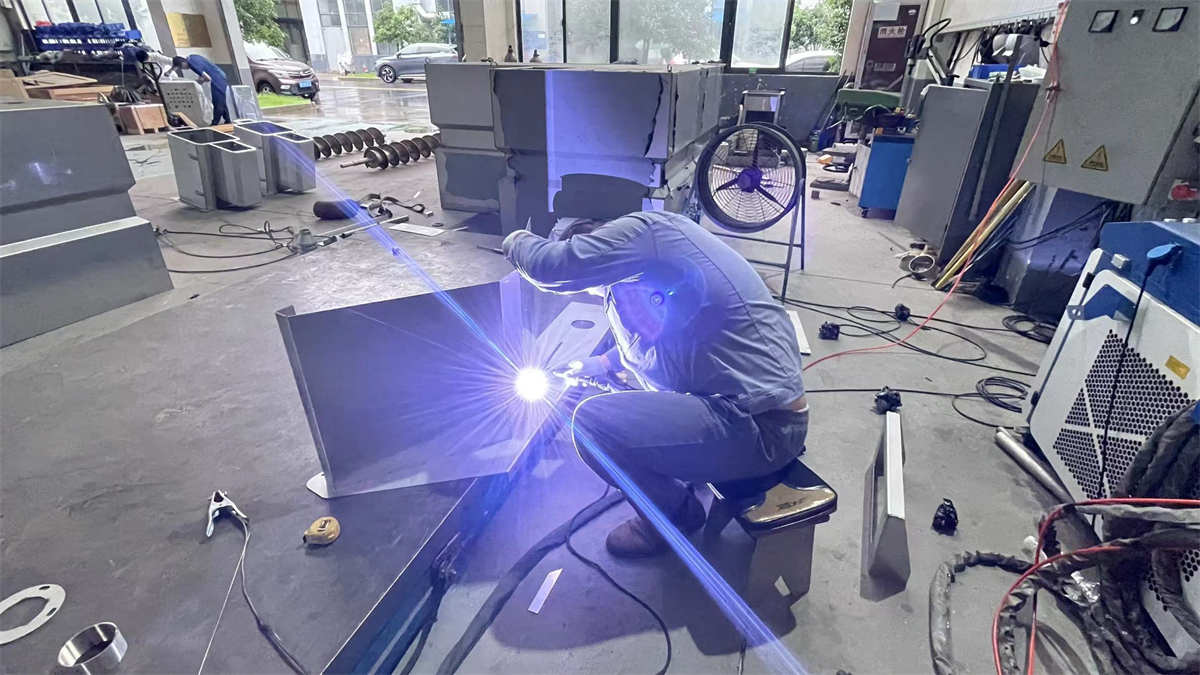
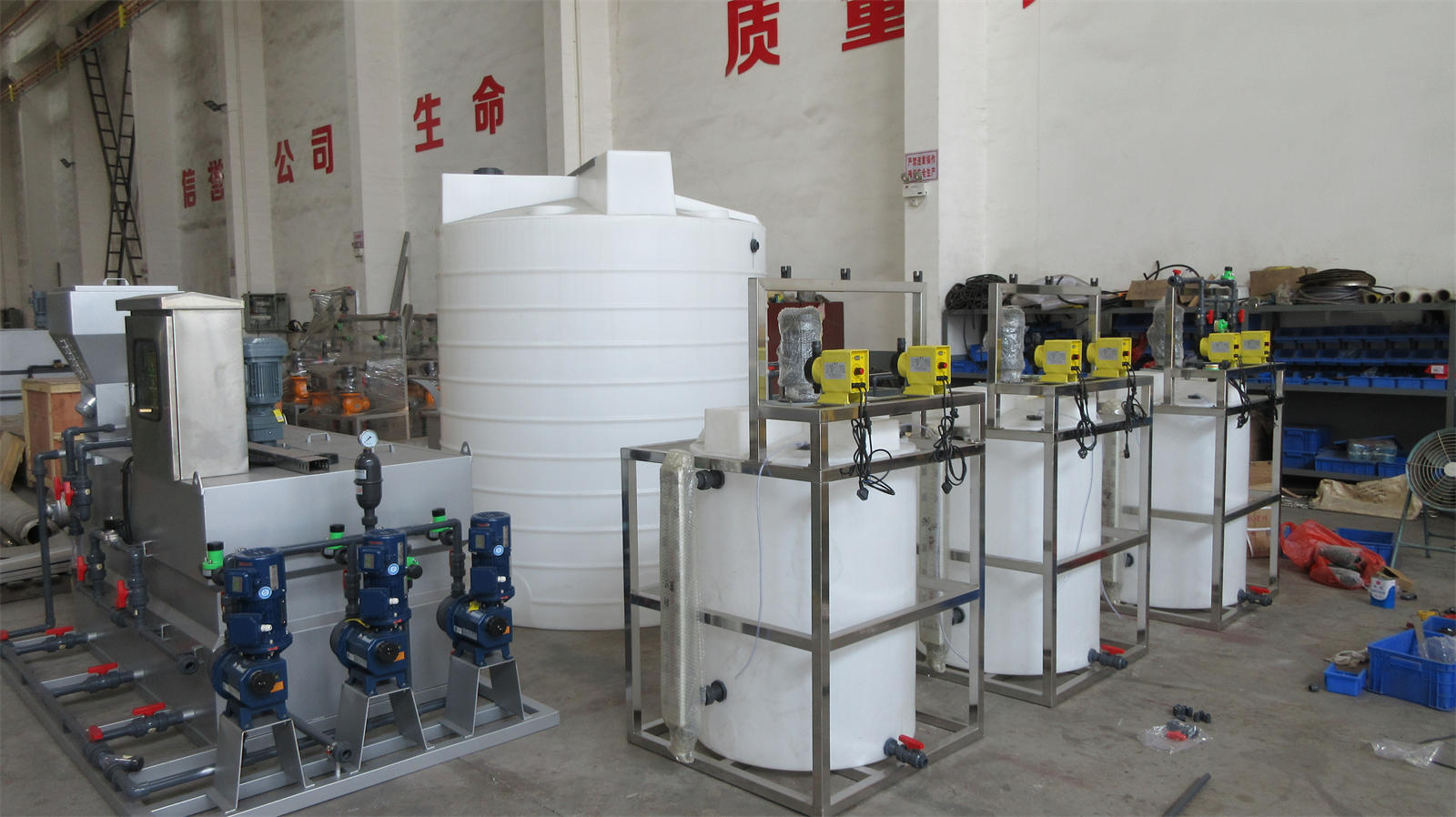
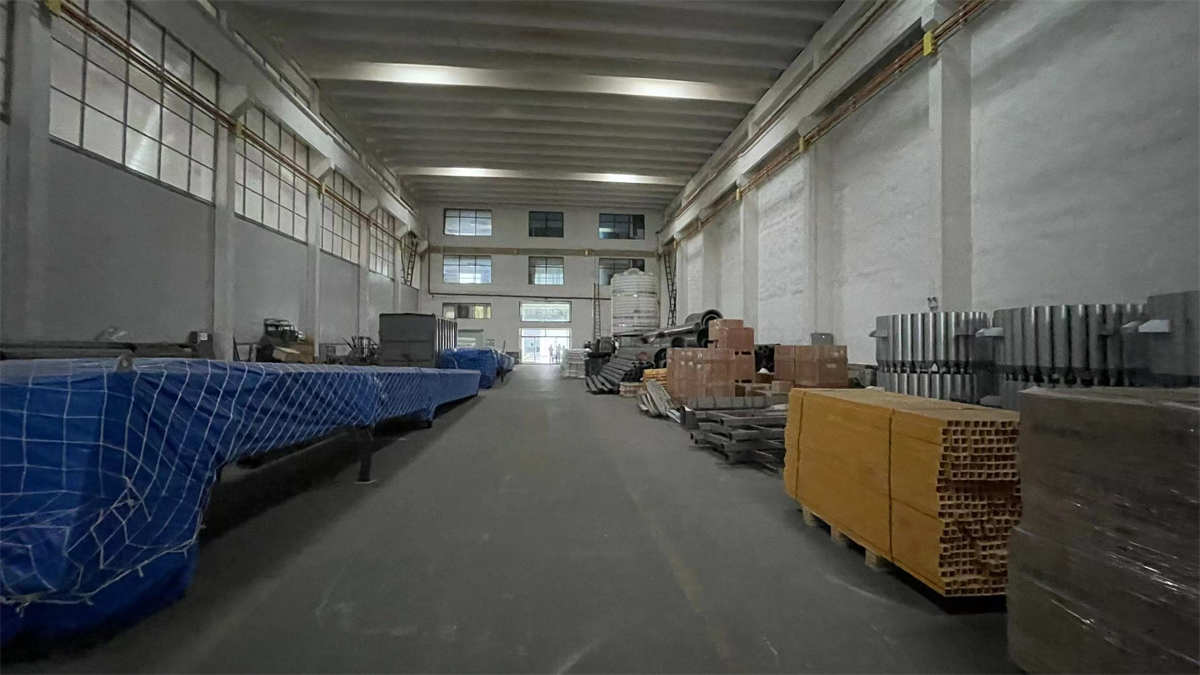
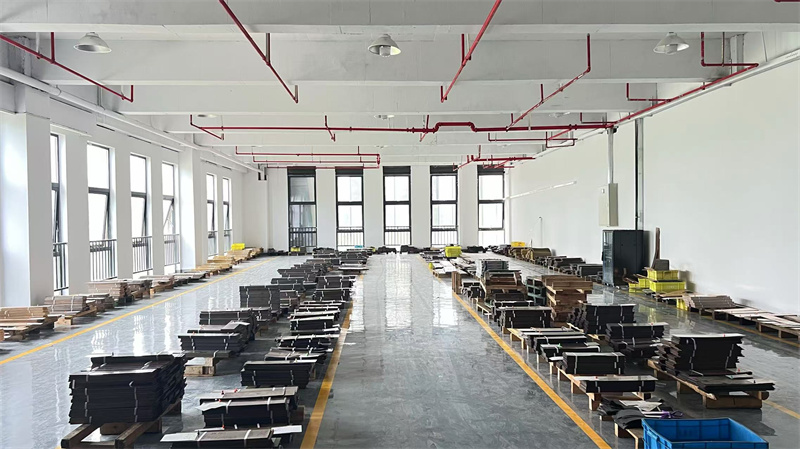
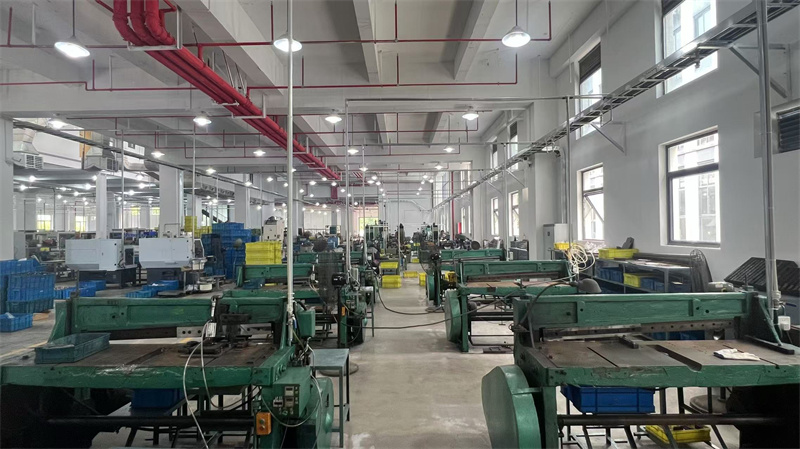
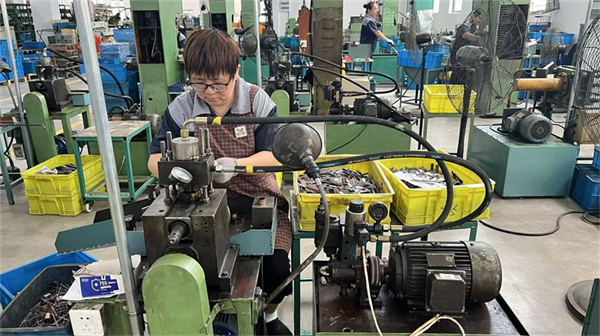
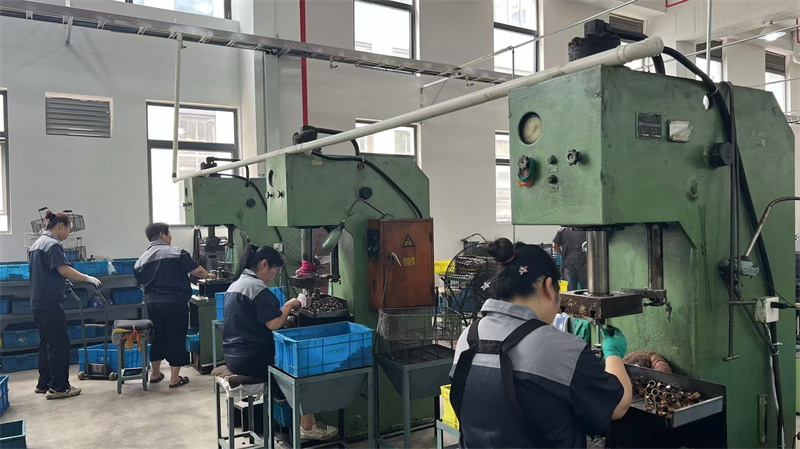
Changzhou Jovios Equipment Co., Ltd. is a professional manufacturer and solution provider specializing in solid-liquid separation and environmental protection equipment. Located in Changzhou National High-tech Industrial Development Zone, Jiangsu Province, China, the company operates a modern manufacturing base covering more than 50,000 square meters, equipped with advanced production facilities and a comprehensive quality inspection center.
Jovios independently designs, develops, and manufactures a complete range of filtration and separation equipment, including plate and frame filter presses, membrane filter presses, automatic filter presses, intelligent filtration systems, as well as high-performance filter plates and filter cloths. With an annual production capacity exceeding 1,000 units, our products are widely applied in municipal wastewater treatment, chemical processing, petroleum, mining, metallurgy, pharmaceuticals, food and beverage production, paper manufacturing, textile dyeing, ceramics, building materials, and many other industries.
In addition to filtration equipment, Jovios provides complete wastewater treatment solutions and engineering services. From process design and equipment selection to installation, commissioning, and operational support, we deliver turnkey wastewater treatment systems for both municipal and industrial customers worldwide.
Our experienced research and development team consists of more than 30 senior engineers and technical specialists. Through close cooperation with universities, research institutes, and industry partners, we continuously integrate innovative technologies into product development, ensuring reliable performance, higher efficiency, and sustainable operation.
Supported by a growing global sales and service network, Jovios offers comprehensive technical support throughout the entire project lifecycle. From initial consultation and system design to installation, training, and after-sales service, we are committed to providing responsive and professional support wherever our customers operate.
At Jovios, we are dedicated to delivering efficient, energy-saving, and environmentally responsible separation solutions for industrial customers worldwide. Through continuous innovation and customer-focused engineering, we help businesses improve productivity, reduce operating costs, and achieve sustainable growth.
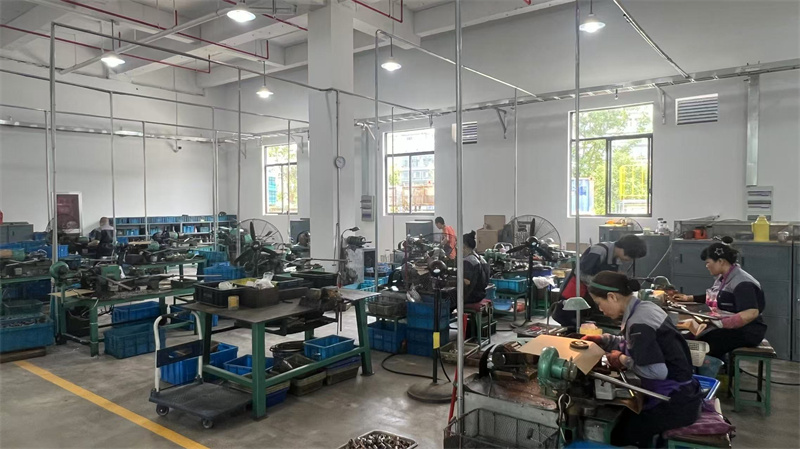
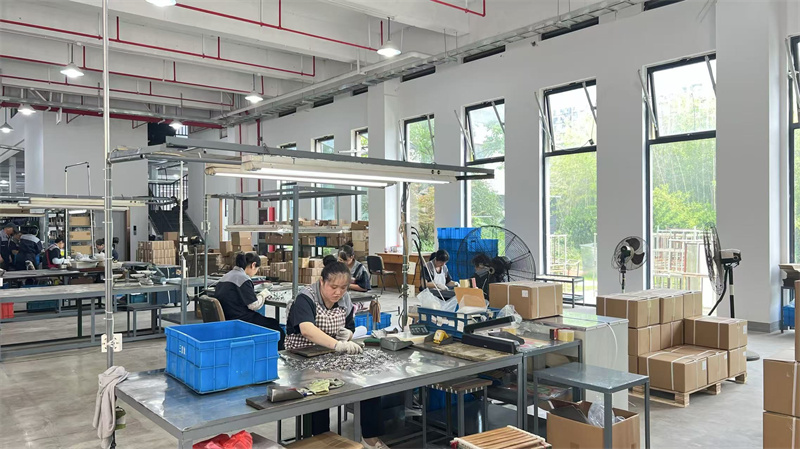
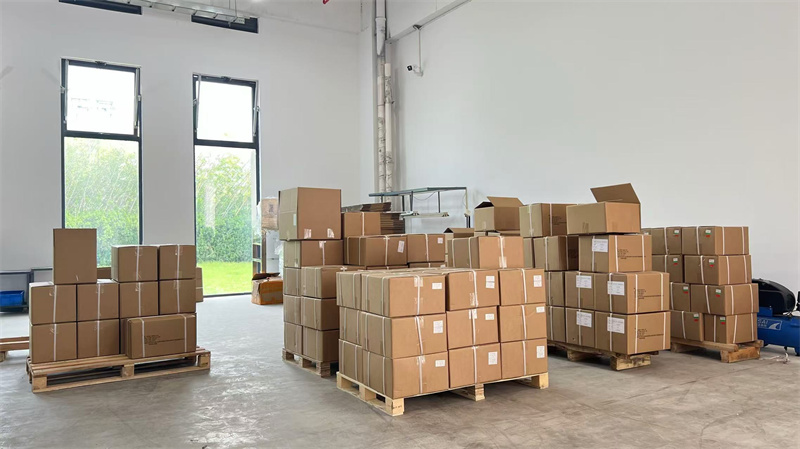
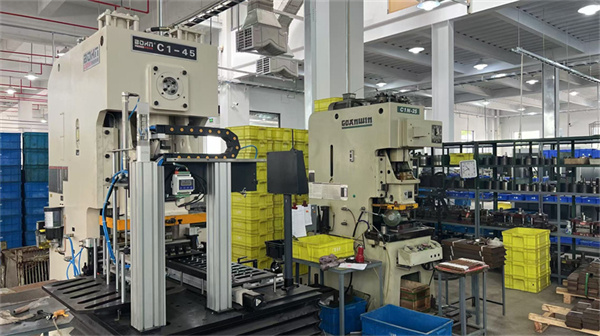
For UK procurement managers and engineering companies, importing laser cutting equipment and customized filter fabrics from specialized Chinese manufacturers like Jovios provides a significant competitive advantage. This advantage is built on several key factors:
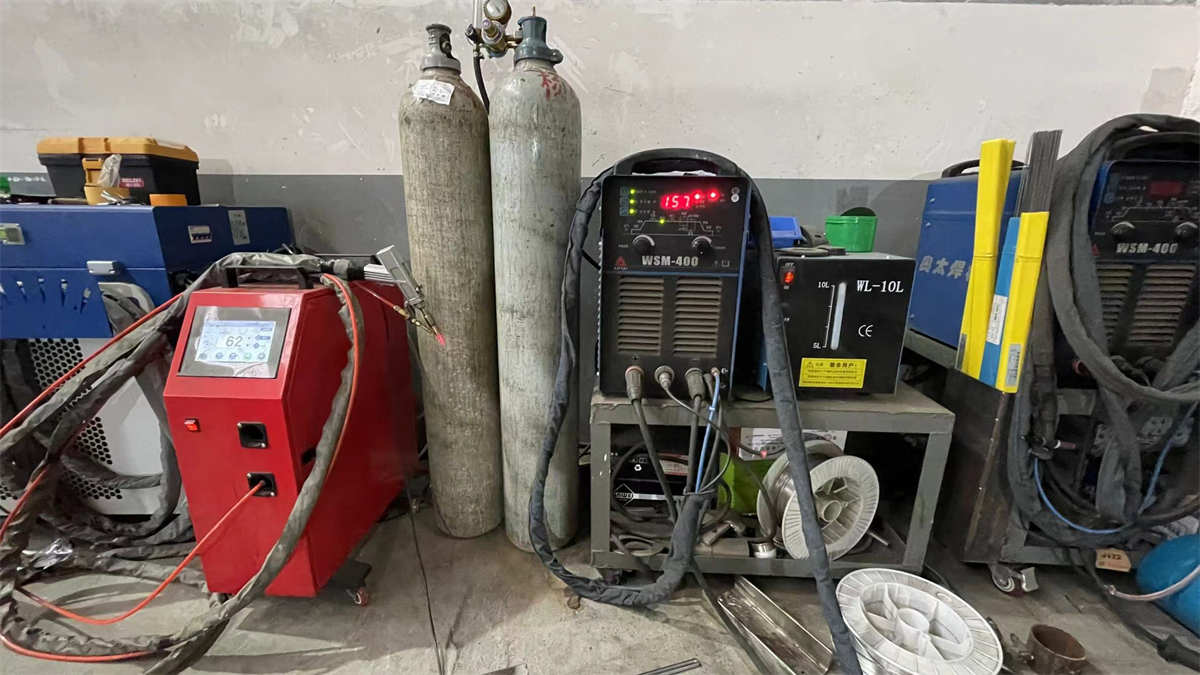
1. Scale-driven Cost Efficiencies: The industrial cluster of Jiangsu Province is the global center for both laser machinery and environmental separation equipment. Jovios integrates this entire value chain, from raw material selection to frame welding and laser optics testing. This allows us to supply equipment at a fraction of the cost of domestic UK alternatives without compromising on quality.
2. Customization and Dynamic Engineering: Filter fabrics are not one-size-fits-all. Different applications require specific yarn structures, air permeabilities, and micron ratings. Our 30-strong engineering R&D team works directly with UK clients, importing their CAD specifications (DXF/DWG files) to customize CNC paths, laser power curves, and auto-feed sequences.
3. Rigorous Quality Standards: The Jovios testing facility is equipped to measure weld penetration, tensile strength, laser alignment, and dimensional tolerances. This ensures that every shipped machine and fabric batch carries CE markings and complies with UKCA directives for safe operation.
To understand the value of precision-cut filter cloths, we must examine their deployment in key UK industrial sectors:
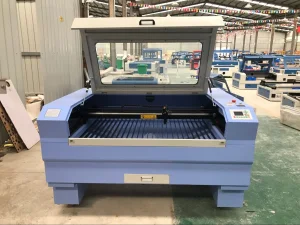
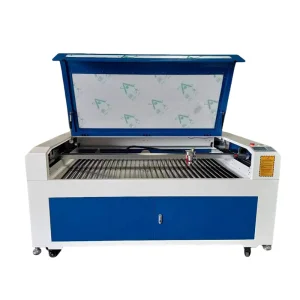
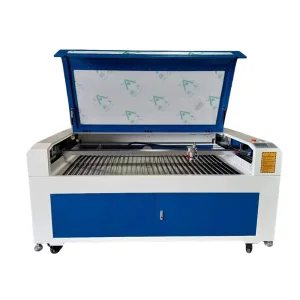
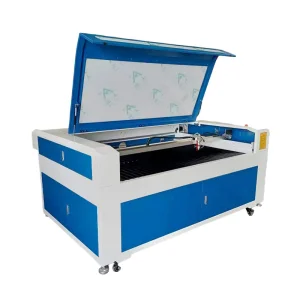
Premium CNC Laser Cutters and Engravers Engineered for High-Capacity Filter Fabric and Nonmetal Materials Processing
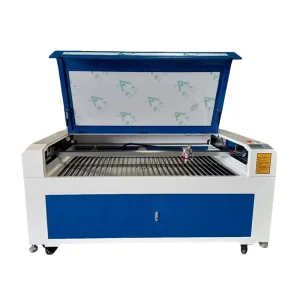
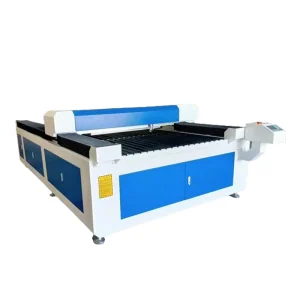
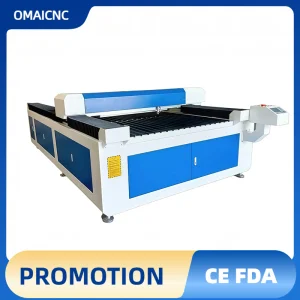
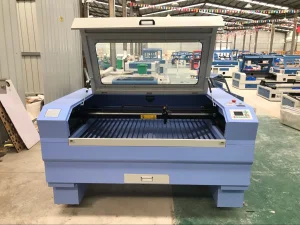
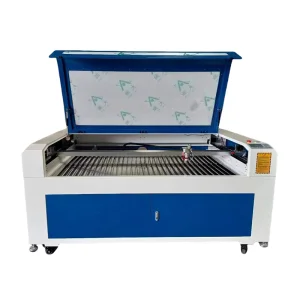
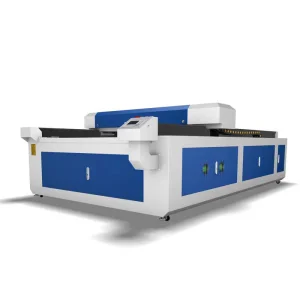
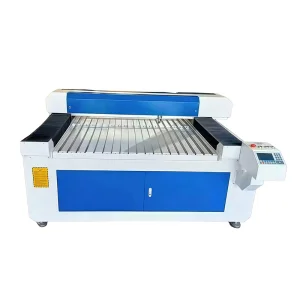
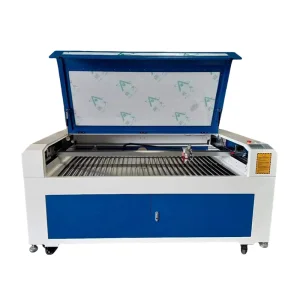
The industrial filtration sector is moving toward full automation. Large-scale municipal plants and chemical complexes require continuous operation with minimal human intervention. Jovios meets these needs with automated, end-to-end cutting solutions:
Auto-Feeding Laser Tables: Traditional manual feeding is slow and increases fabric handling errors. The Jovios auto-feeding laser system uses automated tension-controlled feed rollers. As the filter cloth rolls unwind, the CNC controller synchronizes feed speed with the cutting head, ensuring consistent tension and high precision on long textile runs.
Nesting Software: Material costs are a significant part of filter cloth fabrication, especially for advanced materials like PTFE. Jovios' nesting algorithms calculate the optimal arrangement of filter cloth profiles on the raw roll. This minimizes edge scrap and waste, reducing total material costs.
Dynamic Optical Path Correction: For large-format laser cutting (e.g., our 1300x2500 mm flatbed tables), maintaining consistent laser power across the entire processing field is crucial. Jovios systems use high-grade reflective mirrors and focal lens assemblies to prevent edge quality degradation at the workspace extremities, ensuring consistent thermal sealing across the entire cutting area.
To ensure a reliable and cost-effective supply chain when sourcing laser cutting machines or finished filter cloths from China, UK procurement teams should follow these guidelines:
Expert Engineering Clarifications on Fabric Laser Cutting Systems and Operations
CO2 laser cutting is a contactless, thermal process. Mechanical cutting tools compress and pull at the woven fibers, leading to frayed edges and inaccurate cuts. Laser cutting instantly vaporizes the material along the cut path, melting the warp and weft yarns together. This creates a clean, sealed edge that prevents yarn slippage and bypass leakage under high filtration pressures.
For standard filter fabrics under 500 g/m², an 80W or 100W CO2 laser tube provides excellent cutting speeds and edge quality. For heavier needle felts, double-woven fabrics, or thick multi-filament media up to 1200 g/m², we recommend a 130W or 150W CO2 laser. The higher power cuts through the fabric faster, preventing excess heat buildup and producing a cleaner edge seal.
Yes. Jovios CO2 laser cutting systems are highly versatile non-metal processing machines. They can cut and engrave acrylic, wood, leather, foam, plywood, glass, and technical rubbers. This versatility makes them valuable for UK manufacturing facilities that process both filtration media and general industrial materials.
The auto-feeding system replaces manual fabric positioning. Roll-fed materials are continuously fed onto a conveyor bed, synced with the cutting software. This enables continuous cutting of long filter cloth runs, reduces load times, and minimizes alignment errors. It is an ideal setup for high-volume UK fabricators.
Jovios machines are designed and certified to meet CE and UKCA standards. They feature fully enclosed cutting cabinets, safety interlocks, and dedicated exhaust ports to connect to industrial filtration systems, ensuring compliance with local COSHH regulations.
 Jovios Equipment