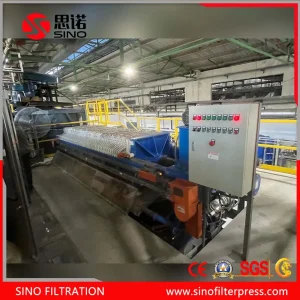
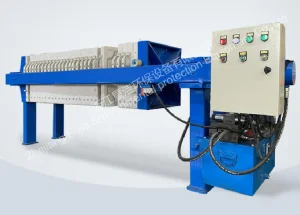
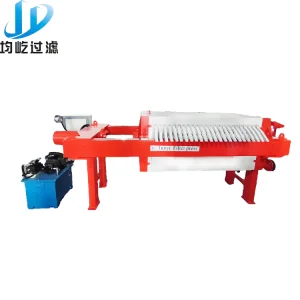
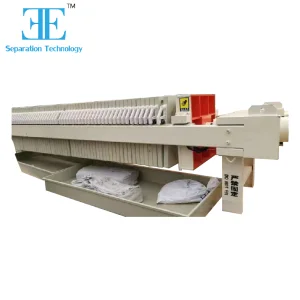
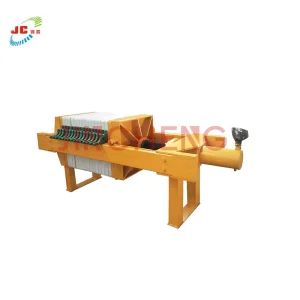
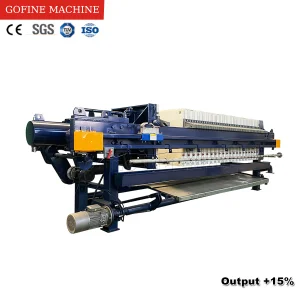
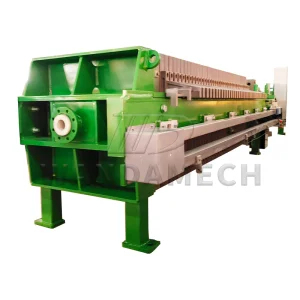
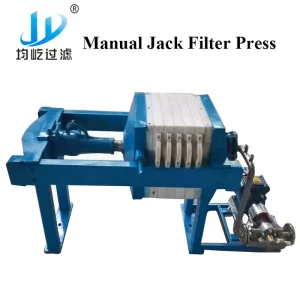
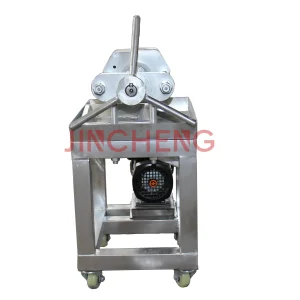
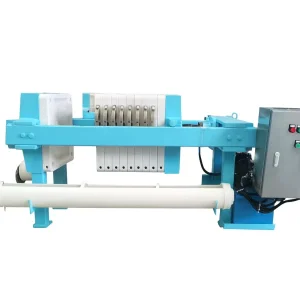
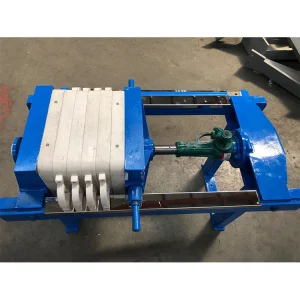
High-efficiency manual systems tailored for local industrial effluent standards.
As Bangladesh cements its position as the world's second-largest Ready-Made Garment (RMG) exporter, the industrial sector faces unprecedented pressure to implement robust Effluent Treatment Plants (ETP). The Bangladesh Department of Environment (DoE) has tightened regulations regarding sludge disposal, making the Manual Filter Press an essential asset for thousands of factories in Gazipur, Narayanganj, and Chittagong.
For many Small and Medium Enterprises (SMEs) in Bangladesh, a manual filter press offers the perfect balance between capital expenditure (CAPEX) and operational efficiency. These systems are specifically engineered to handle high-volume sludge from textile dyeing, tannery processing, and pharmaceutical manufacturing, converting liquid waste into manageable, low-moisture "filter cakes."
Meet strict DoE Bangladesh standards for Zero Liquid Discharge (ZLD) and safe sludge disposal with 99% solid recovery.
Low maintenance and zero electricity consumption for manual clamping models, ideal for regions with unstable power grids.
Corrosion-resistant frames designed to withstand the high humidity and chemical exposure common in South Asian factories.
While "manual" suggests simplicity, the modern manual filter press incorporates advanced fluid dynamics and material science. At Changzhou Jovios Equipment Co., Ltd., our technical roadmap focuses on three pillars of innovation for the Bangladesh market:
Global Leader in Solid-Liquid Separation Technology
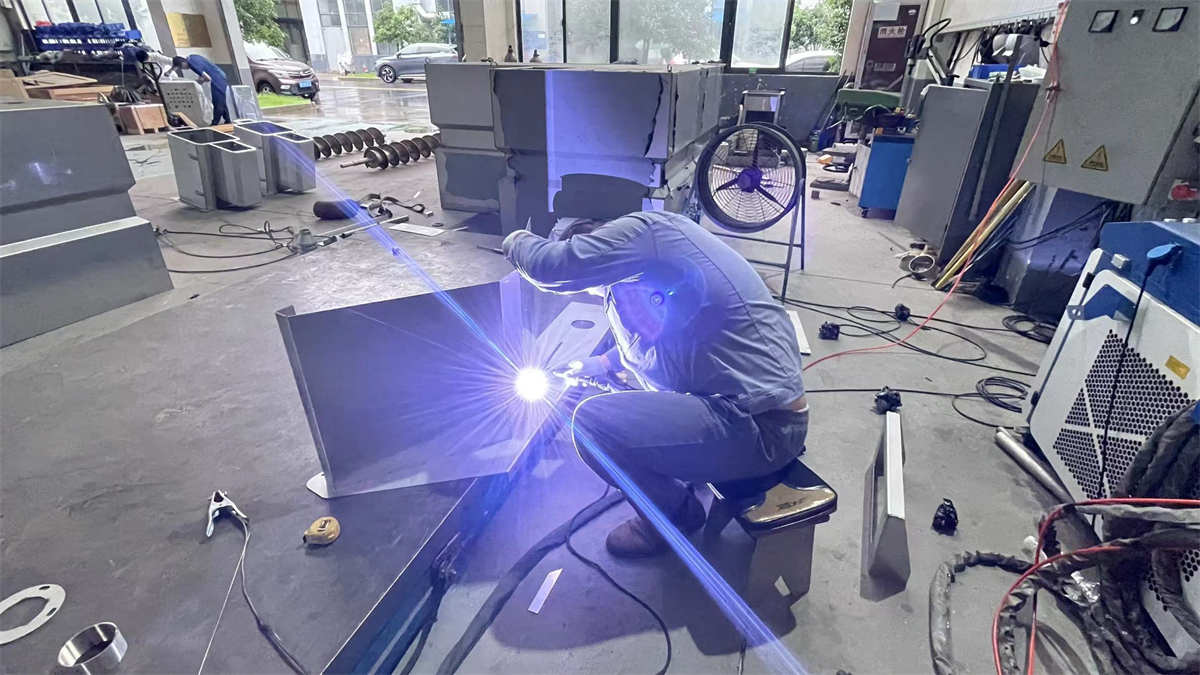
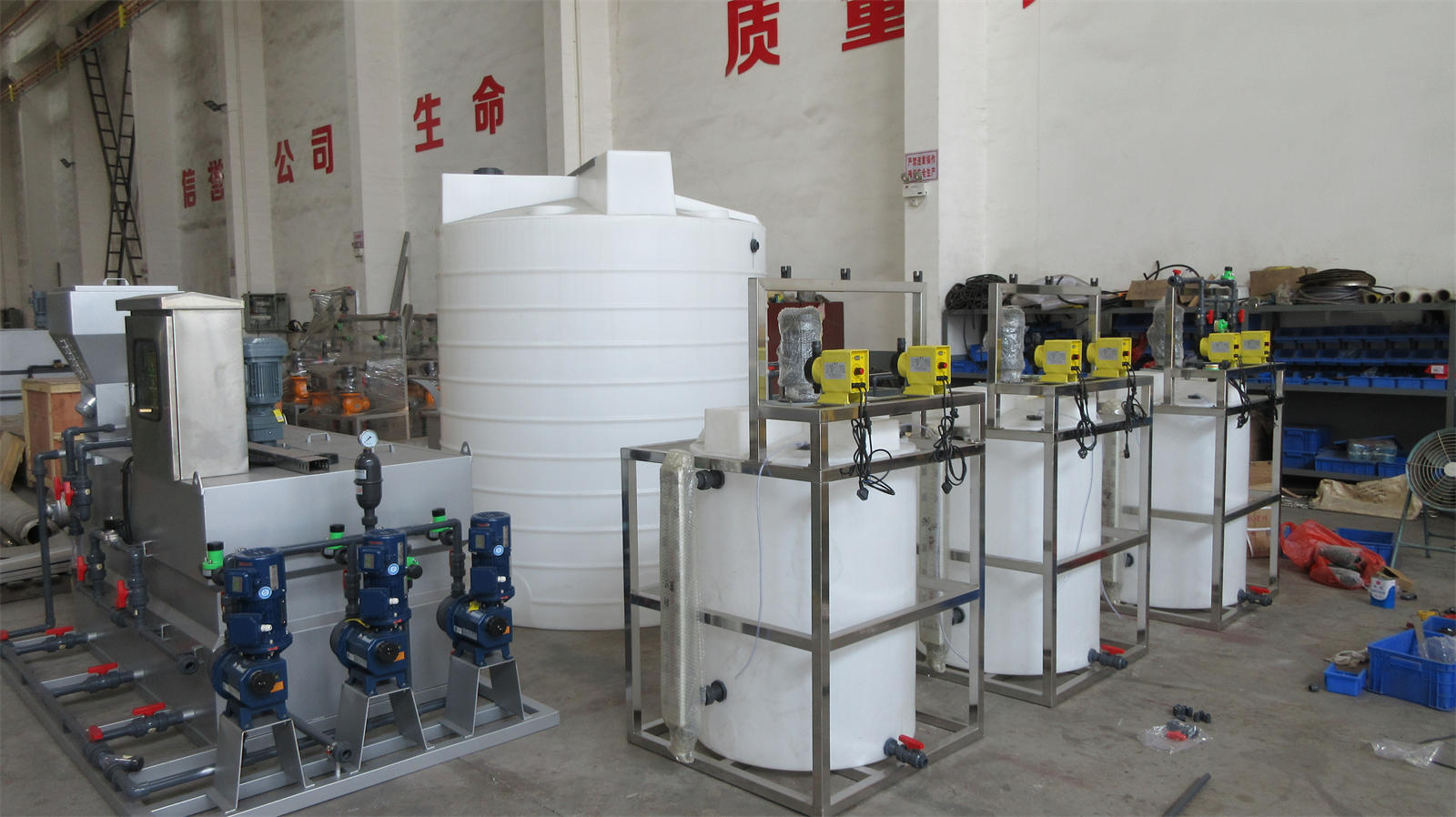
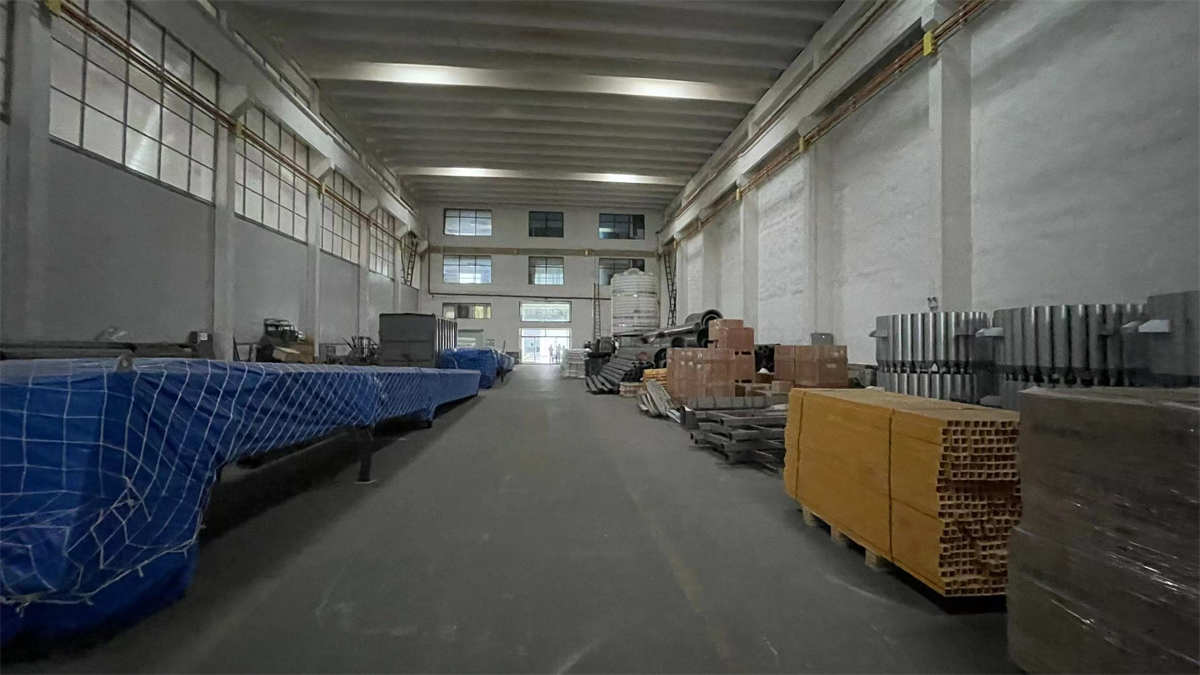
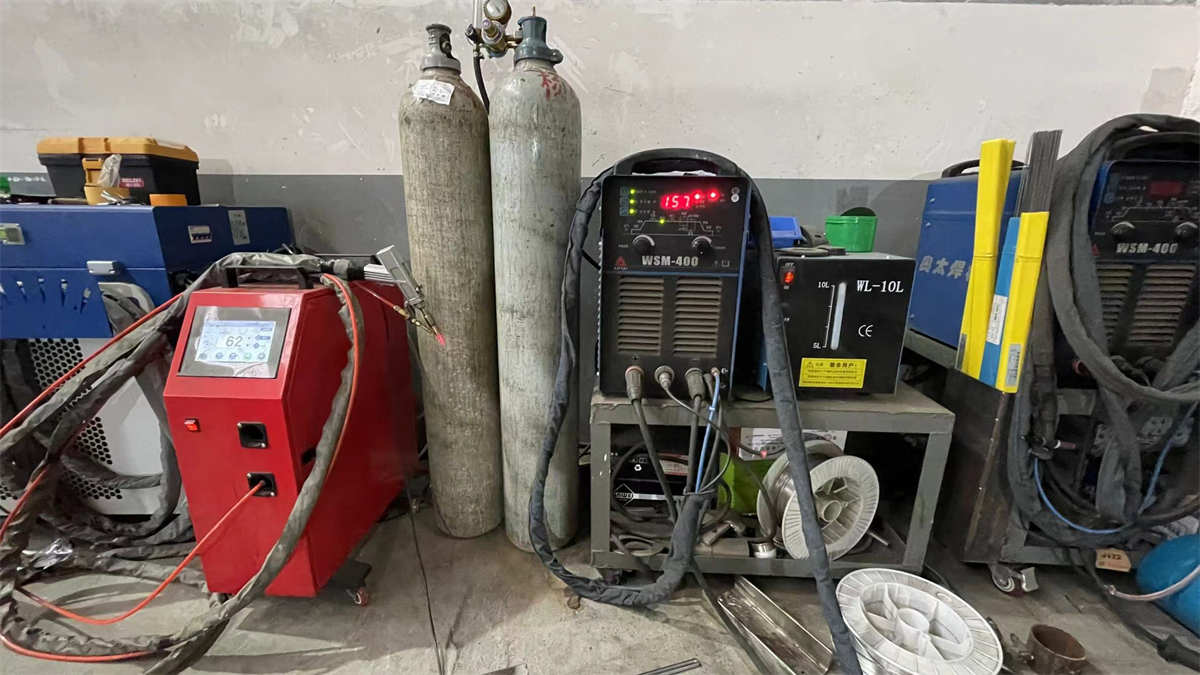
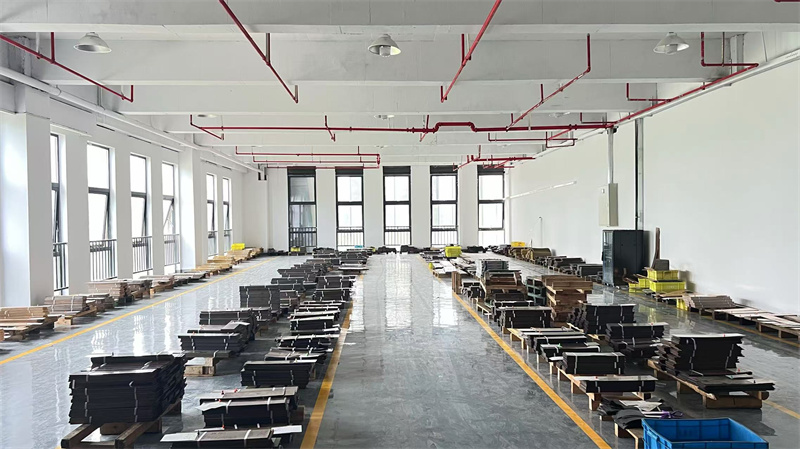
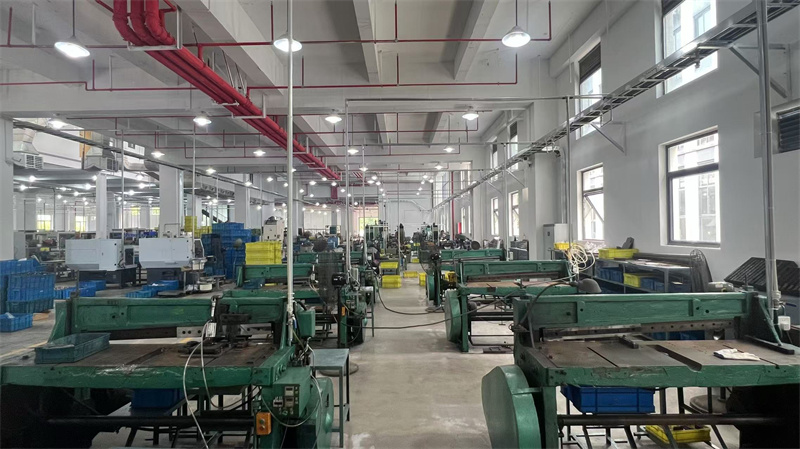
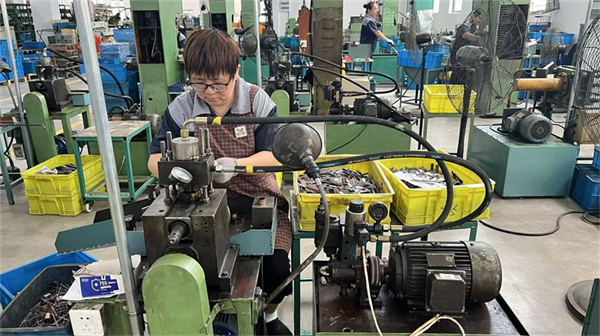
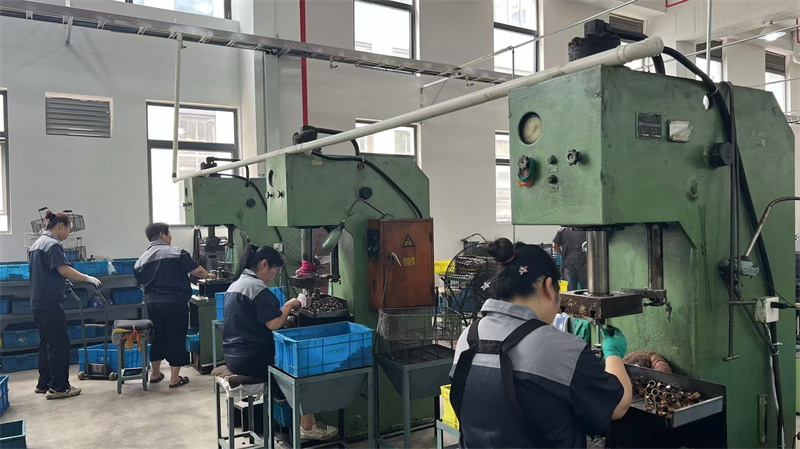
Changzhou Jovios Equipment Co., Ltd. is a professional manufacturer and solution provider specializing in solid-liquid separation and environmental protection equipment. Located in Changzhou National High-tech Industrial Development Zone, Jiangsu Province, China, the company operates a modern manufacturing base covering more than 50,000 square meters, equipped with advanced production facilities and a comprehensive quality inspection center.
With an annual production capacity exceeding 1,000 units, our products are widely applied in municipal wastewater treatment, chemical processing, petroleum, mining, metallurgy, pharmaceuticals, food and beverage production, paper manufacturing, textile dyeing, ceramics, building materials, and many other industries. In Bangladesh, we have partnered with major textile groups to deliver turnkey wastewater treatment systems.
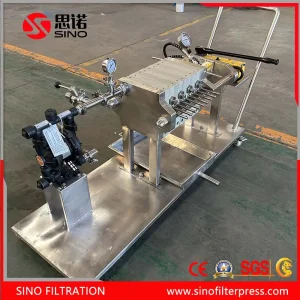
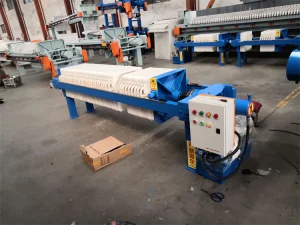
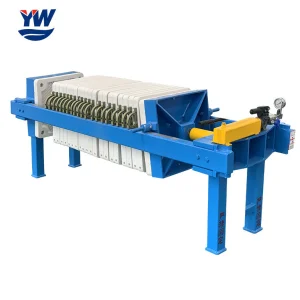
Explore our full range of industrial and laboratory-grade manual presses.
Contact our technical engineers today for a customized sludge treatment proposal and competitive quotation.
Request a Free Quote Now Jovios Equipment