Explore our CE-certified selection of precision filter media, automatic mechanical plate presses, and advanced membrane bioreactor systems designed to optimize industrial separation processes.
The transition toward zero-liquid discharge (ZLD) paradigms and strict safety directives makes standardized mechanical filtration techniques mandatory. In hazardous and highly corrosive environments, matching target separation efficiency with strict safety compliance is a key operational challenge.
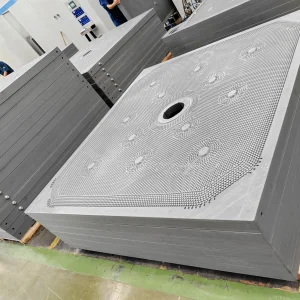
In chemical processing plants across the European Union and global markets, filtration machinery operates under extreme hydrostatic pressures and chemical exposures. The CE Mark indicates compliance with the Machinery Directive (2006/42/EC), Low Voltage Directive (2014/35/EU), and pressure vessel guidelines. This guarantees that frame assemblies, hydraulic units, and high-pressure polypropylene filter plates can withstand operational stresses without component fatigue or risk of catastrophic leaks.
Furthermore, safety integration extends to explosive atmosphere protection (ATEX directive compliance), particularly during solvent-based processes or organic chemical extractions. Selecting certified equipment ensures electrical grounding, non-sparking mechanisms, and structural resilience.
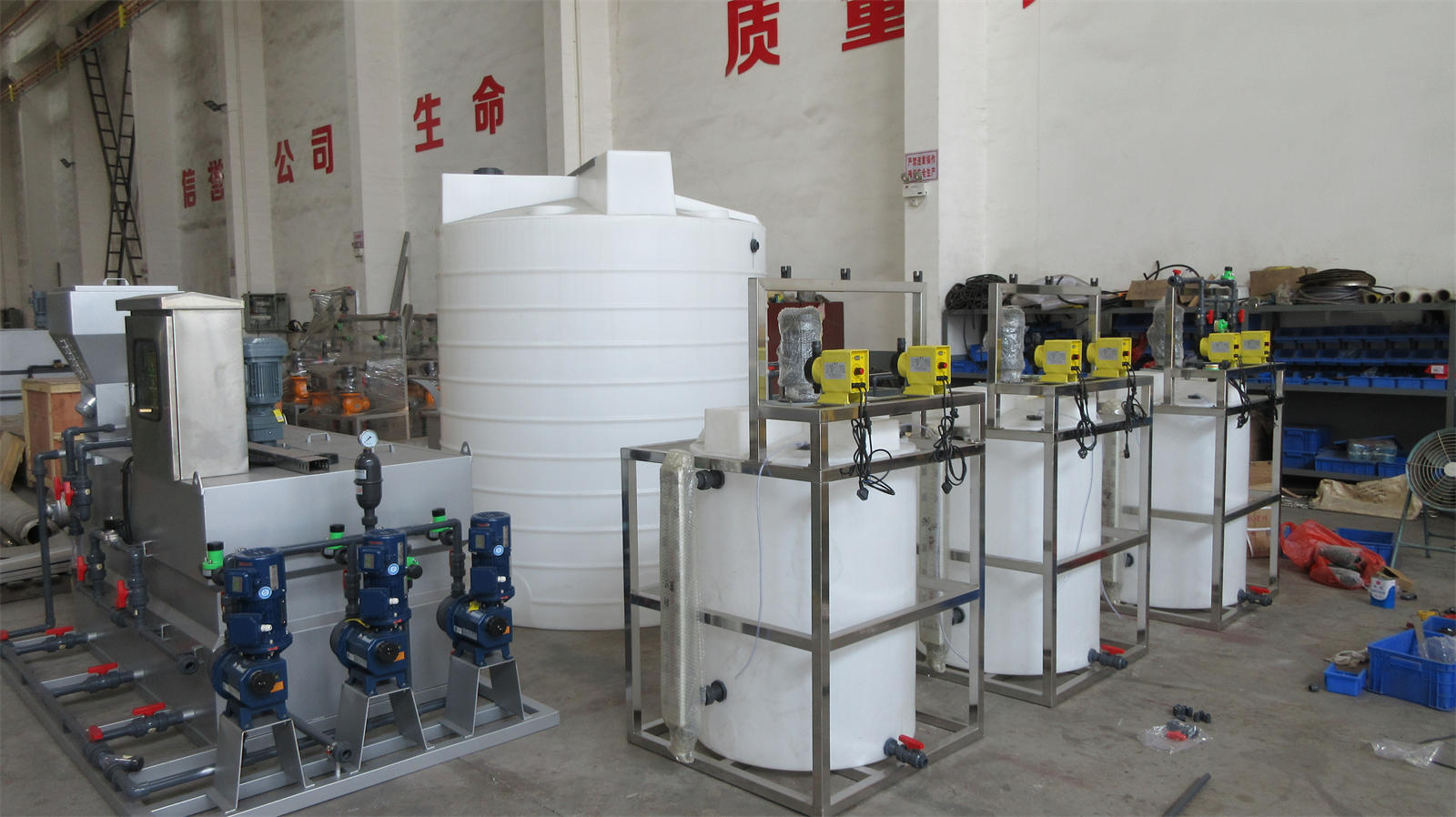
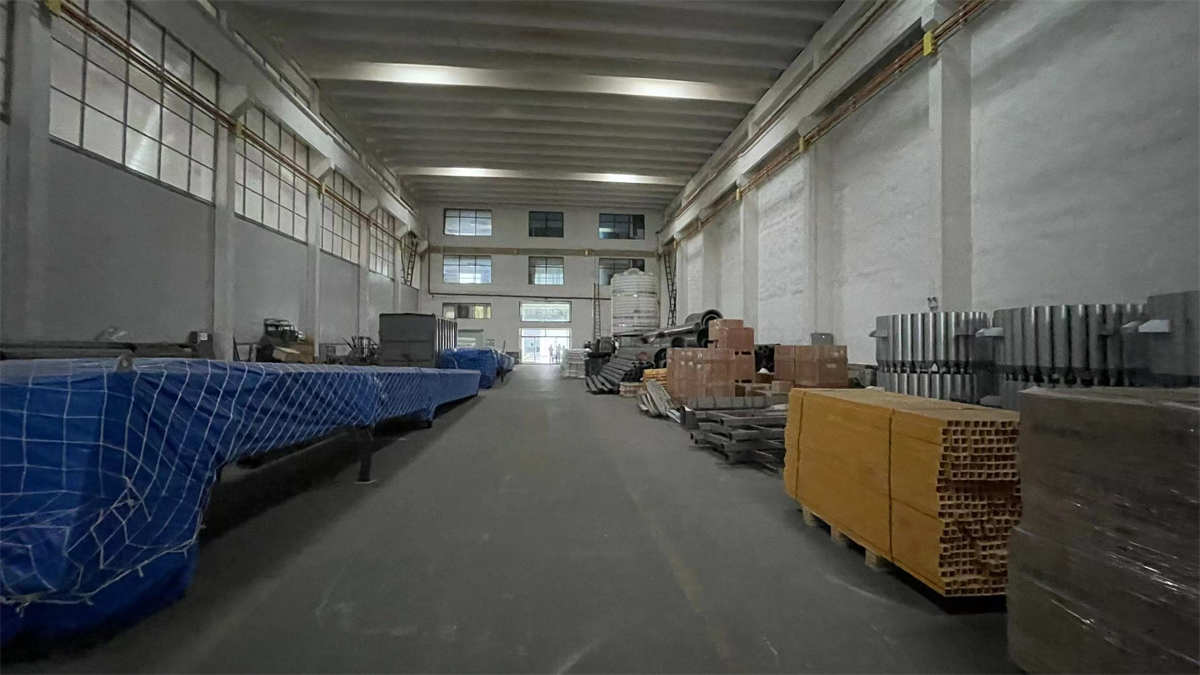
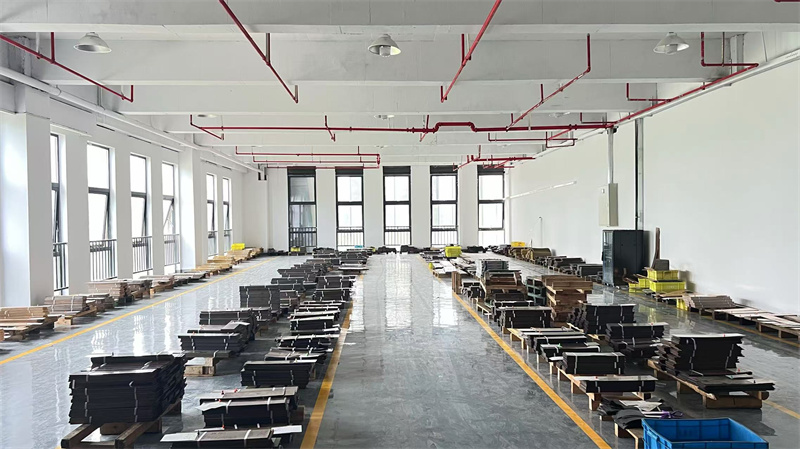
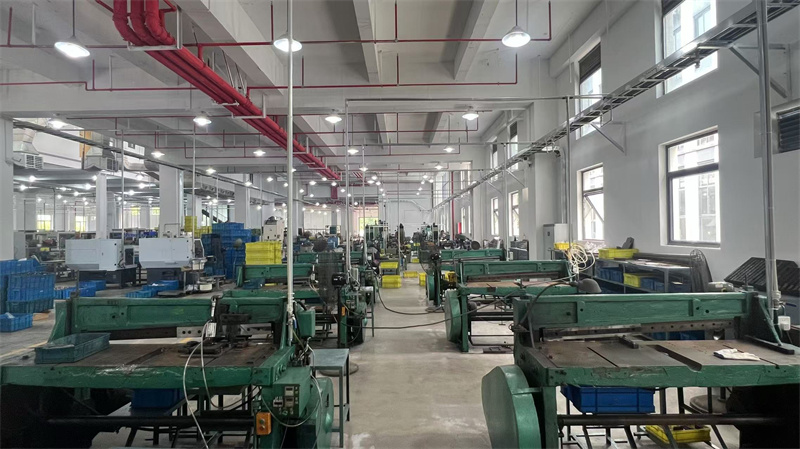
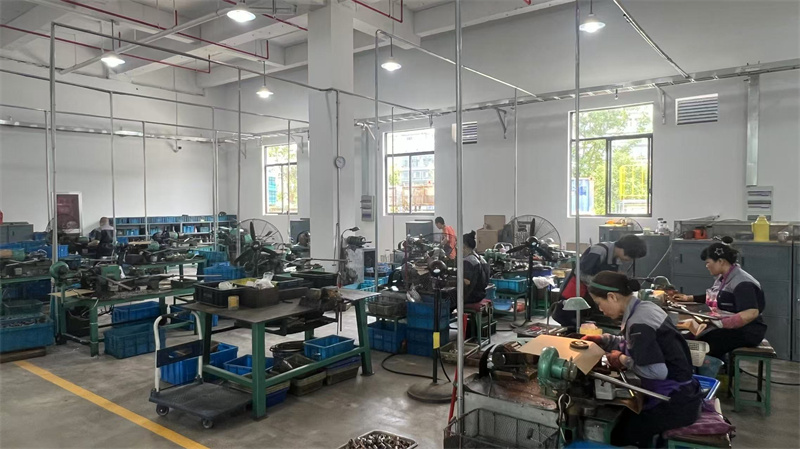
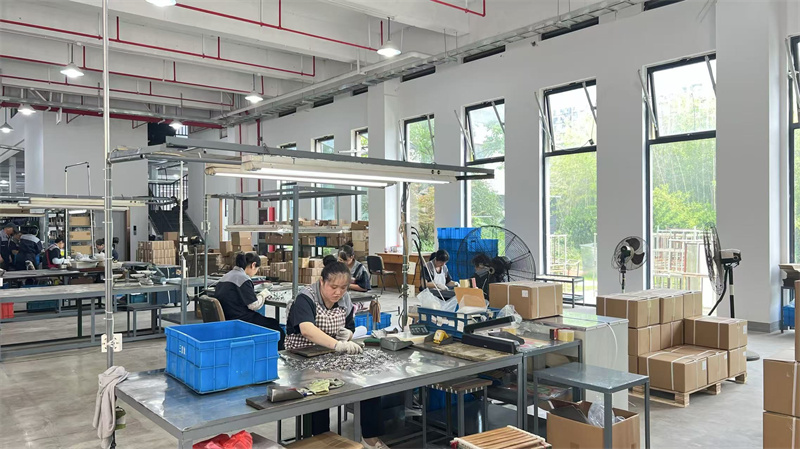
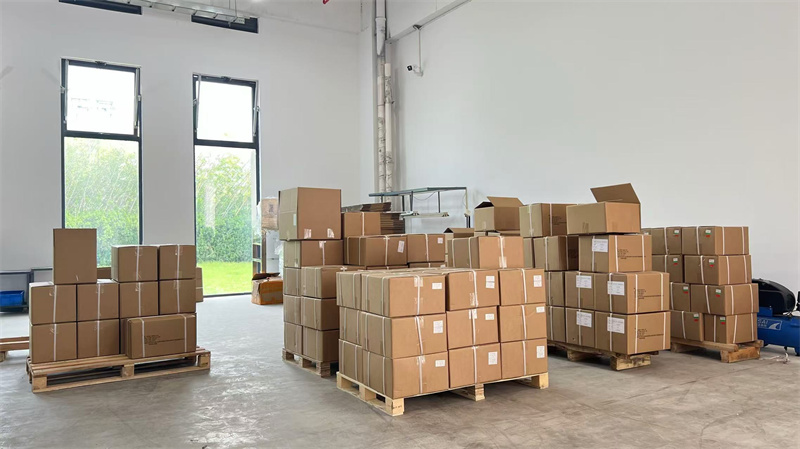
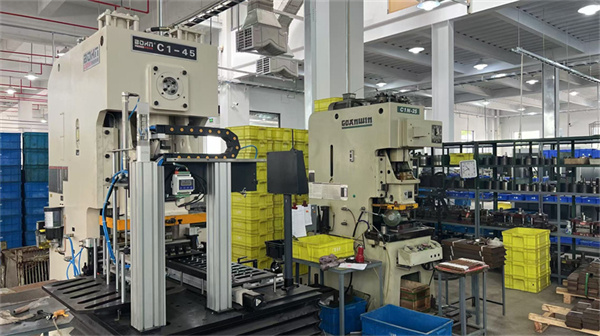
A specialized manufacturer and solution provider focused on industrial solid-liquid separation and environmental protection systems. Operating from the Changzhou National High-tech Industrial Development Zone in Jiangsu Province, China, our modern production base spans over 50,000 square meters.
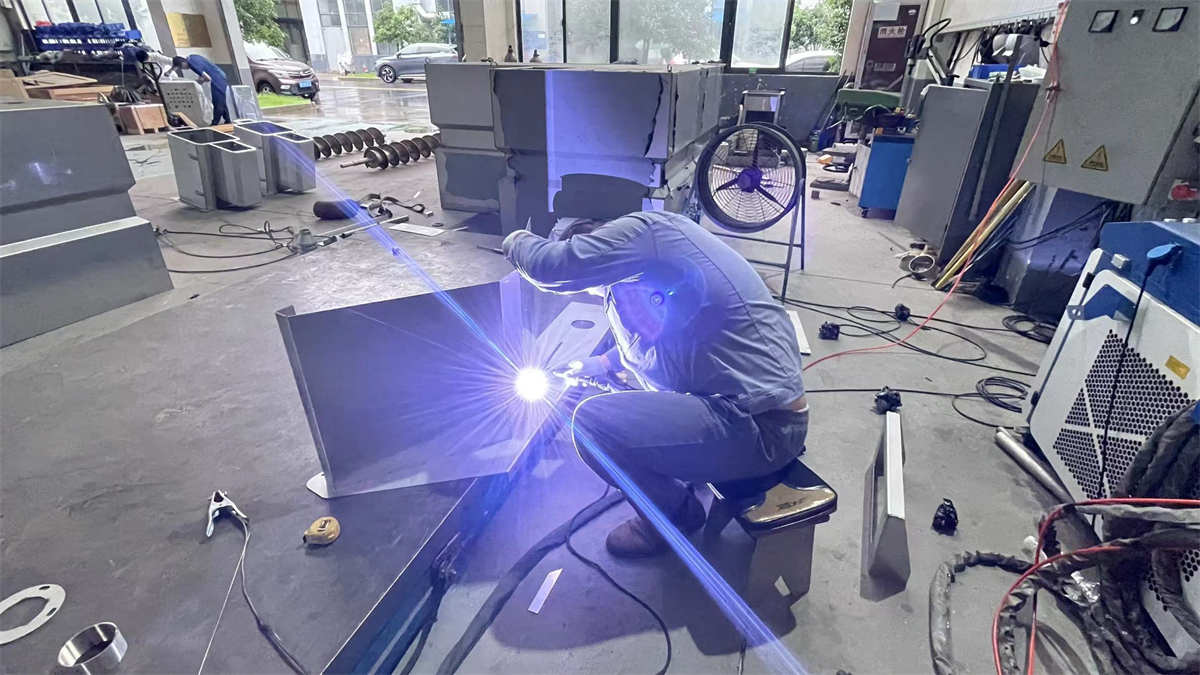
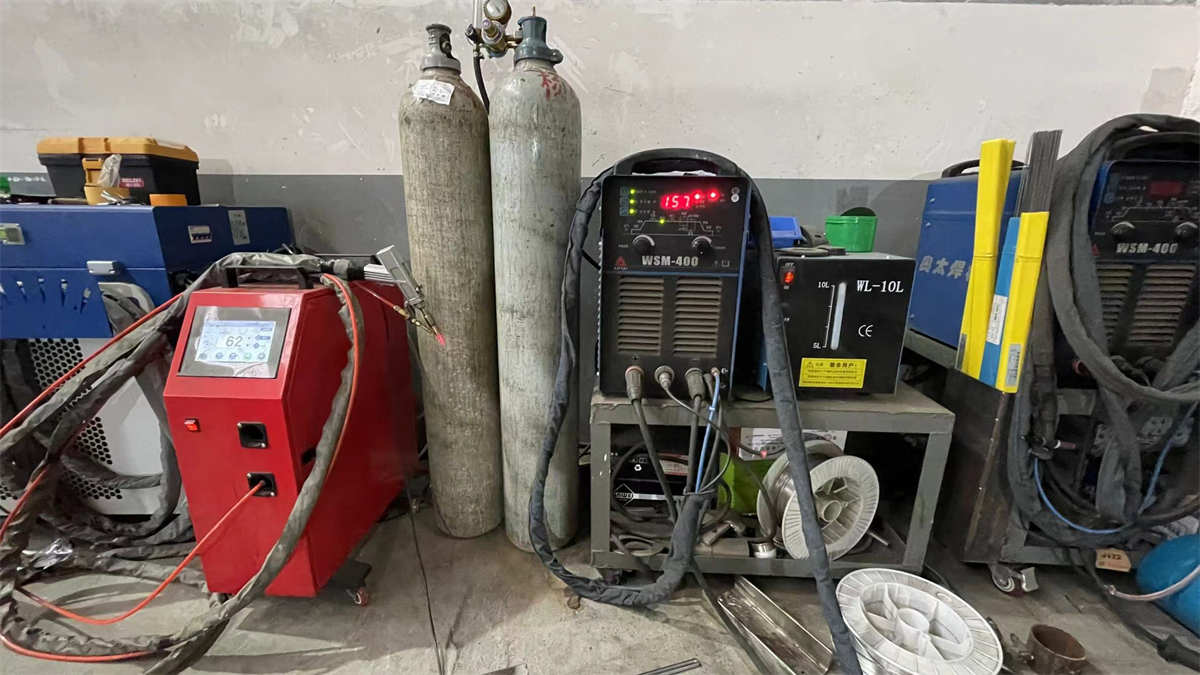
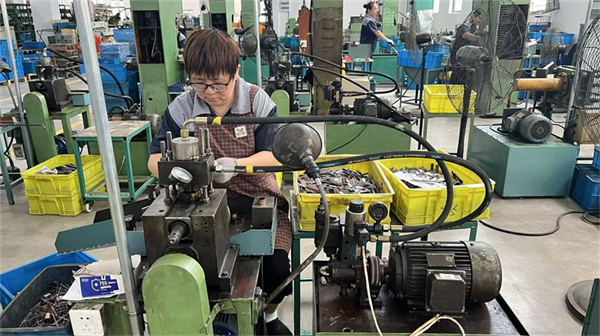
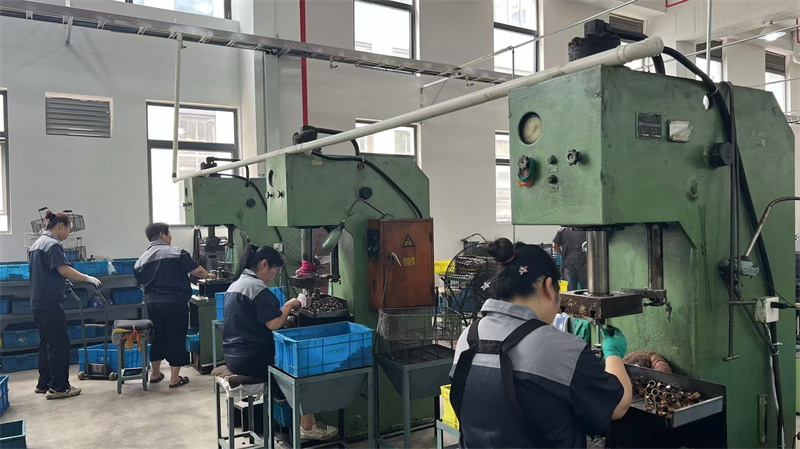
Our manufacturing facility features vertically integrated production processes. Every phase—from raw steel cutting to final pressure testing—is managed in-house to guarantee structural integrity.
Industrial separation demands are evolving toward higher dry solid consistency, lower chemical consumption, and smart automation.
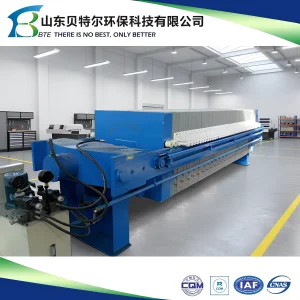
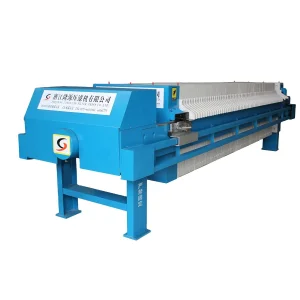
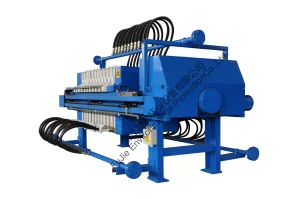
Modern systems utilize automatic membrane plate designs to achieve secondary mechanical squeeze dehydration. By introducing air or water pressure up to 1.6-2.0 MPa into the membrane chambers, wet filter cakes undergo deformation, forcing capillary liquids out. This reduces drying energy demands and yields cake moisture percentages below 20%.
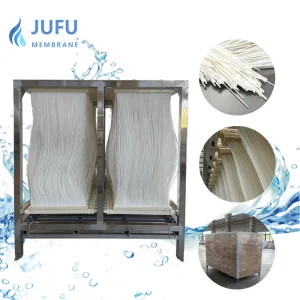
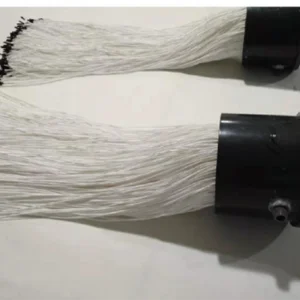
Submerged membrane bioreactor (MBR) modules featuring hollow-fiber designs are increasingly used in biological industrial wastewater treatment. Constructed from durable materials like PTFE, these microfiltration assemblies provide chemical stability against strong solvents and organic loads, maintaining operational flux rates in harsh conditions.
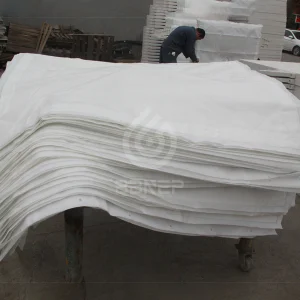
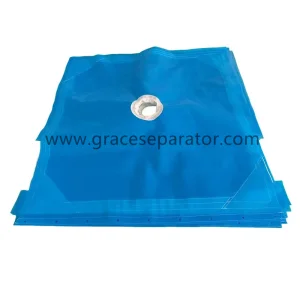
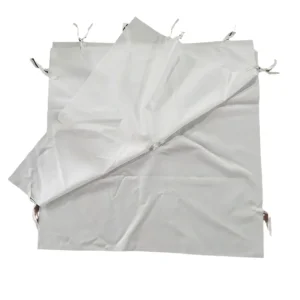
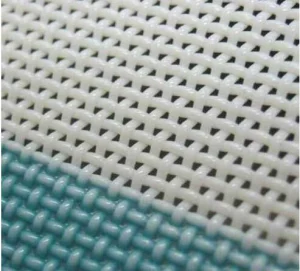
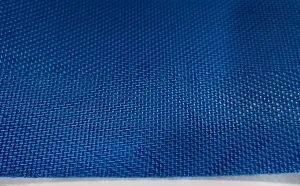
Filter cloth performance is critical to clear filtrate capture. Utilizing precise laser-cutting techniques prevents fraying and keeps dimensions stable under load. Advanced synthetic fibers (such as monofilament PP or specialized PPS needle felts) are designed to provide rapid cake discharge and chemical resistance in acidic or alkaline environments.
Analyzing how industrialized regions implement automated filtration and leverage Chinese supply chain capacity.
Industrial hubs like the Changzhou National High-tech Zone leverage concentrated manufacturing ecosystems. Direct access to raw materials, proximity to specialized steel suppliers, and localized tooling centers minimize production overheads. This vertical integration allows Jovios to deliver customized designs—spanning plate sizes from 470mm to 2000mm—with shorter lead times than international competitors.
By maintaining extensive inventories of polypropylene raw materials and finished plate designs, production workflows are shielded from global supply chain disruptions.
How Jovios manages long-term field support, system testing, and compliance documentation for global operations.
Every process line has unique filtration dynamics. Jovios engineers utilize computerized 3D models and pilot-scale testing of chemical slurries to determine optimal filtration areas, hydraulic clamping pressures, and wash cycles. This ensures that the supplied equipment integrates seamlessly into existing plant layouts.
Furthermore, materials test certificates (MTRs) and structural assessments are provided to confirm compliance with local environmental guidelines.
Solid-liquid separation systems require regular component maintenance. Jovios provides a reliable supply of replacement parts, including high-pressure polypropylene plates, filter cloths, gaskets, and hydraulic seal kits.
Our global service network supports field commissioning, operator training, and system optimization. Remote diagnostics are also available for automated, PLC-controlled units.
Detailed engineering answers to common technical queries about chemical filtration systems.
For highly acidic environments (pH 0–4) operating at elevated temperatures, PTFE (Polytetrafluoroethylene) and specialized PPS (Polyphenylene Sulfide) needle felts are recommended. Under less extreme conditions, high-tenacity monofilament polypropylene provides excellent chemical resistance and smooth cake discharge.
A standard chamber press relies solely on the feed pump's pressure to form the cake. In contrast, a membrane press introduces an inflation medium (water or compressed air) behind a flexible plate membrane after the filtration cycle. This secondary squeeze applies physical pressure directly to the cake, forcing out interstitial liquid and reducing residual moisture by up to 15–25%.
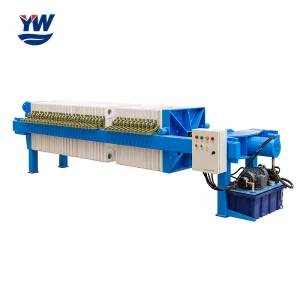
CE certification requires compliance with the Machinery Directive 2006/42/EC (covering mechanical safety, guards, and safety interlocks), the Low Voltage Directive 2014/35/EU for electrical panels, and the Pressure Equipment Directive (PED) 2014/68/EU for the hydraulic cylinders and pressurized plate chambers.
Laser cutting uses heat to seal the cut edges of synthetic fabrics like polypropylene and polyester. This prevent fraying during high-pressure wash cycles and ensures dimensional stability, maintaining a tight seal between plate surfaces to prevent edge leaks.
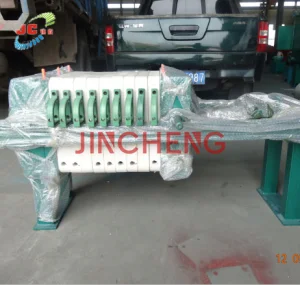
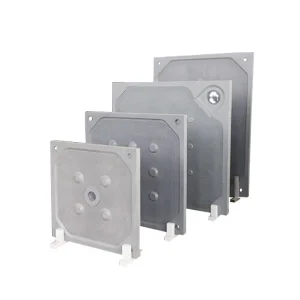
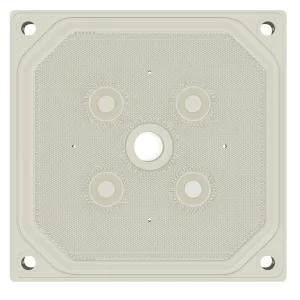
We manufacture standard and custom plate sizes ranging from 470mm x 470mm up to 2000mm x 2000mm. Options include recessed chamber plates, membrane squeeze plates, and plate-and-frame designs. These are constructed from virgin polypropylene to resist corrosion under industrial conditions.
Explore our range of replacement plates, spiral mesh belts, and heavy-duty automatic press units engineered for chemical, mining, and municipal sludge treatment applications.
 Jovios Equipment