China Top Membrane Filtration System Factories & Suppliers

High-Performance Solid-Liquid Separation Engineering, International Quality Compliance, and End-to-End Industrial Filtration Systems

Featured Hardware

Precision Separation Equipment & Filter Components

Explore our engineered membrane plates, premium media, and highly efficient automatic hydraulic filter presses.
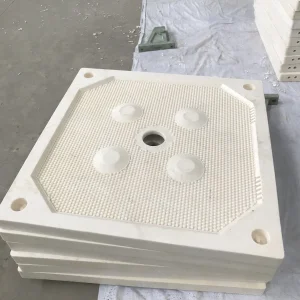
Recessed Type Filter Plate
Recessed Type Filter Plate, Customized Size Filter Plate in Filter Press Machine
View Technical Specifications
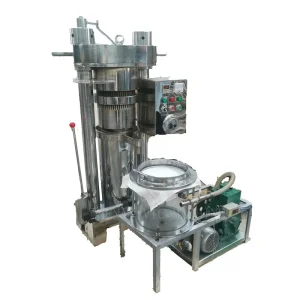
Automatic Oil Processing Machine
Multi-function Automatic Shea Cocoa Butter Oil Processing Machine Mustard Sesame Coconut Hydraulic Castor Oil Filter Press
View Technical Specifications
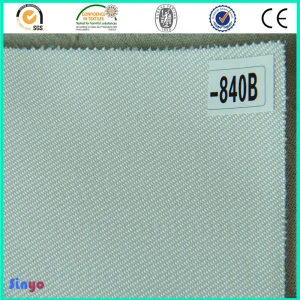
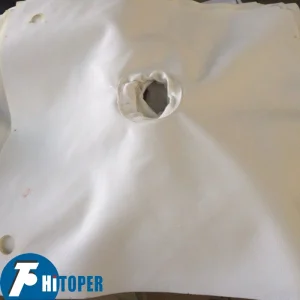
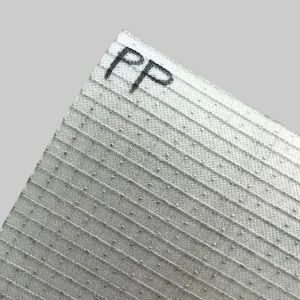
PP Filter Cloth
Factory Supply PP Filter Cloth for Filter Press/Filter Press Cloth
View Technical Specifications
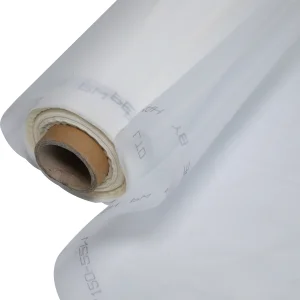
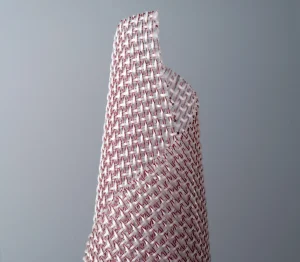
Nylon Mesh Filter Fabric
100% Nylon Polyamide 30D White Transparent Strong Nylon Netting Tulle Mesh Filter Fabric 150 Micron Nylon Monofilament Mesh
View Technical Specifications
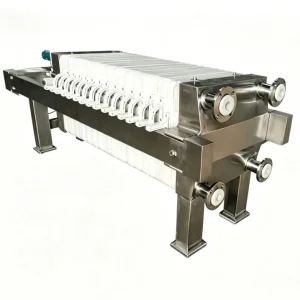
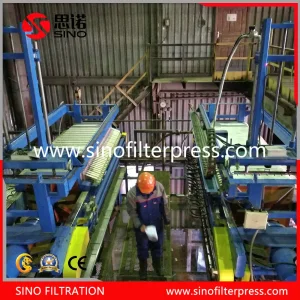
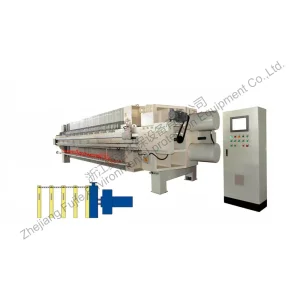
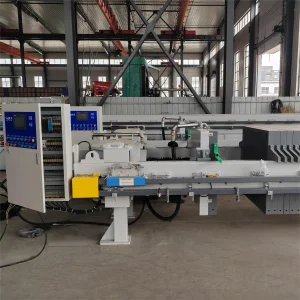
Automatic Chamber Filter Press
New Grape Seed Oil Purification Dehydration Automatic Chamber Filter Press Polypropylene Plates for Wastewater Sludge Treatment
View Technical Specifications
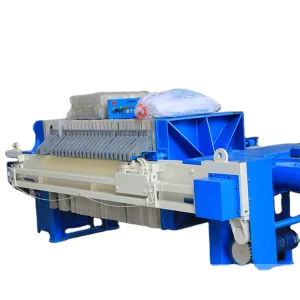
Automatic Hydraulic Chamber Filter Press
Automatic Hydraulic Chamber Filter Press Sludge Dewatering Filter Press
View Technical Specifications
China Automatic Hydraulic PP Membrane Filter Press
China Automatic Hydraulic PP Membrane Plate Filter Press
View Technical Specifications
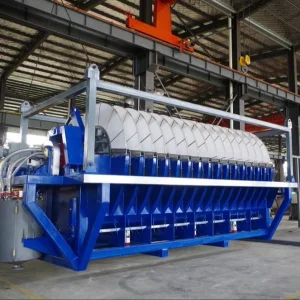
Ceramic Membrane Filter Plate
Durable Sector Ceramic Membrane Filter Plate High Quality Solid Separation Supplies for Mining
View Technical Specifications
Enterprise Scale

Why Leading Global Industries Partner with Us

Strategic engineering, robust manufacturing capacity, and strict international quality systems.

50,000+
Sqm Modern Facility
30+
Senior R&D Engineers
1,000+
Annual Systems Produced
100%
Customized Engineering

Engineering Excellence in Membrane Filtration Systems

Modern industrial separation projects demand systems that not only accelerate production cycles but also minimize energy consumption, achieve optimal cake dryness, and decrease labor overhead. The industrial membrane filtration system represents the pinnacle of modern mechanical solid-liquid separation. Unlike traditional chamber filter presses that rely solely on feed pump pressure to compact solids, a membrane filtration system introduces an secondary squeezing stage using high-pressure water or air. This physical process significantly reduces cycle times and pushes cake moisture down to levels unachievable by conventional compression methods.

Information Gain Insight: Selecting the correct membrane plates and filtration media is not merely a purchasing task but a chemical and mechanical matching challenge. A system matched incorrectly to the sludge's specific resistance or pH can degrade cake yield by up to 45% and shorten the life of components like the filter cloth.

Strategic Supply Chain Advantages of China's Filtration Manufacturing Clusters

China has established itself as the global epicenter for industrial filtration machinery production. The convergence of upstream raw material processing, precision tooling, and downstream automation technology has created a powerful ecosystem. Changzhou, situated in the heart of China’s high-tech industrial manufacturing belt, exemplifies this synergy.

Raw Material Integration

Direct sourcing of advanced polypropylene, high-grade structural steel, and specialized elastomers ensures stability and cost control.

State-of-the-Art Machining

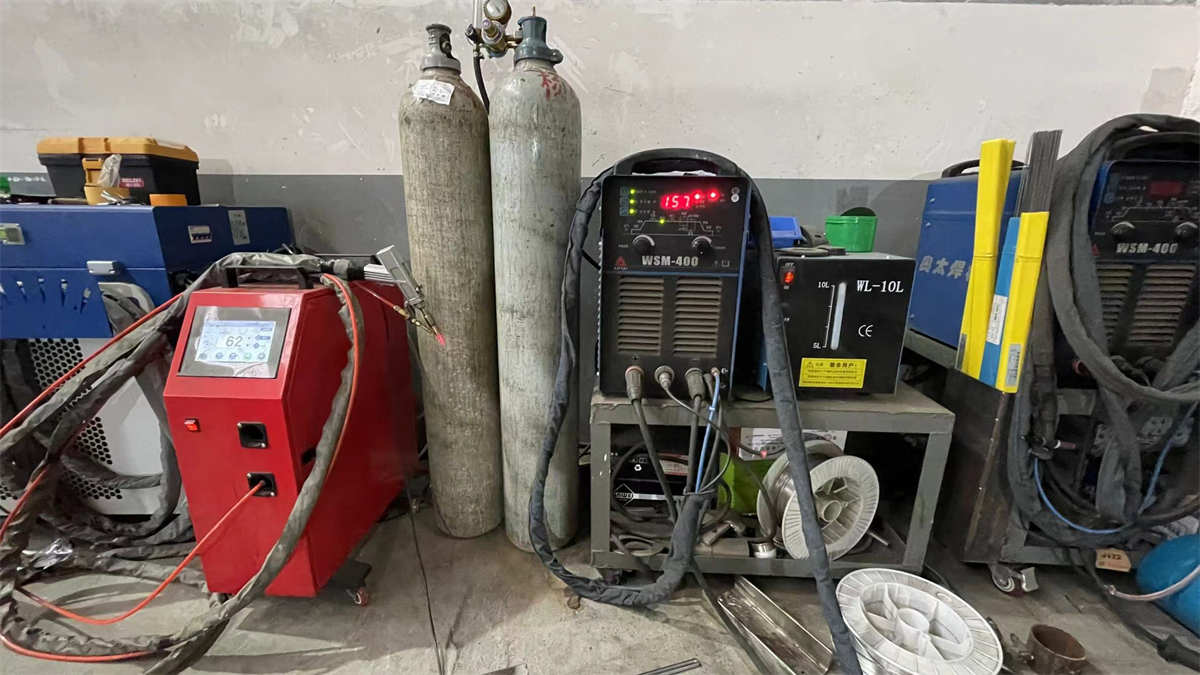
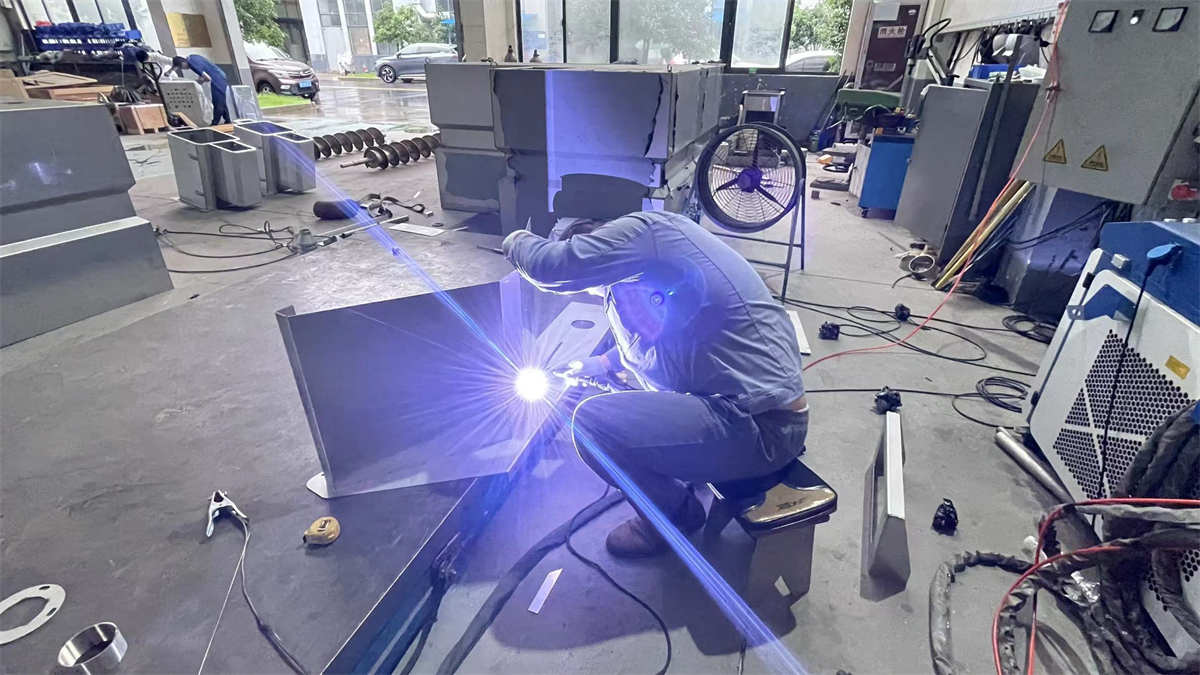
Integration of CO2 laser cutting machines, high-pressure injection molding presses, and automated robotic welding setups.

Scale & Flex-Capacity

Annual production capacities exceeding 1,000 completed filtration systems enable fast-turnaround lead times on massive capital projects.

For international buyers, sourcing from a tier-one China supplier like Changzhou Jovios Equipment Co., Ltd. offers a balanced combination of optimized capital expenditure (CAPEX) and long-term operational reliability. Rather than merely purchasing standalone machinery, global buyers can access turnkey packages—integrating feed pumps, automated wash systems, control panels, and custom-designed filter media—all sourced from a single engineering supplier.

Global Corporate Procurement: Selecting the Right Filtration System

When engineering and procurement teams evaluate a membrane filtration system, they must analyze the total cost of ownership (TCO) rather than focusing solely on the initial hardware price. Key technical variables that determine performance include:

  • Squeezing Pressure: Typically ranging from 10 bar up to 25 bar. High-pressure operations demand diaphragm plates of superior tensile strength.
  • Feed Sludge Characteristics: Particle size distribution, viscosity, pH level, and chemical composition dictate the selection of either PP, nylon, or polyester filter cloths.
  • Degree of Automation: Fully automated hydraulic plate shifting systems and automatic cloth washing systems dramatically reduce manual maintenance downtime.
  • Certification and Compliance: Equipment bound for EU and North American markets must strictly align with CE directives, ASME pressure vessel codes, and UL/CSA electrical control standards.

Local Support, Field Engineering, and Regulatory Compliance

Reliable operations require local engineering support. A key concern for global buyers sourcing from China is the availability of on-site commissioning, operator training, and localized replacement part inventories. Modern suppliers bridge this gap by cooperating with local engineering partners and keeping a fully stocked supply of consumables (such as custom-sized filter plates and wear-resistant filter cloths) in regional hubs.

Furthermore, in highly sensitive processing environments like pharmaceutical manufacturing, oil purification, and chemical processing, compliance with sanitary and environmental regulations is non-negotiable. Membrane plates and polypropylene materials must be FDA-compliant for food contact, and the overall plant setup must adhere to stringent discharge limits for cake moisture and filtrate clarity.

Localization & Specific Application Scenarios

The versatility of membrane filtration technology is demonstrated across diverse industrial sectors:

  • Mining & Metallurgy: Dewatering of tailings, recovery of valuable mineral concentrates, and high-performance sector ceramic membrane filtration in acid-leach processes.
  • Chemical and Petroleum Refining: High-resistance filtration of corrosive intermediates and advanced dyestuff separation.
  • Wastewater Sludge Dewatering: Municipal sewage sludge processing, where high-pressure membrane squeezing cuts landfill transportation and disposal costs.
  • Food & Beverage Refining: Complex purification of organic oils, such as high-purity shea butter, cocoa butter, grape seed oil, and plant protein separations requiring sanitary design.
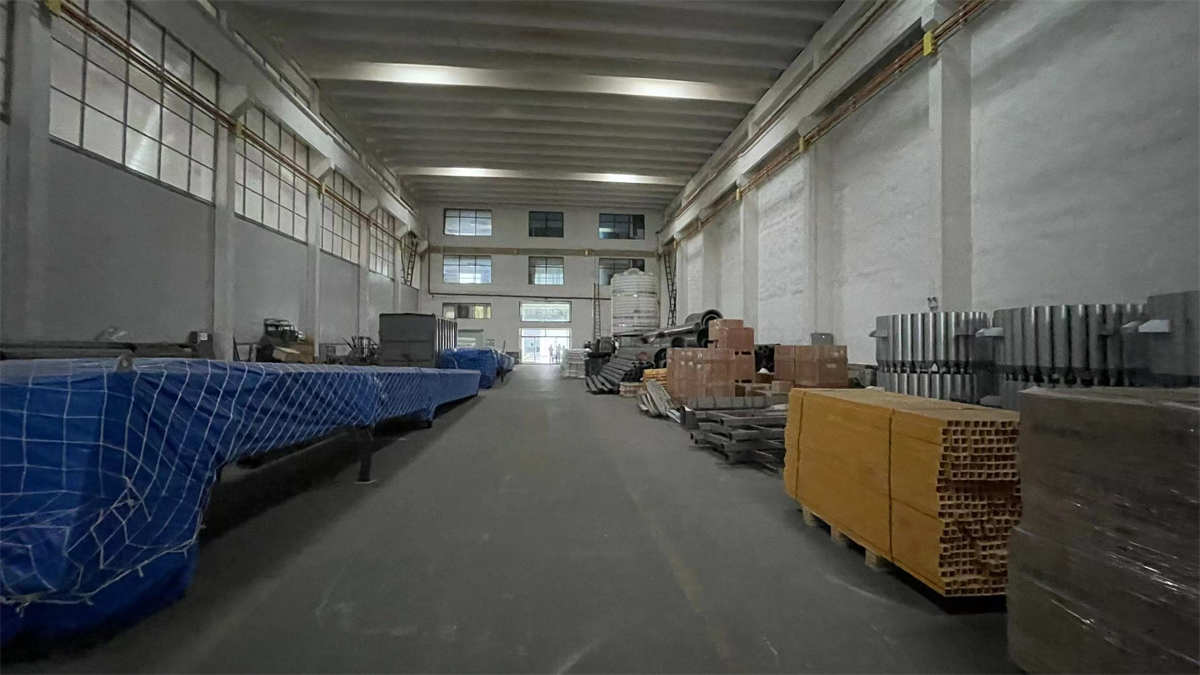
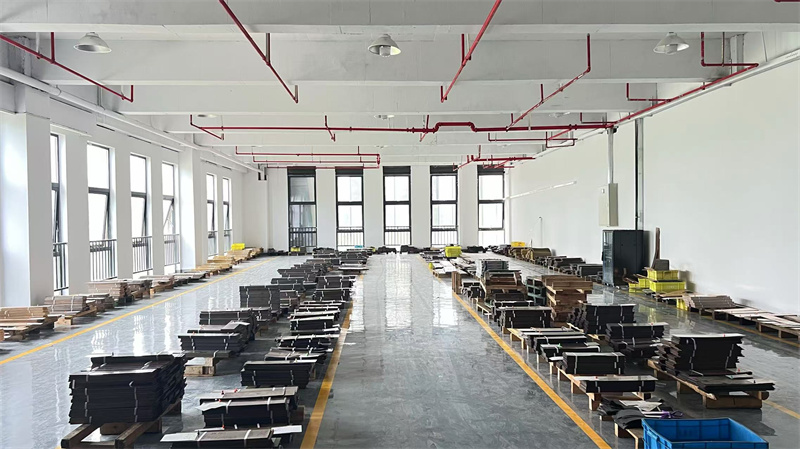
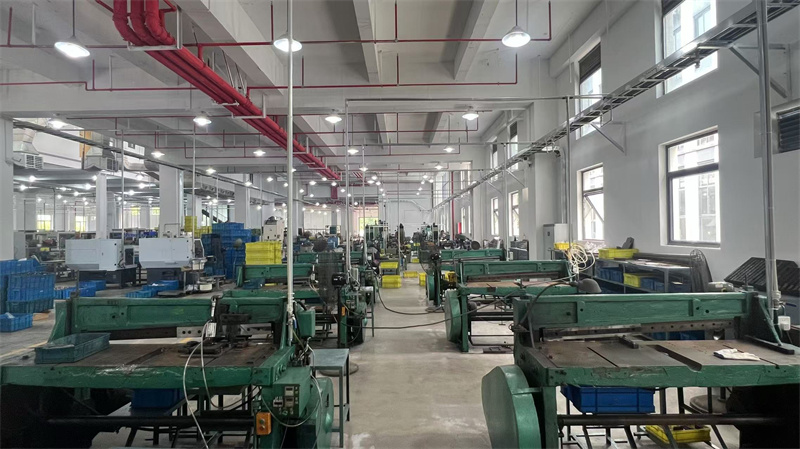
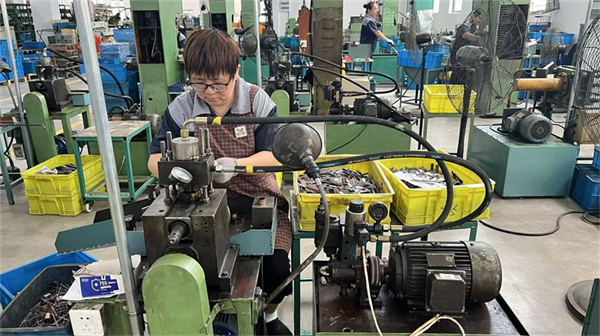
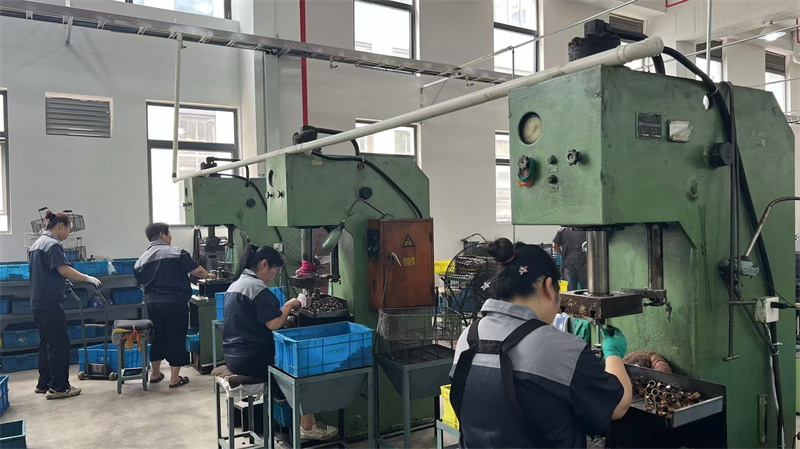
Manufacturing Plant

Changzhou Jovios Equipment Co., Ltd.

A professional manufacturer and solution provider specializing in solid-liquid separation and environmental protection equipment.

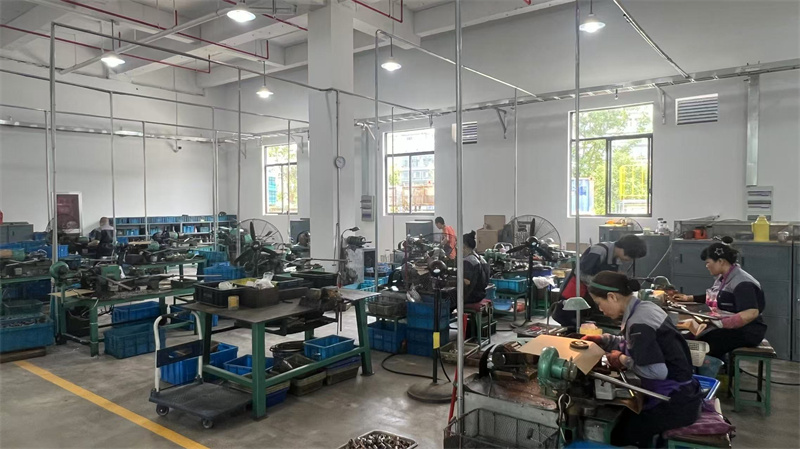
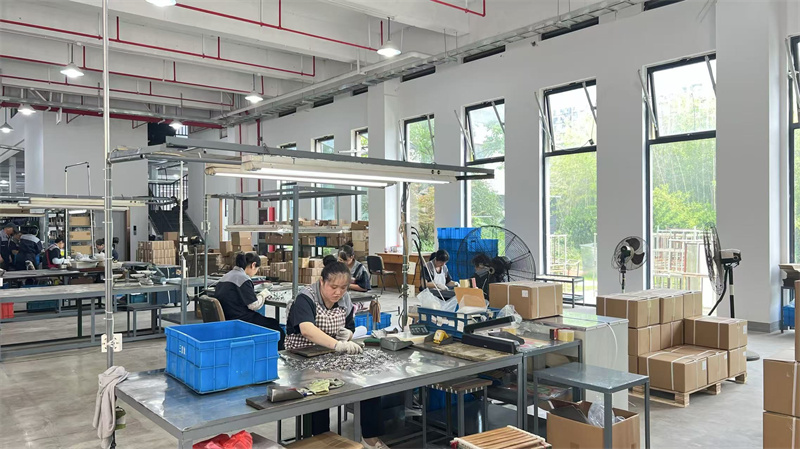
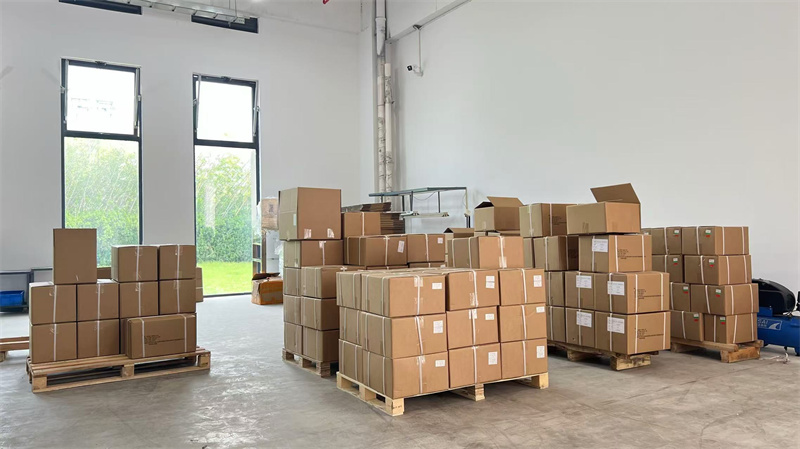
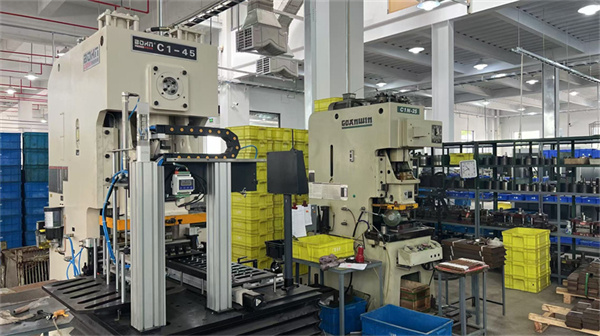
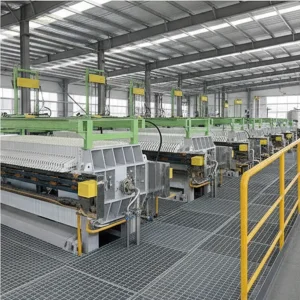
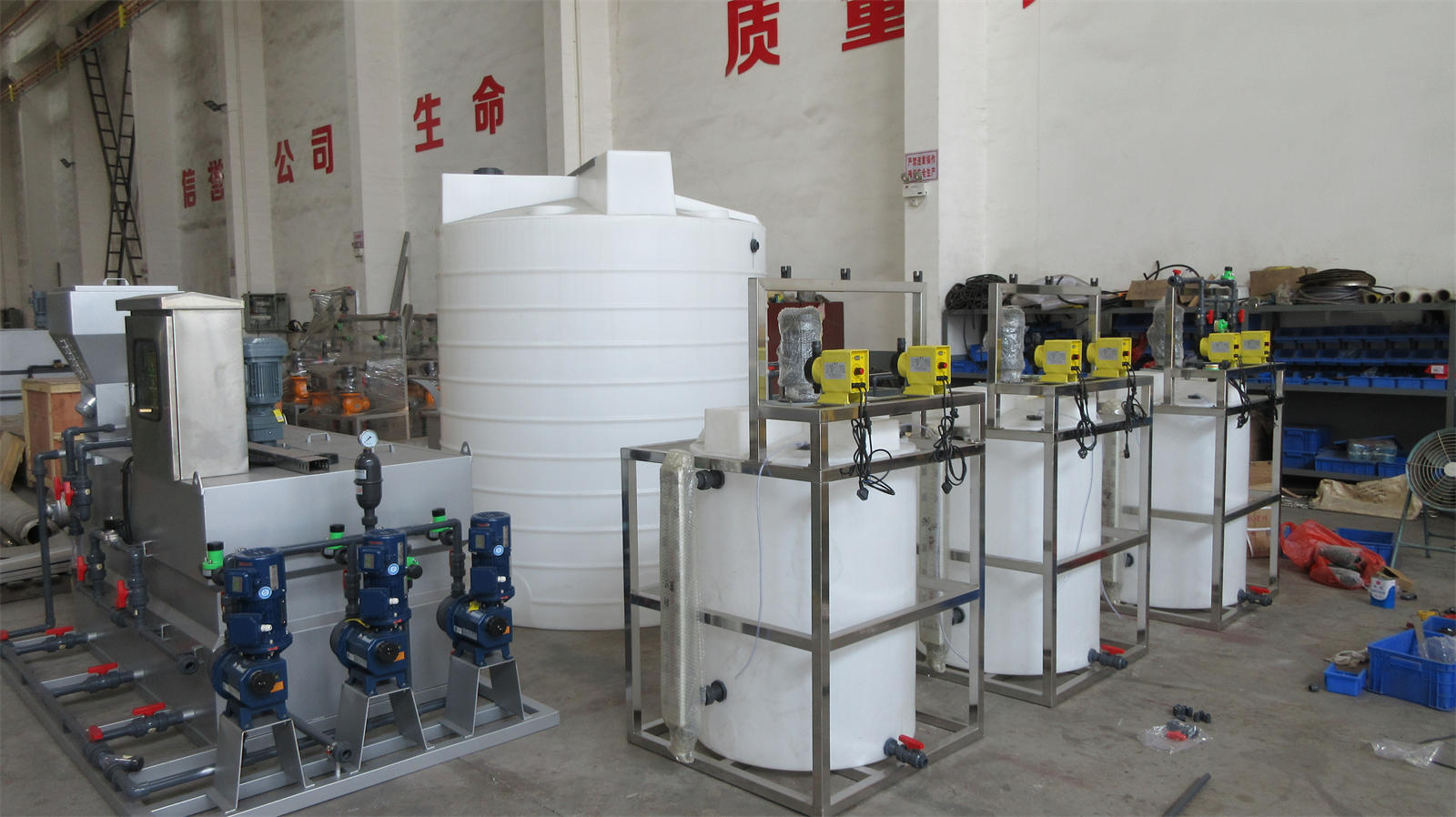
Located in the Changzhou National High-tech Industrial Development Zone, Jiangsu Province, China, the company operates a modern manufacturing base covering more than 50,000 square meters, equipped with advanced production facilities and a comprehensive quality inspection center.

Jovios independently designs, develops, and manufactures a complete range of filtration and separation equipment, including plate and frame filter presses, membrane filter presses, automatic filter presses, intelligent filtration systems, as well as high-performance filter plates and filter cloths. With an annual production capacity exceeding 1,000 units, our products are widely applied worldwide.
Global Trends in Solid-Liquid Separation Technology

The global filtration industry is shifting toward higher automation, integration with industrial IoT, and lower energy footprints. Key trends shaping design engineering include:

1. Closed-Loop Intelligent Automation

Real-time moisture sensors, automated cake discharge, and smart hydraulic pressure regulators that adjust dynamically to slurry density, eliminating manual operator errors.

2. Optimized Energy Consumption

Modern hydraulic systems use variable frequency drives (VFD) that draw power only during clamping and high-pressure squeezing cycles, saving up to 30% in operational electrical overhead.

3. Advanced Eco-Friendly Media

Development of anti-static polypropylene cloths for processing volatile solvents like graphene sludge, and durable ceramic membranes designed for heavy industrial mining separations.

Knowledge Hub

Technical Q&A: Membrane Filtration Systems

Expert answers to common engineering questions regarding selection, operation, and maintenance.

Q1: What is the primary operational advantage of a membrane filter press over a conventional chamber filter press?
A: The primary advantage is the secondary compression stage. Conventional chamber filter presses rely strictly on feed pump pressure to fill chambers and drive out filtrate. A membrane filter press uses flexible diaphragm plates that are inflated with high-pressure air or water (up to 16–25 bar) after the chamber is filled. This actively squeezes the cake, compressing it further to extract maximum liquid, yielding drier cakes and shortening the overall cycle time by up to 30–50%.
Q2: How do you choose the right filter cloth material (PP, Polyester, Nylon) for a specific industrial application?
A: Selection depends on chemical compatibility, temperature, and physical properties. Polypropylene (PP) offers excellent acid and alkali resistance but is temperature-limited (typically below 90°C). Polyester is selected for acid applications operating at higher temperatures. Nylon (Polyamide) is preferred for highly abrasive slurries and alkaline environments due to its exceptional mechanical strength and wear resistance. Additionally, monofilament fabrics offer easy cake release, while multifilament fabrics provide higher retention of fine particles.
Q3: Why are antistatic filter cloths required for graphene sludge dewatering?
A: Slurries containing carbonaceous materials like graphene, carbon black, or chemical catalysts can generate significant static electricity during the fast flow of filtrate and mechanical movement of the press. If flammable solvents or dust are present, a static spark can lead to fire or explosion. PP monofilament antistatic filter cloths incorporate conductive fibers (such as stainless steel or carbon threads) to safely dissipate static charges.
Q4: What maintenance does an automatic cloth washing system require, and how does it reduce operating costs?
A: Over time, fine particles plug the pores of the filter cloth, a process known as blinding. This increases filtration resistance and dampens performance. An automatic cloth washing system uses high-pressure water bars to thoroughly wash the cloths in place without dismantling the plates. It reduces manual labor hours, guarantees consistent cycle times, and extends the service life of filter cloths by up to 40%.
Q5: What are the key criteria when importing industrial filtration machinery from China?
A: First, verify compliance with regional standards, ensuring the supplier provides CE certificates, CE declarations of conformity, and UL-compliant control panels. Second, request material certificates for plates and structural steel. Third, evaluate wear-and-tear parts availability: ensure the manufacturer packages spare seals, spare filter cloths, and plates with the initial shipment, and offers overseas installation guidance through digital channels or local partners.
Technical Range

High-Efficiency Filter Media & Custom Diaphragm Plates

Explore specialized industrial filter fabrics, laser cutting equipment, and high-pressure polypropylene plates.
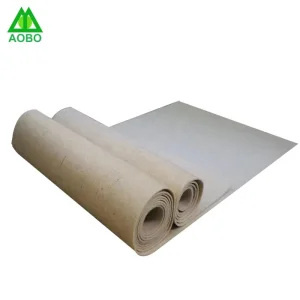
Needle Felt Filter Cloth
Polyester/Acrylic/Ryton0/Nomex/P84 Industrial Nonwoven Needle Felt Filter Cloth
View Technical Specifications
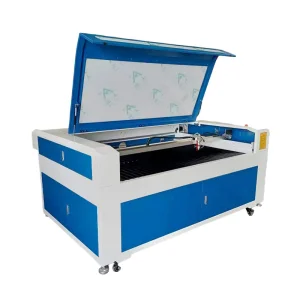
Laser Cutting Machine
Laser 1610/Laser 1610 Cutting Engraving Machine/Lazer CO2/ Engraving Machine laser Engraving Machine
View Technical Specifications
Multifilament Filter Cloth
Industrial Polyester/Polypropylene Multifilament PP PE Nylon Filter Cloth
View Technical Specifications
Fully/Semi Automatic Filter Press
Fully/Semi Automatic Fast Open Type Filter Press for Sludge Dewatering
View Technical Specifications
Auto Cloth Washing System
Semi-Automatic Auto Cloth Washing System to Cut Manual Maintenance Downtime Filter Press
View Technical Specifications
Filter Cloth Material
Filtration Press Machine Filter Cloth Material of PP, Nylon, Polyester etc.
View Technical Specifications
Antistatic Filter Cloth
PP Monofilament Antistatic Filter Cloth for Graphene Sludge Dewatering Machine
View Technical Specifications
High Press Diaphragm Plate
320-2000mm Size High Press Membrane Chamber Recess Filter Diaphragm Plate Enhanced Pp Filter Plate
View Technical Specifications