Explore our flagship catalog featuring precision CNC laser tools, robust filter presses, and industrial-grade nylon filter meshes engineered to sustain high-pressure, long-cycle operations.
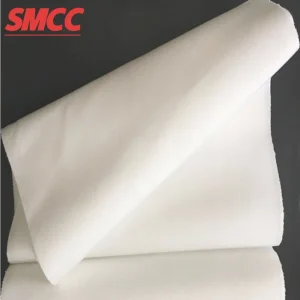
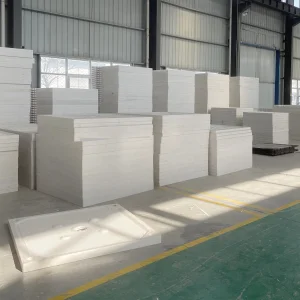
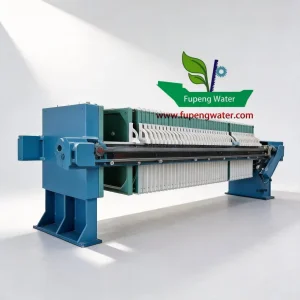
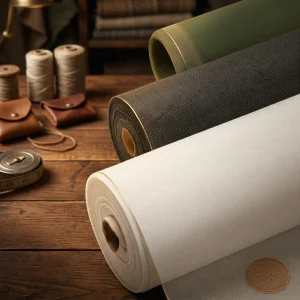
Established as a premier technological hub in the Changzhou National High-tech Industrial Development Zone, Jiangsu Province, China, Jovios Equipment Co., Ltd. operates a state-of-the-art manufacturing facility spanning over 50,000 square meters. We stand at the forefront of the global solid-liquid separation industry, delivering customized feeding pump integration systems and filter press equipment to heavy industries across 6 continents.
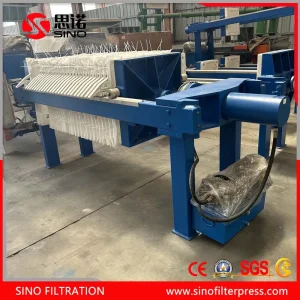
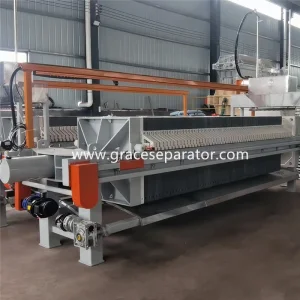
Solid-liquid separation is only as efficient as the dynamic system that feeds it. As a seasoned manufacturer and exporter, Jovios does not merely provide standalone filter presses; we engineer the entire feeding pump solution flow line. This ensures optimal pressure ramp-ups, minimal cake cycle times, and structural longevity of filter plates and cloths.
"Efficiency in industrial dewatering is determined in the first 20 minutes of the feed cycle. Aligning the slurry feed pressure with the structural capability of the filter plate assembly is the cornerstone of Jovios' system design."
Providing holistic systems to eliminate flow velocity imbalances and premature filter cloth degradation:
In modern industrial process engineering, the selection of feeding pumps and companion filtration systems directly dictates the operational efficiency and profitability of manufacturing operations.
Industrial procurement teams prioritize Total Cost of Ownership (TCO) over cheap initial CAPEX. A complete feeding pump solution must guarantee low down-time, readily available wear-parts (stators, rotors, membranes, seals), and compatibility with local voltage standards (e.g., 380V/460V at 50Hz/60Hz). Jovios addresses this by offering completely pre-engineered, modularized configurations shipped globally with standardized components.
Different industries demand bespoke hydraulic profiles. For instance, sugar refineries require high-temperature resistance to handle viscous syrups, mining sites require high solid-concentration capability (up to 65% solids) to handle silica-rich slurry, while municipal wastewater plants demand automated variable volume controls to manage seasonal sludge consistency shifts.
By producing our own filter plates and high-durability filter cloths, Jovios has unique empirical insight into the mechanical limits of filtration. Our feeding pump solutions are calibrated to ramp up pressure linearly, protecting the filter cloth fibres from high-velocity particle impingement and preventing plate frame deflection during high-pressure cycles.
| Pump Type Option | Ideal Slurry Type | Operating Pressure (Bar) | Wear Resistance Profile | Key Limitation Addressed by Jovios |
|---|---|---|---|---|
| Air Operated Double Diaphragm (AODD) | Low-to-medium solids, corrosive solvents | 4.0 to 8.6 Bar | Excellent polymer/PTFE protection | High energy cost; Jovios optimizes via integrated air control solenoid loops. |
| Progressive Cavity Pump | High viscosity, shear-sensitive polymers | 6.0 to 24.0 Bar | Moderate; elastomer stator wear | High speed stator wear; Jovios integrates variable frequency speed limiting. |
| Hydraulic Piston/Ram Pump | Abrasive mining tailings, extreme density | 15.0 to 30.0 Bar | Exceptional (ceramics/hardened steel) | High capital investment; Jovios sources direct-component supply for wholesale pricing. |
| Centrifugal Slurry Pump | Coarse solids, high volume at low initial pressure | 2.0 to 6.0 Bar | High (requires high-chrome alloy impellers) | Inefficient at high pressure; Jovios uses as first-stage booster pump systems. |
The future of solid-liquid separation lies in automation and predictive diagnostics. Historically, operators manually monitored filter press feed pressures, which often led to over-pressurization, plate blowout, or incomplete filtration cycles. Jovios is actively transitioning to AI-controlled feeding pump stations.
Our research and development roadmap focuses on integrating IoT sensors directly into the pump discharge lines. These sensors communicate in real-time with the automatic filter press PLC (Programmable Logic Controller) using Profibus or Modbus protocols:
How optimized dynamic feeding pressure curves compare with conventional static pump feeding profiles:
*Data compiled across 150+ comparative test cycles handling copper mine tailings slurry under controlled ambient conditions.
Take a virtual tour through Jovios’ production units where raw materials undergo high-precision shearing, welding, bending, and rigorous quality inspection.
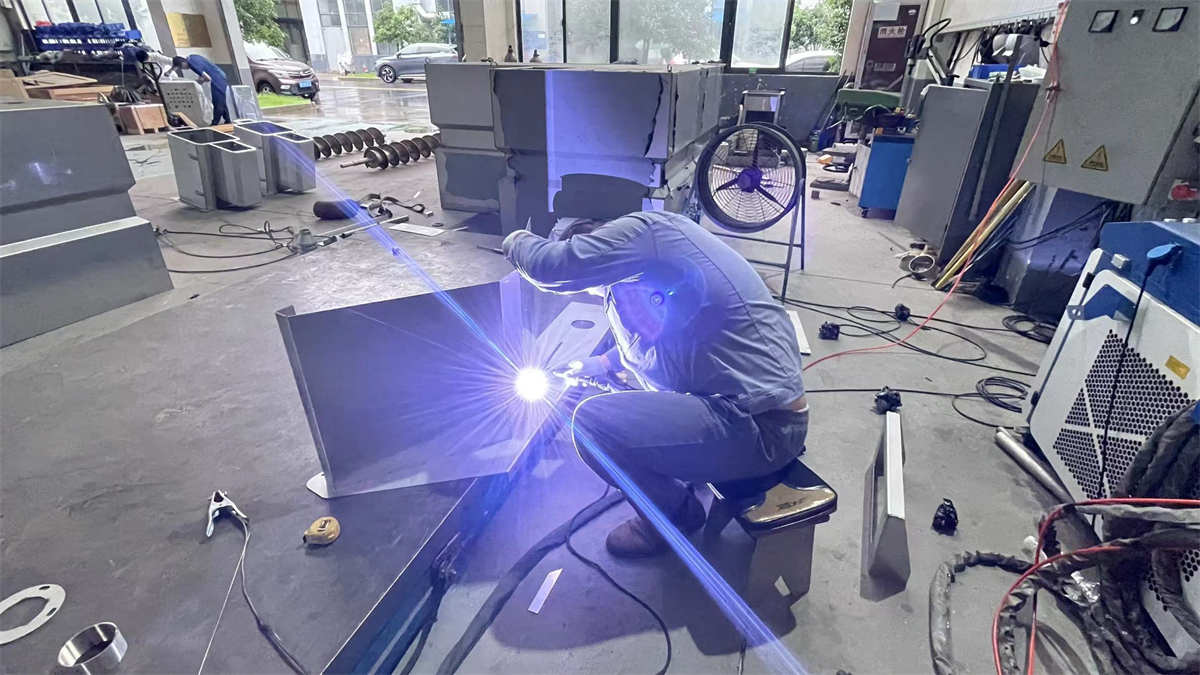
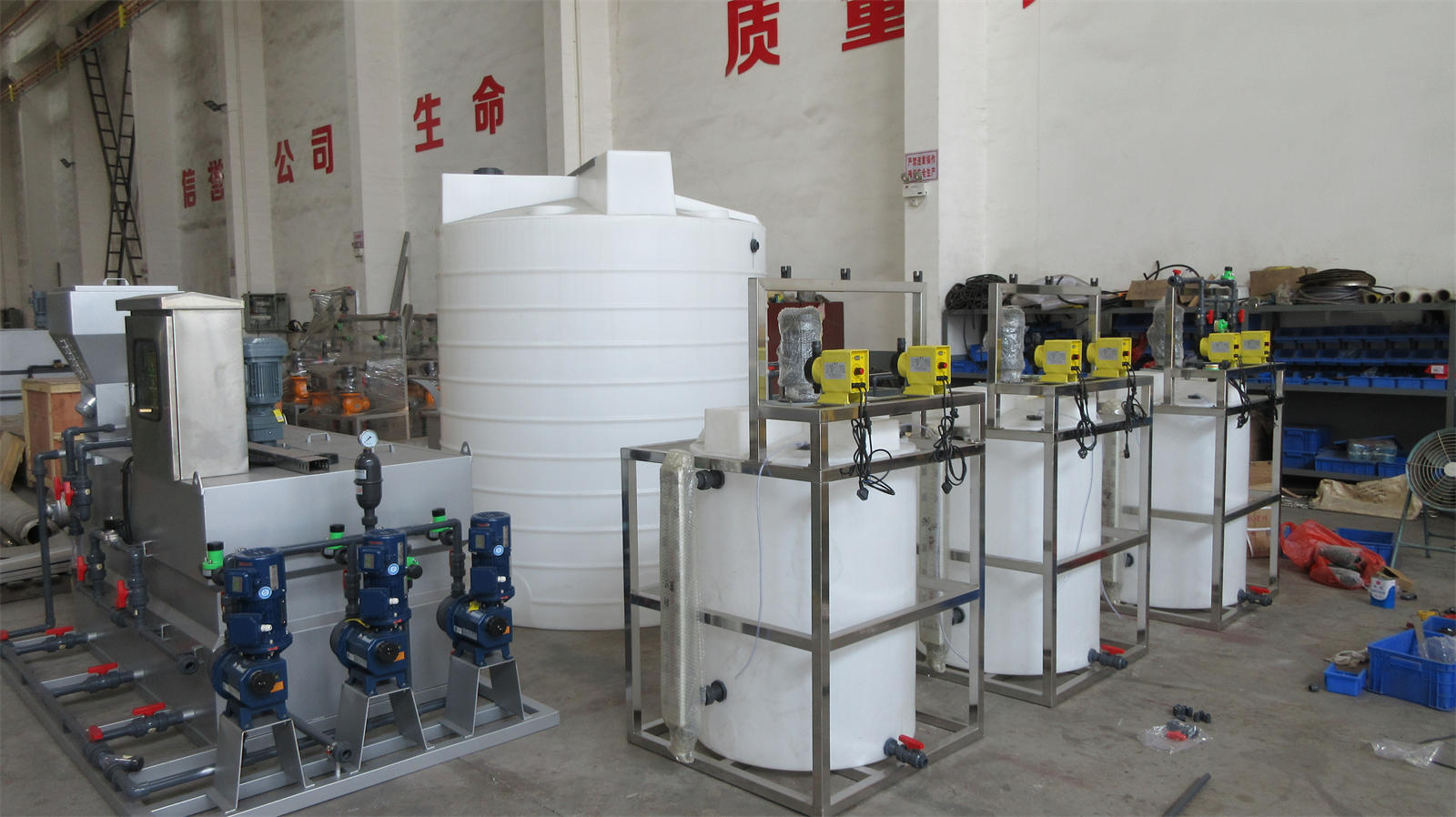
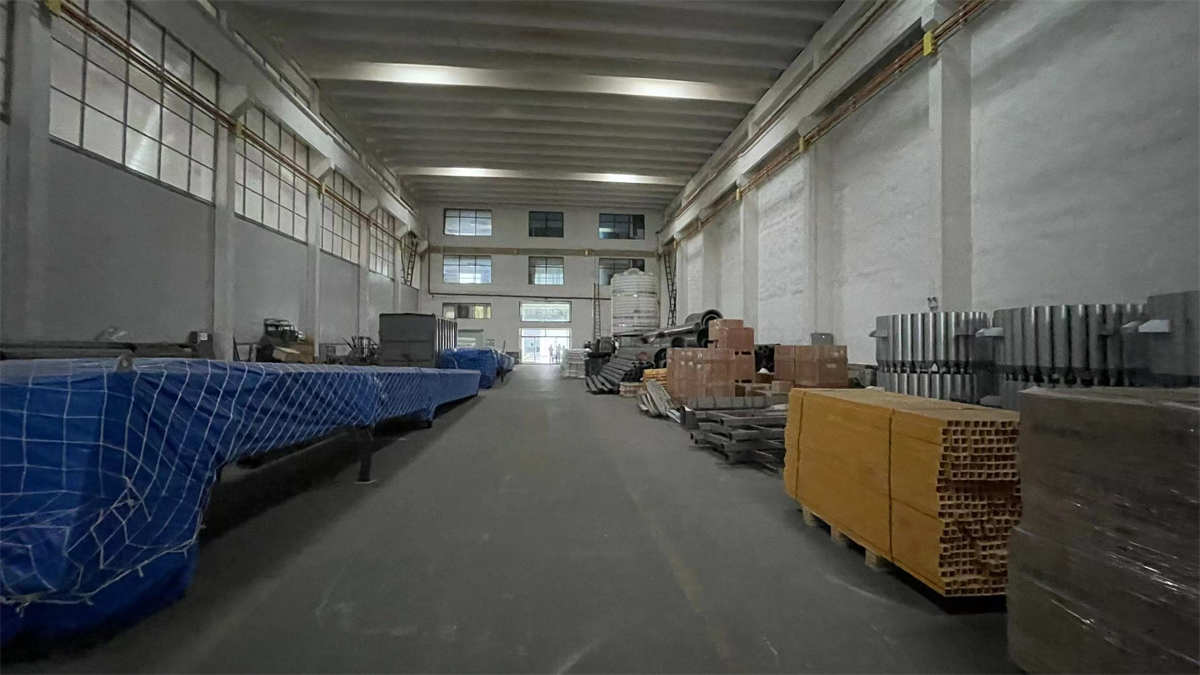
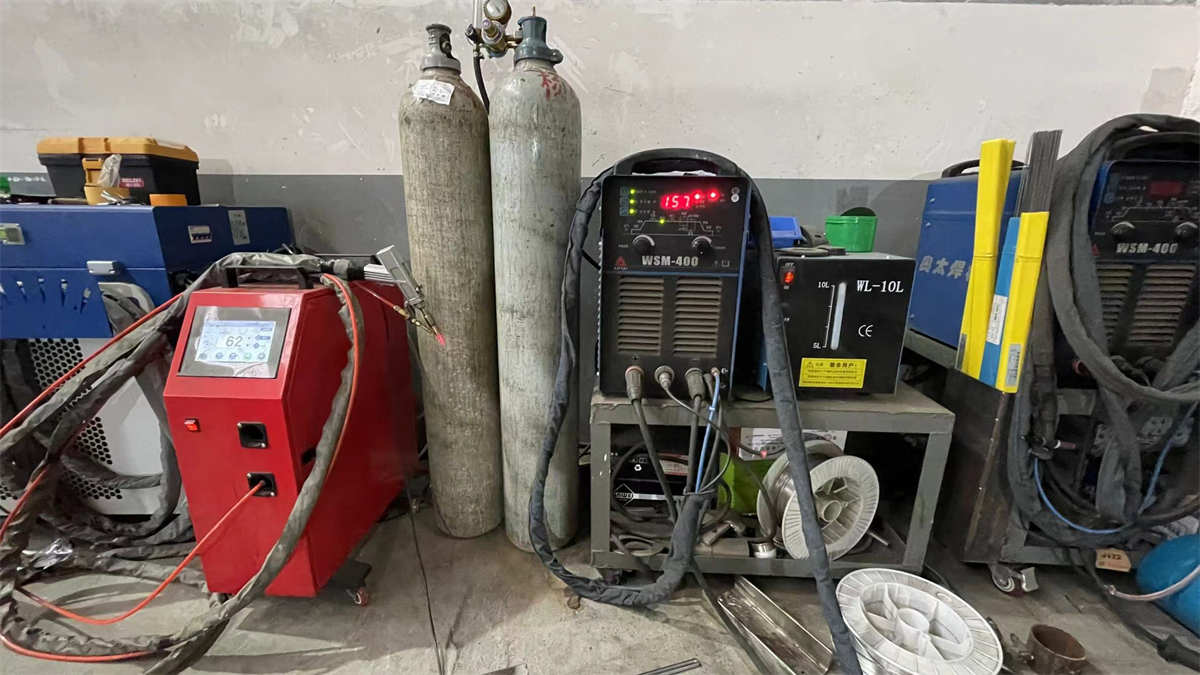
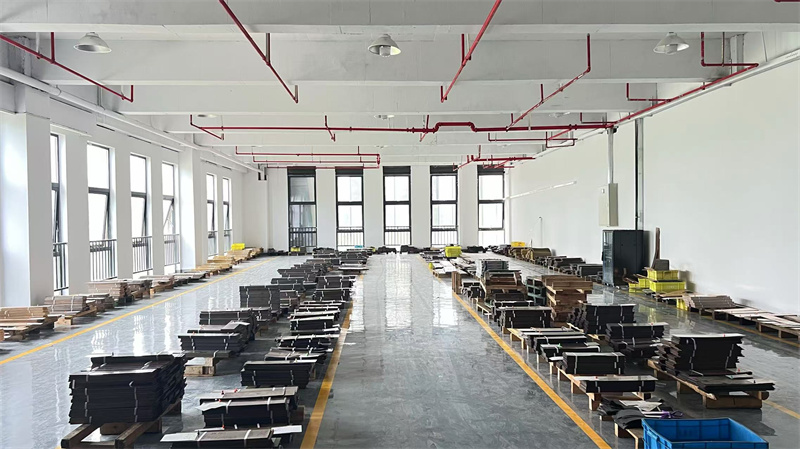
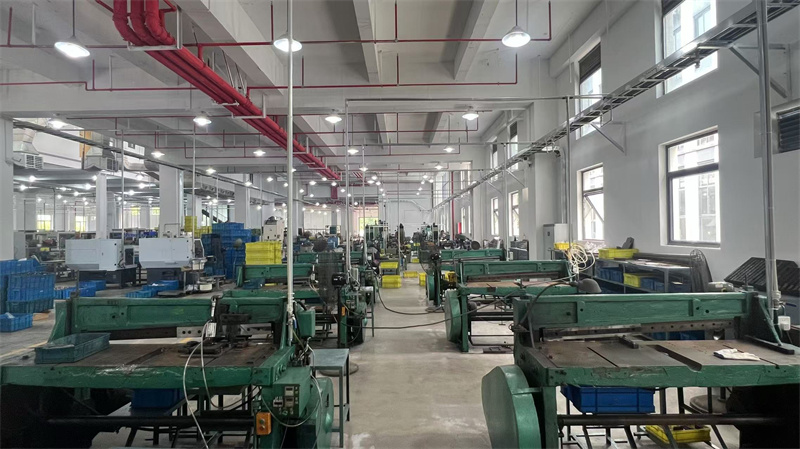
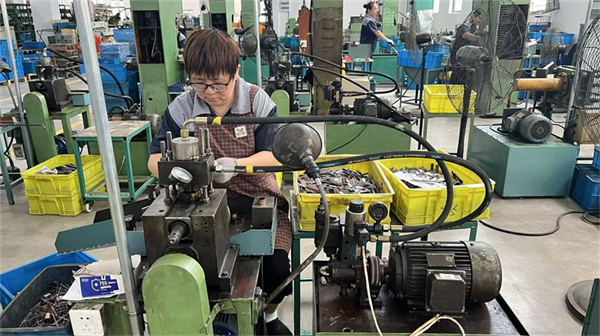
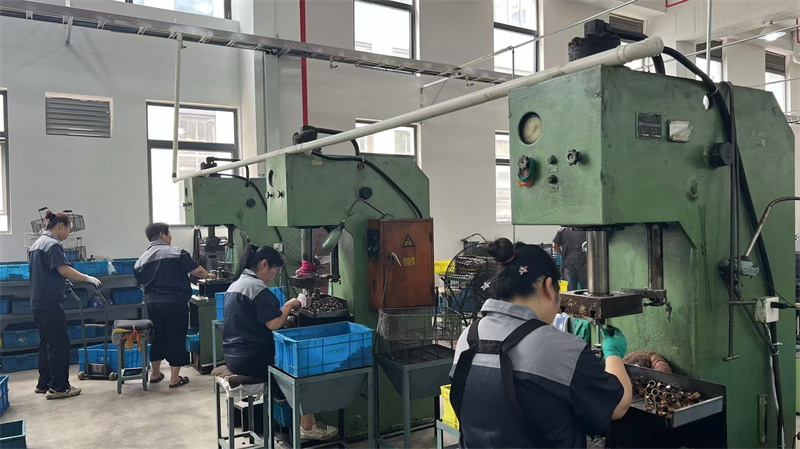
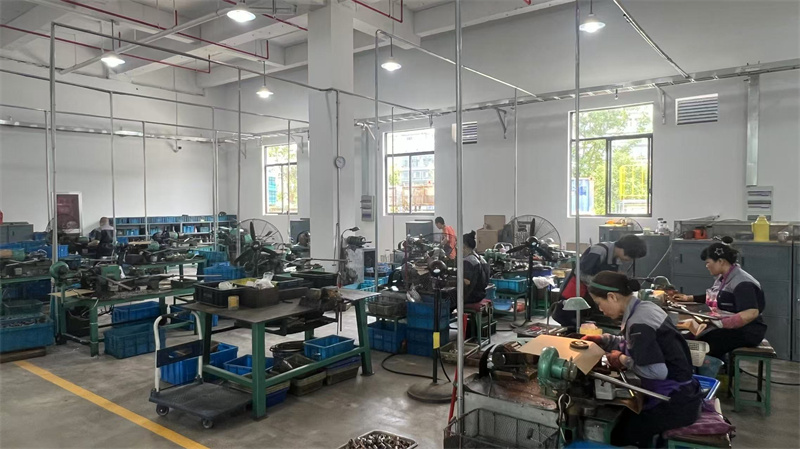
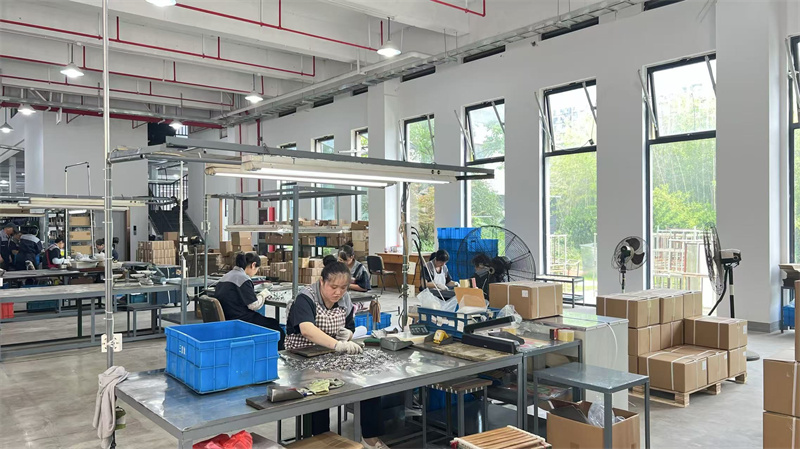
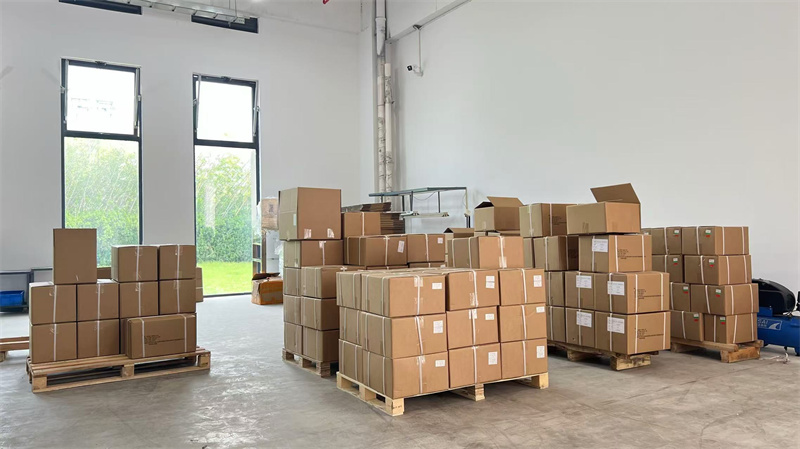
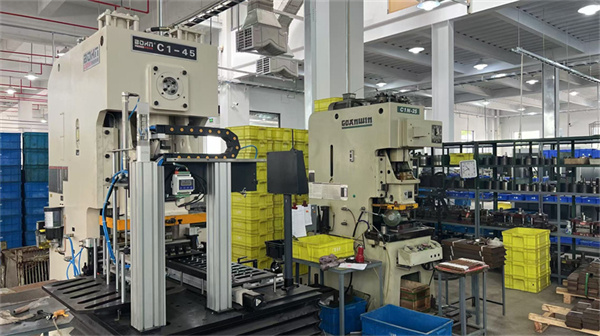
Navigating long-distance procurement can present logistical risks. Jovios mitigates these challenges through a localized distributor network spanning North America, South America, Southeast Asia, and Europe. Our engineering teams coordinate closely with regional integration teams to provide seamless startup services.
When you commission a Jovios feeding pump system or filter press, our technical support cycle begins:
Gain technical clarity with direct, expert answers addressing configuration, operation, maintenance, and sourcing of feed pump and filtration equipment.
Selecting the correct feeding pump size depends on three key operational parameters: the total volume of the filter press chamber assembly, the target filtration cycle time, and the physical characteristics of the slurry (specifically concentration and particle size). Generally, a dual-stage feeding system is recommended. The first stage requires a high-flow, low-pressure pump to fill the chambers rapidly (e.g., a centrifugal slurry pump). The second stage transitions to a positive displacement pump (like a hydraulic piston or diaphragm pump) to apply steady pressure as the cake solidifies, driving the final moisture out without overloading the system.
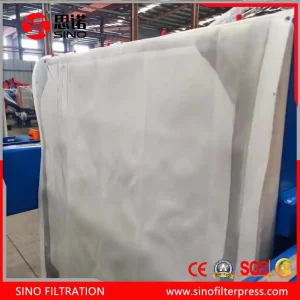
If the feeding pump applies full pressure too rapidly (pressure shock), particles are forced violently into the weave of the filter cloth, a process known as blinding. Once blinded, the cloth loses its permeability, filtration times spike, and the moisture level in the cake increases. Jovios addresses this by integrating programmable control valves or Variable Frequency Drives (VFDs) on the pump motor, allowing a slow, linear ramp-up of feed pressure. This allows a thin, natural layer of slurry particles (the pre-coat cake) to form on the cloth, acting as the primary filtration medium and protecting the fabric from abrasion.
In sugar refining, syrup viscosity decreases significantly at higher temperatures, making filtration faster and more efficient. A standard filter press cannot handle these temperatures without risk of plate warping or thermal expansion cracks. Jovios' Automatic Cake Wash High Temperature Hydraulic Chamber Filter Press is engineered with reinforced polypropylene (PP) plates designed to withstand sustained temperatures up to 95°C without compromising structural integrity or dimensional stability.
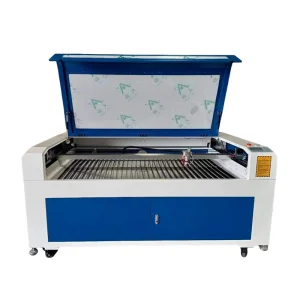
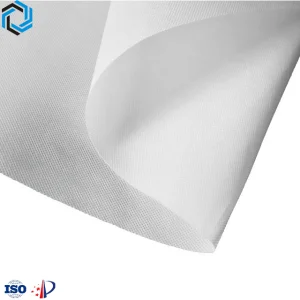
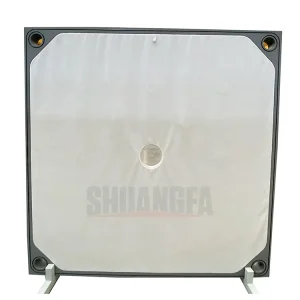
PP monofilament cloths are woven from single, smooth synthetic strands. They offer excellent cake discharge properties and resistance to blinding, making them ideal for crystalline solids and mining tailings. Multifilament cloths are woven from twisted bundles of fibers, offering superior retention of fine particles, but they are more susceptible to blinding. Jovios produces both types of high-performance filter cloths, using laser cutting to prevent fiber fraying, ensuring optimal sizing and dimensional stability under high tension.
MBR (Membrane Bioreactor) flat sheet membranes act as a physical barrier to suspended solids, bacteria, and pathogens in wastewater treatment plants. Unlike traditional secondary clarifiers, MBR systems produce high-quality effluent suitable for direct reuse or advanced purification. The flat sheet design resists fouling compared to hollow-fiber alternatives and allows for simple, in-place chemical cleaning (CIP), lowering maintenance costs and extending the system's operational lifespan.
Yes. As a comprehensive manufacturer, Jovios produces chamber and membrane filter plates, filter cloths, and sealing gaskets in a wide range of standard and custom dimensions. We can manufacture components according to OEM drawings or physical samples, matching the chemical resistance, mechanical strength, and pressure rating required for your specific industrial application.
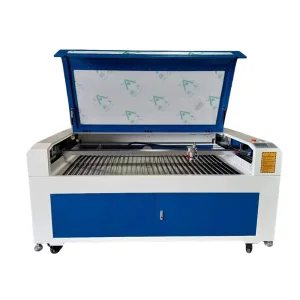
Complete your solid-liquid separation loop with our specialized membrane modules, precision laser cutters, and laboratory testing presses.
 Jovios Equipment