Explore our high-performance filtration components customized to deliver maximum dry solids content, minimal cake moisture, and long service cycles.
An in-depth analysis of environmental compliance, process optimization, and custom-engineered media solutions.
Worldwide industrial environments are navigating severe regulatory frameworks on waste discharge and energy conservation. The demand for highly efficient sludge dewatering systems, chemical solvent recovery, and fine particle capture has placed premium filter media at the very core of green operational infrastructure. As zero-liquid-discharge (ZLD) mandates expand across the Americas, the European Union, and the Asia-Pacific region, businesses are tasked with elevating their solid-liquid separation efficiency.
Traditional, off-the-shelf filter systems often fail to meet contemporary requirements. Modern filtration challenges demand application-specific custom media, optimized at the mechanical and chemical levels. The choice of polymer, weave pattern, surface treatment, and plate geometry directly influences process uptime, energy draw, and overall filter cake dryness.
To maintain profitability while meeting environmental targets, global corporations are prioritizing long-term filtration cycles. Our custom OEM/ODM solutions offer precise chemical resilience and high thermal tolerance, reducing routine operating expenditures and unscheduled plant downtimes.
A trusted global manufacturer specializing in advanced solid-liquid separation and environmental protection equipment.
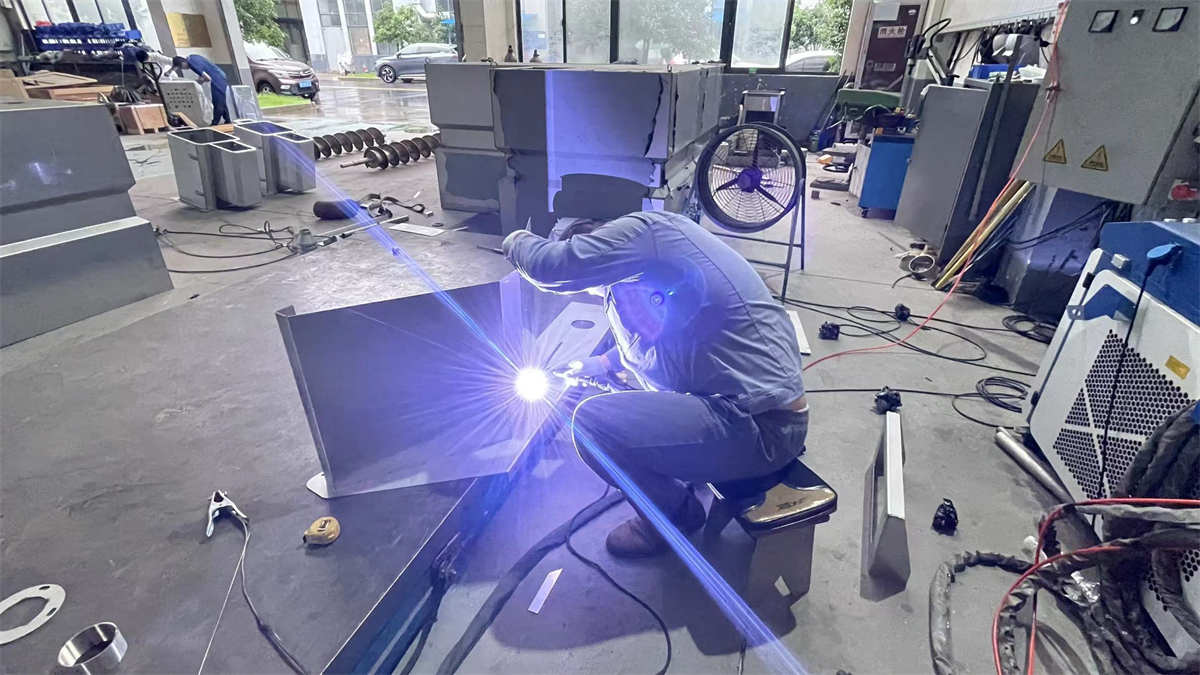
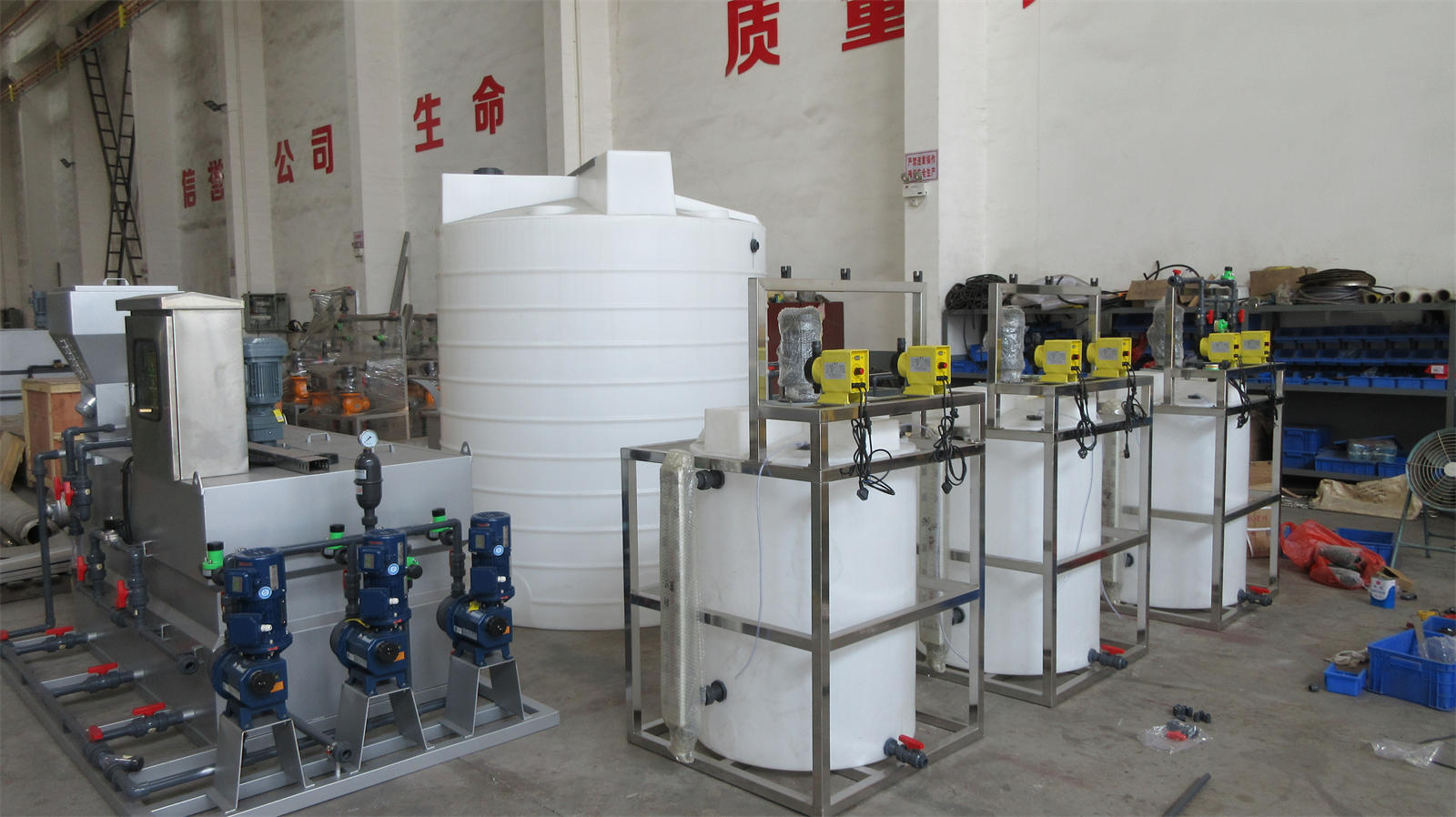
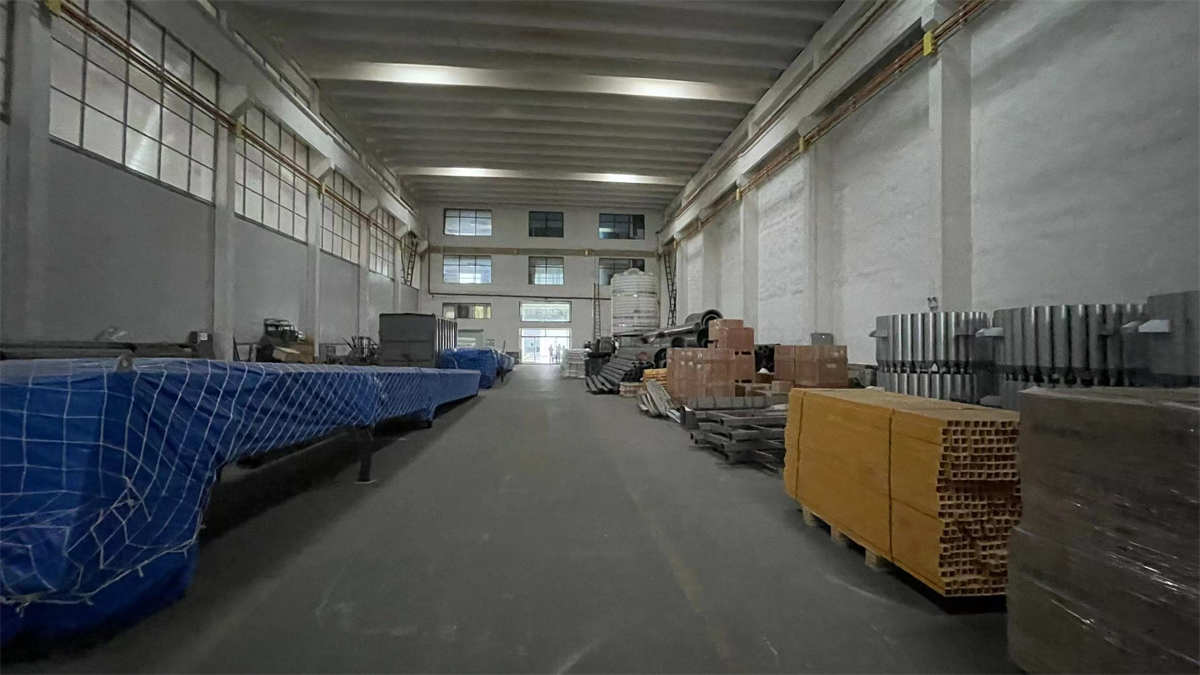
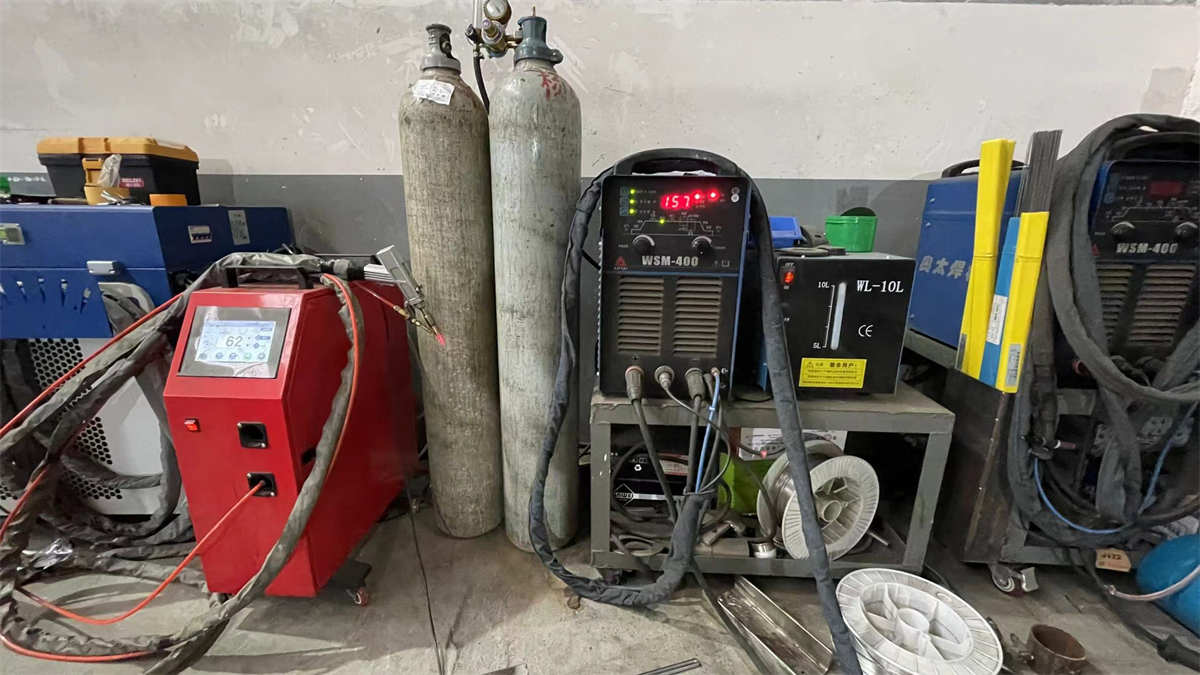
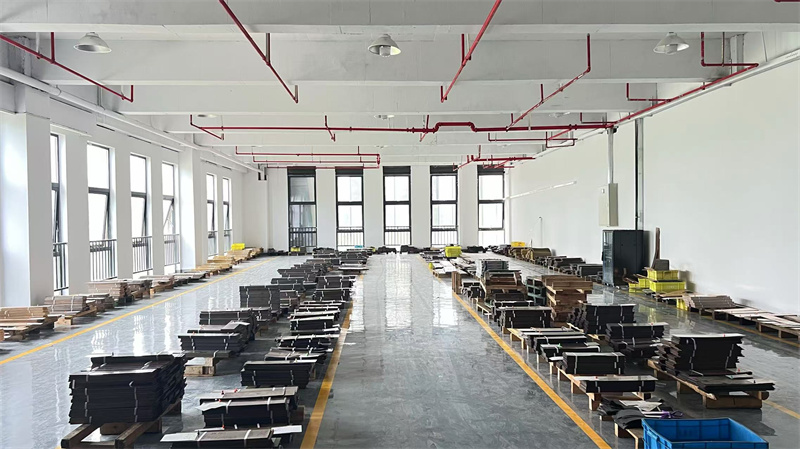
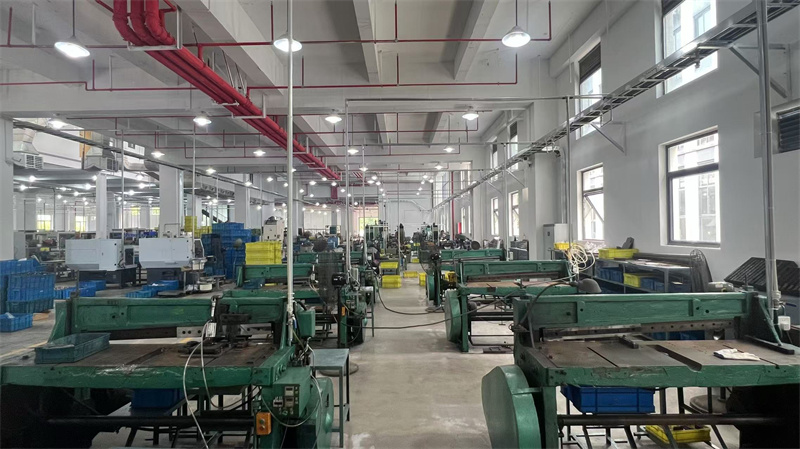
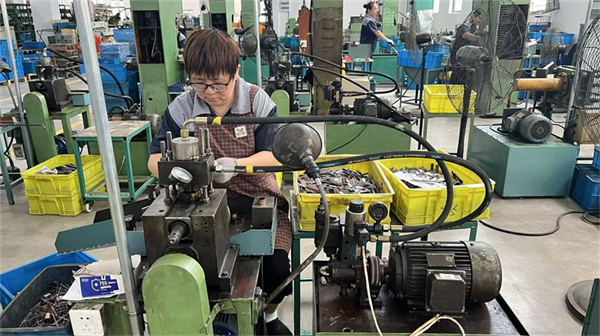
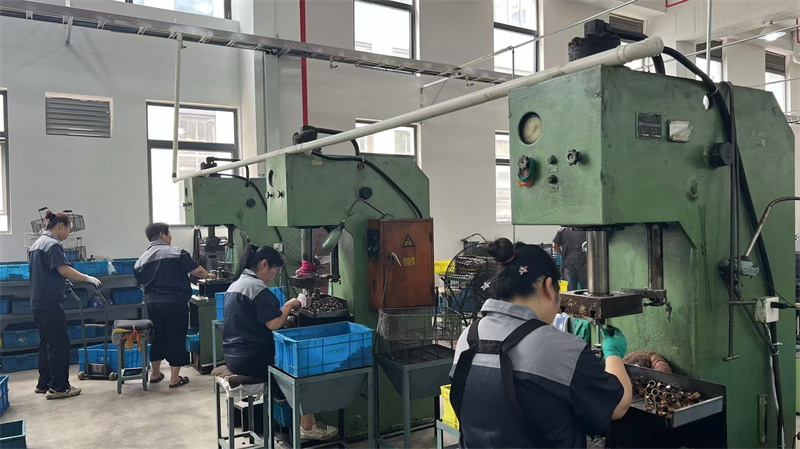
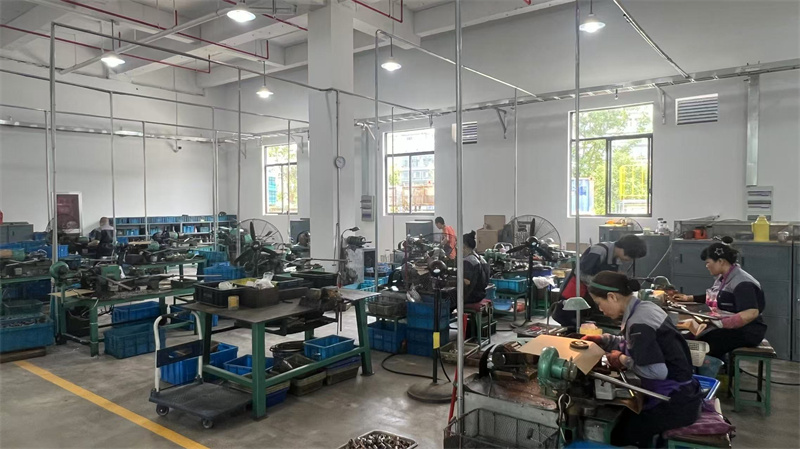
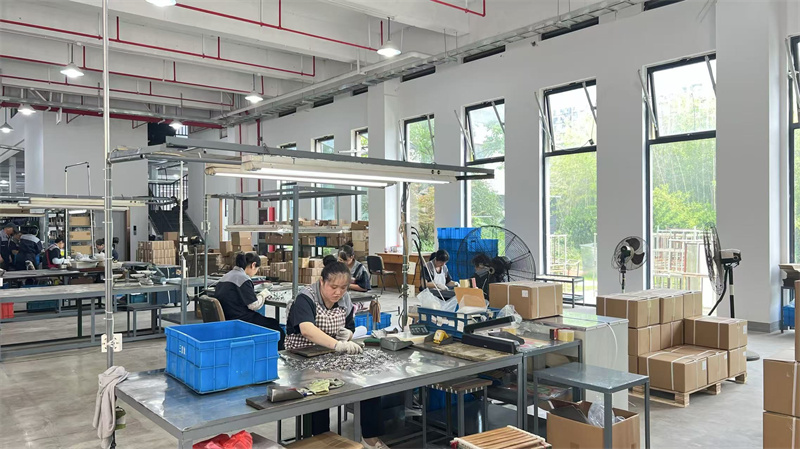
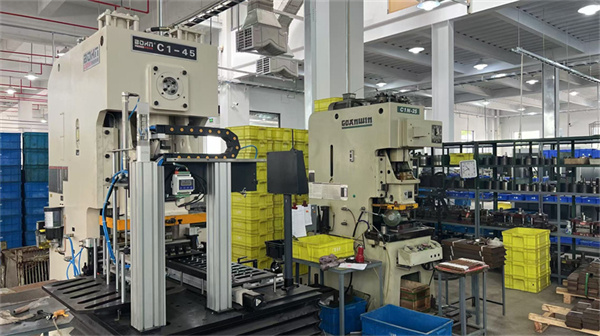
Strategically situated within the Changzhou National High-tech Industrial Development Zone in Jiangsu Province, China, Changzhou Jovios Equipment Co., Ltd. operates a highly advanced 50,000 square meter manufacturing hub. We integrate research, design, engineering, and manufacturing of high-performance separation equipment. Our facility features advanced heavy-duty fabrication tooling, precision CNC machinery, automated fabric-weaving centers, and an expansive Quality Inspection and Verification Center. This guarantees that every machine and component leaving our floor adheres strictly to international industrial standards.
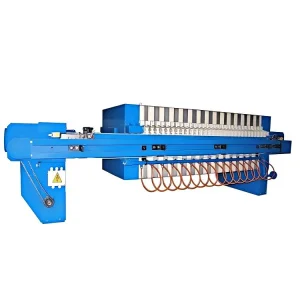
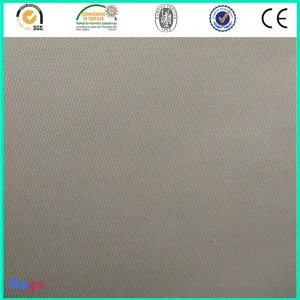
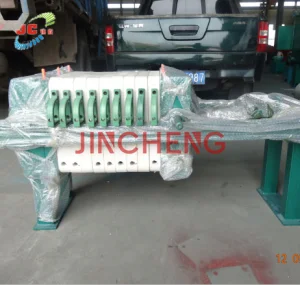
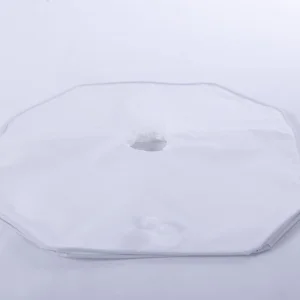
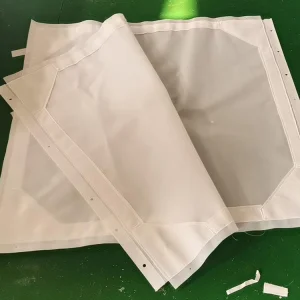
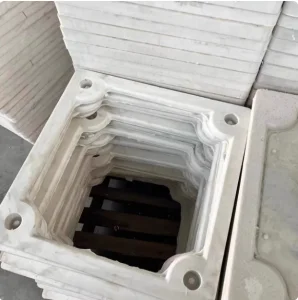
Jovios independently designs and manufactures a comprehensive portfolio, ranging from robust plate and frame filter presses, high-performance membrane filter presses, and automated cleaning separation systems to precise consumables, including engineered filter plates and custom woven filter cloths. Boasting an annual manufacturing capacity exceeding 1,000 full-scale separation systems, Jovios serves municipal wastewater facilities, fine chemical synthesis operations, oil refineries, mining sites, pharmaceutical factories, and food processing lines in over 45 countries.
| Material Class | Available Micron Ratings | Operating Temp Limits | Chemical Resistance profile | Primary Industrial Applications |
|---|---|---|---|---|
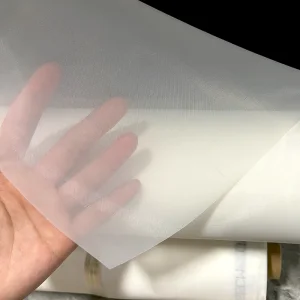
| Nylon (PA6 / PA66) | 5 to 500 Microns | Up to 115°C | Excellent in alkaline and abrasive slurries | Food processing, aggregate washing, mining tailings |
| Polyester (PET) | 1 to 150 Microns | Up to 135°C | Highly resistant to mineral acids and oxidizers | Chemical synthesis, flue-gas desulfurization, oil recovery |
| Polypropylene (PP) | 0.5 to 200 Microns | Up to 90°C | Broad spectrum acid, alkali, and solvent resistance | Municipal sludge, zinc/copper refineries, pharmaceuticals |
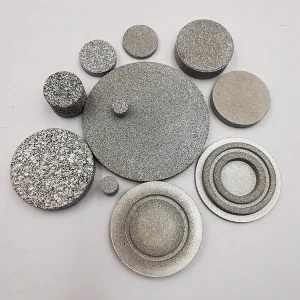
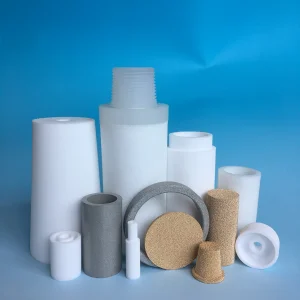
| Sintered Porous Metal (316L) | 0.5 to 100 Microns | Up to 600°C | Extreme temperature, high-pressure environments | Petrochemical refining, high-temp gas catalyst recovery |
In addition to modular filtration components, Jovios designs complete, turnkey wastewater treatment packages and engineered process systems. From initial pilot testing and raw material analysis to layout engineering, installation, startup, and global training, we support our clients at every stage of the plant lifecycle.
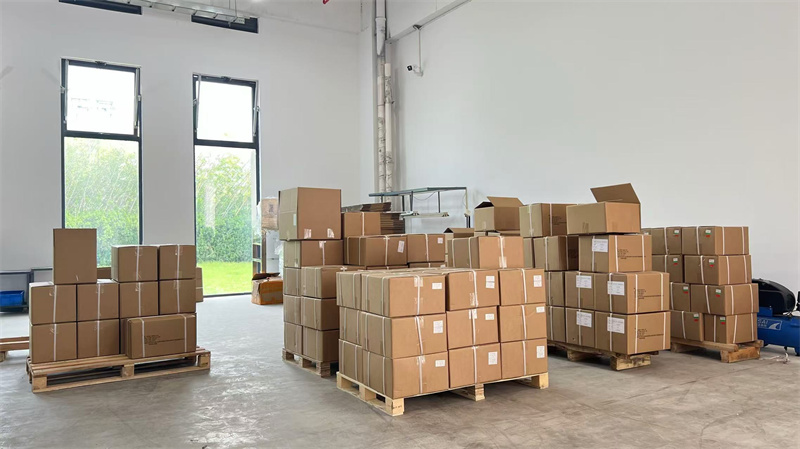
Explore inside our Changzhou production facilities, where rigorous QA standards are integrated into every production phase.
How Jovios combines supply chain integration with engineering precision to deliver value.
Operating in Changzhou, at the center of Jiangsu’s manufacturing hub, allows Jovios to source high-grade raw polymers, structural steels, and hydraulic units locally. This proximity minimizes raw material transport times and keeps overhead costs highly competitive.
With an in-house team of 30+ senior design engineers, we translate mechanical blueprints, chemical profiles, and micron specifications into functional models within days, drastically cutting lead times compared to Western manufacturers.
Every filter press plate undergoes high-pressure hydraulic tests, and our filter cloths are analyzed for tensile strength, pore size, and air permeability. We make sure that our products withstand harsh environment processing conditions.
Engineered media designed to optimize specific processing environments and improve operating metrics.
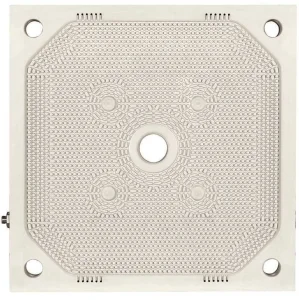
Municipal wastewater treatment facilities require high processing volumes and efficient sludge cake disposal. The combination of our automatic chamber filter presses and high-strength polypropylene filter cloths creates dry, easily transportable filter cakes. This reduces transportation costs and helps plants meet disposal regulations.
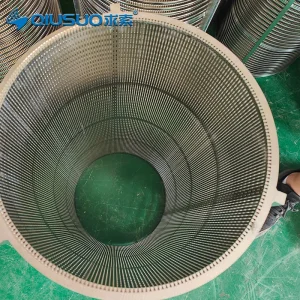
Chemical processing exposes equipment to high temperatures and aggressive solvents. Our customized polyester, polyamide, and high-density polypropylene filter cloths resist chemical degradation. For high-temperature solvent applications, our 316L stainless steel sintered filter discs provide reliable particle retention without thermal degradation.
Mining operations require highly durable equipment to handle coarse, abrasive mineral slurries. Jovios heavy-duty filter plates and reinforced wear-resistant filter cloths handle high pressures and resist tearing, keeping filtration systems running consistently in remote operations.
Food, beverage, and pharmaceutical processing require strict adherence to hygiene standards. Our FDA-compliant food-grade nylon filter mesh screens feature precise micron openings and smooth, monofilament fibers. This enables efficient cake release, prevents bacterial buildup, and supports thorough washdown procedures.
The next generation of solid-liquid separation: automated systems, smart materials, and environmental efficiency.
The industrial filtration landscape is transitioning from manual, labor-intensive operations to smart, automated systems. Key technology trends shaping the next decade include:
Critical specifications and quality benchmarks for evaluation by procurement and engineering teams.
To ensure high performance and minimize operational risk, procurement departments should verify the following parameters when sourcing industrial filter media:
1. Slurry Particle Size Distribution (PSD): Select a micron rating that balances filtrate clarity with filtration velocity. Choosing a rating that is too fine can cause premature blinding, while a rating that is too coarse leads to cloudy filtrate.
2. Chemical Compatibility Matrix: Match the polymer selection (PP, PET, PA, PTFE) to the pH, solvent profile, and operating temperature of the slurry to prevent premature fiber degradation.
3. Air Permeability Rating: Verify the fabric’s air flow rating (measured in $l/dm^2 \cdot min$ at a specified pressure drop). This rating directly affects cycle times and throughput.
4. Mechanical Cake Release Properties: Smooth monofilament weaves or calendered fabric surfaces help the filter cake slide off cleanly, reducing manual cleaning time and cycle times.
Clear, detailed technical answers to common questions about industrial filtration systems and media choice.
Chamber filter presses use fixed-volume recessed plates to collect filter cake. They are cost-effective and suitable for standard applications. Membrane filter presses include flexible plates that can be inflated with air or water to mechanically squeeze the cake. This secondary squeeze reduces cycle times, lowers cake moisture content, and uses less energy during subsequent drying phases.
Filter cloth blinding occurs when fine particles lodge within the weave of the fabric or when chemical scaling blocks the pores, reducing flow. It can be prevented by selecting monofilament fibers, applying a calendered finish, using automatic high-pressure cloth washers, or treating the fabric with specialized coatings (like PTFE) to improve cake release.
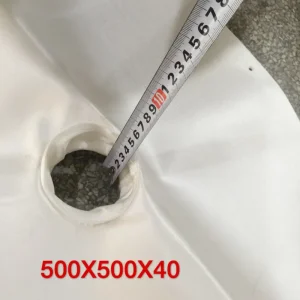
Yes. Jovios provides comprehensive OEM and ODM support. We manufacture filter plates and cloths to fit a wide range of international equipment brands, matching exact dimensions, feed hole locations, and sealing styles. We can work from engineering drawings or replicate the dimensions of a physical sample.
Sintered porous metal filters, typically made from 304 or 316L stainless steel, offer superior mechanical strength, high thermal tolerance (up to 600°C), and excellent chemical compatibility. They are ideal for high-pressure systems, corrosive chemical filtration, and catalyst recovery where fabric media would degrade.
Lead times vary based on design complexity and order size. Standard filter cloths and plates are typically completed within 2 to 3 weeks. Custom, large-scale automated filter press systems generally take 6 to 8 weeks, including full fabrication, assembly, and pressure testing.
Explore our range of heavy-duty filter cloths, manual press systems, and high-strength separation components.
 Jovios Equipment