Kiribati, an island nation composed of 32 atolls and one raised coral island (Banaba), faces unique geographical and ecological challenges. The management of scarce freshwater resources, protection of fragile marine ecosystems, and development of localized industrial activities require robust technological solutions. In an environment dominated by high salinity, relative humidity, and delicate coral reef ecosystems, solid-liquid separation becomes a crucial operational pillar.
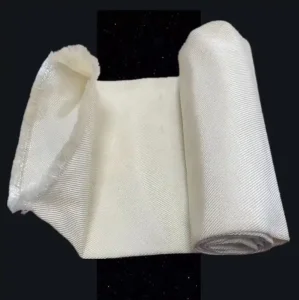
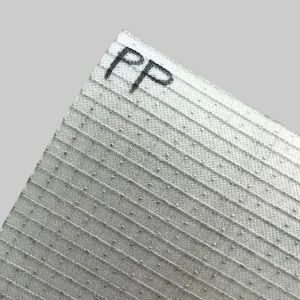
From the municipal wastewater treatment in South Tarawa to the processing of agricultural derivatives like copra and coconut oil, filtration systems are critical to ensuring ecological compliance and operational efficiency. Polypropylene (PP) filter cloths, renowned for their exceptional resistance to chemical corrosion, low moisture absorption, and mechanical durability, serve as the backbone of modern separation equipment in Kiribati.
As a premier global supplier of solid-liquid separation media, Jovios Equipment Co., Ltd. provides customized filtration technologies engineered to withstand the extreme coastal environments of the Pacific region. By optimizing filtration processes, we help local operations achieve high dry cake yields, clean filtrate recovery, and minimized environmental discharge.
Globally, the demand for highly efficient solid-liquid separation media has escalated due to stricter environmental regulations and the rise of automated processing plants. Modern industrial filtration now emphasizes the reduction of energy consumption, maximization of water recycling, and minimization of waste volumes. Polypropylene has emerged as the global material of choice, capturing the majority share of the wet filtration market due to its versatility, affordability, and physical robustness.
However, deploying these technologies in Small Island Developing States (SIDS) like Kiribati presents distinct constraints. The remote location limits access to immediate technical support, making reliability and ease of maintenance primary purchasing criteria. High saltwater exposure means that metal components and synthetic fabrics must be corrosion-resistant. Standard, low-grade filtration fabrics often suffer from premature blinding, thermal contraction, or chemical degradation in these conditions, leading to frequent operational shutdowns.
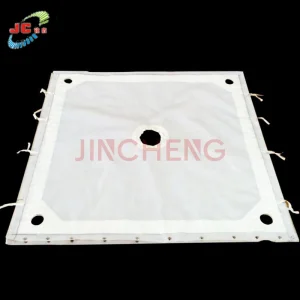
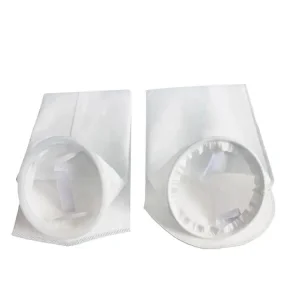
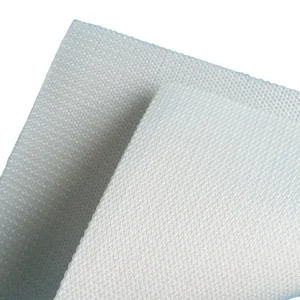
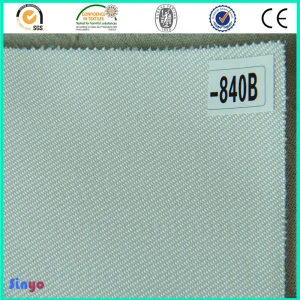
Jovios addresses these challenges by supplying specialized PP filter fabrics designed with superior dimensional stability, advanced weave patterns (plain, twill, satin), and customized chemical treatments. Our products are engineered for extended lifespans, ensuring that plants in remote Pacific regions run smoothly without requiring constant replacement cycles.
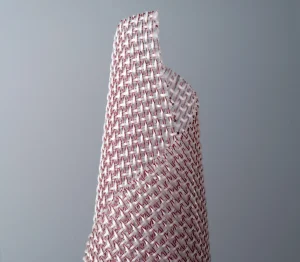
Polypropylene is a thermoplastic polymer derived from monomer propylene. In industrial filtration, it is utilized in three primary yarn configurations: monofilament, multifilament, and staple (spun) fiber. Each structure offers distinct filtration characteristics suitable for different municipal and industrial cake-forming applications.
| Property Metric | Monofilament PP | Multifilament PP | Staple (Spun) PP |
|---|---|---|---|
| Weave Density & Structure | Single strand, uniform spacing | Multiple twisted micro-strands | Short, fuzzy carded fibers |
| Cake Discharge Efficiency | Excellent (Smooth surface) | Good (Moderate retention) | Fair (Higher surface resistance) |
| Particle Retention Range | > 50 microns (Coarse) | 5 to 50 microns (Medium-Fine) | < 5 microns (Very Fine) |
| Tensile Strength | High (Resistant to abrasion) | Very High (Optimal flex life) | Moderate |
| Chemical Resistance | Exceptional in Acids & Alkalis | Exceptional in Acids & Alkalis | Exceptional in Acids & Alkalis |
| Optimal Applications | Mining tailings, Sand washing | Wastewater sludge, Food processing | Chemical fine powders, Clay |
By selecting the correct yarn type and weave pattern, Jovios optimizes parameters such as air permeability, bubble point, and cake release coefficients. For the high humidity environment of Kiribati, we integrate special hydrophobic properties that accelerate dry cake release, reducing the water footprint of filter press operations.
With ground-water depletion, desalination plants are critical in Kiribati. Our high-permeability PP filter cloths are utilized in pre-treatment filtration loops to capture micro-algae, suspended sea-sand, and organic matter, protecting sensitive reverse osmosis (RO) membranes from premature clogging.
Coconut oil production is one of Kiribati's primary domestic agricultural industries. Food-grade polypropylene filter cloths from Jovios provide clean, odor-free oil filtration, removing residual fine fibers and copra meal cakes without transferring any chemical additives to the edible oil product.
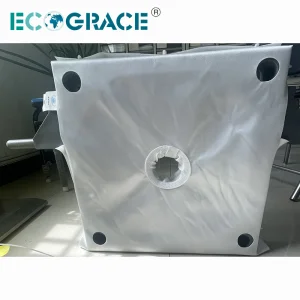
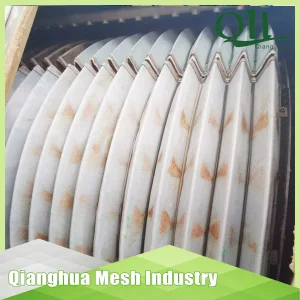
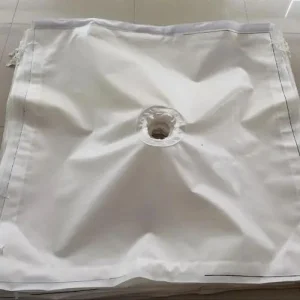
Protecting the fragile freshwater lens of Tarawa requires robust sewage sludge treatment. Our heavy-duty PP press cloths are installed in membrane plate filter presses to turn municipal sludge into dry cakes, allowing safe transport and disposal without risk of groundwater leaching.
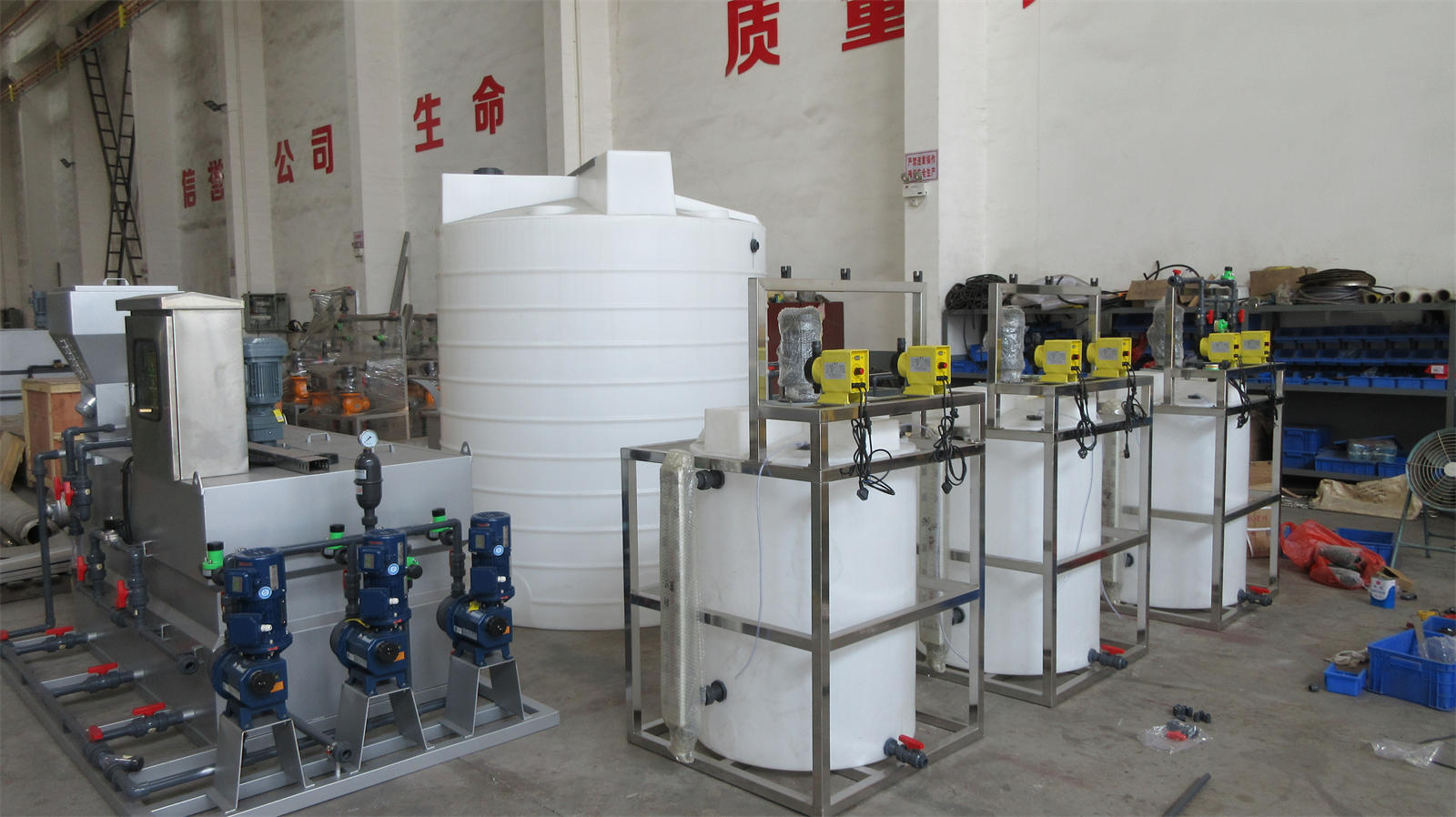
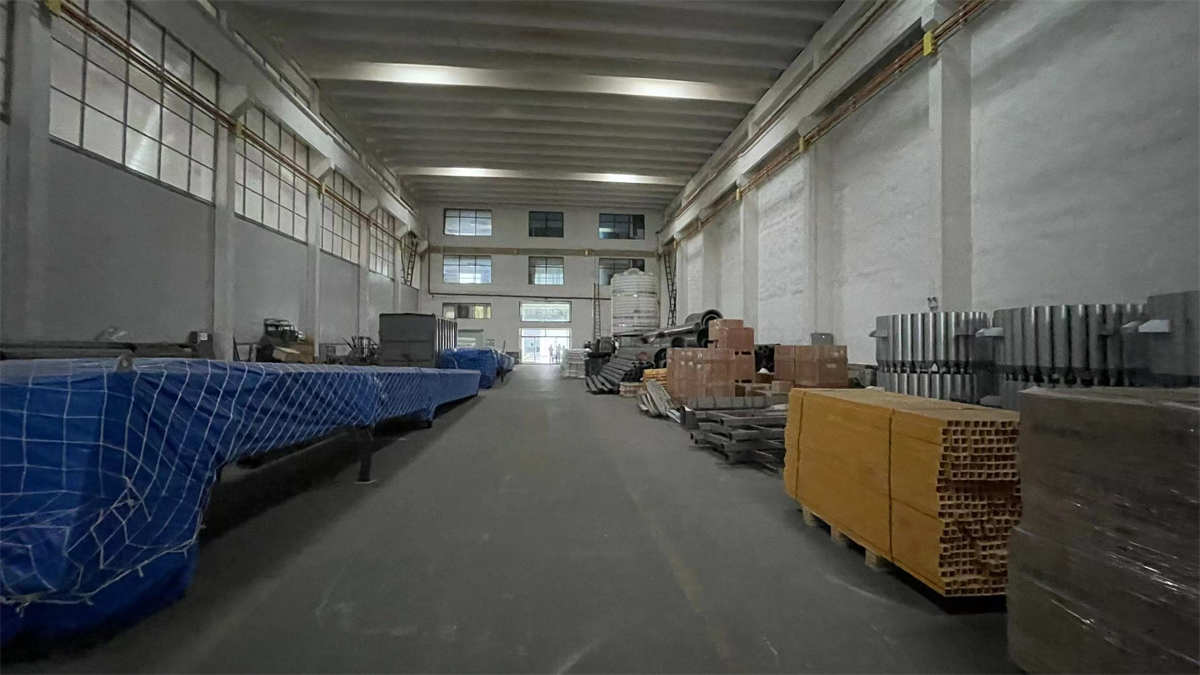
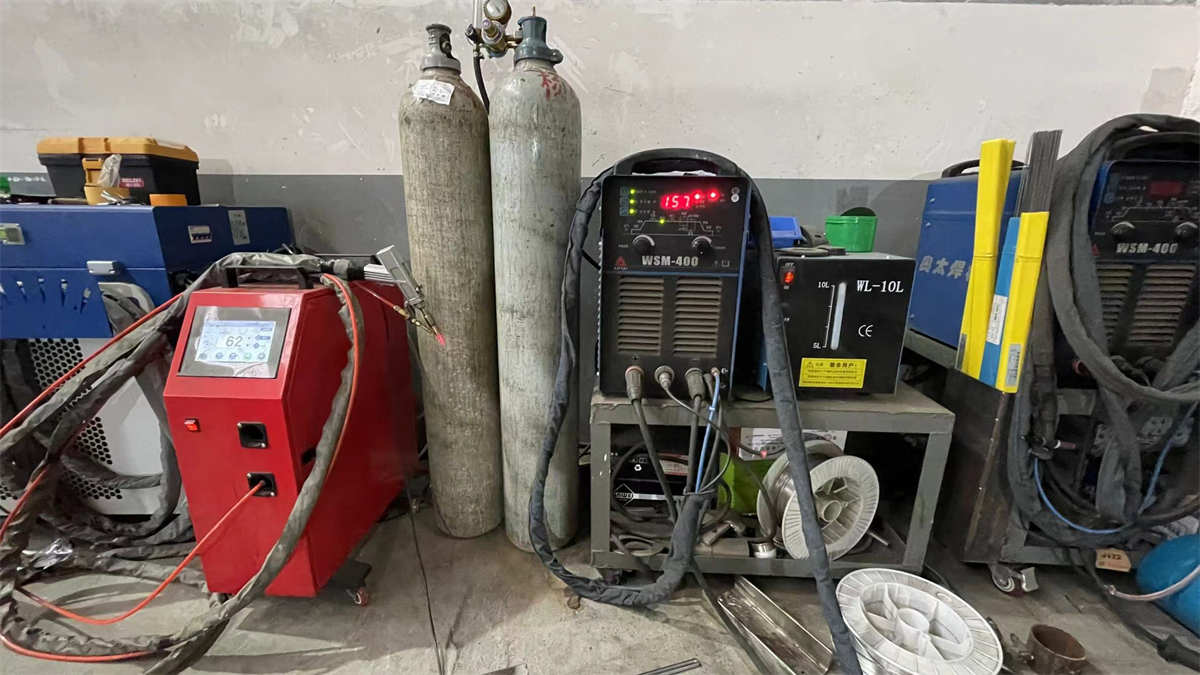
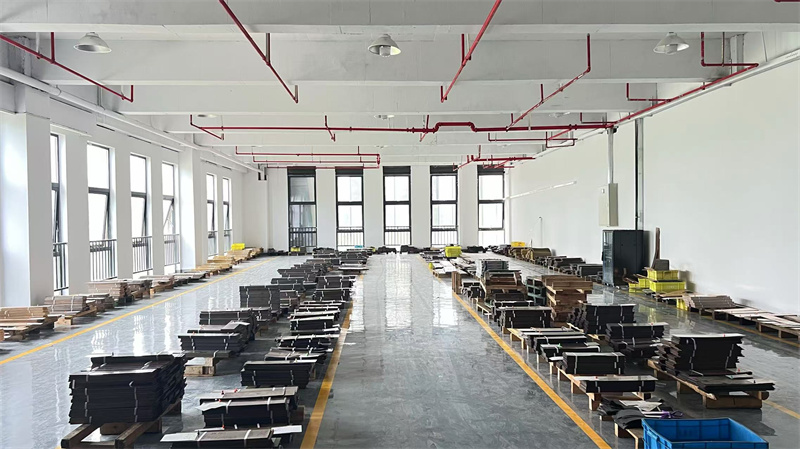
Changzhou Jovios Equipment Co., Ltd. is a professional manufacturer and solution provider specializing in solid-liquid separation and environmental protection equipment. Located in Changzhou National High-tech Industrial Development Zone, Jiangsu Province, China, the company operates a modern manufacturing base covering more than 50,000 square meters, equipped with advanced production facilities and a comprehensive quality inspection center.
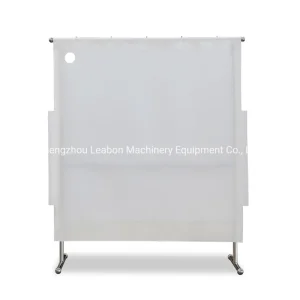
Jovios independently designs, develops, and manufactures a complete range of filtration and separation equipment, including plate and frame filter presses, membrane filter presses, automatic filter presses, intelligent filtration systems, as well as high-performance filter plates and filter cloths. With an annual production capacity exceeding 1,000 units, our products are widely applied in municipal wastewater treatment, chemical processing, petroleum, mining, metallurgy, pharmaceuticals, food and beverage production, paper manufacturing, textile dyeing, ceramics, building materials, and many other industries.
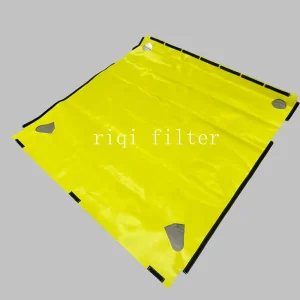
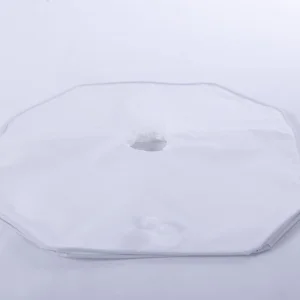
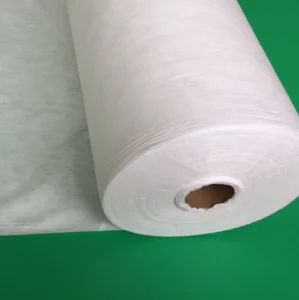
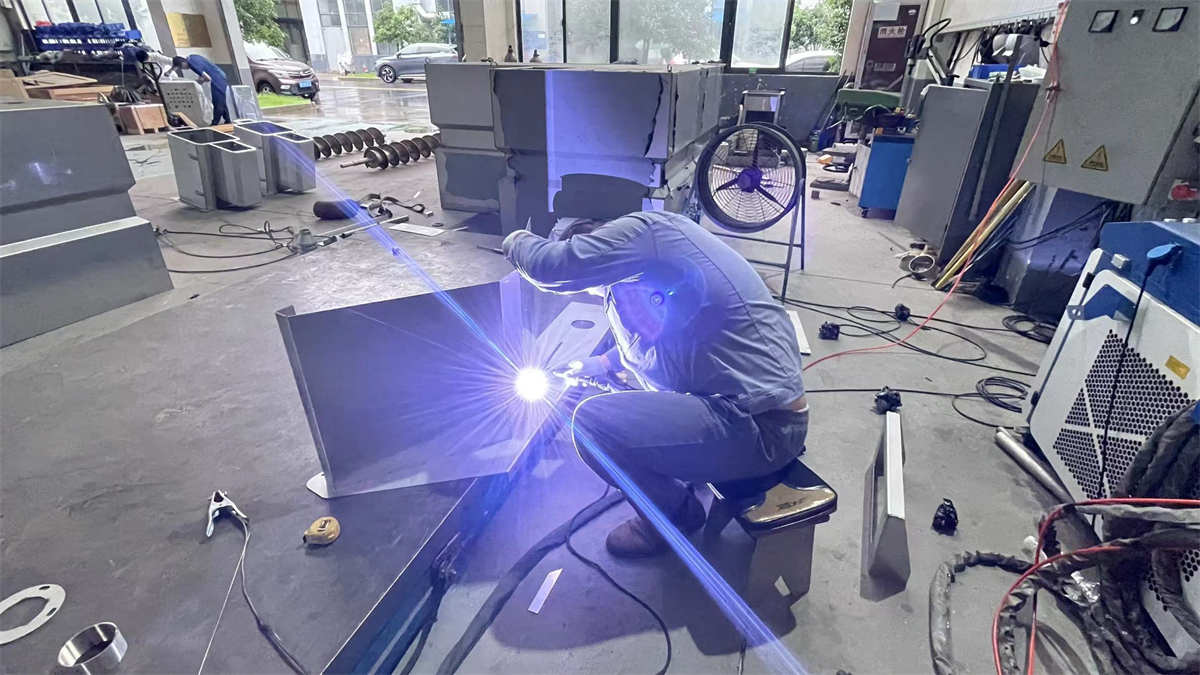
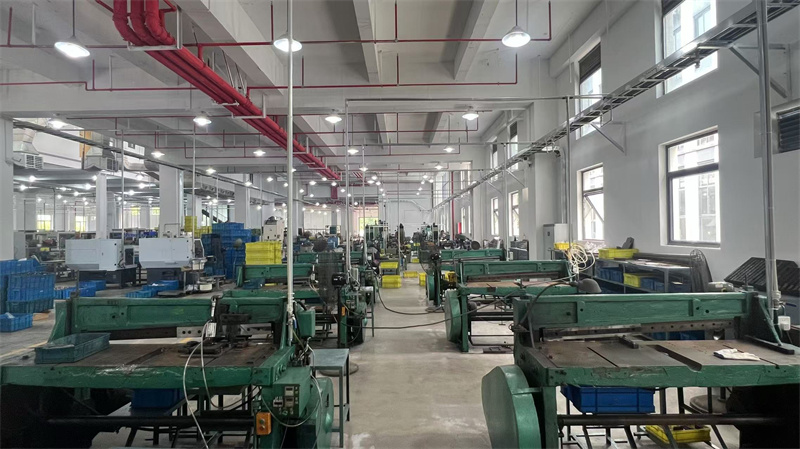
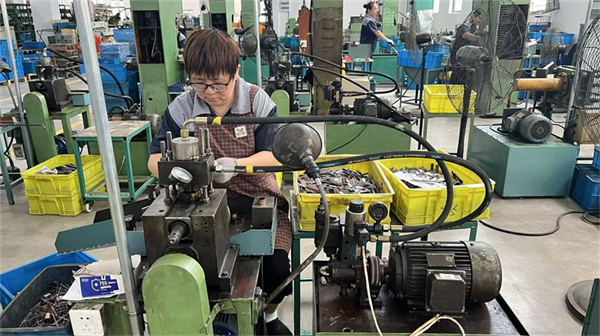
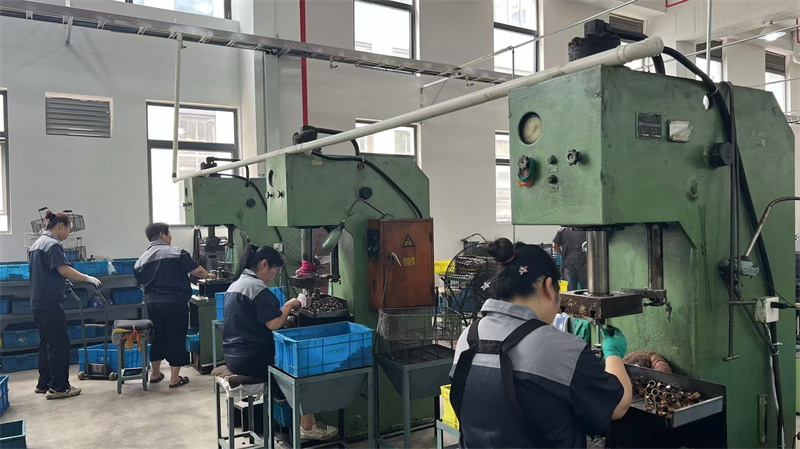
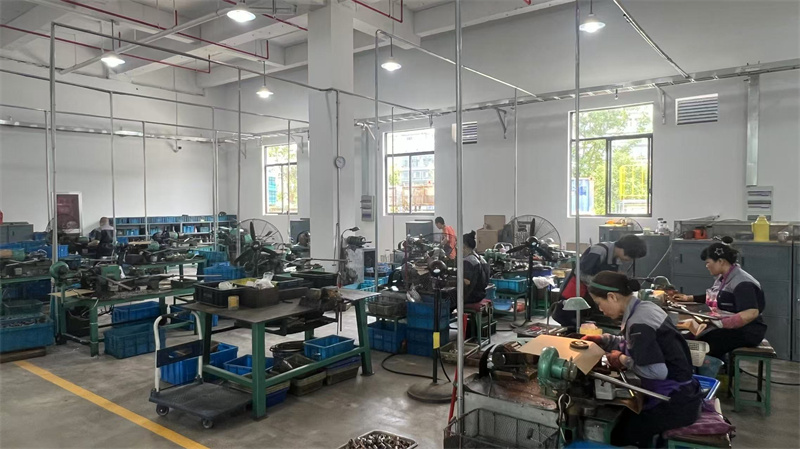
Our factory floor utilizes advanced German-engineered heavy-duty weaving looms, laser cutting systems, and automatic edge-sealing technology to guarantee that every filter cloth sheet complies with strict physical tolerance limits.
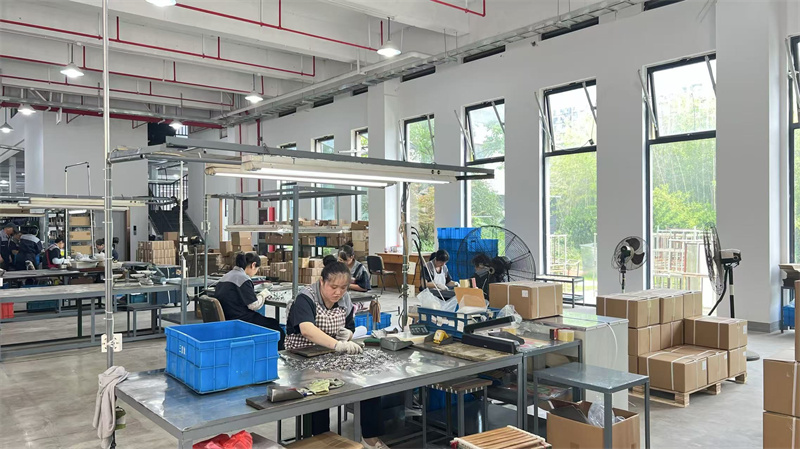
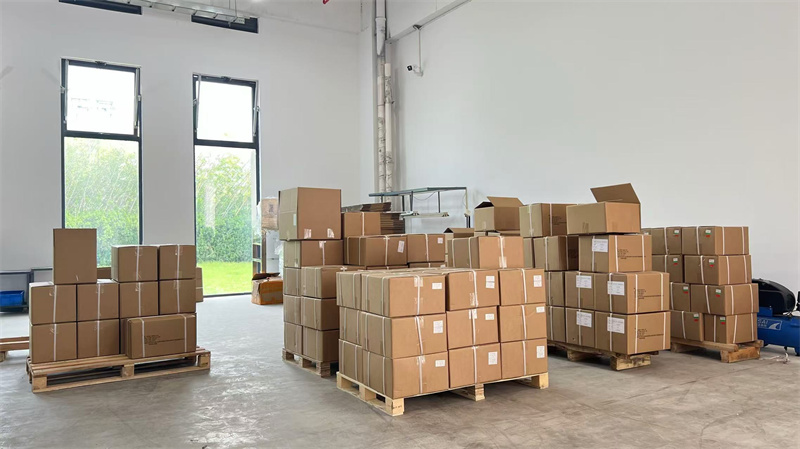
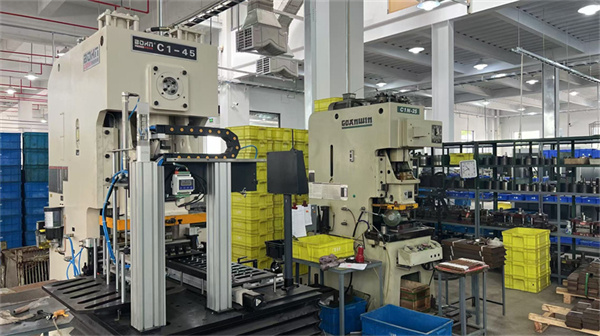
Transporting equipment to remote Pacific destinations like the Port of Betio in Tarawa requires comprehensive logistics coordination. At Jovios, we provide robust export packaging with multi-layered moisture barriers to shield synthetic materials from maritime humidity and saline air during transit.
We ensure compliance with international industrial standards, including FDA regulations for food-contact applications (specifically critical for copra and oil extraction) and ISO 9001 quality management procedures. Every shipment is dispatched with certificate documentation verifying the filter fabric's weave consistency, tensile properties, and micron ratings.
Jovios is committed to continuous innovation in material science to align with global sustainability targets. Our research division is developing advanced PP fabrics with hydrophobic nano-coatings that prevent cellular organic binding, drastically reducing clean-in-place (CIP) wash frequency and freshwater usage.
Furthermore, our product roadmap targets the circular economy by engineering recyclable monofilament blends. Once a filter cloth reaches the end of its operational lifecycle, the polymer can be reprocessed, reducing landfill accumulation in fragile island environments.
 Jovios Equipment