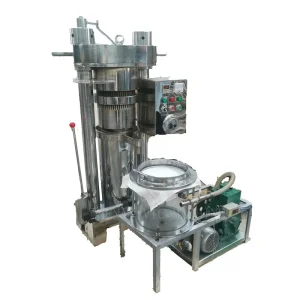
Engineered systems and heavy-duty filtration consumables designed for maximum dry-cake efficiency.
In the era of hyper-regulated environmental mandates and zero-liquid-discharge (ZLD) directives, industrial companies are shifting away from energy-intensive centrifugal drying toward ultra-high-pressure mechanical hydraulic dewatering. Global demands in municipal sludge management, mineral extraction tailing stacks, and high-purity chemical processing have forced a structural evolution in hydraulic filter press designs.
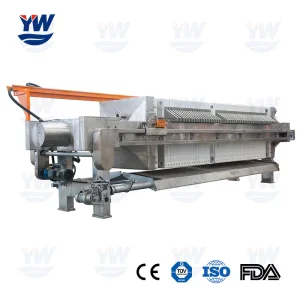
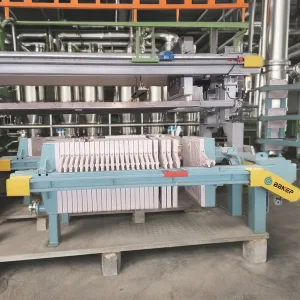
Industries no longer treat wastewater sludge as liability. Utilizing automated high-pressure chamber presses with recessed polypropylene filter plates allows companies to extract dry solid cakes ready for mineral recovery or eco-friendly incineration, dramatically reducing disposal costs.
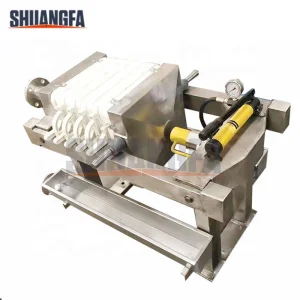
Traditional screw or manual clamping systems cannot guarantee zero leakage under 0.6 Mpa feeding pressures. Modern systems utilize advanced hydraulic cylinders containing wear-resistant double seals and automated pressure compensation valves to maintain closure force during lengthy fill cycles.
Integration of PLC systems with pneumatic cake blowing, automated plate shaking, and high-efficiency spray bar cleaning configurations maximizes operational uptime, keeping manual labor requirements strictly to a minimum.
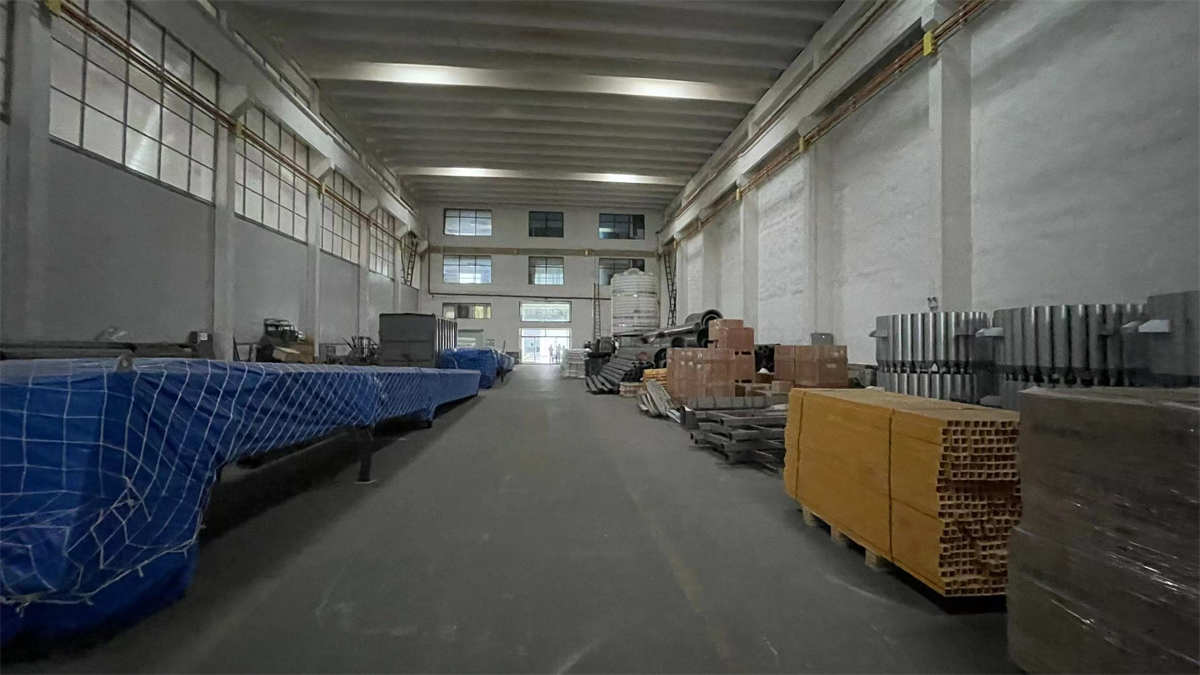
Changzhou Jovios Equipment Co., Ltd. is a professional manufacturer and solution provider specializing in solid-liquid separation and environmental protection equipment. Located in Changzhou National High-tech Industrial Development Zone, Jiangsu Province, China, the company operates a modern manufacturing base covering more than 50,000 square meters, equipped with advanced production facilities and a comprehensive quality inspection center.
Jovios independently designs, develops, and manufactures a complete range of filtration and separation equipment, including plate and frame filter presses, membrane filter presses, automatic filter presses, intelligent filtration systems, as well as high-performance filter plates and filter cloths. With an annual production capacity exceeding 1,000 units, our products are widely applied in municipal wastewater treatment, chemical processing, petroleum, mining, metallurgy, pharmaceuticals, food and beverage production, paper manufacturing, textile dyeing, ceramics, building materials, and many other industries.
In addition to filtration equipment, Jovios provides complete wastewater treatment solutions and engineering services. From process design and equipment selection to installation, commissioning, and operational support, we deliver turnkey wastewater treatment systems for both municipal and industrial customers worldwide.
Our experienced research and development team consists of more than 30 senior engineers and technical specialists. Through close cooperation with universities, research institutes, and industry partners, we continuously integrate innovative technologies into product development, ensuring reliable performance, higher efficiency, and sustainable operation.
At Jovios, we are dedicated to delivering efficient, energy-saving, and environmentally responsible separation solutions for industrial customers worldwide. Through continuous innovation and customer-focused engineering, we help businesses improve productivity, reduce operating costs, and achieve sustainable growth.
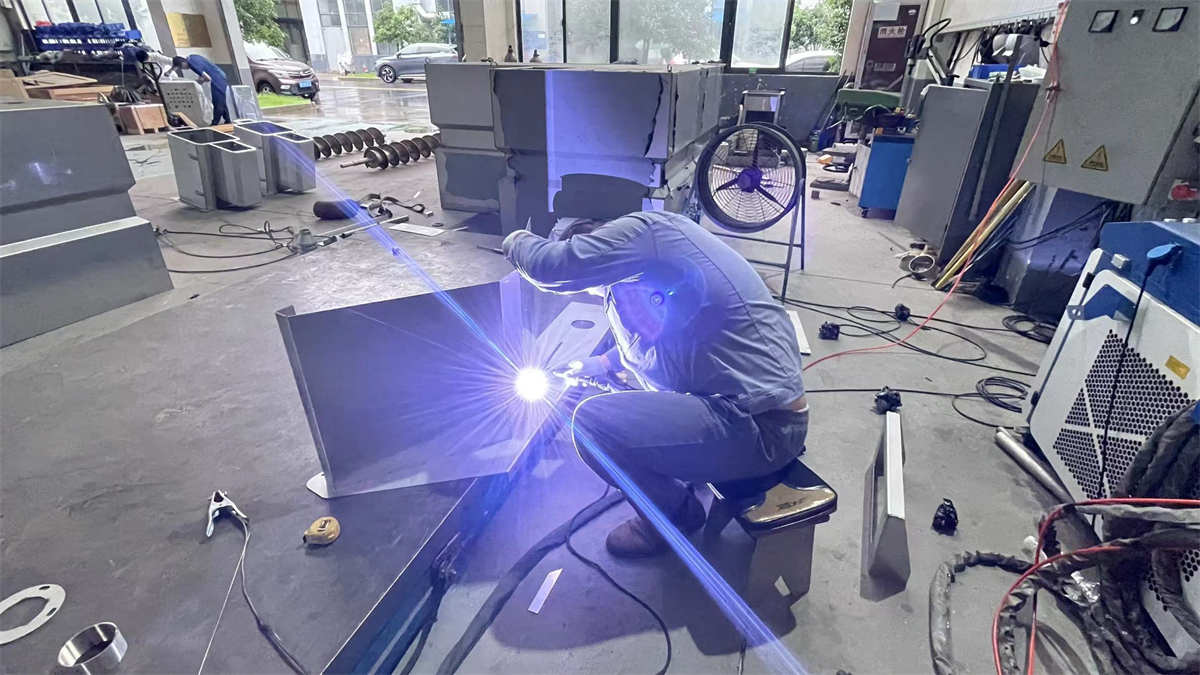
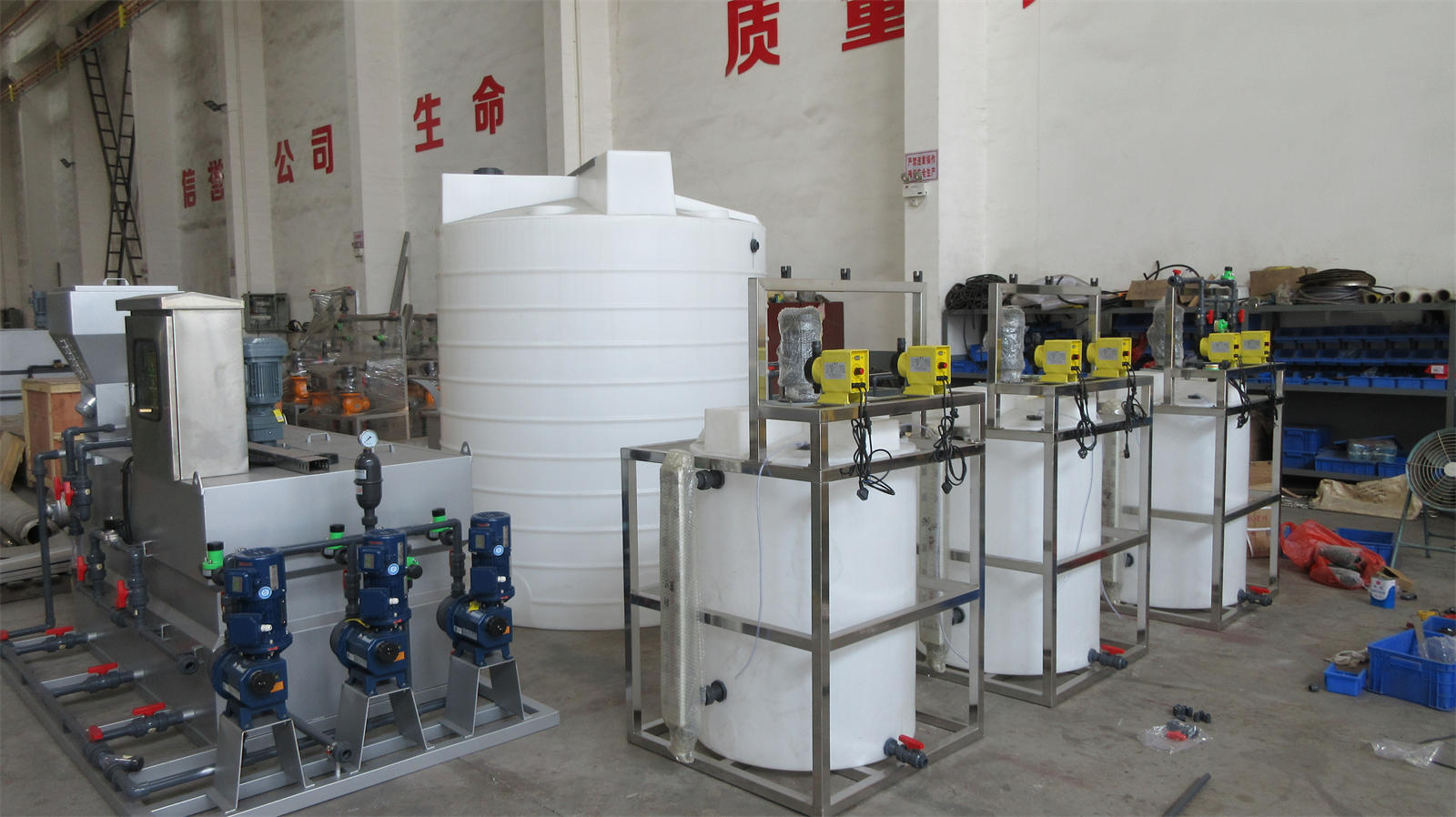
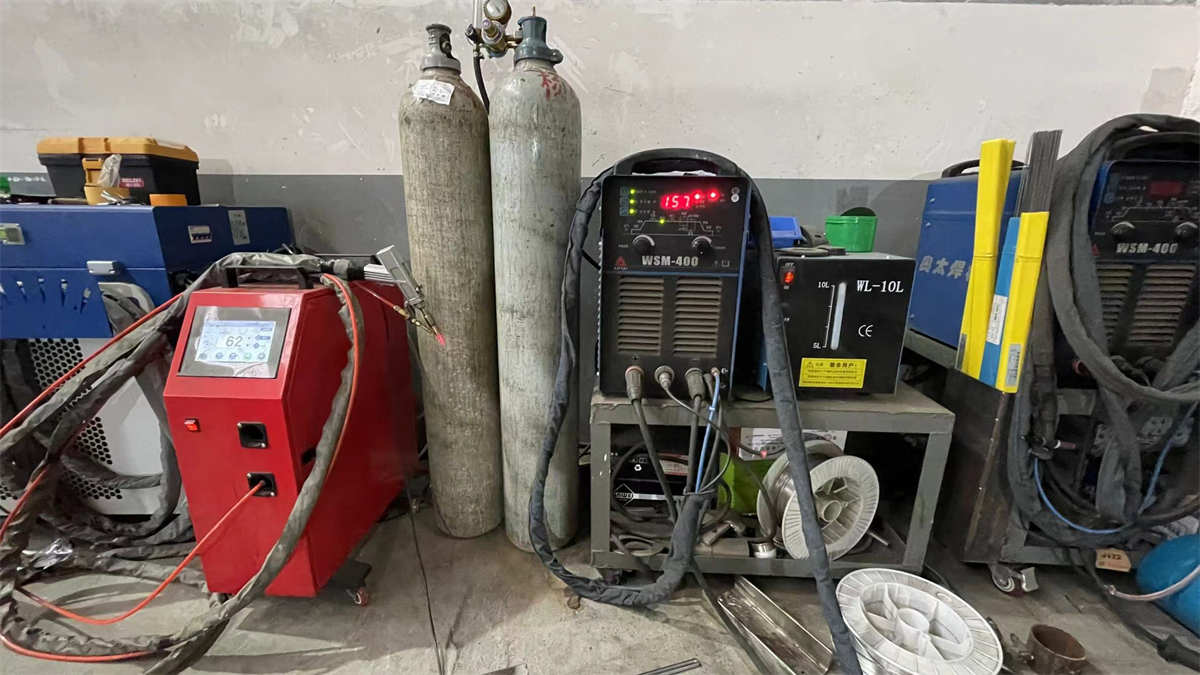
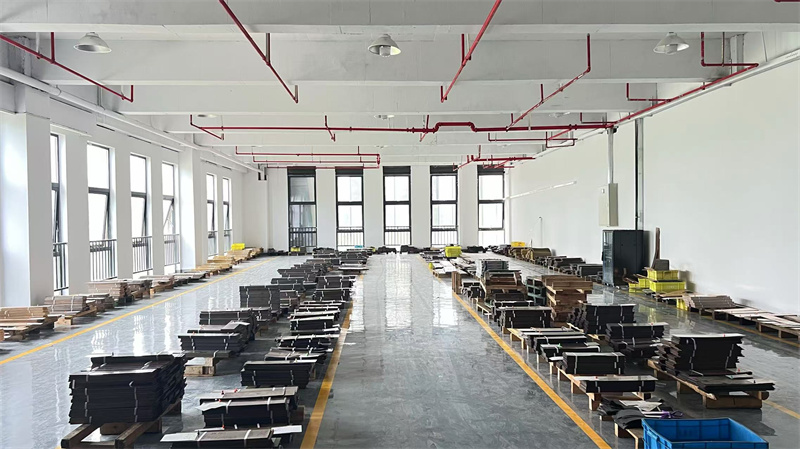
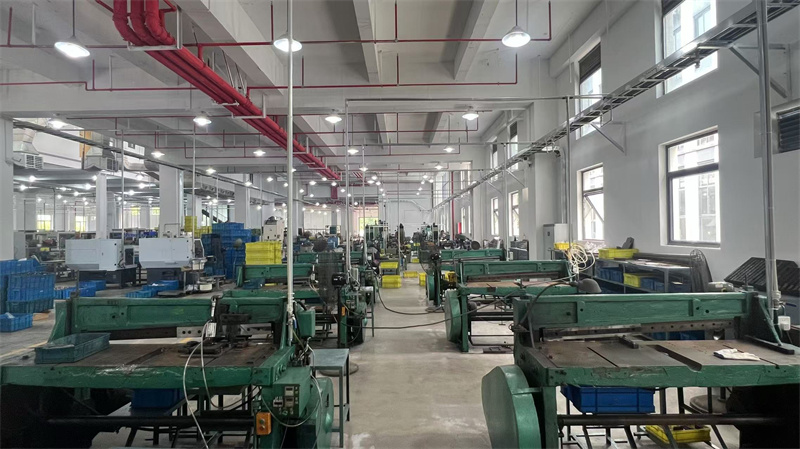
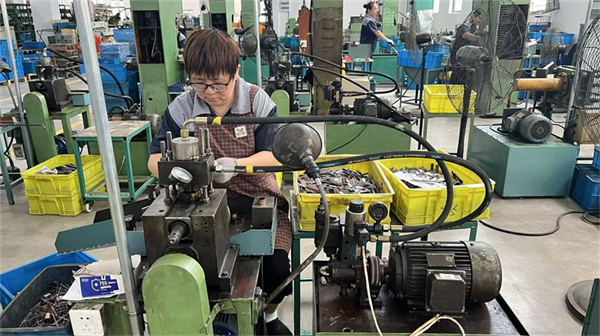
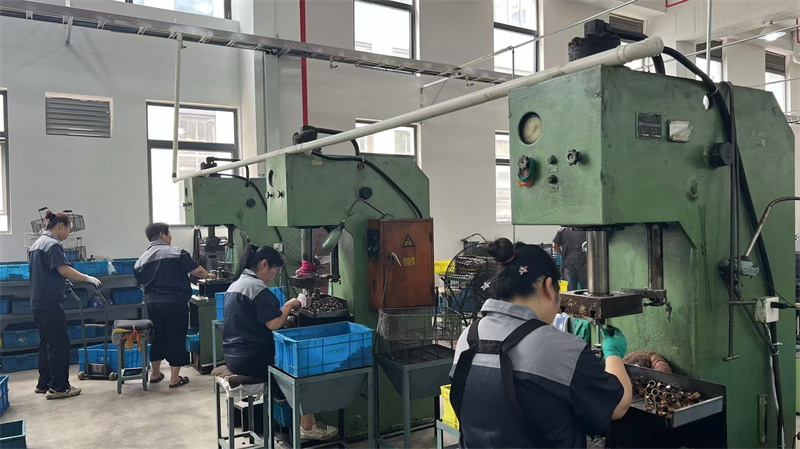
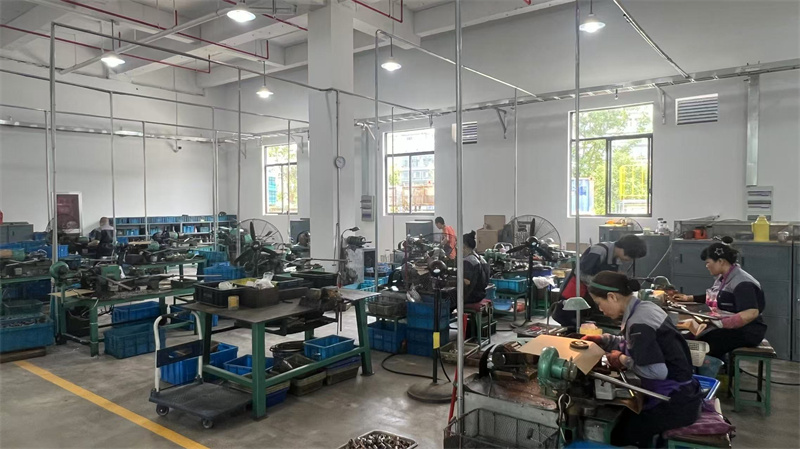
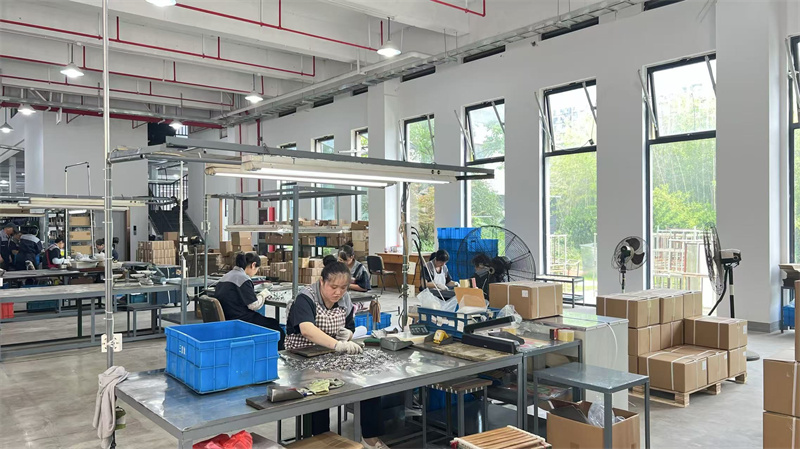
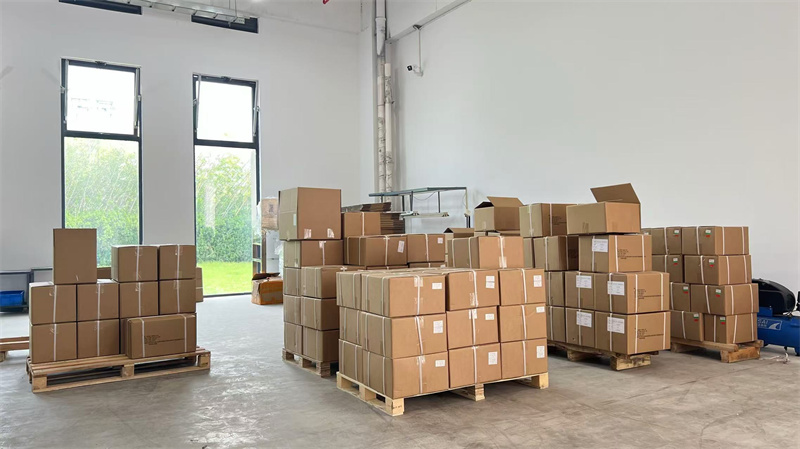
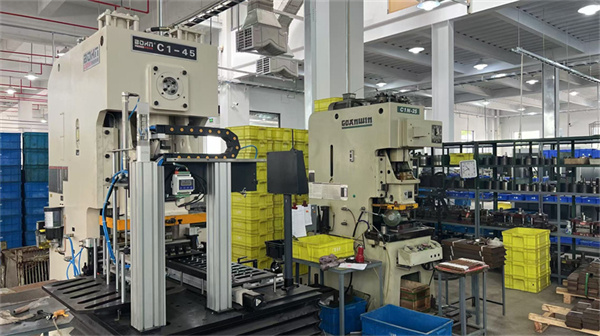
A detailed step-by-step visual overview of our industrial fabrication, processing, and assembly pipelines.
To achieve optimum dryness of the filter cake, it is critical to understand the mechanical interactions within a hydraulic filter press. The process relies on clamping force, sludge chemical conditioning, chamber volume design, and dynamic hydraulic pressure maintenance.
Modern heavy-duty hydraulic press designs utilize dual-acting steel cylinders with chrome-plated piston rods. Jovios designs plates to withstand up to 25 MPa of internal clamping pressure. This intense compressive force keeps the recessed chamber plate pack closed tight while slurry is forced inside at feed pressures up to 1.6 MPa. Integrated hydraulic control blocks with accumulator tanks ensure that the system automatically compensates for thermal expansion or pressure drops during long processing runs.
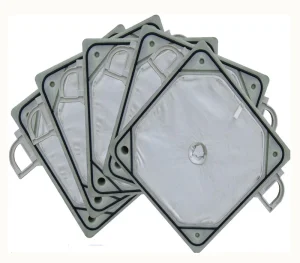
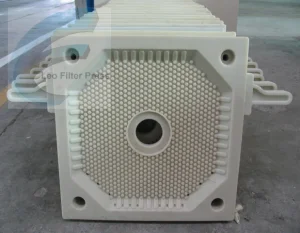
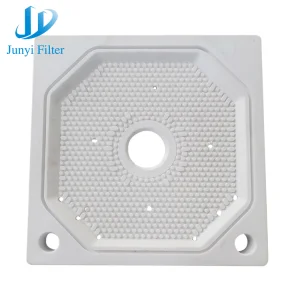
For highly corrosive chemical separation, reinforced polypropylene plates stand out as the premium choice. Virgin PP offers exceptional chemical resistance to acids and alkalis and supports operating temperatures up to 90°C. For industrial municipal operations processing abrasive mining tailings, high-density PP ensures that plates do not crack under severe cyclic stress.
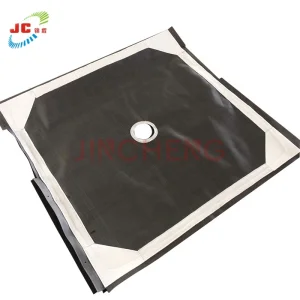
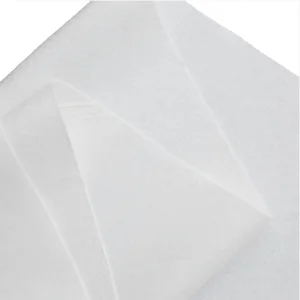
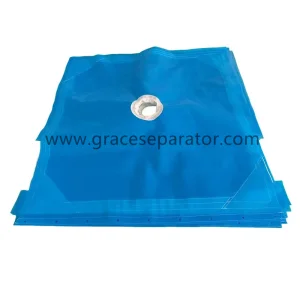
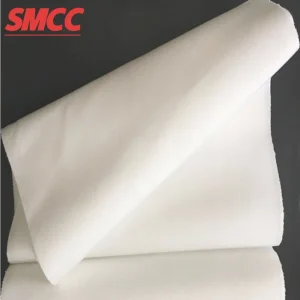
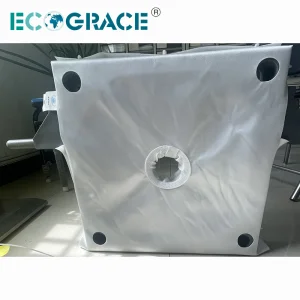
Filter cloth selection directly impacts filtrate clarity and cake discharge speed. Monofilament woven fabrics provide slick surfaces for easy cake release and are highly resistant to blinding, whereas multifilament fabrics provide higher retention of fine particulates. Customized raw materials like PA (Nylon), PP (Polypropylene), and PET (Polyester) must be selected based on slurry pH, temperature, and specific particle size distributions.
To reduce cycle time and minimize labor costs, Jovios integrates Siemens PLC systems that manage automatic plate shifting, drip tray operation, cake washing cycles, and air blow sequences. Smart sensors monitor feed lines and hydraulic cylinder positions, sending real-time operational diagnostics to control rooms to enable predictive maintenance and minimize unexpected downtime.
Sourcing industrial heavy machinery from China is no longer merely a cost-reduction strategy. It is about accessing an integrated supply chain, state-of-the-art engineering competence, and rapid project execution capabilities.
Unlike western builders who outsource casting, plate molding, and cloth sewing, Jovios operates its own dedicated workshop pipelines. From raw steel cutting to PP plate injection molding and complete control cabinet assembly, everything is handled under one roof. This minimizes supplier delays and ensures strict quality control.
Located in the Changzhou National High-tech Industrial Development Zone, Jovios is connected to prime transport corridors. With fast access to Shanghai and Ningbo deepwater ports, ocean freight logistics for oversized 15-ton machinery assemblies are streamlined, cost-effective, and highly reliable.
Our engineering base allows us to offer custom-tailored solutions—such as corrosion-resistant stainless steel cladded structural frames, automatic spray washing systems, or hazardous-area explosion-proof modifications—at a fraction of the cost of European and American manufacturers.
Expert insights addressing common engineering, procurement, and maintenance questions.
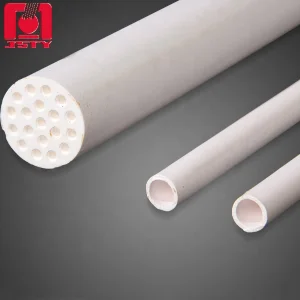
Explore our comprehensive range of specialized filters, ceramic membranes, and structural press systems.
 Jovios Equipment