Explore our high-performance filtration technologies, membrane separation devices, and specialized media optimized for municipal and industrial deployment.

Solid-liquid separation processes represent a cornerstone of modern industrial operations, environmental rehabilitation, and resource recovery frameworks. In an era governed by increasingly stringent global environmental regulations, rising operational expenditures, and a pressing need for carbon-neutral processing, selecting the correct custom separation equipment is no longer just a tactical procurement decision—it is a core strategic lever.
This paper analyzes the macro-economic and technical vectors reshaping the global separation equipment sector. It details the engineering dynamics of plate and frame systems, explores the shifting demands of industrial procurers, and documents how China's Factory 4.0 infrastructure—exemplified by manufacturers like Changzhou Jovios Equipment Co., Ltd.—is optimizing the global supply chain for custom OEM filtration and dewatering equipment.
"Efficiency in industrial separation is the direct conversion of waste slurry into dry, manageable solids and highly purified liquid streams. Achieving optimization requires a granular understanding of slurry rheology, cake filtration kinetics, and mechanical compaction cycles."
Historically, separation equipment served simple downstream purposes, primarily reducing municipal sludge volume for landfill disposal. Today, chemical refining, mineral mining, metallurgy, and pharmaceutical processing require separation equipment to act as active production units that directly impact product yield, water reuse loops, and environmental compliance parameters.
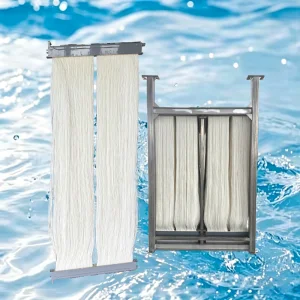
The global push towards "Zero Liquid Discharge" (ZLD) has forced plants to close their wastewater circuits. Under ZLD architectures, wastewater must be separated, filtered, and continuously recycled. Consequently, filter presses, diaphragm squeeze systems, and membrane biological reactors (MBR) have transitioned from auxiliary waste treatment systems to critical upstream components. In sectors like mineral mining, tailing dry stacking has become mandatory in many jurisdictions to prevent catastrophic tailings dam failures. This structural change requires rugged, high-volume automated filter presses capable of continuous duty cycles under intense hydrostatic and mechanical stresses.
Several critical engineering advancements are currently dominating the design and application of modern separation machinery:
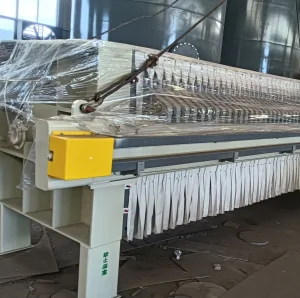
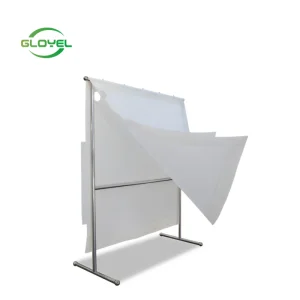
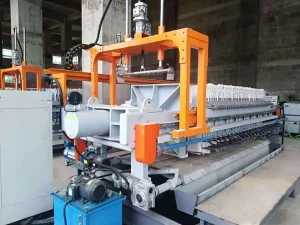
Modern installations are moving away from manual and semi-automatic operations. Fully automated plate pulling systems, integrated with smart sensors, monitor feed pressure, filtrate flow rate, and cake thickness in real-time. Automated high-pressure cloth washing systems use targeted spray headers to prevent media blinding, ensuring consistent cycle times and prolonged filter cloth service life. Programmed control systems (PLC) allow operators to fine-tune the cycle stages—slurry filling, squeeze, core blow, and cake discharge—optimizing performance for variable slurry consistencies.
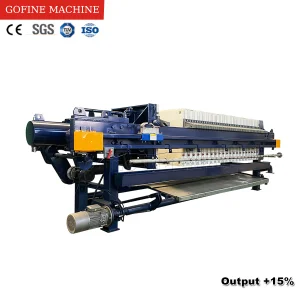
Compared to traditional recessed chamber filter presses, membrane (diaphragm) filter presses represent a major leap in efficiency. By introducing a secondary inflation media (water or compressed air) behind a flexible membrane plate, the press exerts mechanical compression directly onto the formed cake. This process significantly reduces cycle times, lowers air consumption during cake blowing, and achieves cakes with up to 15-25% lower residual moisture. Dry cakes translate directly to reduced transportation costs and lower thermal drying costs down the line.
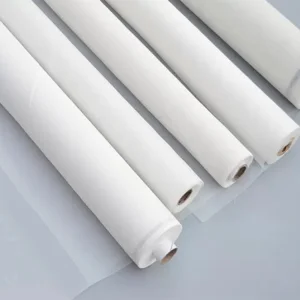
The chemical environment inside a filter press is often highly corrosive or abrasive. Modern manufacturers must utilize advanced polymers like virgin, high-density polypropylene (PP) or PVDF to construct filter plates. The physical properties of these plates dictate their thermal resilience and maximum squeeze pressure limits (often exceeding 1.6 MPa to 2.0 MPa for demanding industrial processes). For filter media, the weave geometry, yarn type (monofilament, multifilament, or staple fiber), and chemical finishes of polyester, nylon, and polypropylene fabrics are mathematically calibrated to balance particle retention with cake release efficiency.
Global procurement managers are shifting their evaluation metrics from initial capital expenditure (CAPEX) to Total Cost of Ownership (TCO). A lower-cost machine that suffers from frequent downtime, plate breakage, or premature filter cloth failure ultimately costs a facility millions in lost throughput.
Furthermore, there is no "one-size-fits-all" solution in solid-liquid separation. The slurry composition of a gold mine in South America differs radically from a municipal sludge matrix in Western Europe or a pharmaceutical broth in North America. Thus, enterprise buyers look for OEM partners who possess the deep engineering capacity to customize:
China's manufacturing sector has undergone a massive structural shift, moving from low-cost assembly to high-technology, vertically integrated smart manufacturing. The solid-liquid separation sector exemplifies this transformation. Facilities like Changzhou Jovios Equipment Co., Ltd. leverage localized industrial ecosystems to provide significant advantages in lead times, quality control, and customization flexibility.
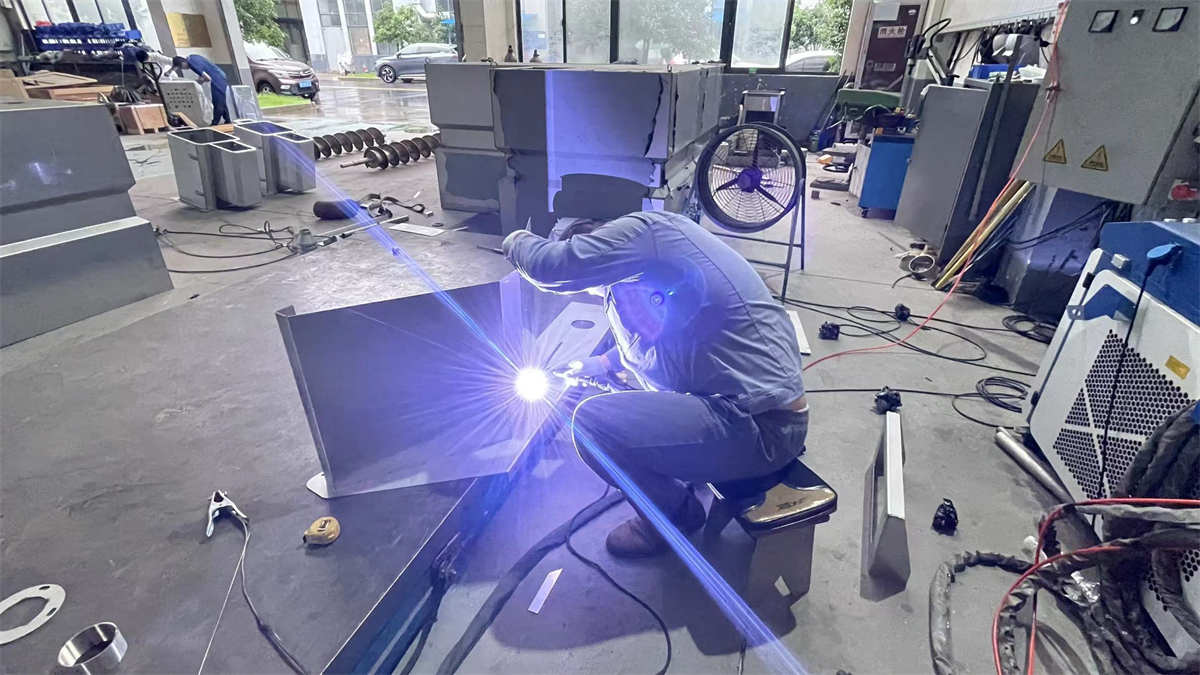
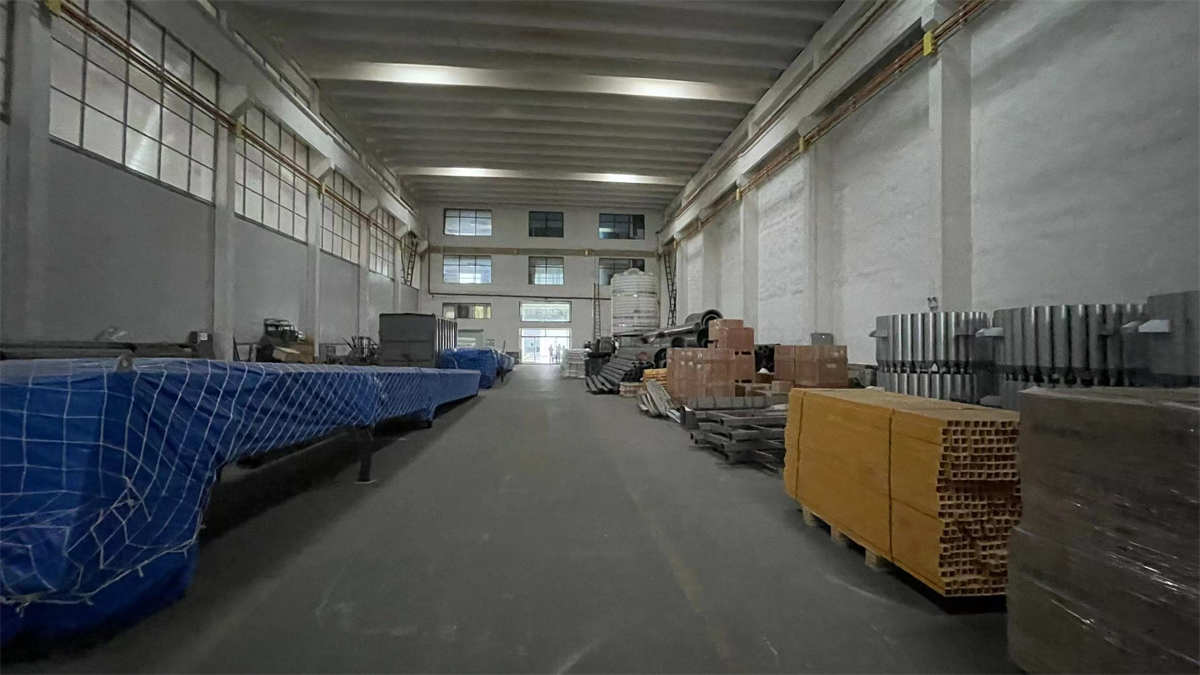
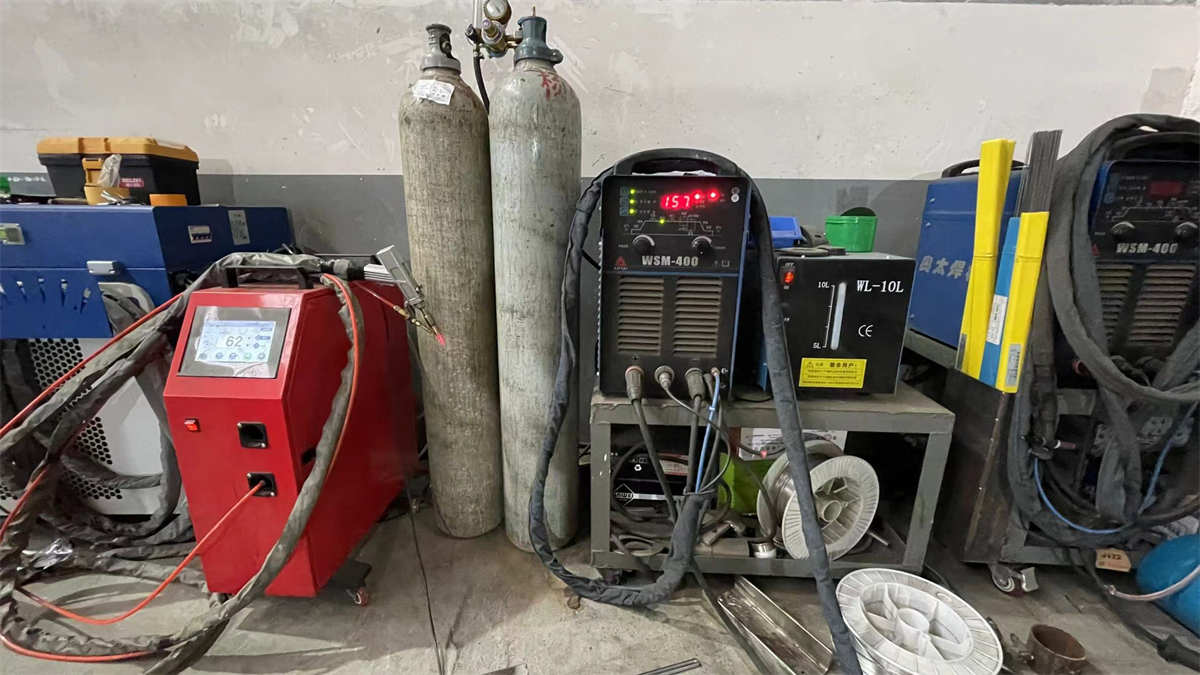
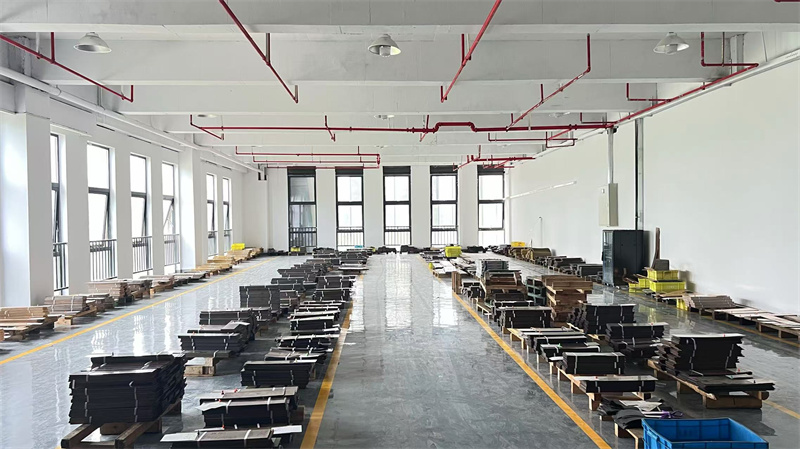
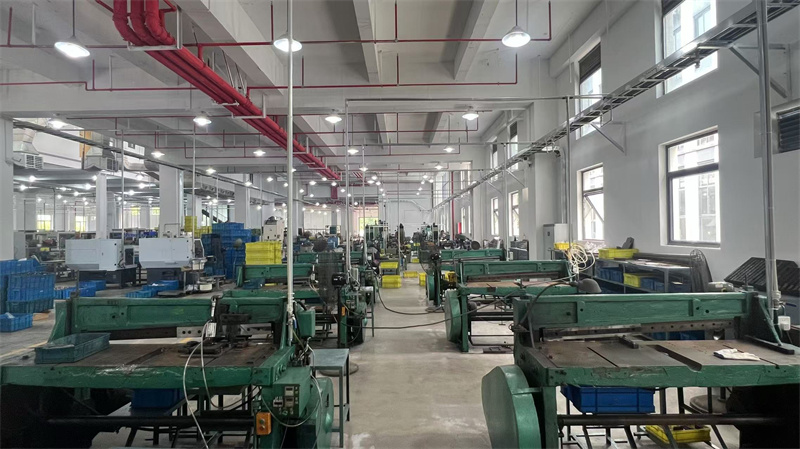
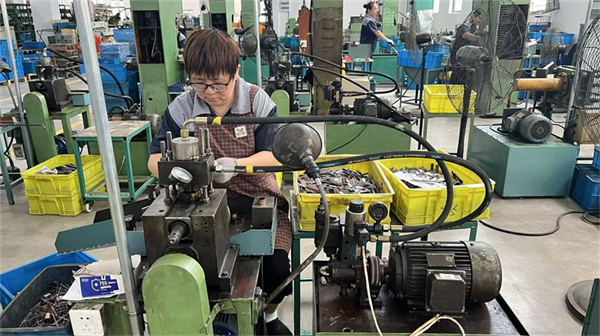
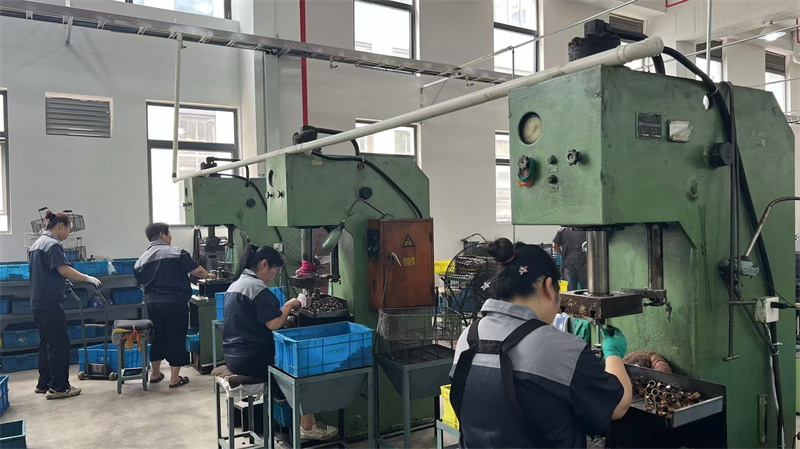
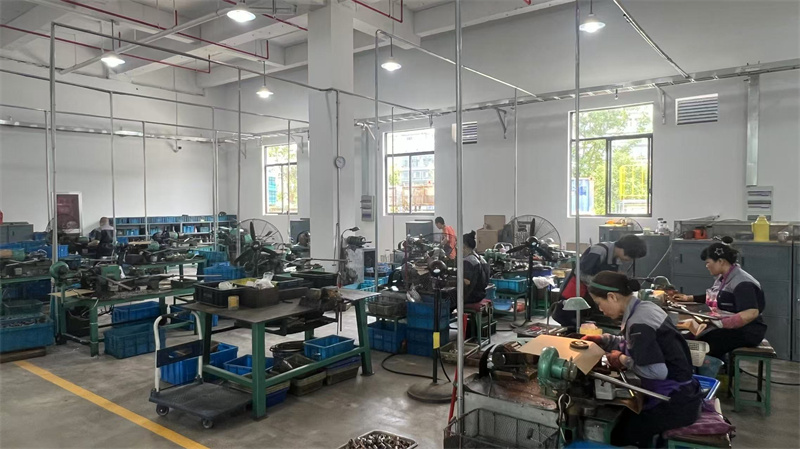
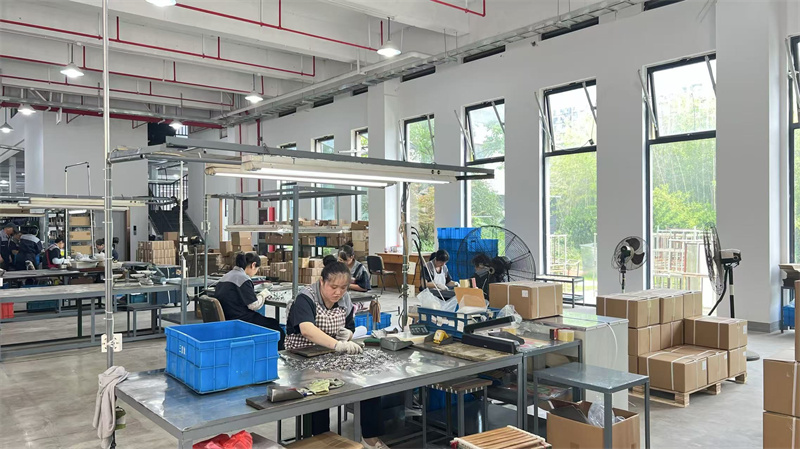
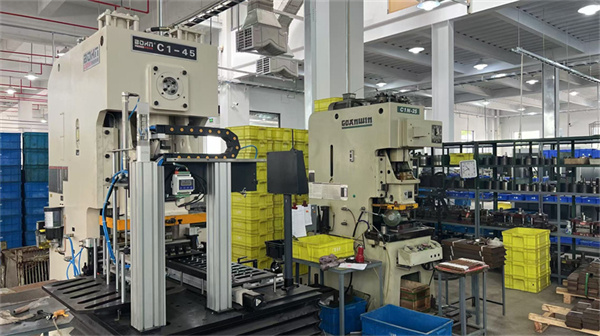
Located within the National High-tech Industrial Development Zone in Changzhou, Jiangsu, Jovios runs a 50,000-square-meter manufacturing plant. The integration of advanced machining tools, automated welding bays, high-capacity hydraulic test presses, and coordinate measuring machines guarantees that structural fabrications—such as the steel sidebars and main frames of heavy-duty filter presses—can withstand continuous cyclic loading without fatigue failure.
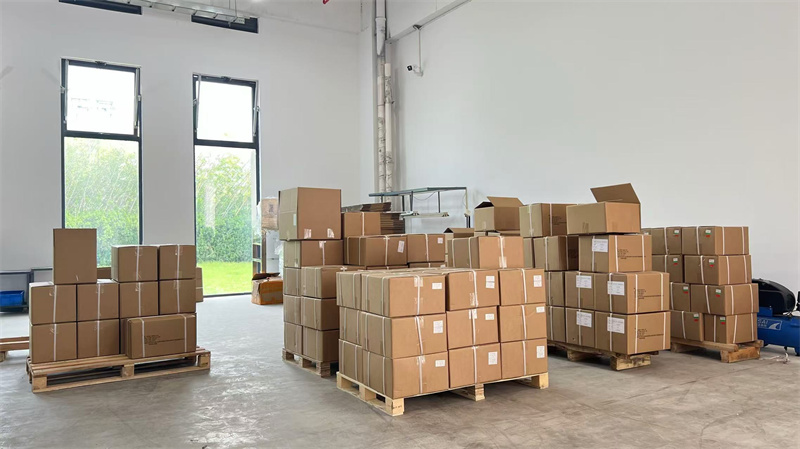
By consolidating raw material procurement, precision shearing, roll bending, high-pressure injection molding of PP plates, and final assembly under one roof, Factory 4.0 operations bypass the supply chain delays common to fragmented manufacturing operations. This allows global clients to procure highly tailored equipment on compressed schedules that traditional Western manufacturers struggle to match.
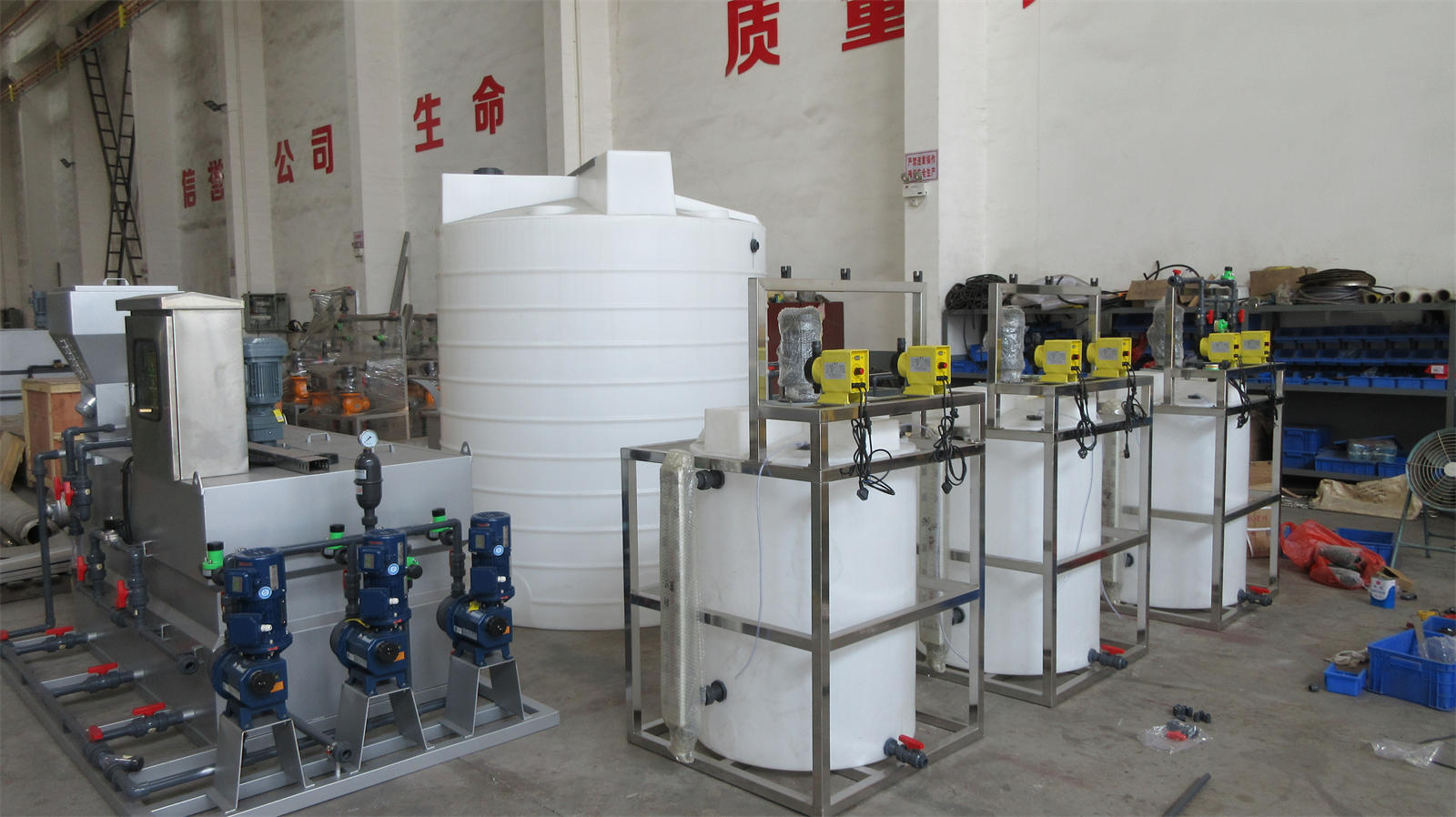
An overview of our fully integrated engineering and production process flow, ensuring structural stability, component precision, and rapid execution.
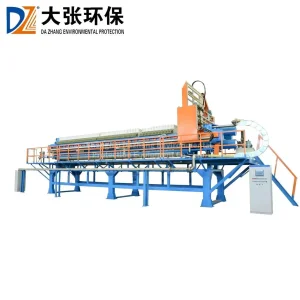
Municipal sludge requires reliable dewatering prior to drying or thermal recycling. By deploying our large-scale 200-square-meter automatic filter presses integrated with MBR membrane water filtration systems, municipalities achieve maximum cake dryness and highly purified effluent streams, reducing downstream disposal costs by up to 45%.
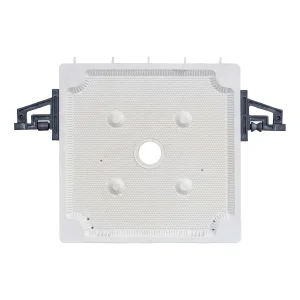
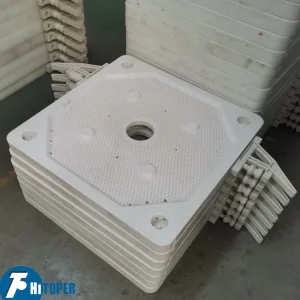
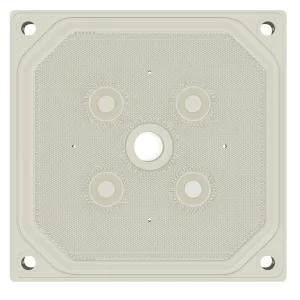
In corrosive and high-temperature environments, chemical stability is critical. Our gasketed PP filter plates (recessed sizes ranging from 520mm to 2000mm) prevent leakage of hazardous vapors or liquids at operating pressures up to 1.0 MPa. Combined with specialized polyester and nylon filter fabrics, they ensure high-purity chemical yields.
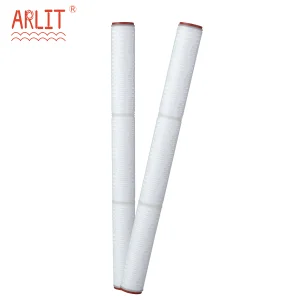
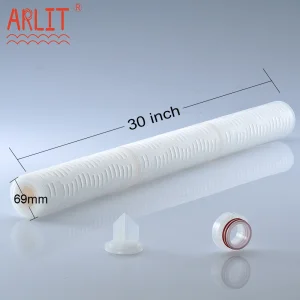
Hygiene and absolute product clarity are paramount in food and wine production. Utilizing our food-grade 30-inch pleated PES/PP membrane filter cartridges (down to 0.2 micron ratings), wineries and food processing plants can execute final filtration cycles that remove yeasts, bacteria, and micro-particles without altering flavor profiles.
Read answers to the most common technical questions concerning mechanical dewatering, system configurations, and customization options.
Premium replacement parts, automated filter plates, media membranes, and support equipment engineered to maximize the operational lifespan of your solid-liquid separation facilities.
 Jovios Equipment