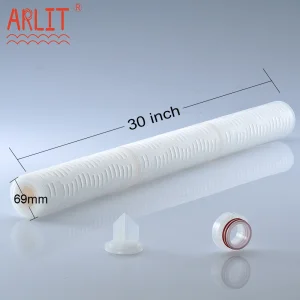
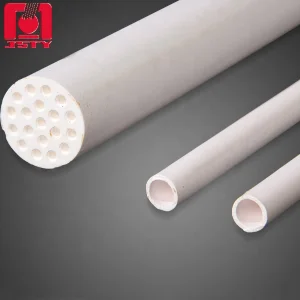
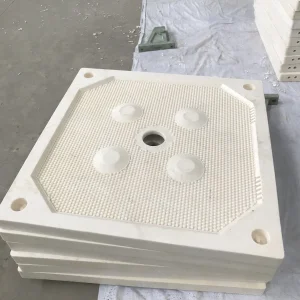
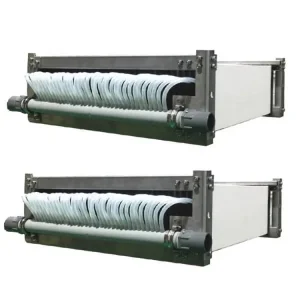
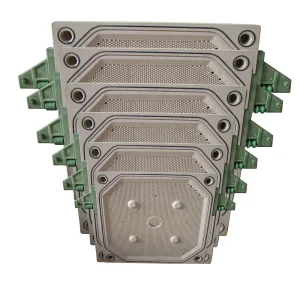
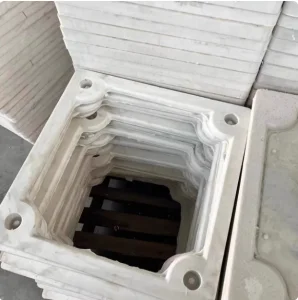
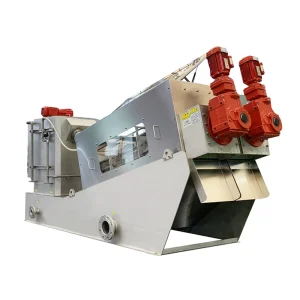
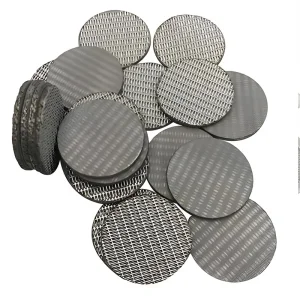
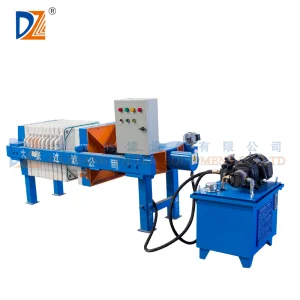
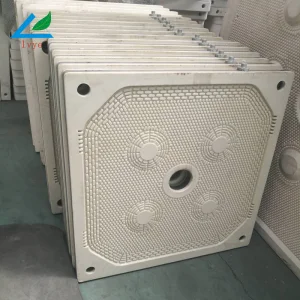
Explore high-performance membrane pleated filter cartridges, ultrafiltration ceramic membranes, customized recessed plates, and nylon mesh components from leading global exporters.
A comprehensive analysis of mechanical micro-screening demands across agricultural, municipal, and intensive industrial sectors.
Water Reuse Rate In RAS Aquaculture
Achievable Physical Micro-Screening Rating
Operational Cost Reductions vs. Sand Filters
Global Manufacture Compliance Standard
The global commercial filtration market has witnessed a paradigm shift toward rotary drum filters (RDFs) and micro-screen filtration assemblies. Driven by stringent environmental legislation such as the European Water Framework Directive and the US Clean Water Act, industries are abandoning energy-intensive gravity-fed clarifiers. Modern drum filters represent the state of the art in mechanical, continuous self-cleaning micro-filtration, handling high hydraulic loads while occupying a fraction of the physical footprint of traditional settling basins.
By leveraging precise micro-aperture woven fabrics or stainless-steel meshes supported by dynamic structural skeletons, drum filtration is capable of separating suspended solids down to the single-digit micron range. Today, these systems are primary infrastructure for Recirculating Aquaculture Systems (RAS), municipal wastewater treatment pre-filtration, and industrial process water recovery loops. The efficiency of a modern drum filter directly determines the downstream chemical oxygen demand (COD), biological oxygen demand (BOD), and total suspended solids (TSS) indicators.
Industrial exporters are integrating advanced metallurgy, anti-corrosive plastics, and PLC-controlled backwash routines to satisfy demanding North American and European operational environments.
Unlike sand filter systems that require continuous high-pressure pumps, rotary drum filters consume power only during their dynamic washing cycles, saving up to 60% in utility overheads.
Constructed with dual-seal continuous drums, precision-drilled nozzle manifolds, and failure-safes, modern drum systems avoid unexpected shutdowns in critical biosecure environments.
How materials science, automation, and Internet-of-Things (IoT) integration are redefining solid-liquid separation equipment.
Advanced Engineering Composites: While early drum filters relied on basic stainless steel wire mesh, modern industrial processes deploy woven polymeric monofilament fabrics (such as high-grade Nylon and Polyester) and sintered multilayer porous plates. These engineered fabrics resist bio-fouling and chemical degradation under extreme pH variables.
Ceramic & Polymeric Hybrid Membranes: Exporters are now integrating ultrafiltration (UF) and microfiltration ceramic flat sheets into downstream processing blocks, providing barrier structures that trap bacteria, heavy metals, and particulate pathogens.
Demand-Driven Backwashing: Traditional continuous rotation designs are being replaced by smart sensor-guided systems. Digital differential pressure transmitters continuously monitor the head-loss across the filter mesh. The backwash mechanism activates only when screen clogging causes upstream levels to rise, optimizing both water and power usage.
Predictive Maintenance Integration: Cloud-connected PLCs monitor pump pressures, motor current spikes, and rotation speeds to predict nozzle blockages, seal wear, or drive-chain slack before an actual system failure occurs.
Changzhou Jovios Equipment Co., Ltd. — Delivering robust solid-liquid separation systems worldwide.
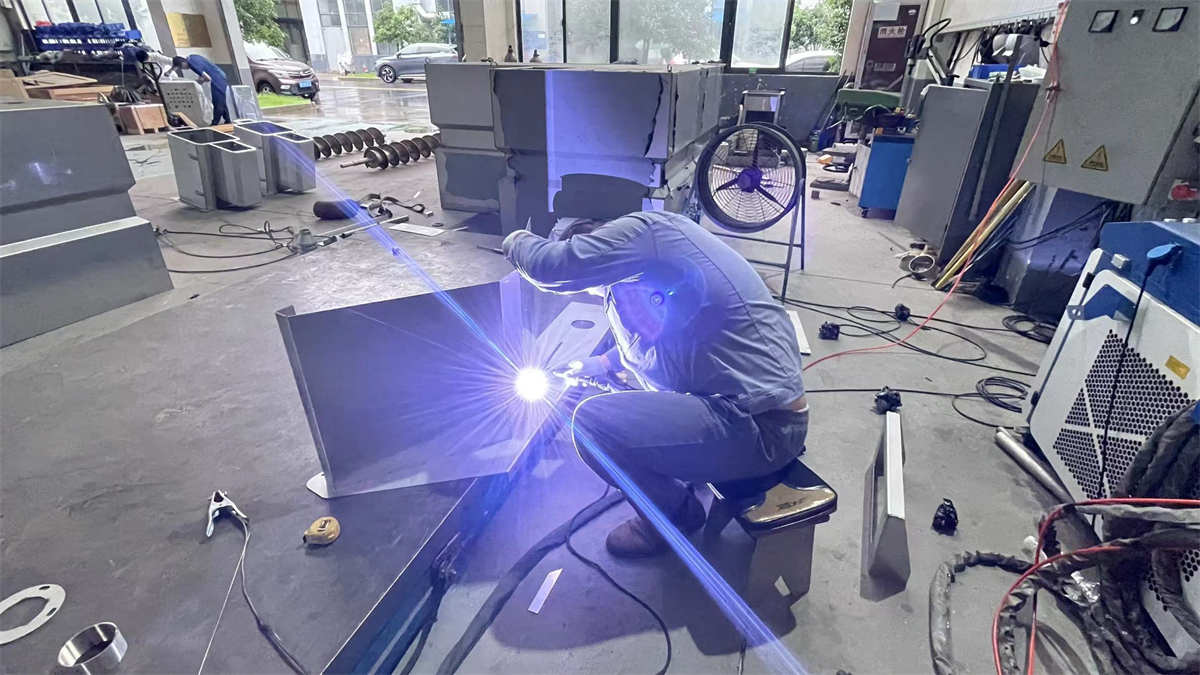
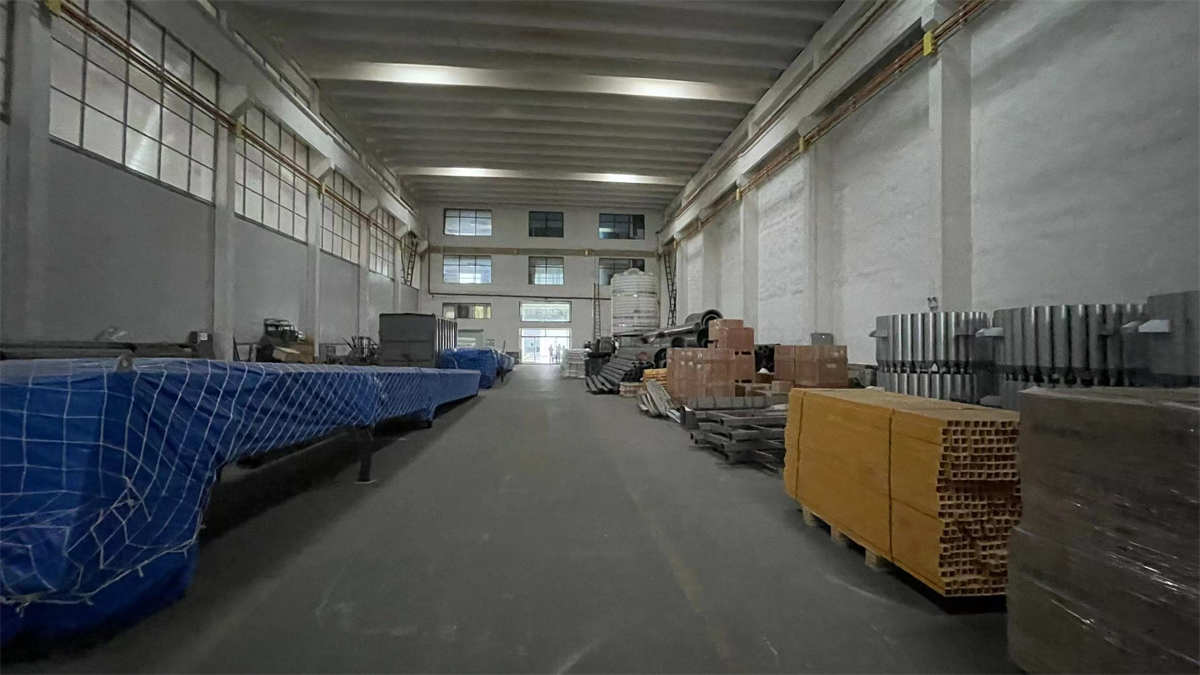
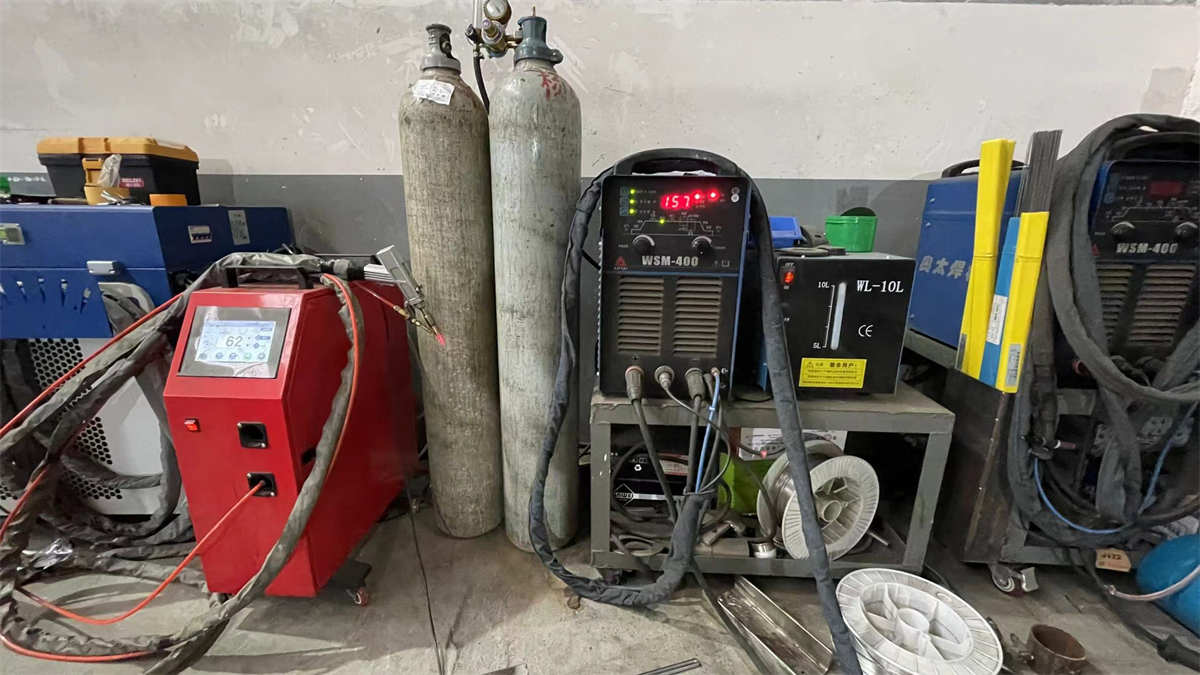
Based in the Changzhou National High-tech Industrial Development Zone, Jiangsu Province, China, Jovios operates a modern 50,000+ square meter manufacturing base designed to satisfy international standards.
R&D Strength:
Over 30 senior engineers and technical specialists
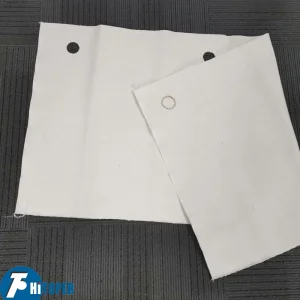
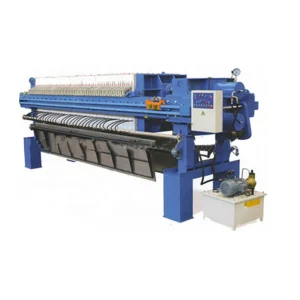
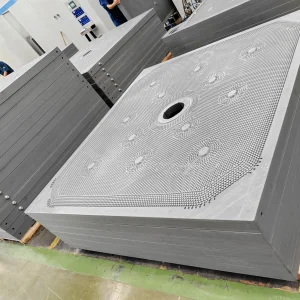
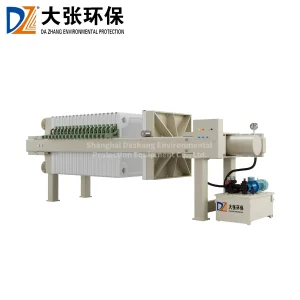
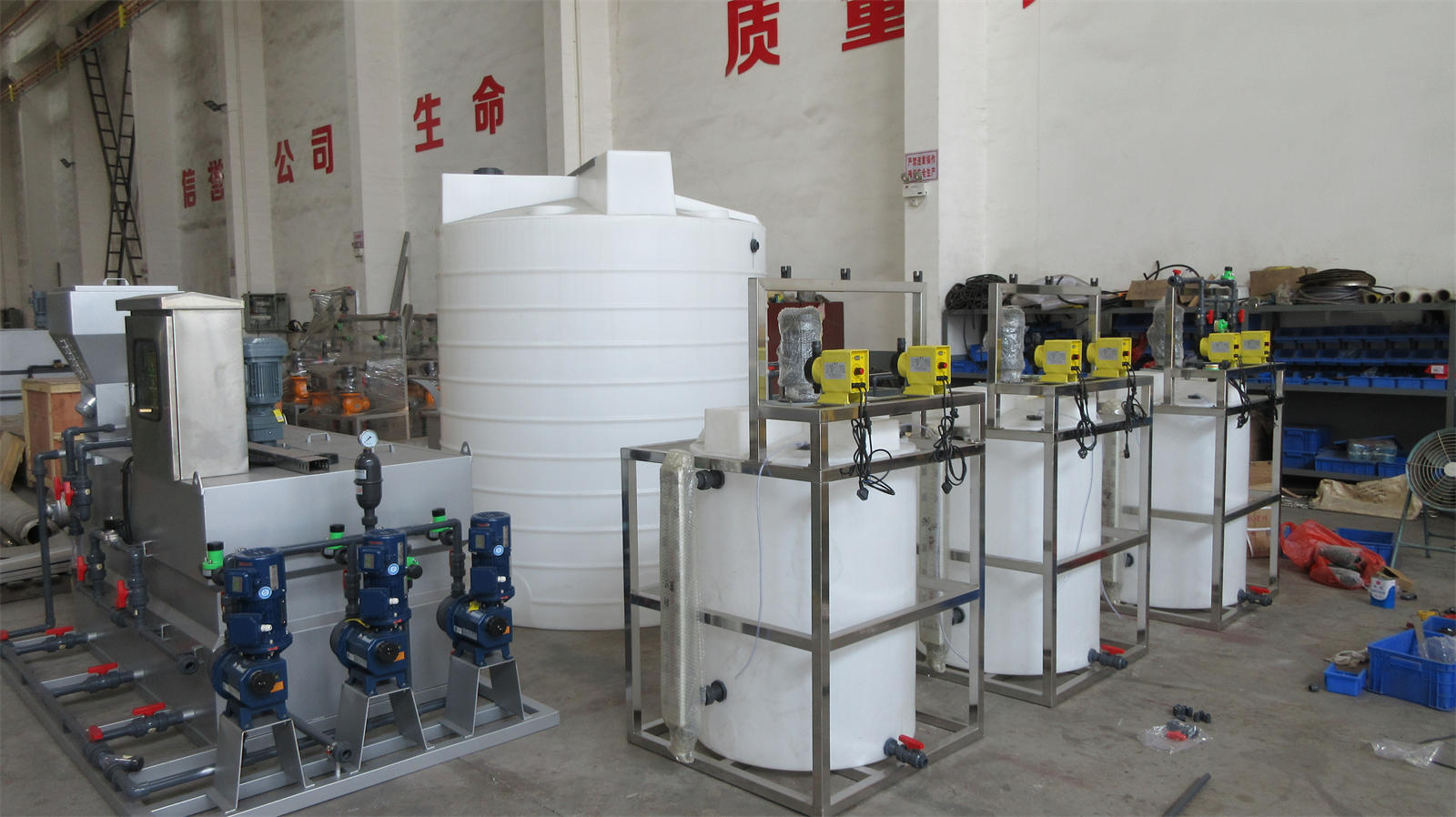
Jovios independently designs, develops, and manufactures a complete range of filtration and separation equipment. Their comprehensive product line includes plate and frame filter presses, membrane filter presses, automatic chamber filter presses, intelligent filtration systems, and high-performance filter plates and filter cloths. With an annual production capacity exceeding 1,000 units, their systems are widely applied in municipal wastewater treatment, chemical processing, petroleum, mining, metallurgy, pharmaceuticals, food and beverage production, paper manufacturing, textile dyeing, ceramics, building materials, and many other industries.
Beyond manufacturing, Jovios provides complete wastewater treatment solutions and engineering services. From initial process design and equipment selection to installation, commissioning, and operational support, they deliver turnkey solutions to municipal and industrial customers worldwide. Through close cooperation with universities, research institutes, and industry partners, they continuously integrate innovative technologies into their products, ensuring reliable performance, higher efficiency, and sustainable operation.
Our Mission: To deliver efficient, energy-saving, and environmentally responsible separation solutions for industrial customers worldwide, helping businesses improve productivity, reduce operating costs, and achieve sustainable growth.
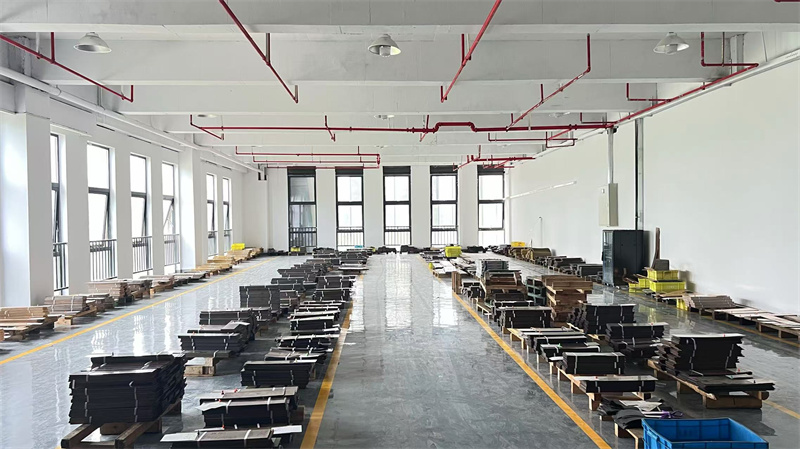
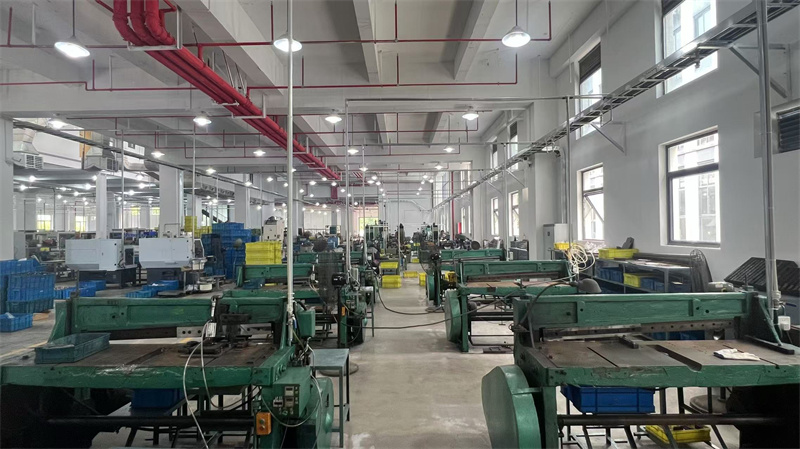
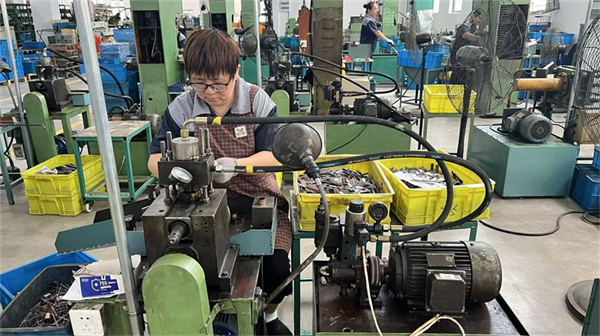
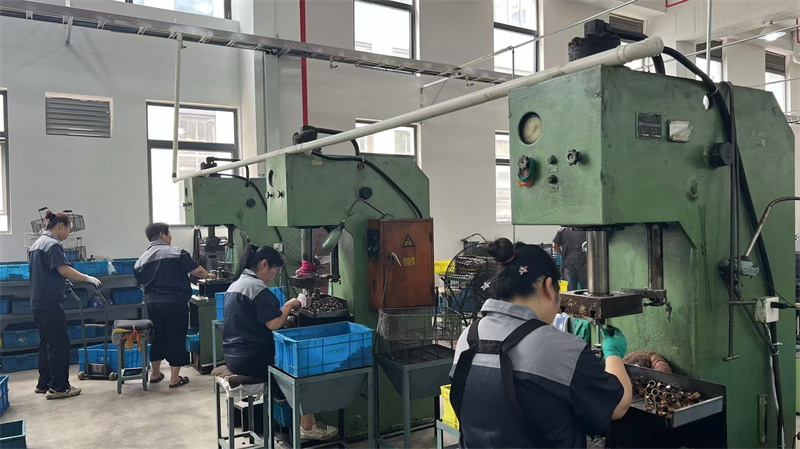
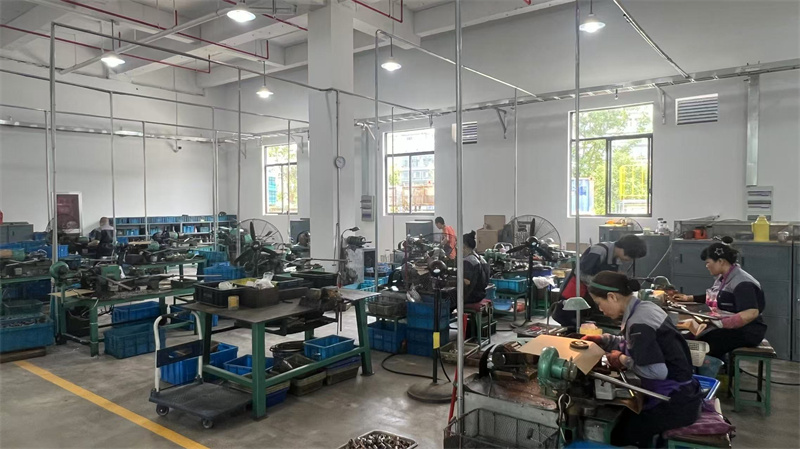
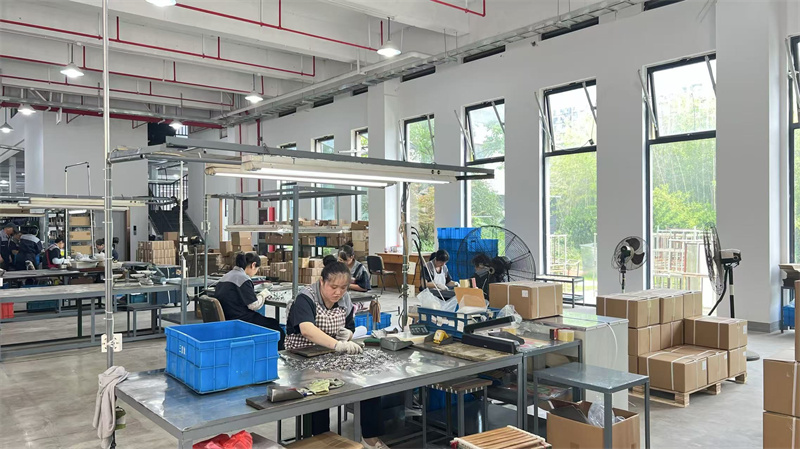
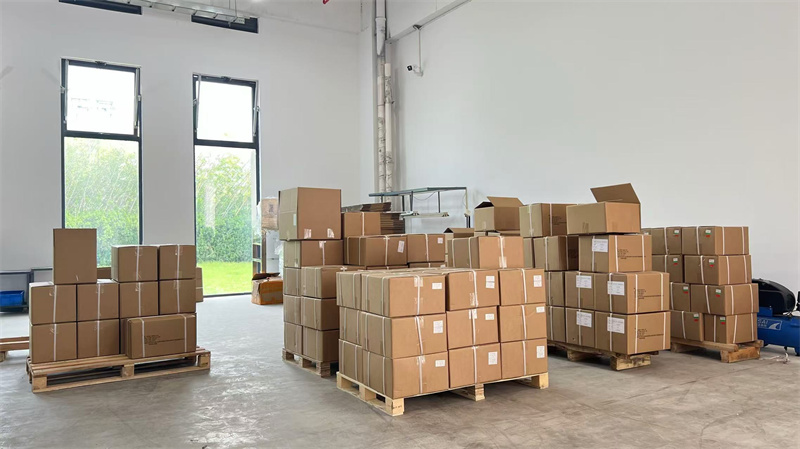
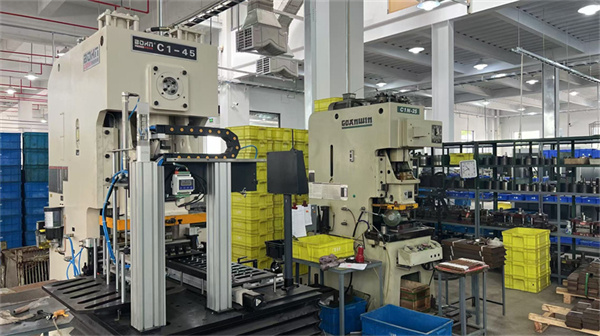
Analyzing how solid-liquid separation systems adapt to specific global conditions and engineering requirements.
In modern intensive aquaculture, fish and shrimp waste contains high levels of nitrogenous compounds. Rapid removal of feces and uneaten feed is vital to prevent ammonia spikes.
As municipal and industrial discharge standards tighten globally, settling basins alone cannot consistently meet regulatory limits.
Heavy mineral slurries require high-pressure dewatering systems. Jovios' membrane chamber filter presses are designed for these demanding conditions.
Corrosive solvents and precise product recoveries require highly specialized filtration solutions.
Addressing the technical, mechanical, and operational queries of global procurement teams and facility engineers.
Explore heavy-duty sludge belt presses, sintered steel flame-arresting mesh, hydraulic presses, and chamber plate assemblies.
 Jovios Equipment