Engineered for extreme workloads, chemical resistance, and maximum operational throughput.
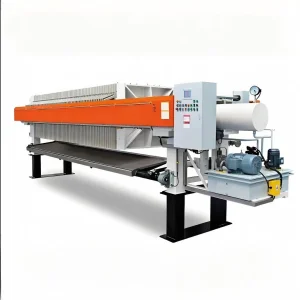
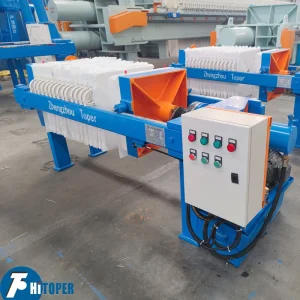
In the modern manufacturing and environmental management ecosystems, high-efficiency filtration systems are no longer ancillary utility systems. Instead, they serve as core operational process barriers. The global push for Net-Zero carbon emissions, combined with strict Zero Liquid Discharge (ZLD) regulations, has accelerated the adoption of high-performance separation equipment.
From the municipal dewatering centers of North America to the heavy mining installations of Western Australia, industrial sites require filter presses capable of handling high solids loading while generating dry, stackable filter cakes. Standard technologies fail under the chemical stress and extreme pressures required by modern mining and chemical plants. Thus, advanced heavy-duty membrane and chamber filter presses have become the standard solution for global process plants.
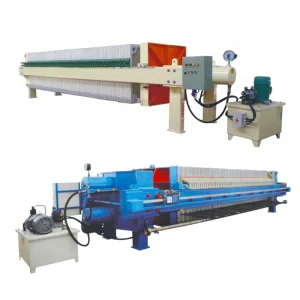
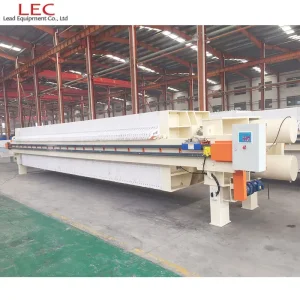
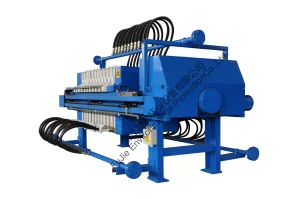
Traditional recessed chamber plates operate up to 8–10 bar of filtration pressure. High-efficiency membrane filter presses, however, utilize secondary mechanical squeezing using air or water at up to 15–20 bar. This dual-action compression slashes moisture content by an extra 10–25% compared to static plate filtration, dramatically reducing logistics costs for cake transport and eliminating thermal drying steps.
The field of industrial separation is currently experiencing major transitions driven by materials science and digital systems:
Industrial conditions vary across regions, requiring custom configurations:
Mining Operations (Dry Tailings Management): In dry regions like the copper and gold mining zones of South America and Western China, water recovery is crucial. Heavy-duty fast-opening filter presses dewater tailings rapidly, recovering up to 95% of process water for direct reuse in the grinding circuits.
Chemical Processing (High Purity Acid Filtrations): Specialized chemical synthesis plants utilize PVDF-molded plates and laser-cut polyester filter cloths. These systems stand up to highly aggressive organic solvents and hot acids without losing mechanical integrity or experiencing dimensional shifts.
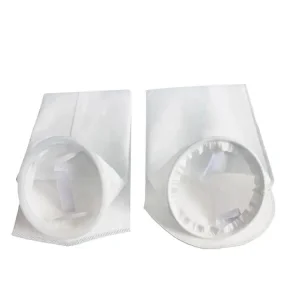
Food & Beverage Refining: The production of juices, starch, and vegetable oils relies on FDA-grade materials. Woven nylon and food-grade polypropylene filter cloths (5 to 50 microns) ensure high clarity, minimal product loss, and easy cake discharge during automated washing cycles.
A professional manufacturer and solution provider specializing in solid-liquid separation and environmental protection equipment.
Located in Changzhou National High-tech Industrial Development Zone, Jiangsu Province, China, the company operates a modern manufacturing base covering more than 50,000 square meters, equipped with advanced production facilities and a comprehensive quality inspection center. Jovios independently designs, develops, and manufactures a complete range of filtration and separation equipment, including plate and frame filter presses, membrane filter presses, automatic filter presses, intelligent filtration systems, as well as high-performance filter plates and filter cloths.
With an annual production capacity exceeding 1,000 units, our products are widely applied in municipal wastewater treatment, chemical processing, petroleum, mining, metallurgy, pharmaceuticals, food and beverage production, paper manufacturing, textile dyeing, ceramics, building materials, and many other industries. In addition to filtration equipment, Jovios provides complete wastewater treatment solutions and engineering services. From process design and equipment selection to installation, commissioning, and operational support, we deliver turnkey wastewater treatment systems for both municipal and industrial customers worldwide.
Our experienced research and development team consists of more than 30 senior engineers and technical specialists. Through close cooperation with universities, research institutes, and industry partners, we continuously integrate innovative technologies into product development, ensuring reliable performance, higher efficiency, and sustainable operation. Supported by a growing global sales and service network, Jovios offers comprehensive technical support throughout the entire project lifecycle. From initial consultation and system design to installation, training, and after-sales service, we are committed to providing responsive and professional support wherever our customers operate.
At Jovios, we are dedicated to delivering efficient, energy-saving, and environmentally responsible separation solutions for industrial customers worldwide. Through continuous innovation and customer-focused engineering, we help businesses improve productivity, reduce operating costs, and achieve sustainable growth.
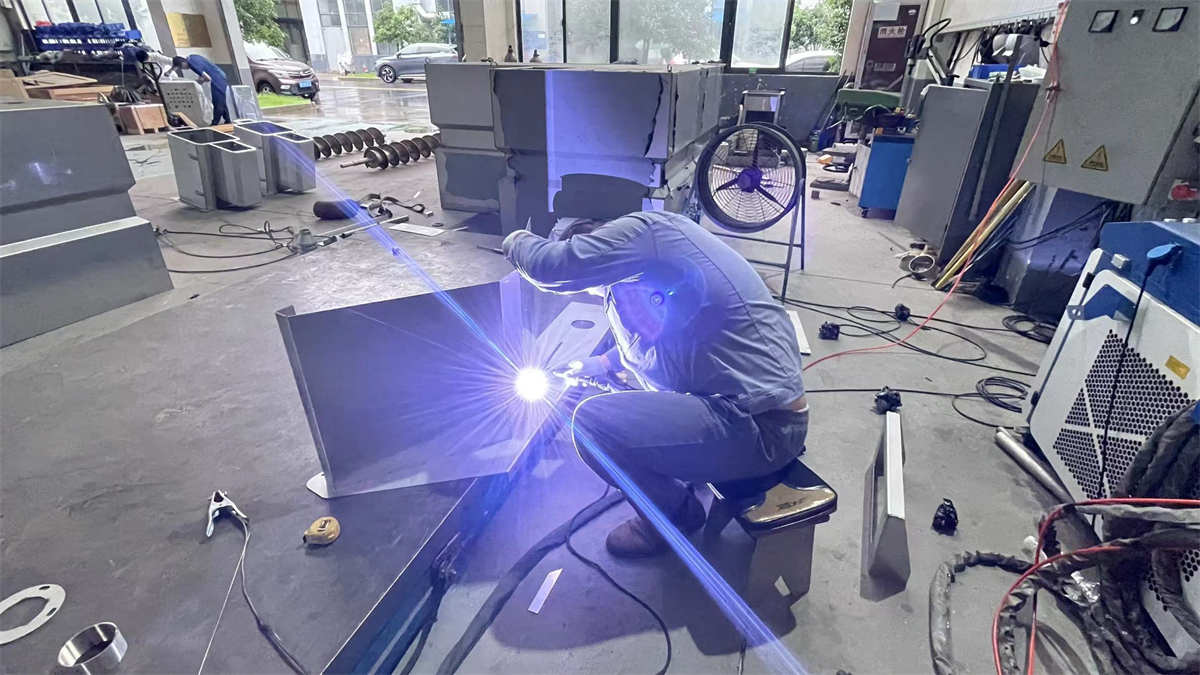
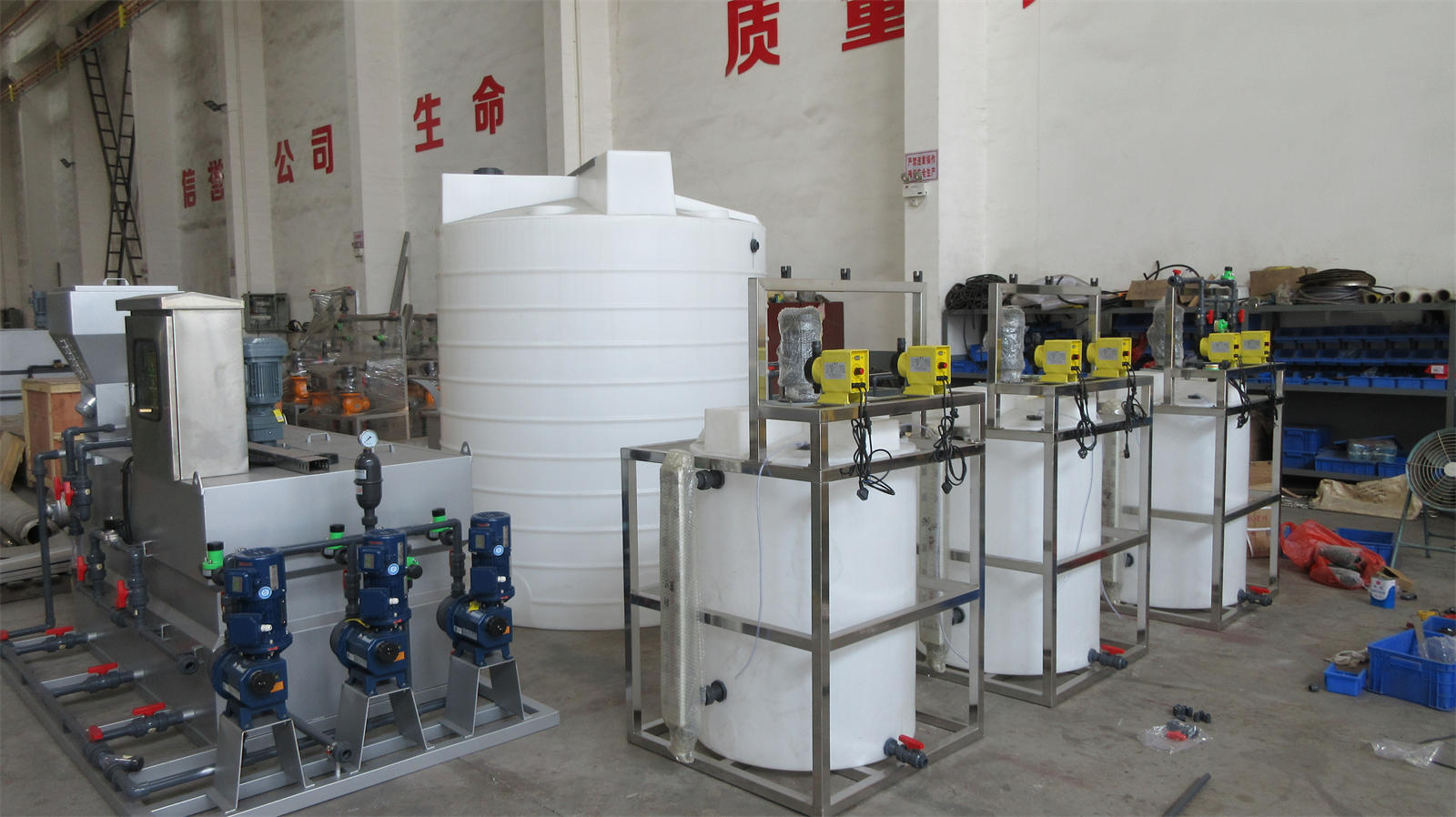
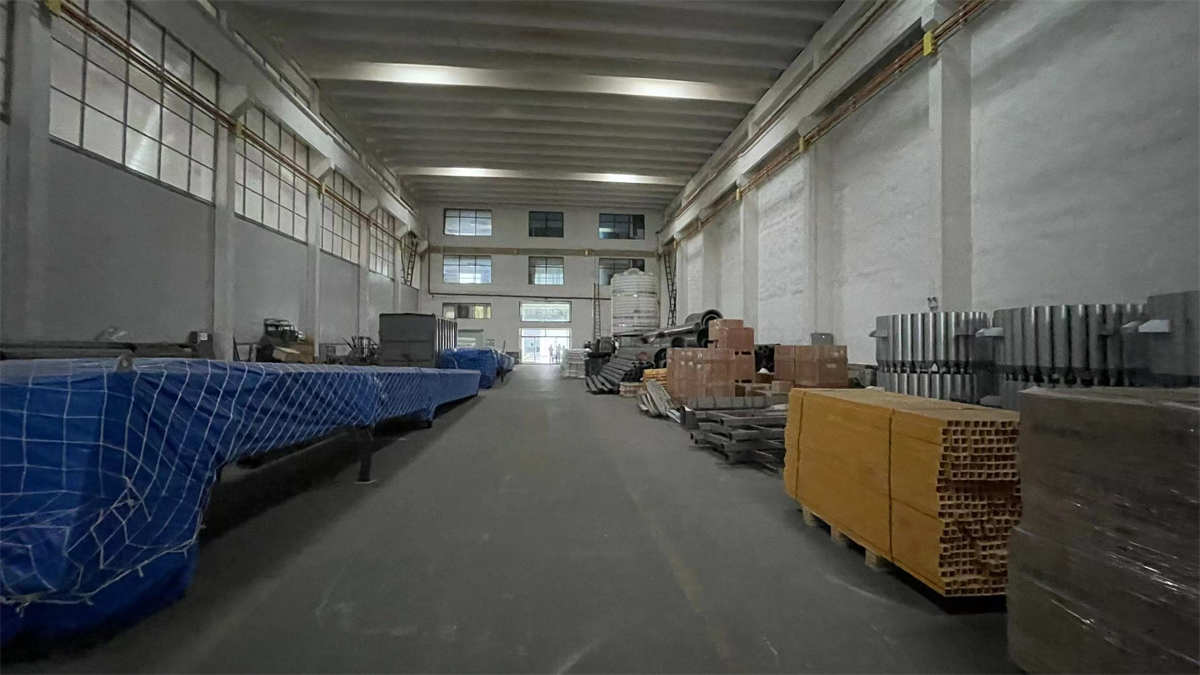
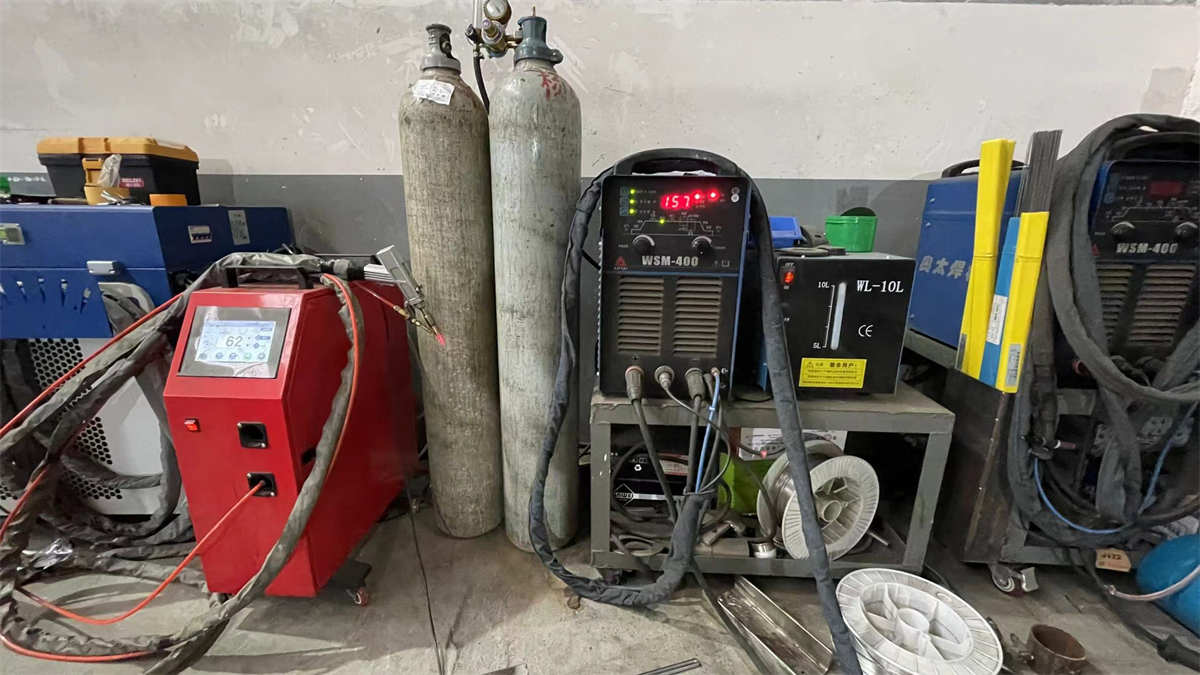
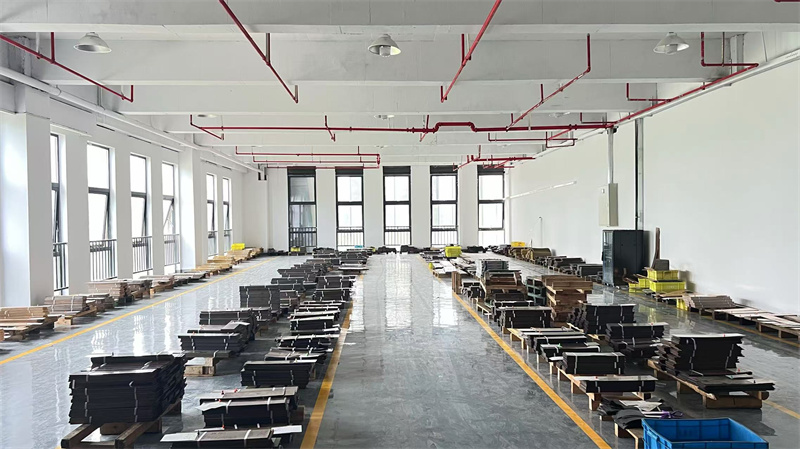
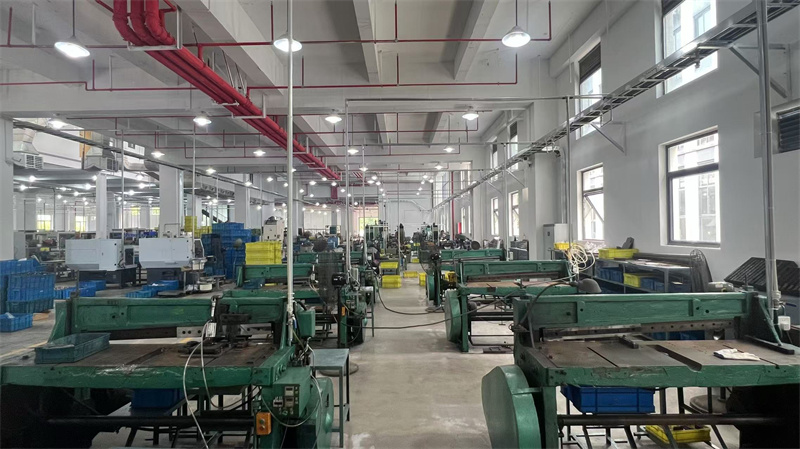
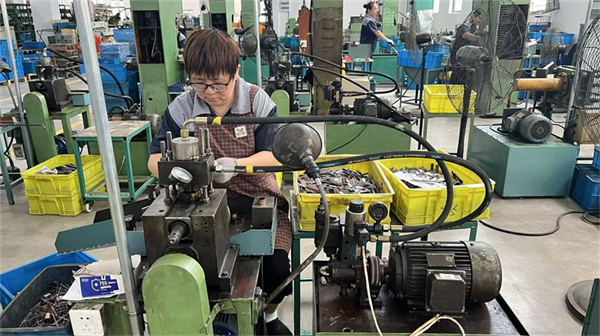
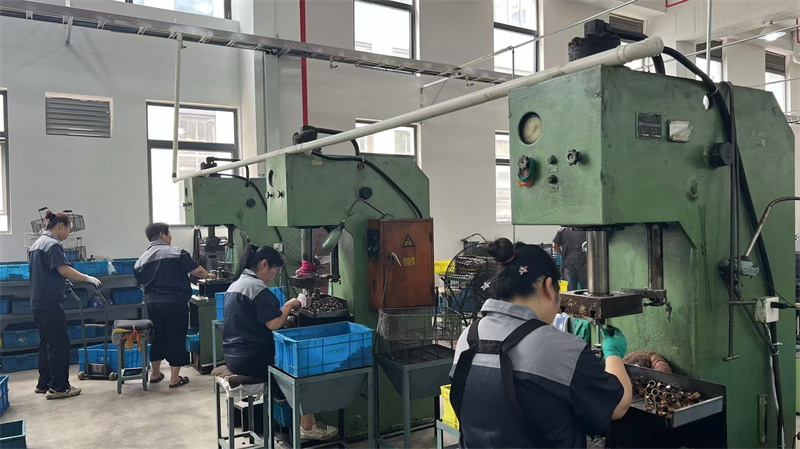
Step-by-step assembly, fabrication, and quality control inside our certified production lines.
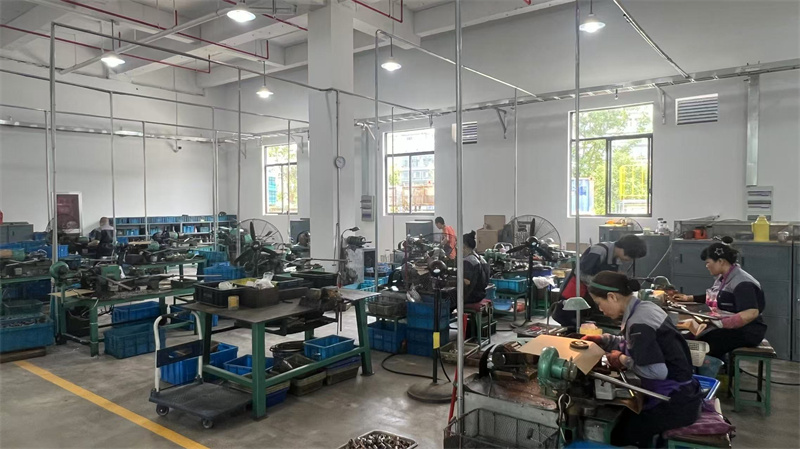
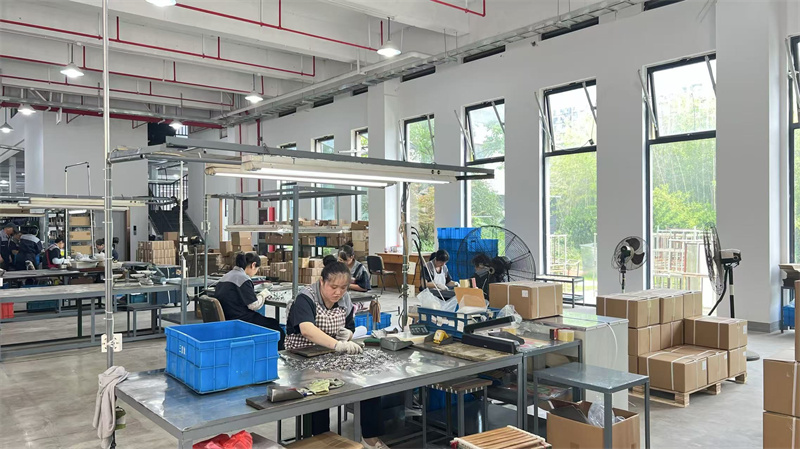
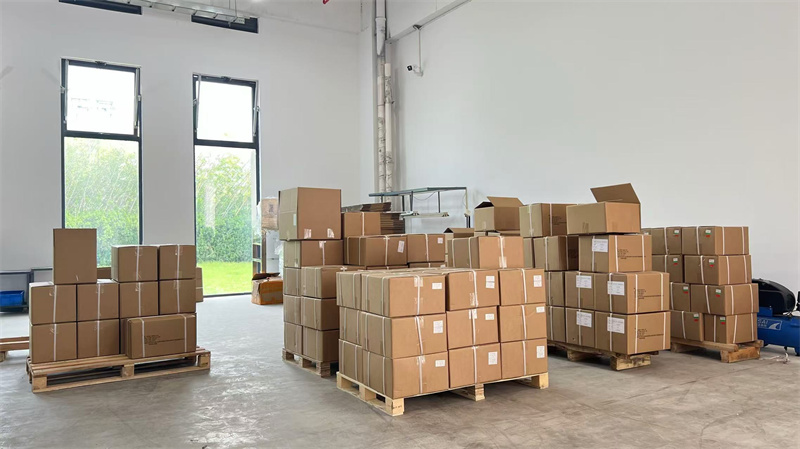
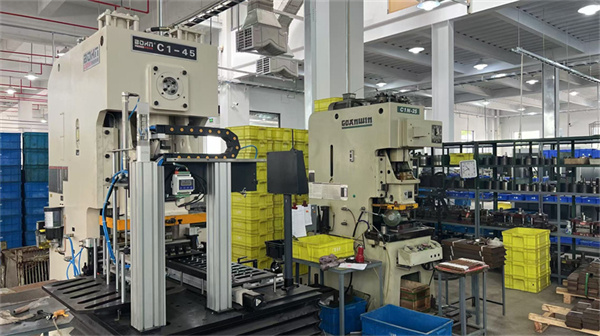
How Jovios is steering solid-liquid separation towards smart, autonomous, and zero-loss operations.
Developing structural chassis and chamber membranes capable of sustained 25-bar squeezing pressures to further reduce cake moisture to single-digit percentages in mining applications.
Integrating sonar and optical sensors into the chambers to monitor solid thickness and cake moisture profile, dynamically adjusting cycle feed times to optimize throughput.
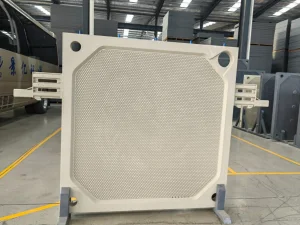
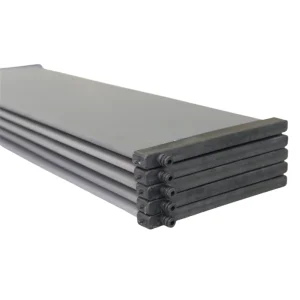
Advancing next-generation recyclable polypropylene filter plates that reduce carbon footprint during the equipment production process while maintaining chemical durability.
Addressing the core questions engineers and procurement specialists ask during project planning.
Automatic membrane systems use flexible diaphragms that expand under pneumatic or hydraulic pressure to perform secondary compression on the filter cake. This removes significantly more interstitial water, reducing cake volume, lowering shipping costs, and cutting cycle times by up to 50%.
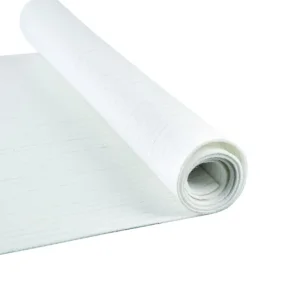
The decision is based on chemical compatibility and operating temperature. Polypropylene (PP) is highly resistant to both acids and bases but has temperature limits (around 90°C). Polyester offers superior resistance to strong acids at high temperatures. Nylon is selected for its excellent abrasion resistance in abrasive mining slurries and its compliance with FDA food-grade standards.
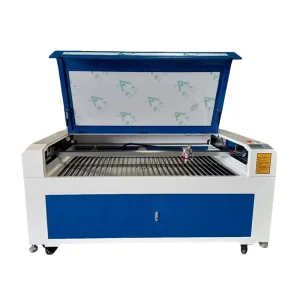
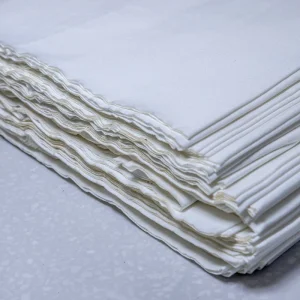
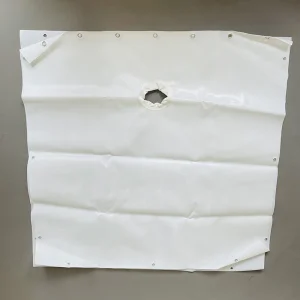
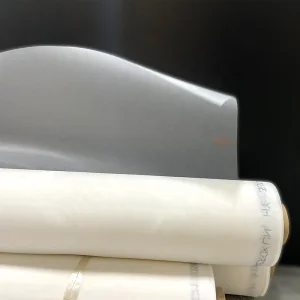
Laser cutting melts and seals the edges of polymer fibers (polyester, PP, nylon) as it cuts. This prevents the cloth edges from fraying during high-pressure wash cycles and prevents bypass leakage around the plate sealing surfaces, ensuring clean filtrate and longer cloth service life.
Silicon Carbide ceramic plates are used for high-temperature, highly corrosive, or abrasive solutions, such as hot strong acids, organic solvent recovery, and drinking water treatment requiring absolute biological separation, where polymer membranes would degrade.
An automated plate shifting device opens plates sequentially while high-pressure wash bars spray water directly onto the filter cloths. This cleans out embedded fines, restores cloth permeability, and maintains fast filtration rates across operating cycles.
Yes. Jovios provides end-to-end engineering, including sludge analysis, process flow calculations, equipment specification, electrical control integration (PLC/SCADA), installation, training, and remote diagnostic support.
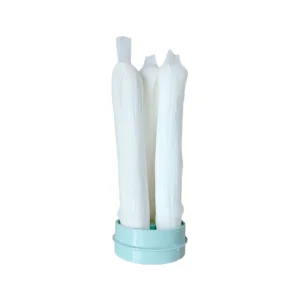
Heavy-duty filter media, replacement parts, and advanced membrane elements for process lines.
 Jovios Equipment