As modern processes push boundaries in chemical aggressiveness, thermal thresholds, and micro-particle recovery, structural integrity in critical separation is no longer negotiable.
In the vast landscape of global B2B manufacturing, Stainless Steel Filters stand as an essential pillar of industrial fluid processing, microfiltration, and robust municipal reclamation. Unlike polymer-based cartridges or fiber-based media which degrade rapidly under intense physical stress, stainless steel elements (primarily manufactured using AISI 304, AISI 316, and AISI 316L alloys) deliver exceptional mechanical strength, heat tolerances exceeding 800°C, and unmatched resistance to corrosive process fluids.
Throughout major chemical complexes in North America, pharmaceutical refineries in Western Europe, and minerals extraction projects across the Southern Hemisphere, the push toward continuous, automated separation technology has prioritized metallic filtration units. Modern supply chains require filtration media that can undergo repeated thermal cleaning cycles, high-velocity chemical clean-in-place (CIP) regimens, and violent backwashing pressures without compromising micron-level tolerances. From sintered wire meshes to multi-layered woven fiber media and precision stainless steel structural housings, this sector represents the pinnacle of heavy industrial process engineering.
The convergence of metallurgy and nanotechnology has birthed high-precision sintered porous elements. By heat-treating layered stainless steel meshes or metal powders without melting them, engineers achieve precise porosity down to 0.5 microns. This technological advancement allows stainless steel filters to effectively act as pre-filtration modules before delicate polymer ultrafiltration membranes, dramatically extending system lifespans. By ensuring uniform distribution of pores, these sintered metallic media exhibit highly predictable pressure-drop analytics, ensuring that fluid systems maintain stable hydrodynamics during rigorous manufacturing cycles.
Utilizing low-carbon AISI 316L stainless steel prevents intergranular corrosion during welding, making our filters perfect for highly concentrated acids, organic solvents, and high-saline offshore processes.
Though initial capital investment is higher than disposable media, the continuous chemical washability and reuse capabilities of steel deliver a far lower total cost of ownership (TCO) over 10+ operational years.
Engineered to operate seamlessly across extreme temperatures ranging from cryogenic levels up to 450°C in continuous operation without structural warping or pore distortion.
Strategically situated in Changzhou National High-tech Industrial Development Zone, Changzhou Jovios Equipment Co., Ltd. represents the cutting edge of industrial solid-liquid separation and solid metal-mesh engineering.
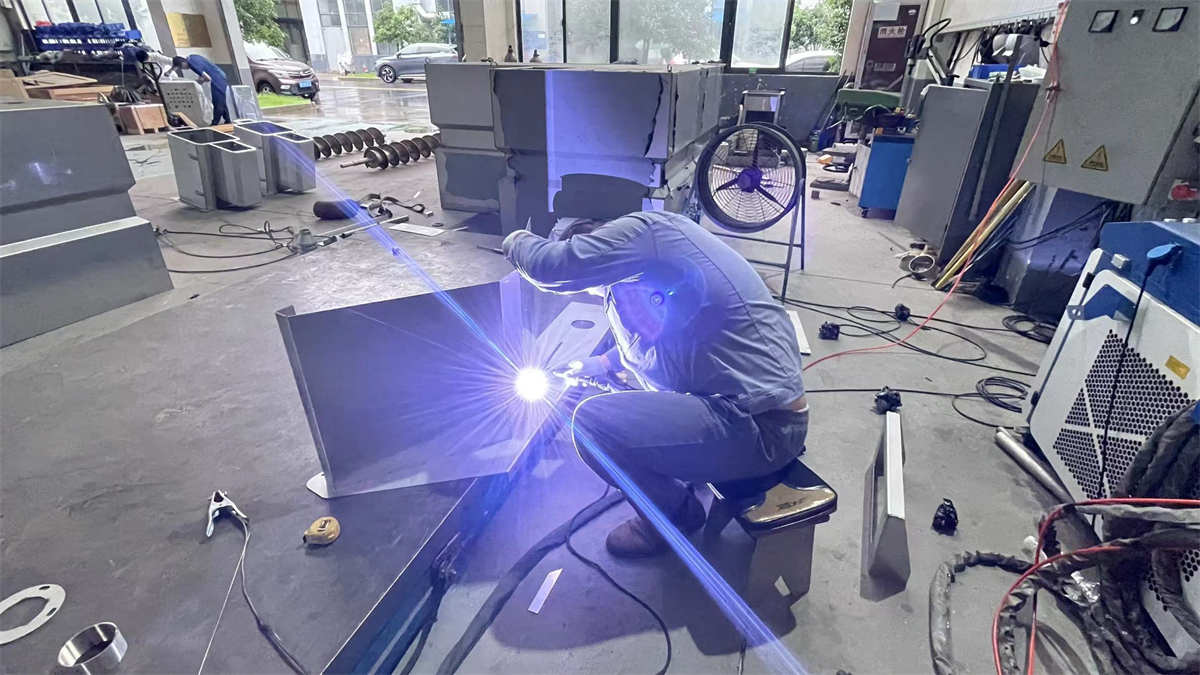
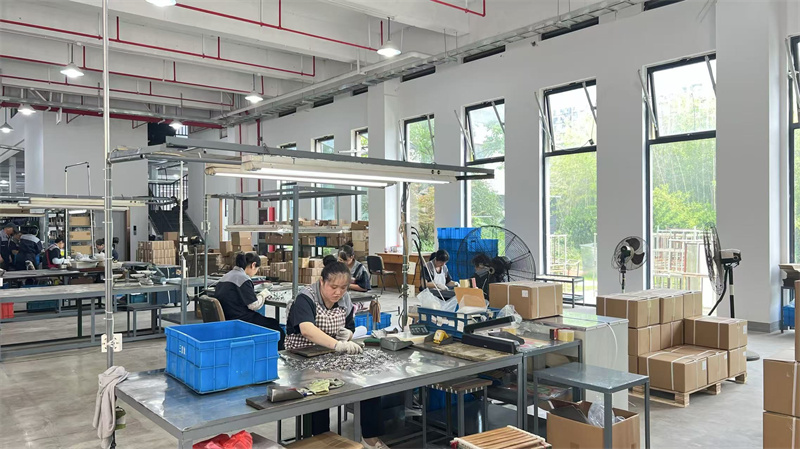
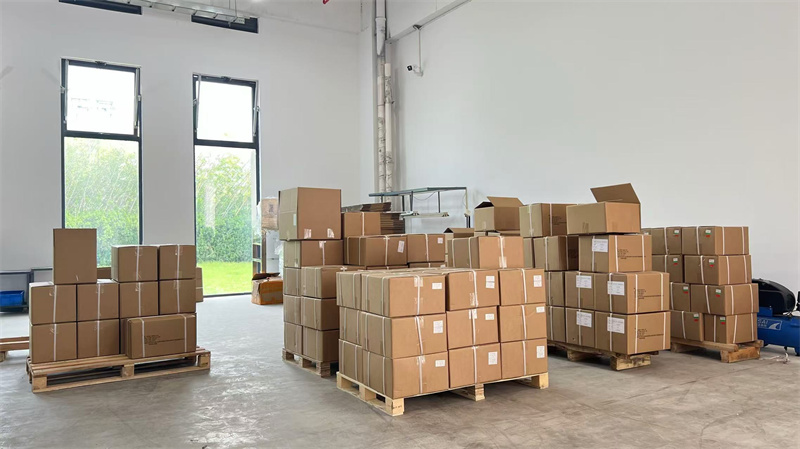
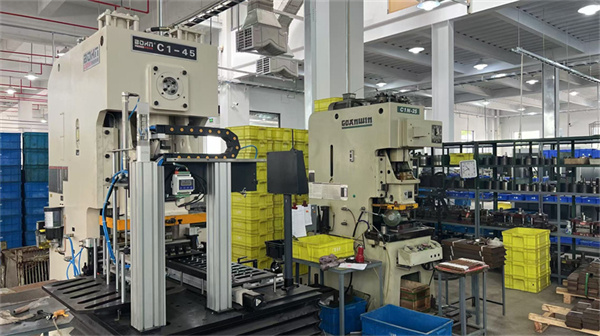
Sourcing metallic filters and robust separation presses from Chinese top-tier manufacturers yields a distinct economic and technological edge for global engineering firms. The secret behind the unparalleled productivity of Chinese factories lies in supply chain consolidation and automated structural fabrication. Within our 50,000 square meter modern manufacturing facility, we manage every phase of construction: from shearing the raw alloy sheets to custom robotic bending, heavy-duty punching, automated high-current welding, and microscopic quality testing.
This localized cluster of raw material suppliers, thermal treatment specialists, and highly skilled mechanical engineers allows Changzhou Jovios Equipment Co., Ltd. to design custom configurations in mere days—a process that routinely takes months in other western economies. With over 30 senior engineering staff pushing technological boundaries, we ensure that every filter plate, chamber system, and stainless steel filter element is optimized for operational efficiency, high-pressure output, and seamless integration into foreign municipal and private industrial process loops.
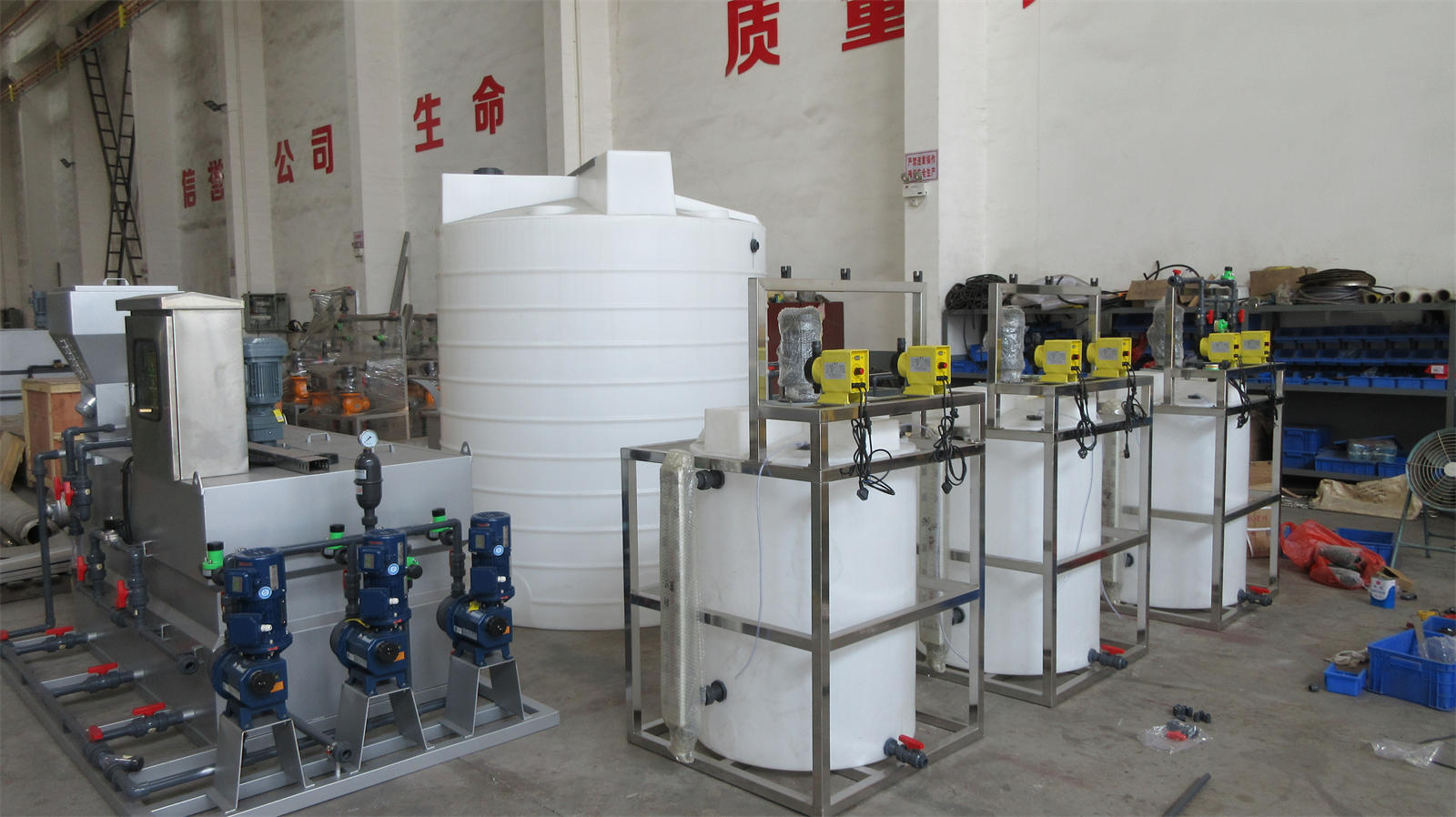
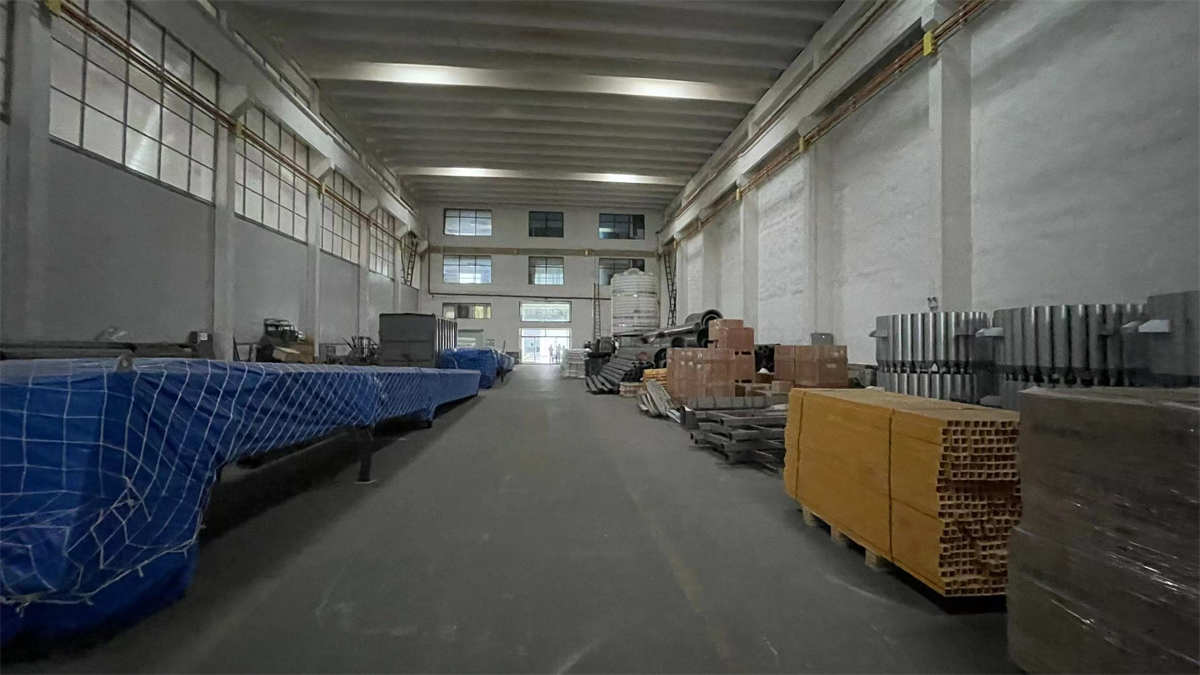
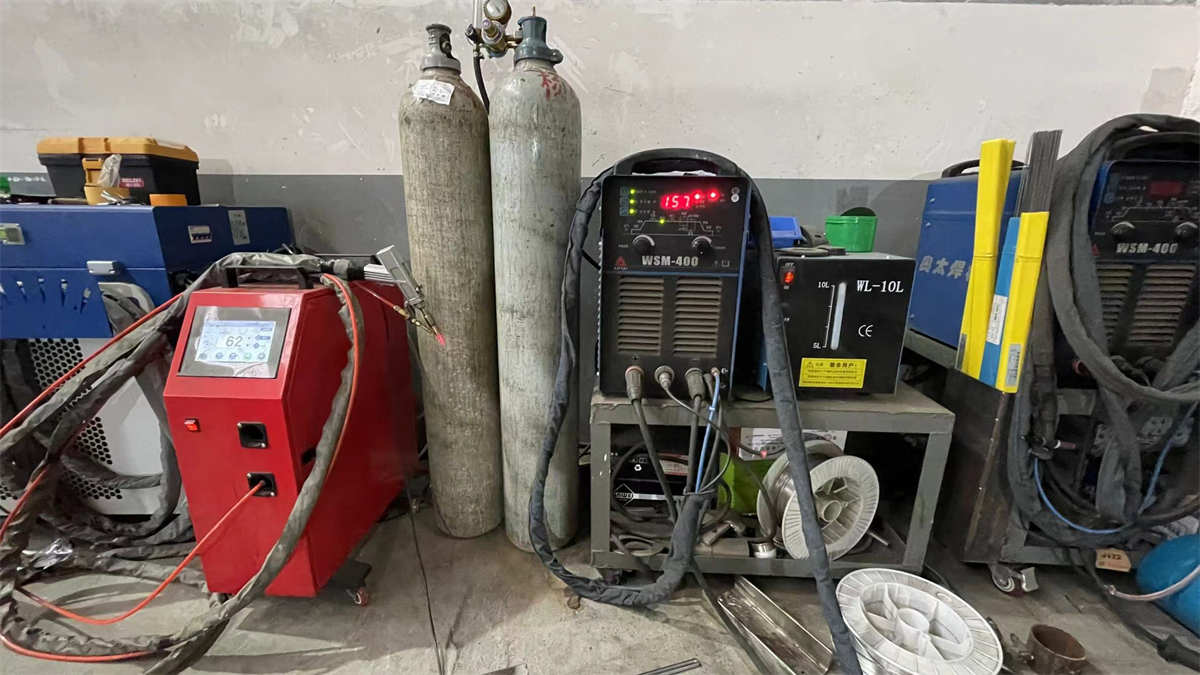
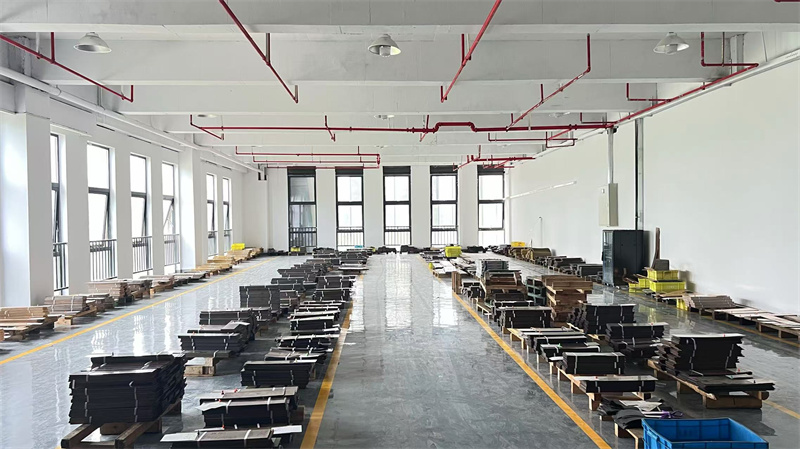
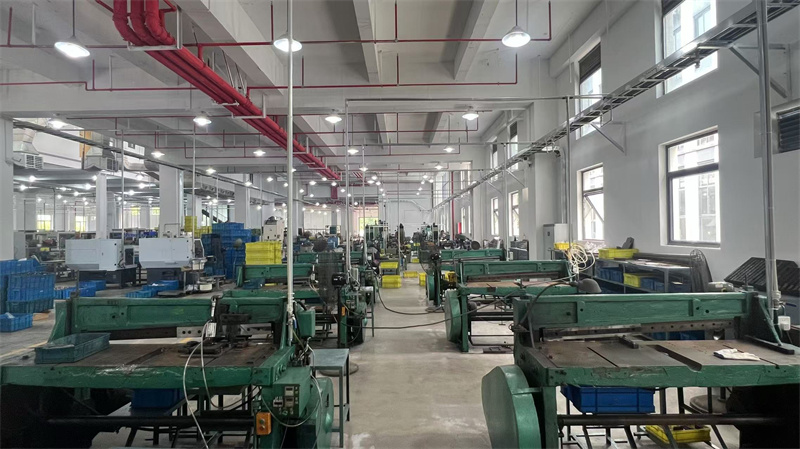
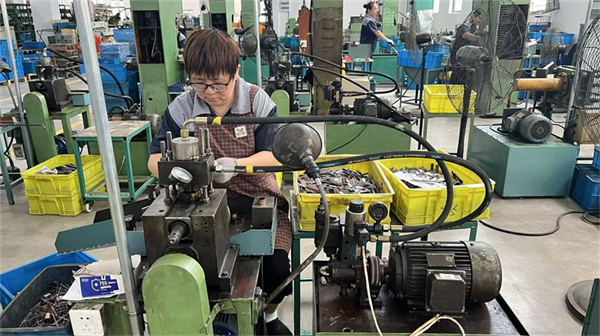
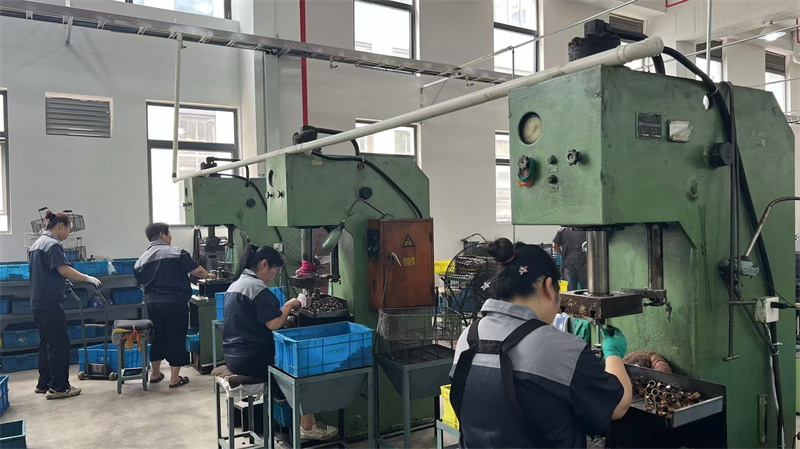
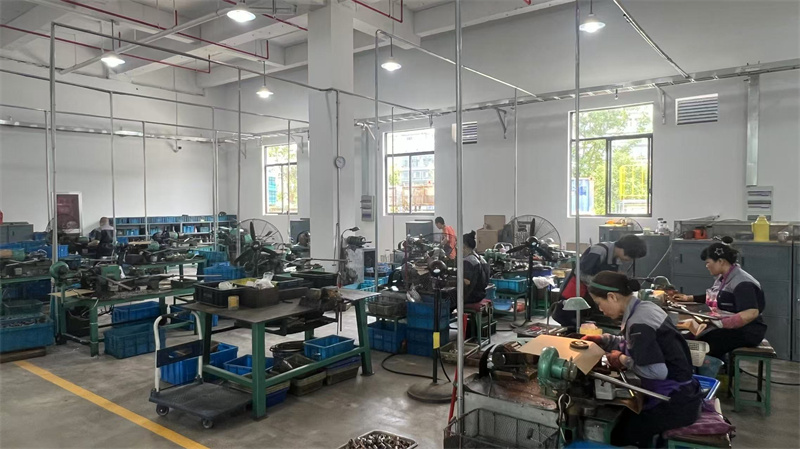
From concrete runoffs to pharmaceutical purifications, our hardware answers the toughest calls in fluid mechanics.
No two filtration streams are identical. True performance relies on tailored metallurgy, precise physical shapes, and matching the perfect filter system with localized mechanical layouts. Our filtration solutions are applied globally across a vast range of highly demanding industrial sectors:
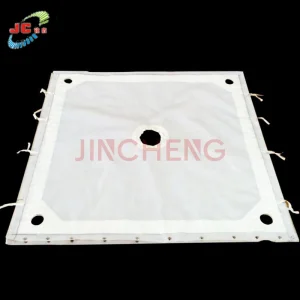
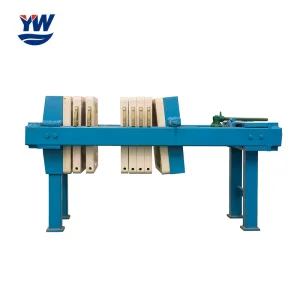
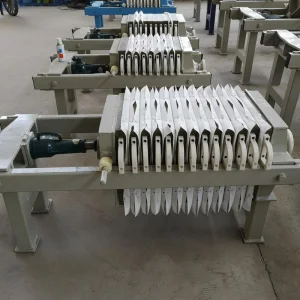
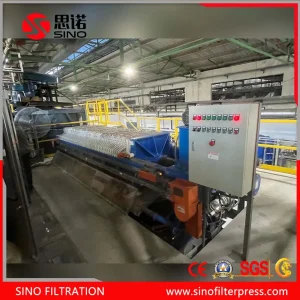
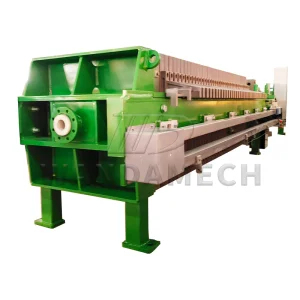
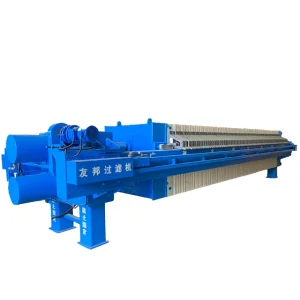
Washing operations in ready-mix concrete plants produce wastewater saturated with abrasive silica particles and highly alkaline cement compounds. Traditional filtration setups collapse under the physical wear of concrete sand. Our reinforced chamber filter presses, paired with high-strength wear-resistant filter cloths, continuously process thick slurries, recoverying clean recycled water and highly compacted dry cakes for eco-friendly recycling.
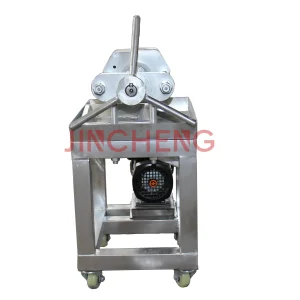
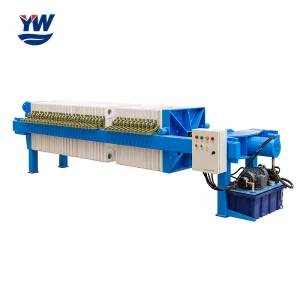
Pharmaceutical processing demands zero leakage, clean sterilization capabilities, and absolute compliance with sanitary guidelines. Active pharmaceutical ingredients (APIs) require mechanical separation under inert nitrogen-blanketed atmospheres. Jovios stainless steel manual and automated membrane squeezer systems isolate solids from highly volatile solvents, preventing cross-contamination and maximizing chemical yield.
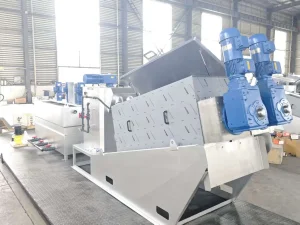
Furthermore, within municipal sewage facilities handling millions of gallons of primary and secondary activated sludge daily, moisture reduction determines landfill costs. By incorporating membrane-based chamber squeezing systems and automated belt tracking, the water content within the sludge cake is compressed down to record lows. This massive reduction in volume directly equates to millions saved annually in transport and handling expenses.
| Filtration Element Class | Common Alloy / Compound | Continuous Temp. Limit | Typical Micron Band | Primary Industrial Match | Cleanability Profile |
|---|---|---|---|---|---|
| Sintered Wire Mesh | AISI 316L / 310S Steel | 450°C - 800°C | 0.5µm - 150µm | Petrochemicals, High-Temp Steam, APIs | Excellent (Chemical / Backwash) |
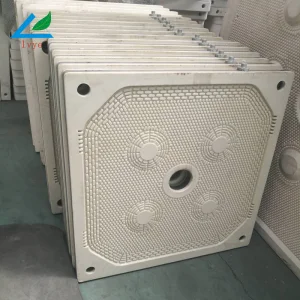
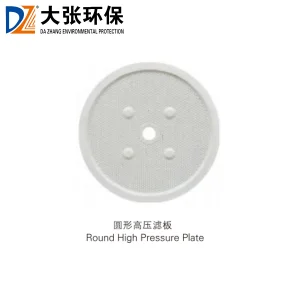
| High-Pressure Plates | Reinforced Copolymer PP | 85°C - 100°C | Continuous separation | Sludge Dewatering, Aggregate Washing | Good (Mechanical scraping) |
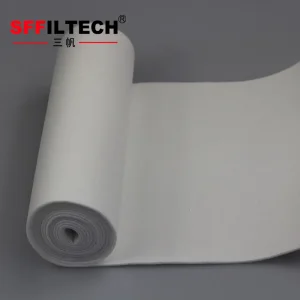
| Micron Woven Felts | Polyester / Polypropylene | 110°C - 130°C | 1µm - 200µm | Fine Wastewater, Food Starch recovery | Moderate (Periodic Wash) |
How savvy sourcing teams bypass intermediaries to establish secure, high-yield direct supply agreements with Jovios.
In the competitive global market, purchasing directors must look beyond price points and evaluate partners on direct technical compliance, material traceability, and overall engineering pedigree. When procuring industrial-grade separation systems and stainless steel filtration elements, structural failures can stop an entire plant's operations. This makes choosing a reliable manufacturing partner essential.
1. Verify Material Chemistry Certifications (MTRs): Always demand raw mill test reports confirming the chemical breakdown of the stainless steel. Substandard 316L with low nickel content will oxidize prematurely when exposed to chlorine-rich processes. Jovios guarantees material origin, providing certified alloy analysis for every batch shipped.
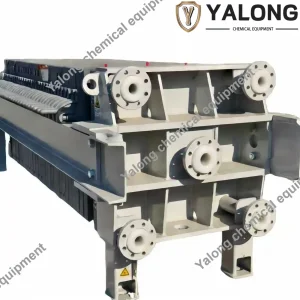
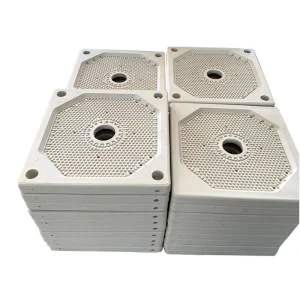
2. Pressure Rating Validation & Safety Factors: Filtration elements operating under cyclic high pressures must feature high structural safety margins. Our automatic polypropylene high-pressure filter plates and stainless steel vessel housings are tested to 1.5 times their maximum rated operational pressure to prevent stress cracking or catastrophic welds failures in chemical process fields.
3. Evaluate Engineering Customization Capacities: A true OEM supplier must be capable of adapting frame dimensions, manifold ports, and automation sensor hookups to match preexisting legacy setups. Jovios specializes in drop-in replacement designs, utilizing advanced 3D CAD modeling to align fluid systems precisely with your current field conditions.
Deep industrial answers to simplify engineering decisions, simplify global procurement, and clarify complex technical processes.
 Jovios Equipment