Peru stands as one of the world's most vital mining powerhouses, ranking as a top global producer of copper, zinc, silver, and gold. Mining operations located across the Andean mountain range—stretching from Cajamarca in the north to Pasco in the center and Arequipa in the south—face complex environmental and geographical trials. These sites typically operate at extreme altitudes exceeding 3,500 to 4,800 meters above sea level. Standard solid-liquid separation equipment frequently experiences efficiency drops because of low atmospheric pressure, low oxygen density affecting motor cooling, and sub-zero temperatures impacting hydraulic fluids.
In addition to geographical constraints, water management in Peru is subject to intense regulatory oversight. The Organismo de Evaluación y Fiscalización Ambiental (OEFA) enforces strict limits on effluent discharge. Meanwhile, coastal mining operations and industrial processors in regions like Lima and Callao operate in arid zones where municipal water is scarce and expensive. Consequently, reclaiming up to 95% of water from tailings and process slurries via high-performance filtration has transformed from an environmental option into a core operational necessity.
“By optimizing concentrate and tailings dewatering, Peruvian operators can convert liquid slurry into transportable dry cakes, preventing tailings pond failures and minimizing makeup water purchases.”
Procurement departments and plant engineers in Peru face specific structural challenges when selecting foreign equipment suppliers:
To address the challenges of water scarcity, geographical constraints, and strict regulations, the mineral processing and manufacturing sectors in Peru are shifting towards three major process innovations:
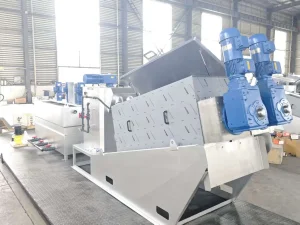
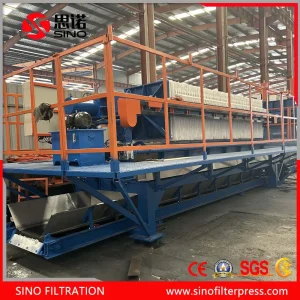
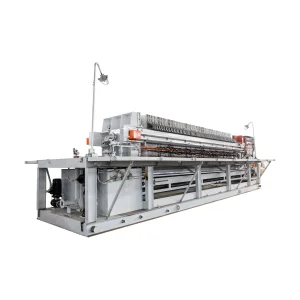
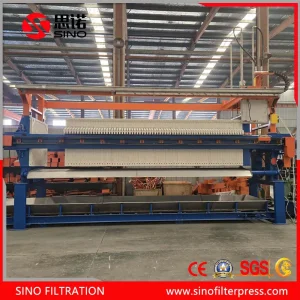
Conventional wet tailings dams present significant environmental liabilities, especially in seismic zones across the Andes. Implementing large-scale, high-pressure membrane filter presses allows operators to extract water from tailings until they reach a solid state. This dry cake can be transported via conveyor belts and stacked safely, eliminating the risk of catastrophic dam breaches.
In chemical processing, paper production, and municipal sewage treatment, ZLD systems ensure that no wastewater leaves the plant boundary. Automatic filter presses act as the final stage of solid separation, capturing the ultra-fine solids from concentrated evaporators, yielding pure salt cakes and reusable water.
Changzhou Jovios Equipment Co., Ltd. is a professional manufacturer and solution provider specializing in solid-liquid separation and environmental protection equipment. Located in Changzhou National High-tech Industrial Development Zone, Jiangsu Province, China, the company operates a modern manufacturing base covering more than 50,000 square meters, equipped with advanced production facilities and a comprehensive quality inspection center.
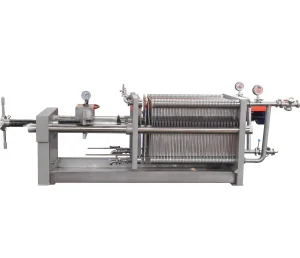
Jovios independently designs, develops, and manufactures a complete range of filtration and separation equipment, including plate and frame filter presses, membrane filter presses, automatic filter presses, intelligent filtration systems, as well as high-performance filter plates and filter cloths. With an annual production capacity exceeding 1,000 units, our products are widely applied in municipal wastewater treatment, chemical processing, petroleum, mining, metallurgy, pharmaceuticals, food and beverage production, paper manufacturing, textile dyeing, ceramics, building materials, and many other industries.
In addition to filtration equipment, Jovios provides complete wastewater treatment solutions and engineering services. From process design and equipment selection to installation, commissioning, and operational support, we deliver turnkey wastewater treatment systems for both municipal and industrial customers worldwide.
Our experienced research and development team consists of more than 30 senior engineers and technical specialists. Through close cooperation with universities, research institutes, and industry partners, we continuously integrate innovative technologies into product development, ensuring reliable performance, higher efficiency, and sustainable operation.
Supported by a growing global sales and service network, Jovios offers comprehensive technical support throughout the entire project lifecycle. From initial consultation and system design to installation, training, and after-sales service, we are committed to providing responsive and professional support wherever our customers operate.
At Jovios, we are dedicated to delivering efficient, energy-saving, and environmentally responsible separation solutions for industrial customers worldwide. Through continuous innovation and customer-focused engineering, we help businesses improve productivity, reduce operating costs, and achieve sustainable growth.
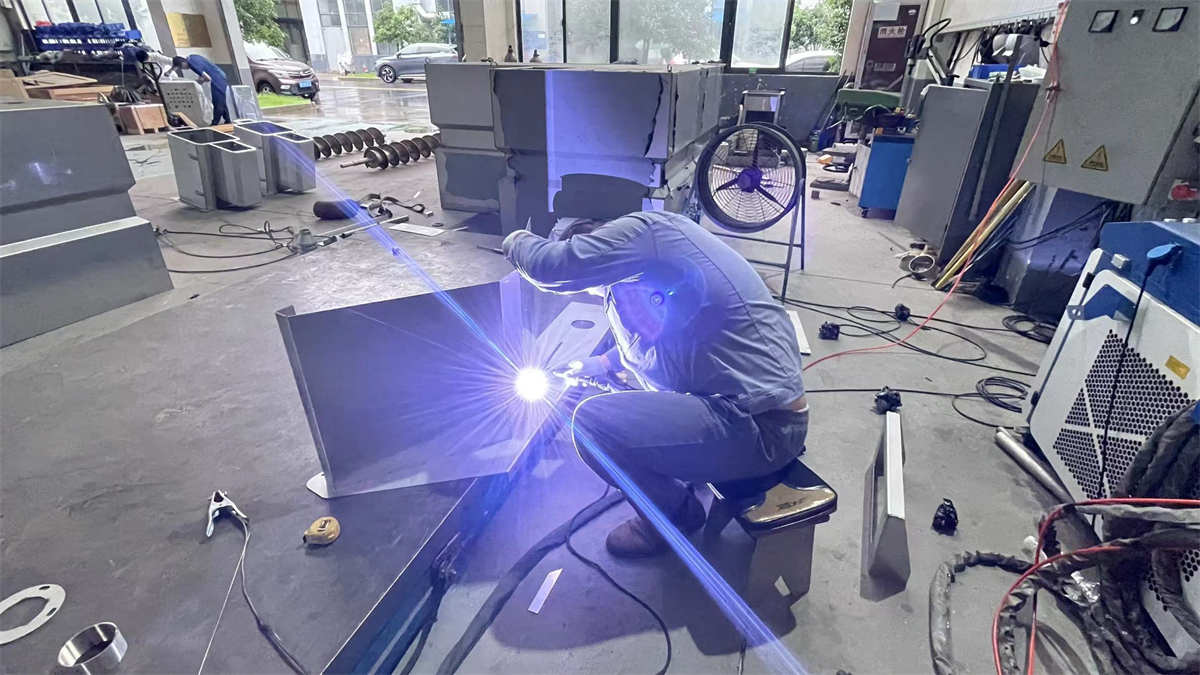
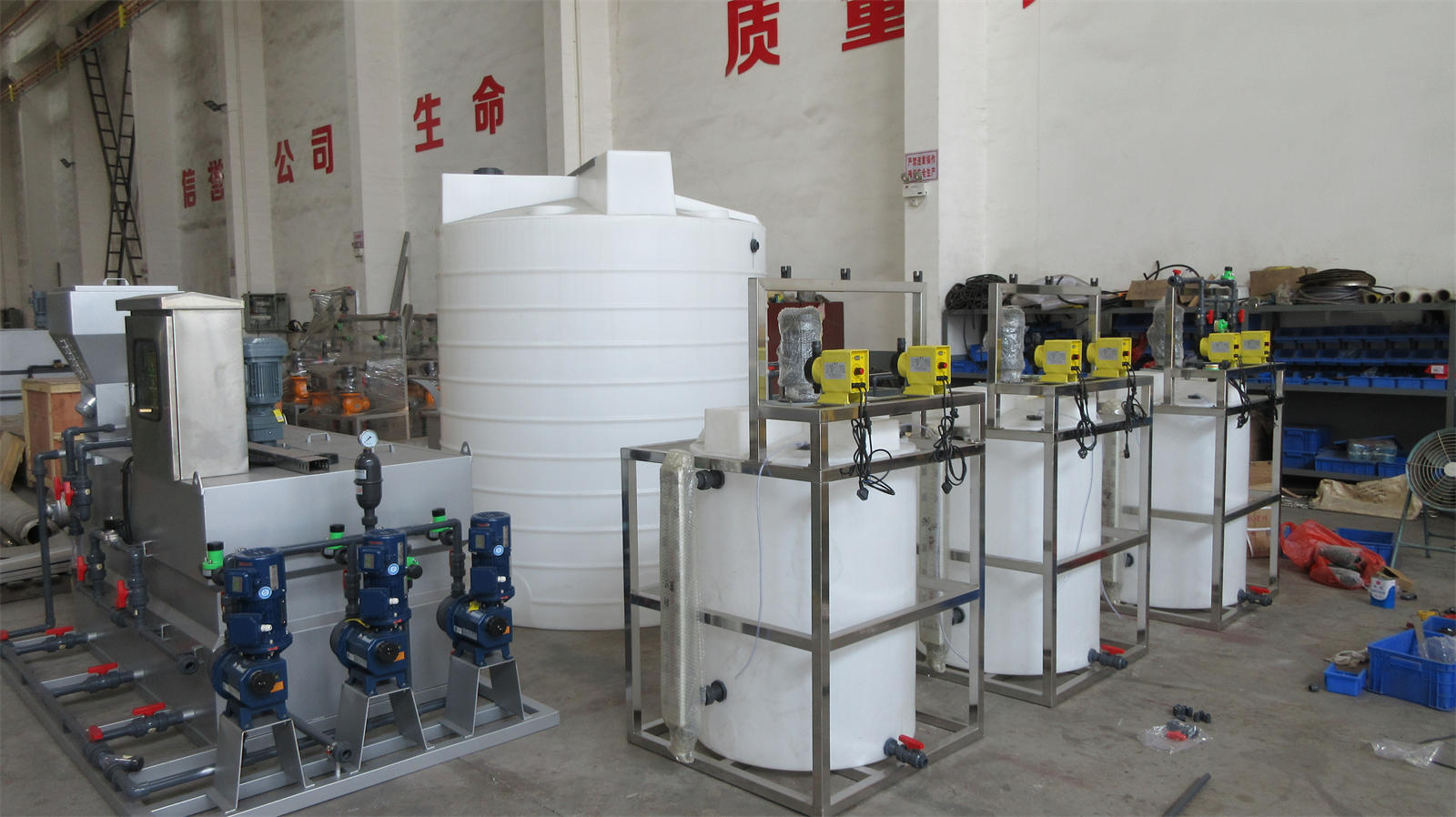
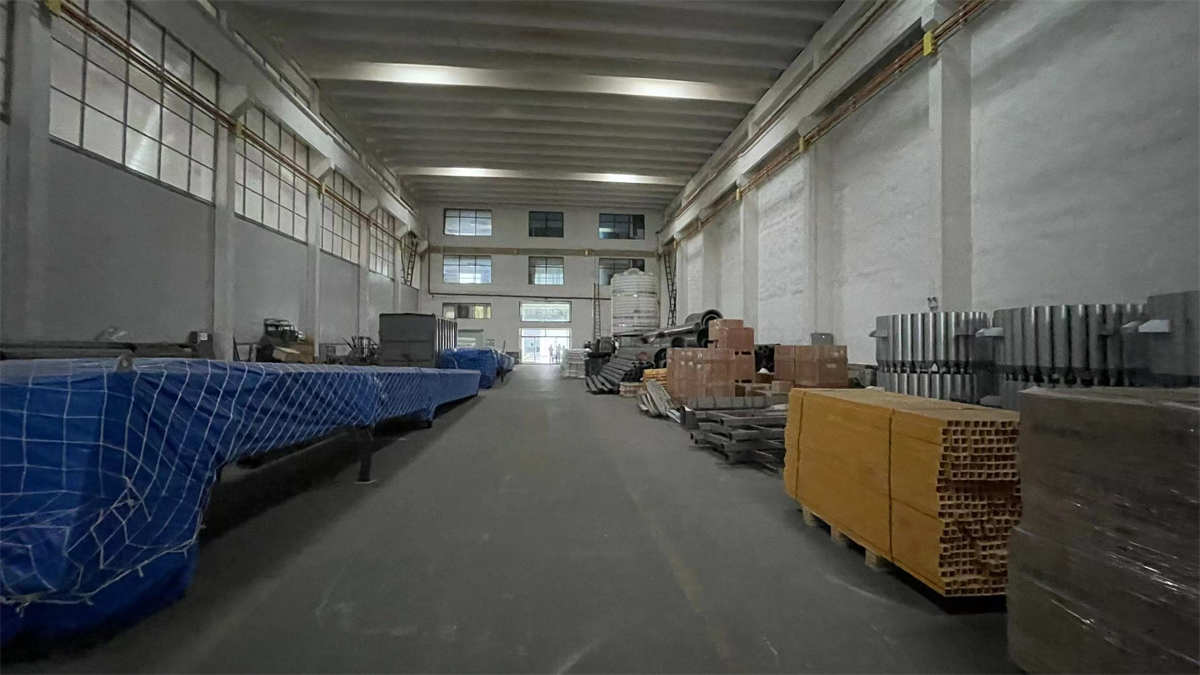
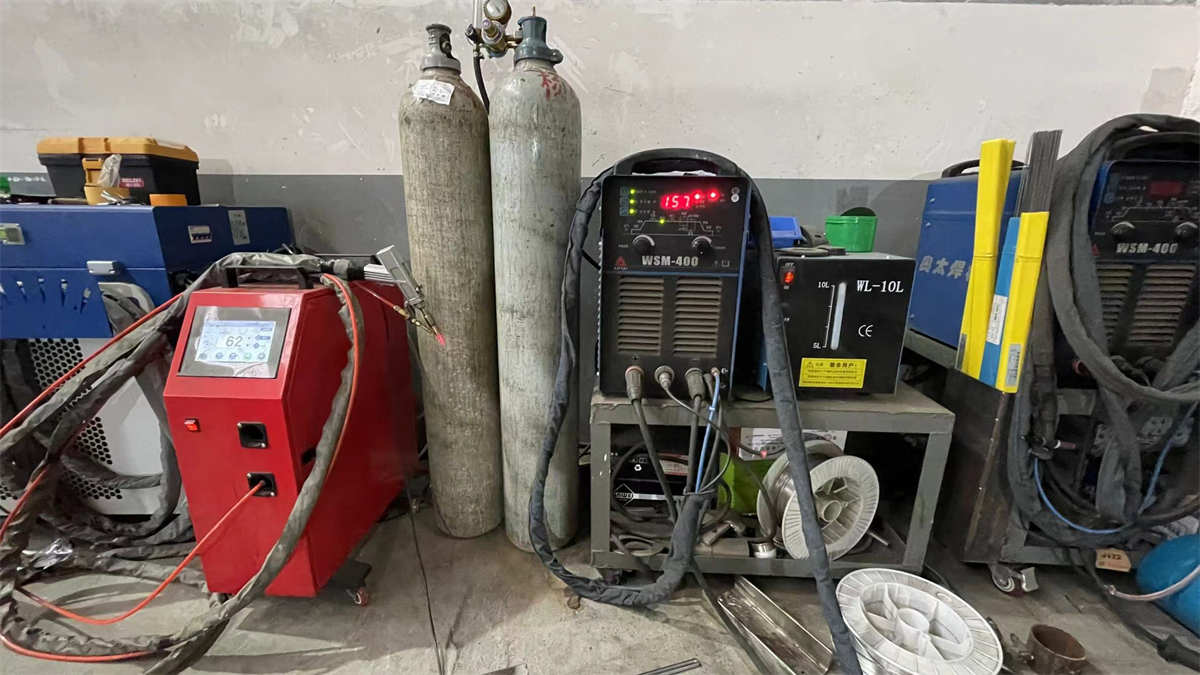
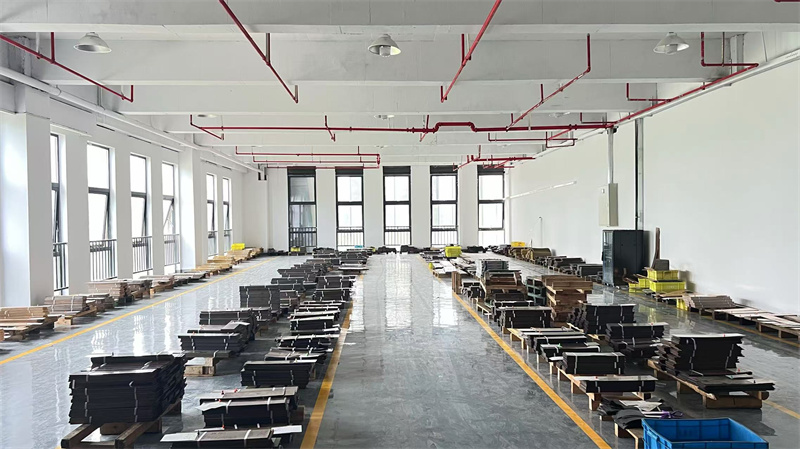
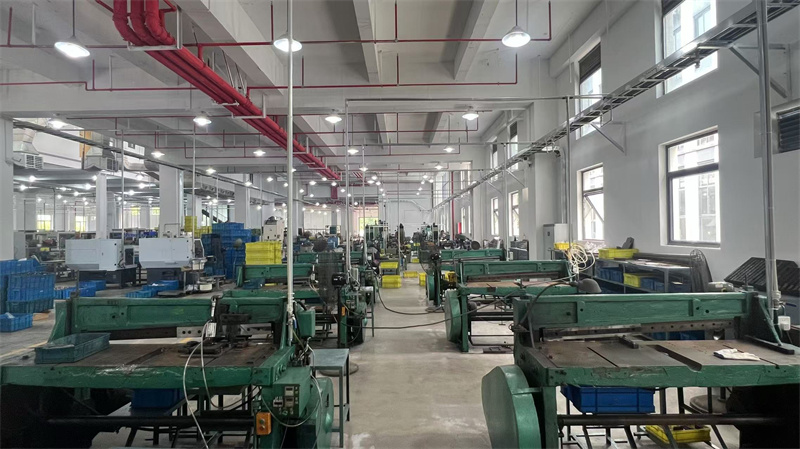
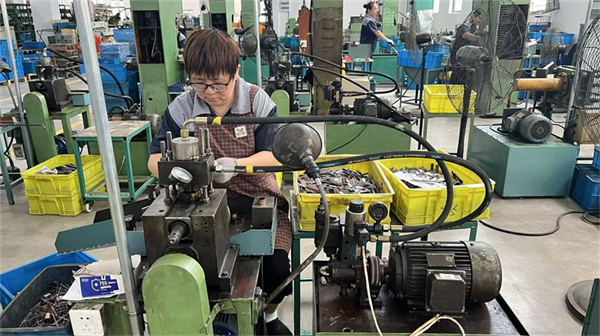
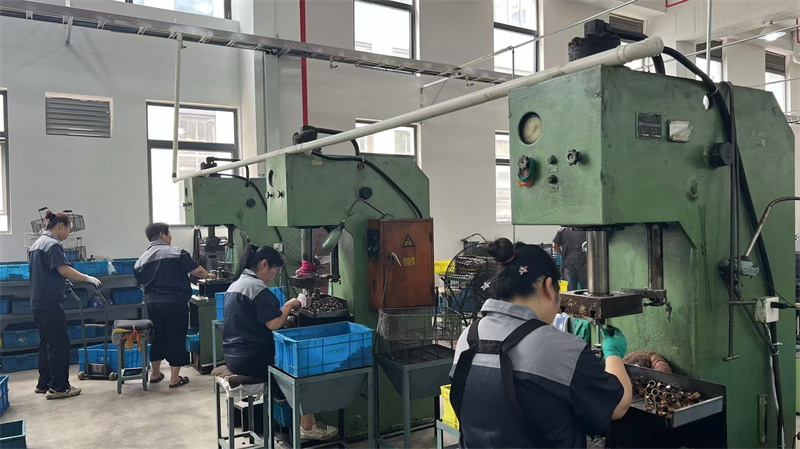
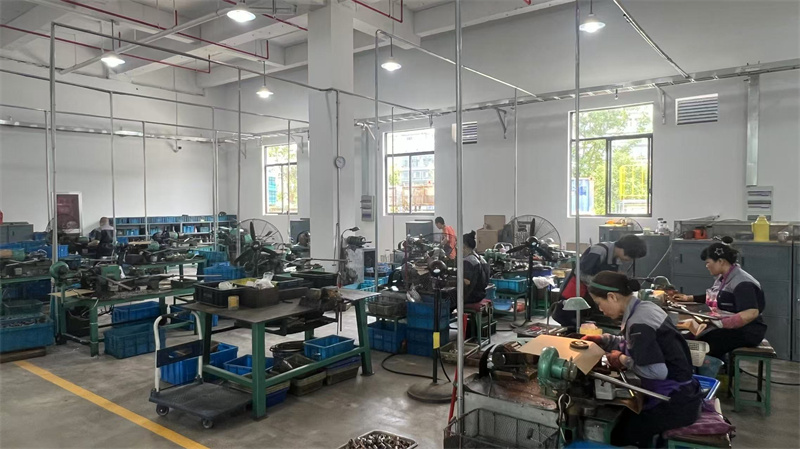
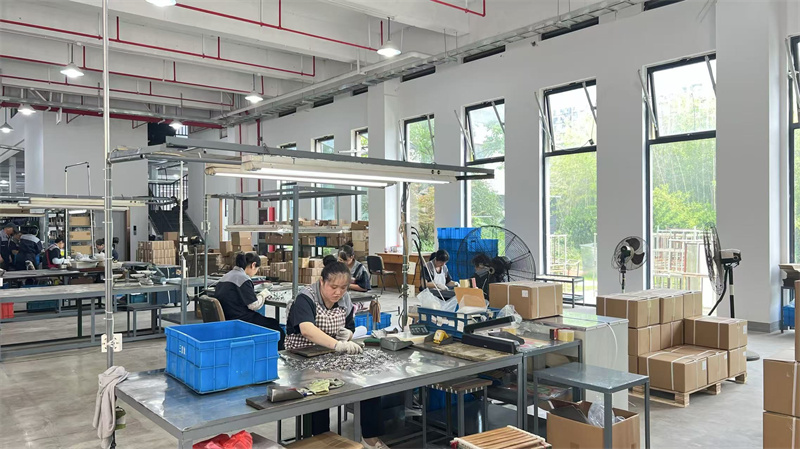
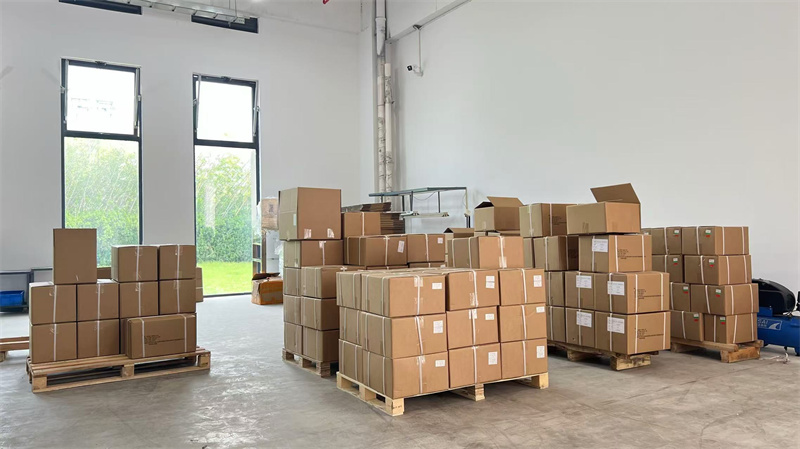
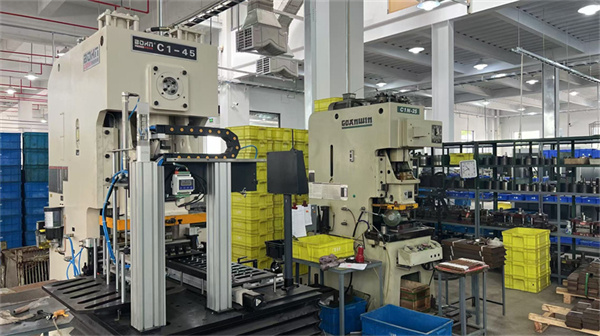
Industrial filtration technology is shifting away from purely mechanical operations toward intelligent, self-correcting systems. Jovios is at the forefront of this evolution, designing systems tailored for challenging operational environments like the Peruvian Andes.
To operate reliably above 3,500 meters, Jovios integrates specialized engineering adjustments into each filter press shipped to Peru. These parameters include:
• Motors: IP55-rated or higher, featuring class H insulation to counter reduced convective cooling in thin air.
• Hydraulics: Oversized oil coolers and low-temperature viscosity-stable hydraulic oils to prevent pressure loss during cold shifts.
• Electrical Controls: Heat dissipation systems tailored for sealed NEMA/IP65 cabinets to prevent dust ingress and condensation.
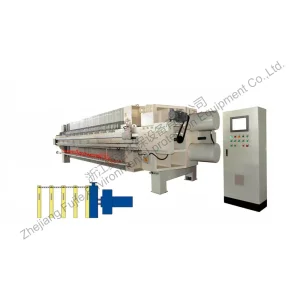
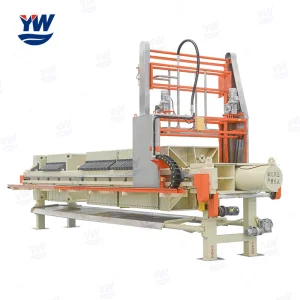
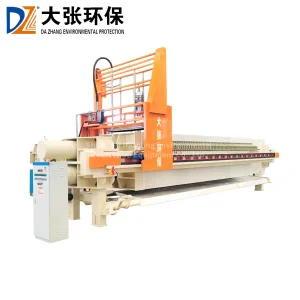
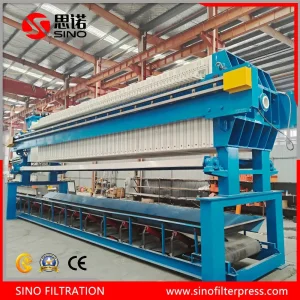
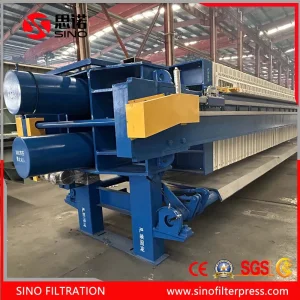
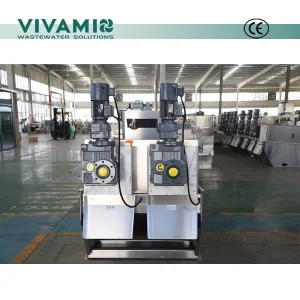
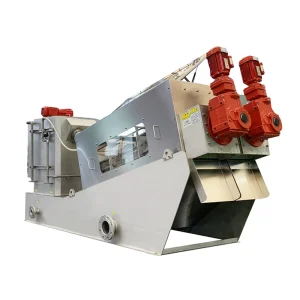
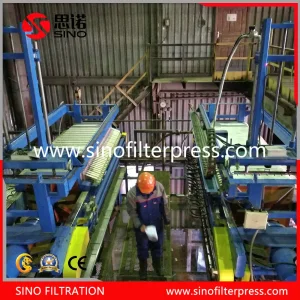
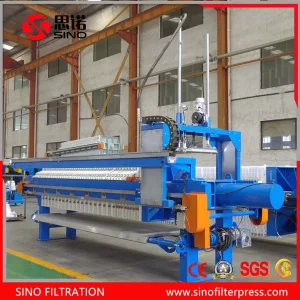
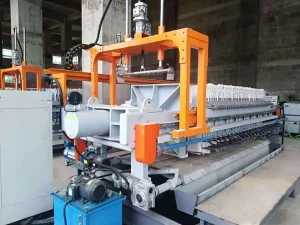
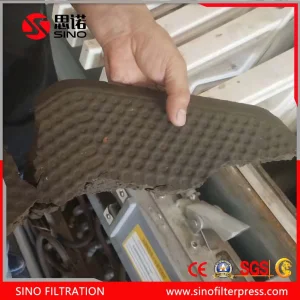
Our membrane filter presses use water or air inflation to compress the filter cake after the initial slurry feed is complete. By applying squeeze pressures up to 1.6 to 2.5 MPa, we force out capillary water trapped within the cake pores. Combined with core air blowing, this system minimizes cake moisture, preparing the material for immediate stacking or transport.
Equipped with Siemens PLC control systems and high-precision sensors, the operations are fully automated: from plate clamping and feeding to cake discharge and high-pressure cloth washing. Operators in control rooms can monitor critical parameters—including feed pressure, filtrate flow rate, and cycle duration—in real time, and integrate this data directly into the plant's centralized DCS system.
Purchasing capital equipment requires strong engineering and logistical support. Jovios maintains a robust service structure to ensure smooth operations across South America:
We supply detailed installation guidance, piping configurations, and customized foundation plans prior to shipping. Once your equipment arrives at the mine or factory site in Peru, our international engineers can provide on-site commissioning, electrical testing, and operator training to guarantee optimal integration with your existing process flow.
Our filter press structures conform to rigorous international manufacturing codes. The design calculations for our heavy-duty steel frames, hydraulic cylinders, and pressure vessels follow ASME and CE safety specifications. The resulting filtrates satisfy the environmental requirements set by the Peruvian Ministry of Energy and Mines (MINEM) and OEFA, enabling direct process reuse or safe regional discharge.
Filter cloths and polypropylene plates are critical operational consumables. Jovios maintains a rapid-response parts inventory program, supplying high-performance woven cloths customized to your specific particle size distributions. This ensures minimal downtime during routine maintenance cycles.
Contact the Jovios engineering department today for custom configuration support, altitude adjustments, mineral laboratory tests, and direct factory price quotes.
Send Inquiry Now Jovios Equipment