Engineered for rapid operation, low moisture cake output, and continuous performance under demanding industrial environments in Bangkok.
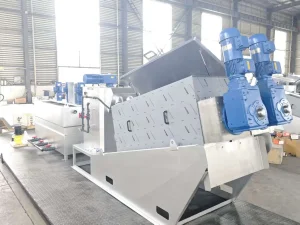
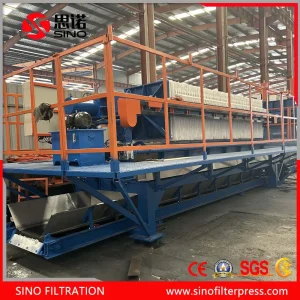
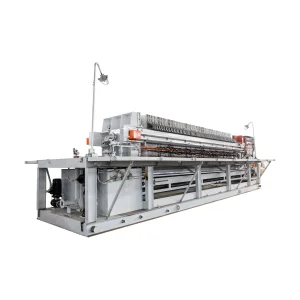
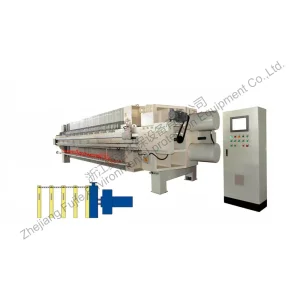
Bangkok and its surrounding provinces, including Samut Prakan, Pathum Thani, and Chachoengsao, form the heartbeat of Thailand's heavy manufacturing sectors. As the government enforces stringent environmental parameters through the Department of Industrial Works (DIW), traditional pond systems and older manual belt presses no longer suffice. Upgrading to a highly automated filter press system has become critical for compliance, resource recovery, and operational sustainability.
With industries expanding rapidly in food processing, electronics assembly, textile dye-houses, and chemical manufacturing, wastewater treatment plants must process millions of liters of sludge daily. Minimizing sludge volume is directly linked to cutting high disposal, transport, and treatment costs. Our modern solid-liquid separation solutions ensure that factories can reuse processed water and discharge clean effluents that confidently pass national regulations.
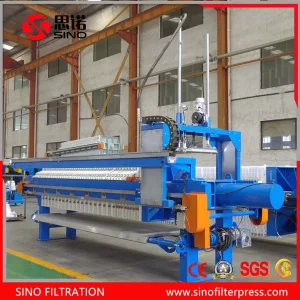
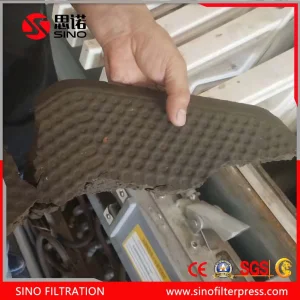
By implementing high-pressure automated chamber & membrane filter presses, enterprises can reduce slurry moisture to dry cake levels of 15%–35%. This high efficiency drastically cuts downstream transport expenses while preserving the surrounding environment from toxic leachate runoffs.
We offer complete industrial integration, commissioning, local field testing, and swift parts support for all industrial zones across Thailand.
Why modern engineering outperforms obsolete dewatering machinery. Compare our core technology advantages built into every model.
Utilizes high pressure water or air inflation behind flexible membrane plates to physically compress the cake after initial filling. Lowers final moisture content far below standard chamber plates, shaving valuable hours off drying cycles and minimizing sludge handling costs.
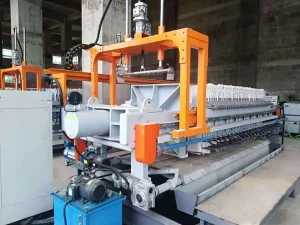
Configured with synchronized side-bar plate pullers and multi-plate opening systems. Minimizes cake discharge cycles to under 5 minutes instead of 30+ minutes on manual installations. Greatly enhances the continuous throughout capabilities of wastewater plants.
Engineered to handle Thailand's tropical ambient temperature and high relative humidity. Built using high-grade components with specialized epoxy coatings, stainless steel side-rail protections, and tropicalized IP65/IP66 PLC cabinets for absolute reliability.
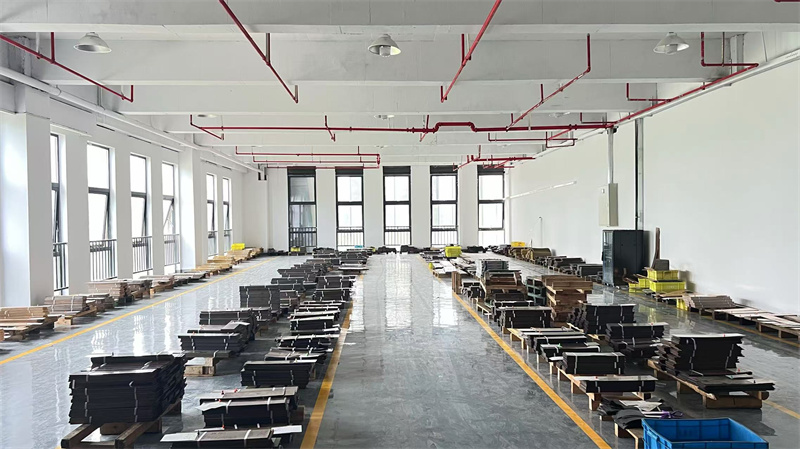
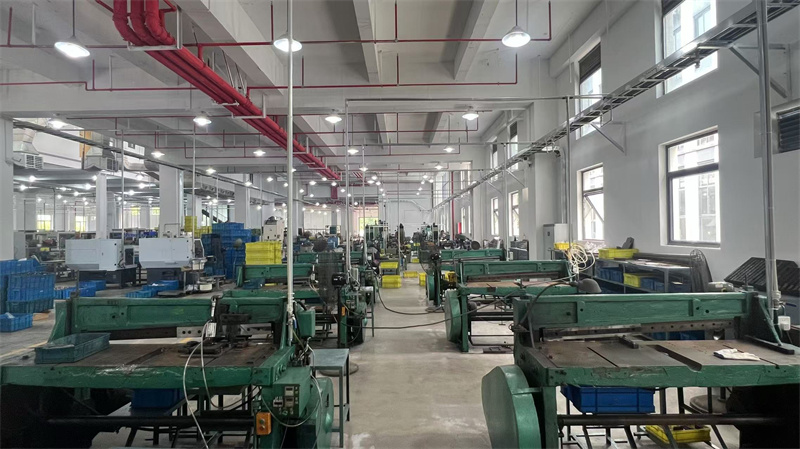
Located in the highly advanced National High-tech Industrial Development Zone of Changzhou, Jiangsu Province, China, Changzhou Jovios Equipment Co., Ltd. is a leading-edge solid-liquid separation manufacturer. Operating out of a state-of-the-art 50,000-square-meter facility, we provide unmatched manufacturing efficiency and technical reliability.
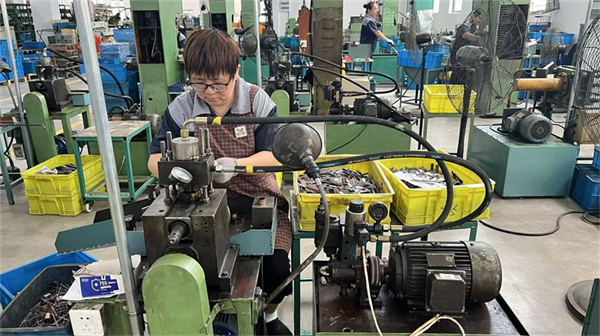
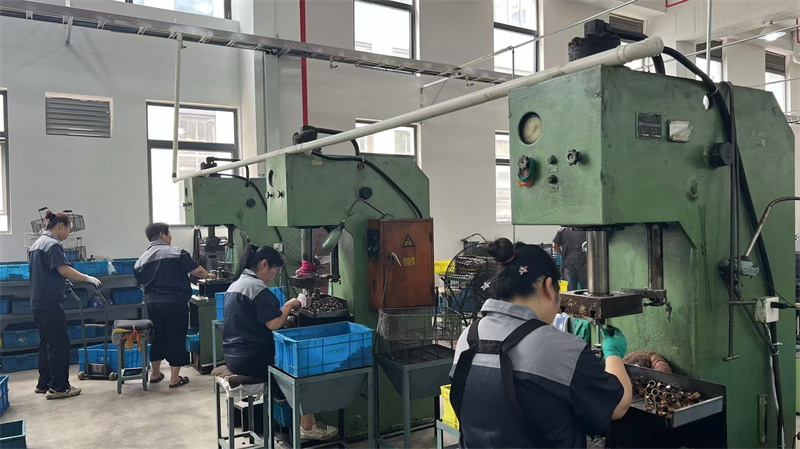
Leveraging the power of the world's most integrated industrial supply chain in China, we deliver superior technological configurations at competitive prices. Every filter press frame is stress-relieved, CNC-machined, and sandblasted prior to multiple coatings. This ensures deep resistance to mechanical fatigue and structural longevity exceeding 15 years.
A closer look at how Jovios builds durability into every piece of solid-liquid separation machinery.
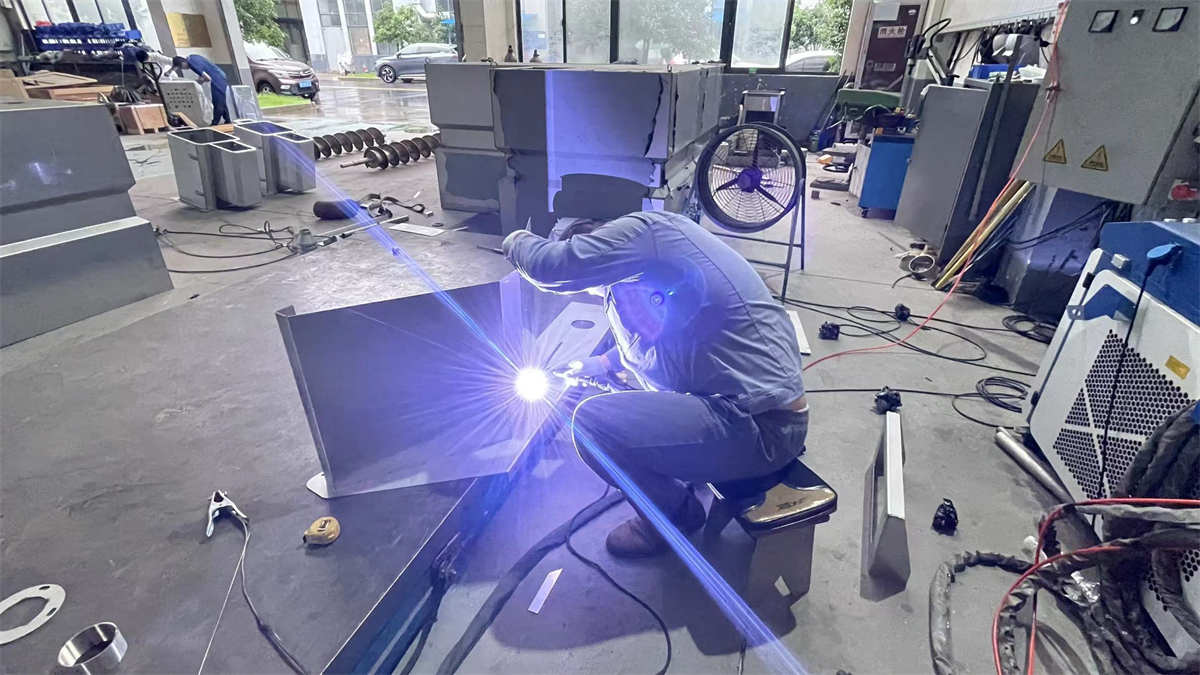
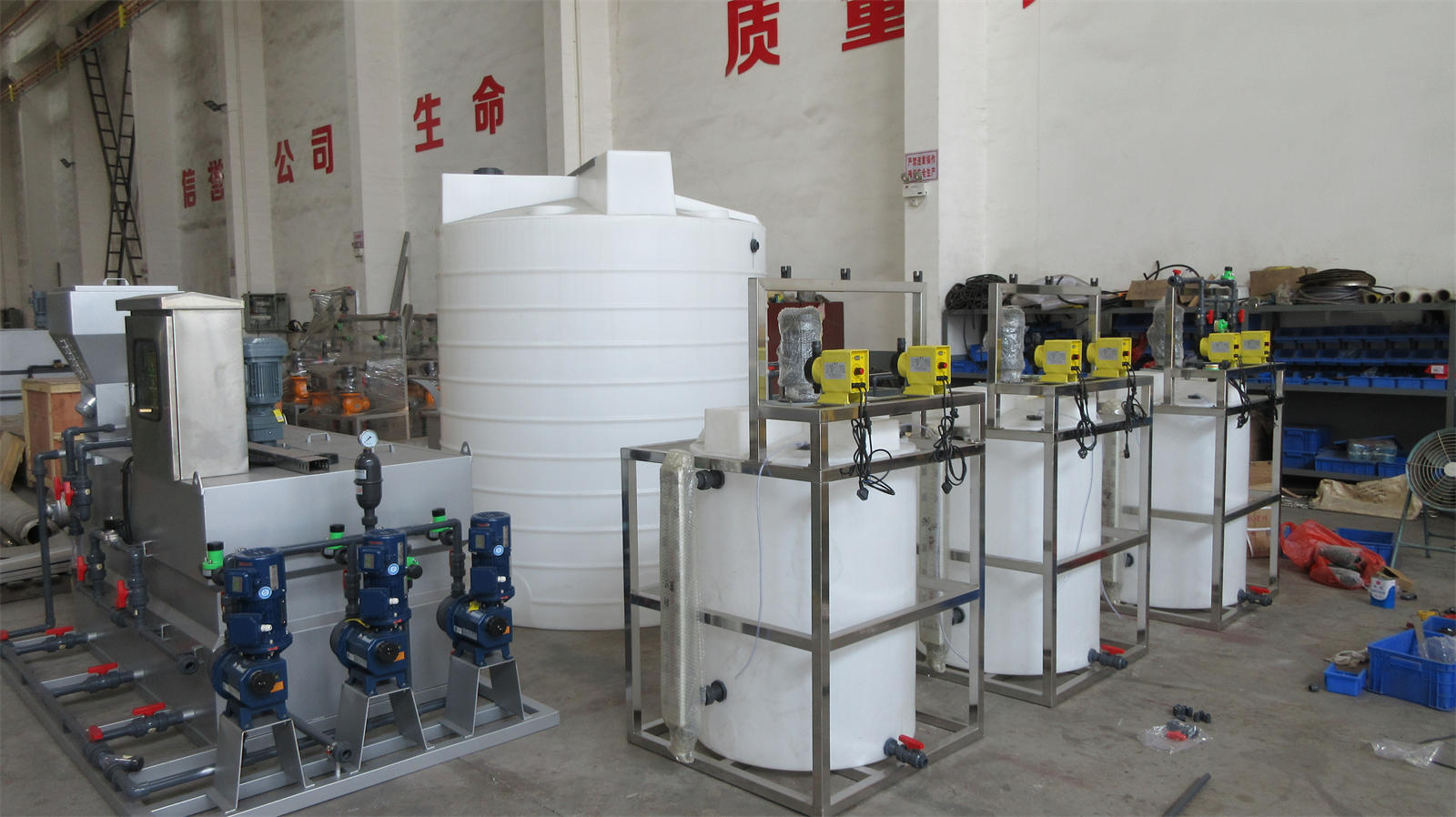
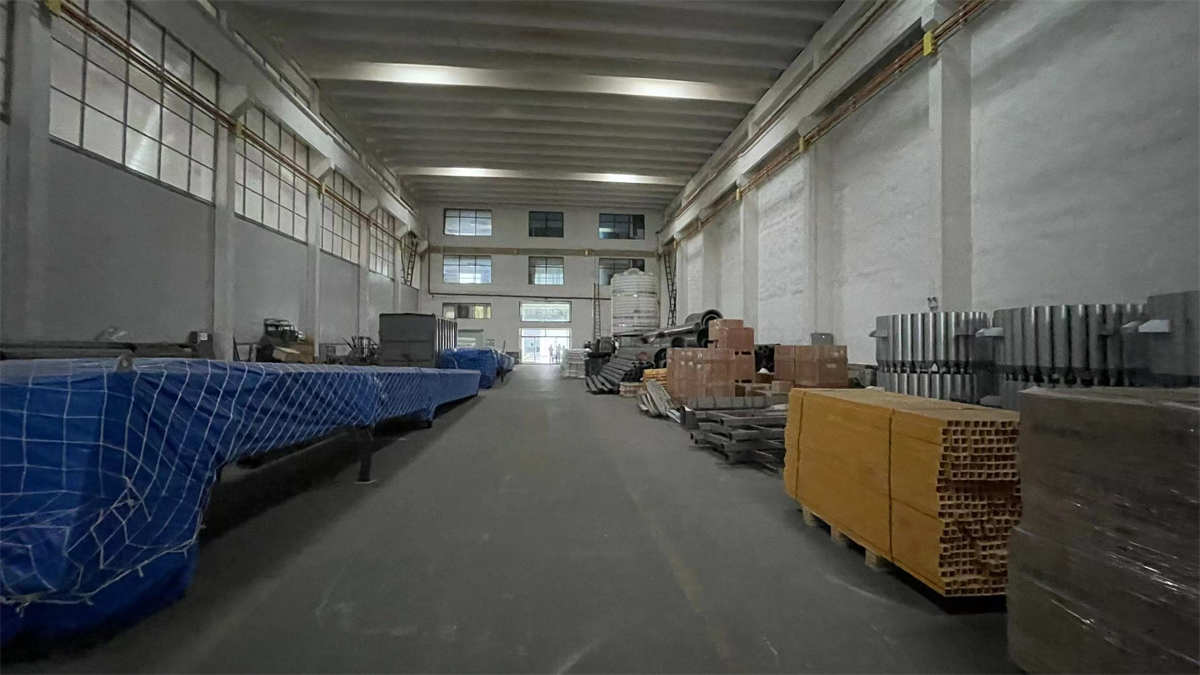
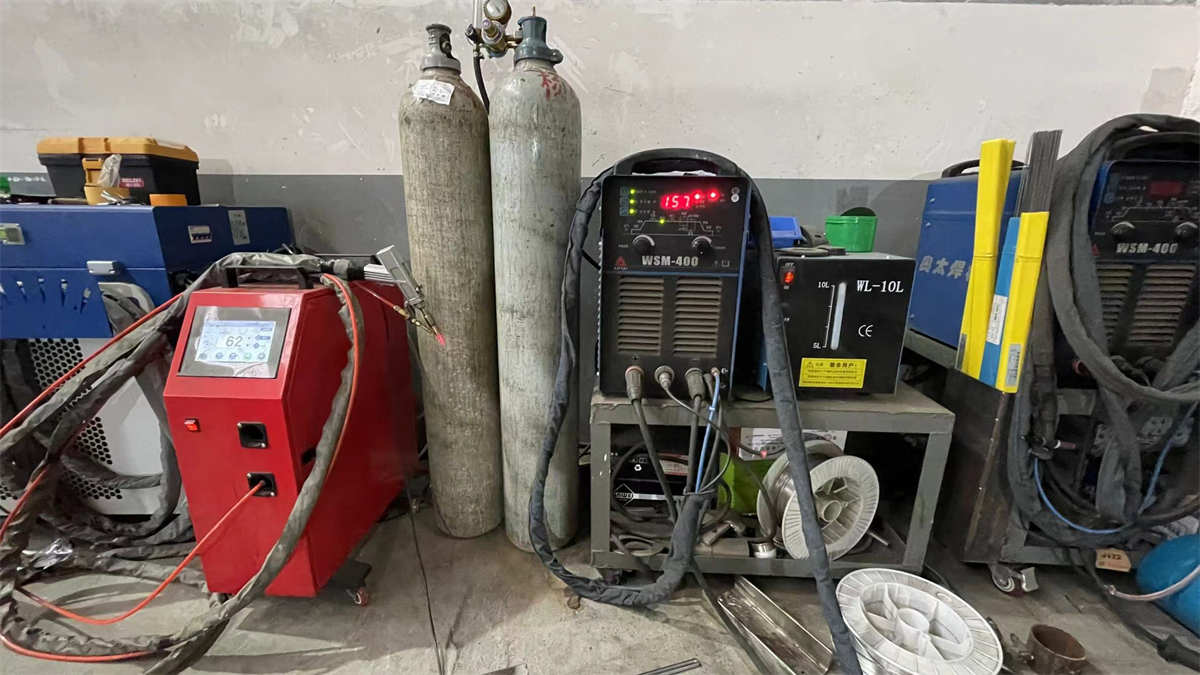
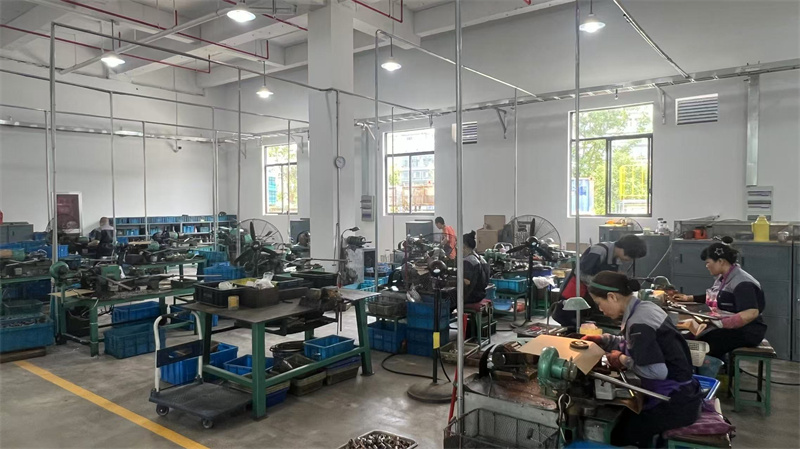
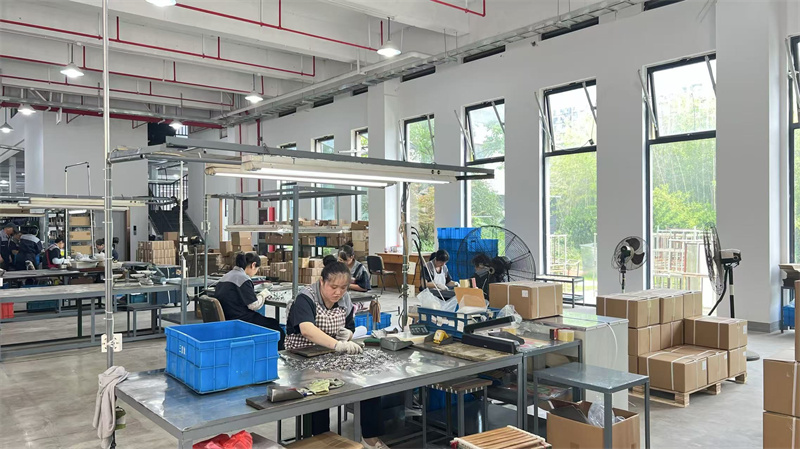
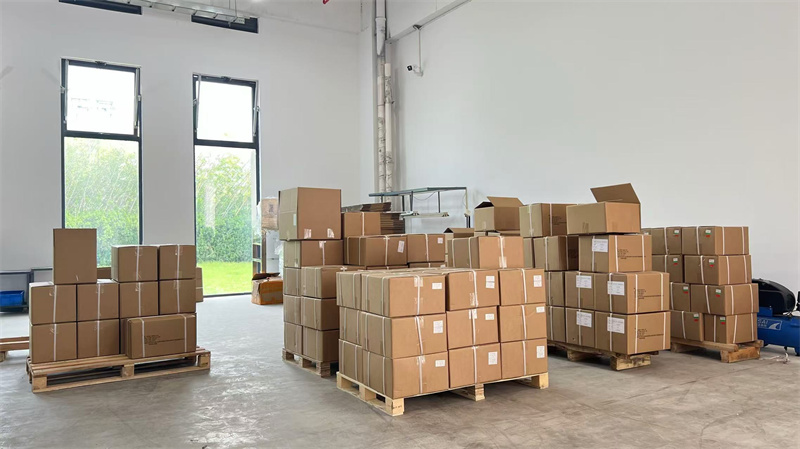
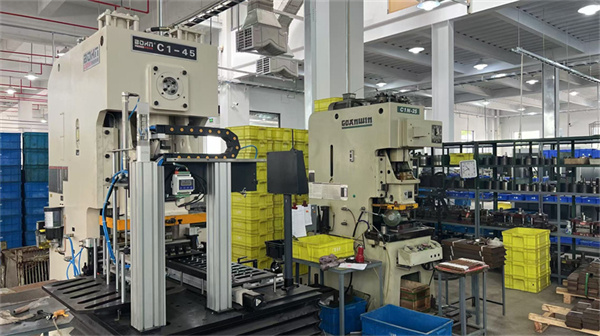
We configure filtration matrices dynamically designed around specific process feeds and raw sludges.
Bangkok Metropolitan Administration (BMA) treatment plants require extremely large throughput operations. Our fast-open diaphragm systems maximize cycles, transforming dilute primary and activated organic sludge into stackable, bio-solid cakes ready for secure composting or landfill transport.
Thailand is a global force in food manufacturing and refined vegetable oil exports. We build specialized, food-grade stainless steel cladded filter presses with FDA-approved virgin polypropylene filter plates. These process raw edible oils and syrups under hygienic conditions, achieving peak filtrate clarity.
Located throughout the industrial zones of Lat Krabang and Bangpoo, semiconductor and surface treatment factories require heavy metal precipitation (Chromium, Nickel, Copper). Our specialized high-pressure chamber plate systems effectively isolate toxic hydroxides, preventing hazardous waste from entering vital municipal water grids.
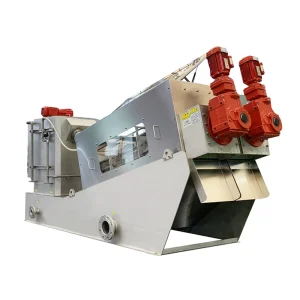
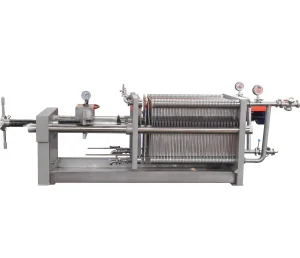
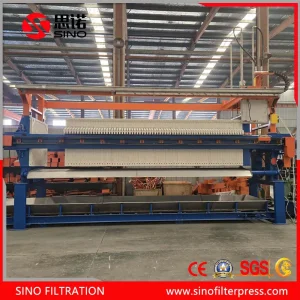
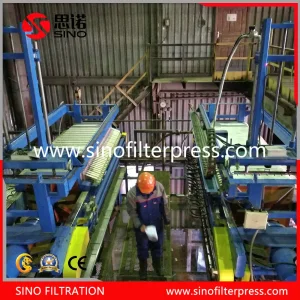
Explore our complete product lineup. Every system is fully customizable with automated cloth washing, pneumatic drip trays, and SCADA-linked control panels.
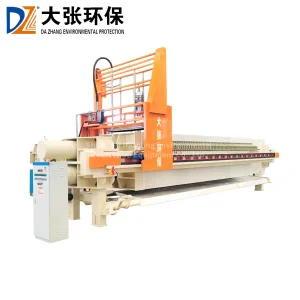
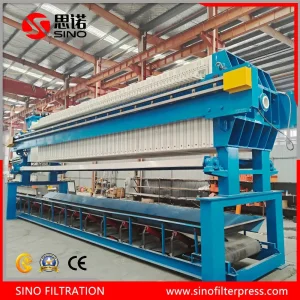
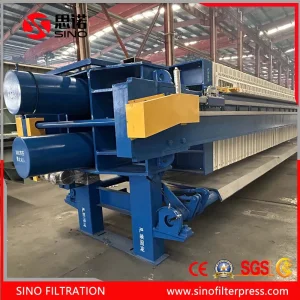
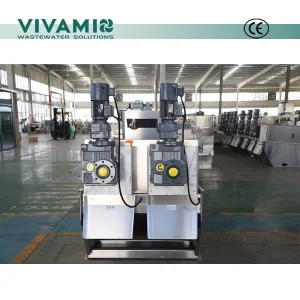
Answering high-intent technical questions regarding Automatic Filter Presses, operations, and selection parameters.
Traditional belt presses rely on continuous tension squeezing, which typically results in high moisture retention within the discharge cake (often around 75% to 85% water content). In contrast, an Automatic Chamber or Membrane Filter Press uses positive high pressure (up to 16-20 bar) in isolated chambers, forcing free water out and compressing the solid structure down to a solid cake with 15%–35% moisture content. Lower moisture levels significantly reduce hauling costs and avoid strict weight-based transport surcharges in Thailand's central industrial complexes.
Standard chamber plate presses collect solids purely based on feeding pump pressure. Once the chambers fill, the cycle ends. Membrane filter plates feature flexible face-membranes. Following the feeding cycle, high-pressure water or compressed air is pumped into the plates' interior, inflating them to squeeze the filter cake. This secondary compression removes more capillary water, shortens washing cycles, reduces blow-drying times, and delivers uniform, drier cakes—critical for efficient operation in hot, humid climates like Bangkok.
Yes. For delicate applications like honey, palm oil fractioning, and starch purification, we manufacture food-grade filter presses. These systems feature sanitary food-grade virgin polypropylene plates (FDA approved), stainless steel frame cladding to eliminate oxidation risk, and specialized non-toxic, chemical-resistant filter cloths that maintain zero purity degradation in sweet syrups or high-temperature vegetable oils.
We manage the entire logistics chain from our production facility in Changzhou to major global industrial hubs. Equipment is secured inside export-grade heavy wooden crates, loaded into standard ocean containers, and shipped directly to Laem Chabang Port or Bangkok Port (Klong Toey). Along with comprehensive technical drawings and English operating manuals, our local service engineers and remote installation specialists provide guidance during setup, PLC integration, testing, and training.
For uninterrupted operation, filter cloths must be washed periodically to prevent particle blinding. Our automated high-pressure cloth washing systems streamline this task, using a motorized wash bar to sweep between plates and keep them clear. Additional regular maintenance includes inspecting hydraulic oil levels, monitoring shifting-car chain tension, and cleaning the PLC's safety photo-sensors.
Most raw slurry and biological sludge contains fine colloids that must be flocculated before entering the filter press. Our team provides complete dosing packages, including preparation tanks, metering pumps, and inline static mixers. Dosing the right polymer creates robust flocs, allowing rapid filtration, clean filtrate discharge, and easy cake release.
Get in touch for a detailed custom engineering proposal, sludge sample testing, or competitive factory pricing. We provide customized solutions to fit your exact project requirements.
Send Inquiry Now Jovios Equipment