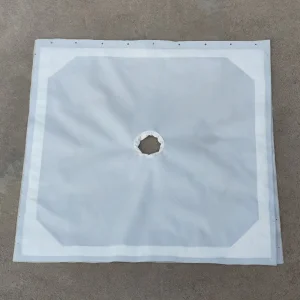
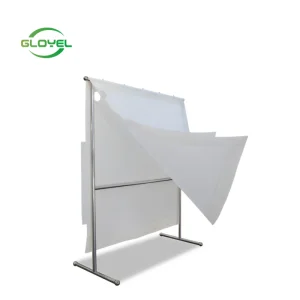
High-efficiency polyester filtration fabrics optimized for the harsh operating parameters of Kazakhstan’s heavy industries.
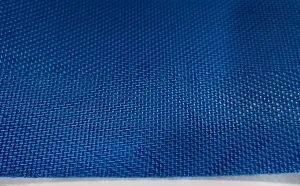
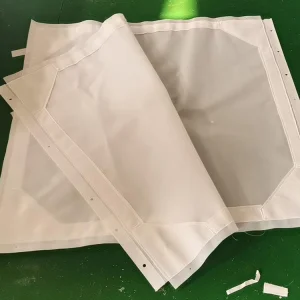
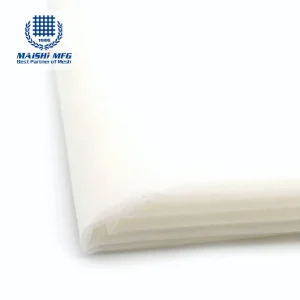
Kazakhstan, the economic hub of Central Asia, is experiencing rapid growth in its resource-extraction and processing sectors. The nation hosts massive mineral reserves—including copper, chrome, uranium, zinc, coal, and iron ore—alongside significant hydrocarbon reservoirs in the Caspian Sea basin. To support modern processing rates, industrial facilities in Karaganda, Ust-Kamenogorsk, Balkhash, and Shymkent rely heavily on liquid-solid separation processes. In these applications, the polyester filter cloth acts as the key interface for mineral recovery, tailings management, and water reuse.
Kazakhstan's climate is highly continental, with temperatures fluctuating from below -40°C in winter to above +40°C in summer. Industrial operations must withstand these seasonal extremes without losing efficiency. Standard filter cloths easily become brittle or experience dimension changes, leading to bypass leakage or mechanical tearing.
Polyester (PET) fibers offer exceptional tensile strength, chemical compatibility, and thermal stability. These characteristics make polyester the material of choice for high-pressure chamber filter presses, belt filters, and vacuum disc filters operating in harsh Central Asian environments.
Globally, industrial sectors are moving away from traditional disposal methods toward circular economies and closed-loop waste management systems. In mineral processing and chemical manufacturing, the goal is twofold: maximize the recovery of high-value process chemicals and minimize fresh-water drawdowns by recycling filtrate directly back into plant operations.
Polyester filter fabrics address these challenges. By utilizing specialized weave patterns, heat-set calendering finishes, and targeted chemical treatments (such as oil-proof, water-repellent, or antistatic finishes), manufacturers like Jovios Equipment can control permeability down to specific micron ratings. This control reduces cake moisture levels, limits filtrate turbidity, and extends the service life of filter plates and belts.
Optimized filtration media engineered to handle abrasive ores, heavy sludges, and high flow rates.
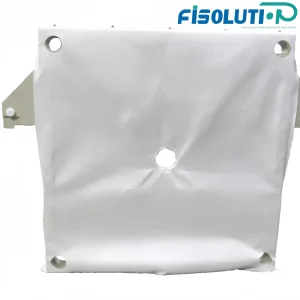
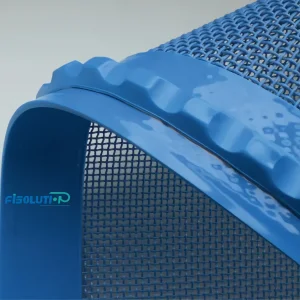
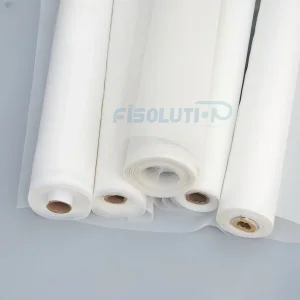
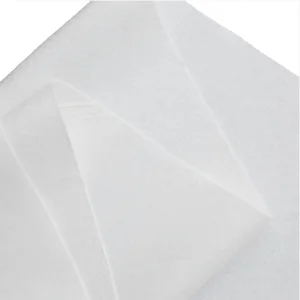
To optimize a filter cloth for the demanding conditions of Kazakh heavy industry, designers evaluate three main fabric parameters: fiber morphology, weave pattern, and surface finishing.
Choosing between monofilament, multifilament, and spun fibers. Monofilament offers excellent cake discharge and resistance to blinding, while multifilament provides high tensile strength and retention of fine particulate matter.
Plain, twill, and satin weaves alter the flow path. Twill and satin are preferred for sticky cakes in mineral flotation concentrates because they reduce fabric drag and allow the cake to drop cleanly from the press.
Passing the fabric through high-temperature rollers (calendering) flattens the surface fibers. This process locks in the aperture size, controls air permeability, and creates a smooth surface for quick cake release.
The table below highlights the comparative properties of industrial fibers under standard plant operating conditions. Understanding these parameters helps project engineers select the appropriate material for their specific processing environment.
| Fiber Type | Acid Resistance | Alkali Resistance | Abrasion Resistance | Max Temp (°C) | Elastic Recovery |
|---|---|---|---|---|---|
| Polyester (PET) | Excellent | Fair | Excellent | 130°C | High |
| Polypropylene (PP) | Excellent | Excellent | Moderate | 90°C | Moderate |
| Nylon (PA66) | Poor | Excellent | Outstanding | 110°C | Excellent |
Changzhou Jovios Equipment Co., Ltd. — Your Trusted Industrial Filtration Partner
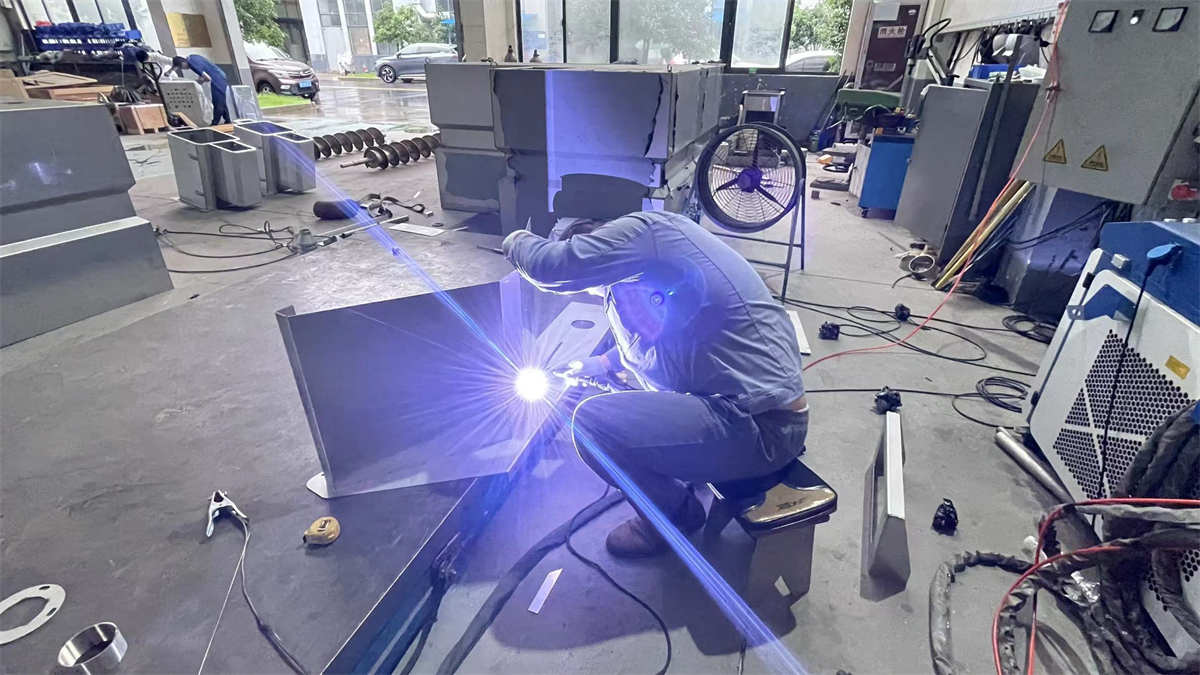
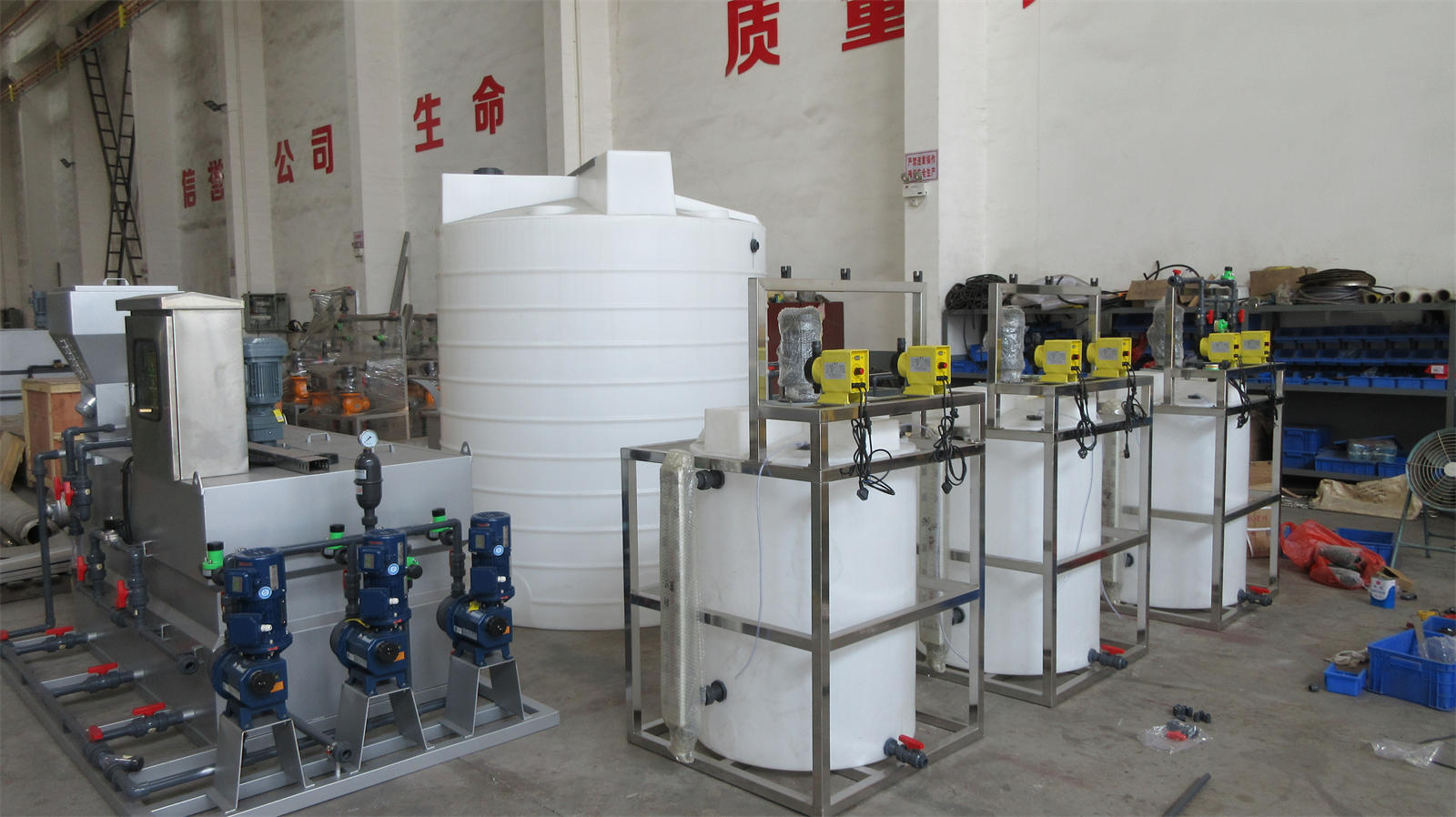
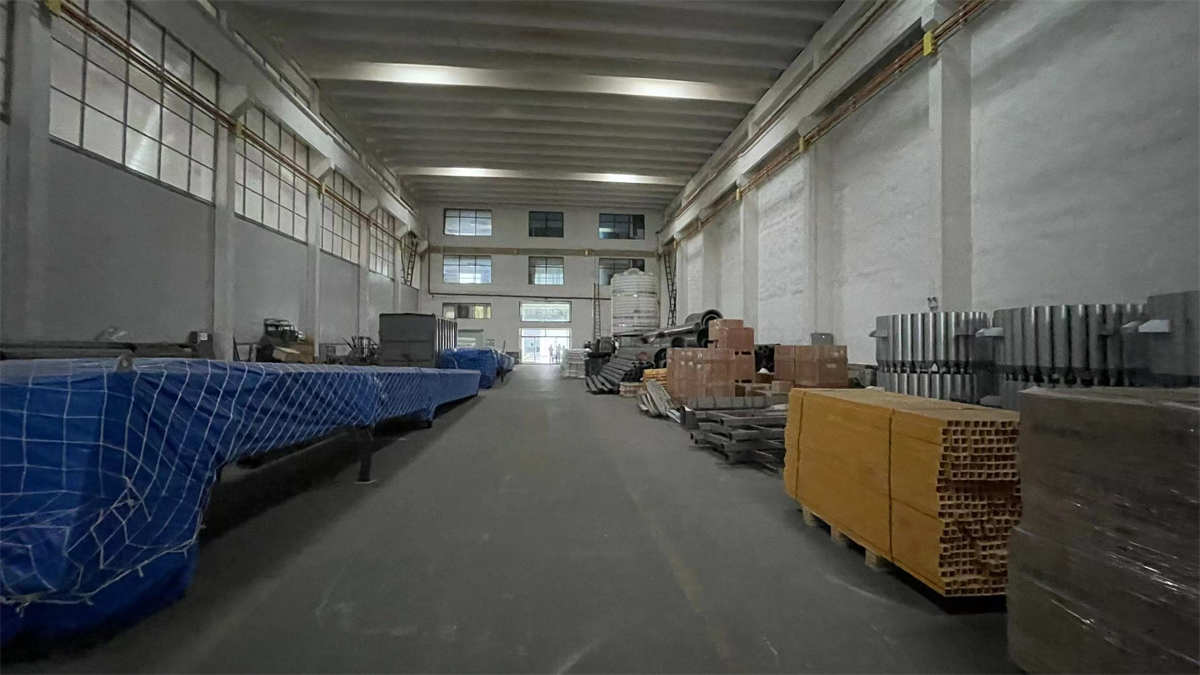
Changzhou Jovios Equipment Co., Ltd. is a professional manufacturer and solution provider specializing in solid-liquid separation and environmental protection equipment. Located in Changzhou National High-tech Industrial Development Zone, Jiangsu Province, China, the company operates a modern manufacturing base covering more than 50,000 square meters, equipped with advanced production facilities and a comprehensive quality inspection center.
Jovios independently designs, develops, and manufactures a complete range of filtration and separation equipment, including plate and frame filter presses, membrane filter presses, automatic filter presses, intelligent filtration systems, as well as high-performance filter plates and filter cloths. With an annual production capacity exceeding 1,000 units, our products are widely applied in municipal wastewater treatment, chemical processing, petroleum, mining, metallurgy, pharmaceuticals, food and beverage production, paper manufacturing, textile dyeing, ceramics, building materials, and many other industries.
In addition to filtration equipment, Jovios provides complete wastewater treatment solutions and engineering services. From process design and equipment selection to installation, commissioning, and operational support, we deliver turnkey wastewater treatment systems for both municipal and industrial customers worldwide.
Our experienced research and development team consists of more than 30 senior engineers and technical specialists. Through close cooperation with universities, research institutes, and industry partners, we continuously integrate innovative technologies into product development, ensuring reliable performance, higher efficiency, and sustainable operation.
Supported by a growing global sales and service network, Jovios offers comprehensive technical support throughout the entire project lifecycle. From initial consultation and system design to installation, training, and after-sales service, we are committed to providing responsive and professional support wherever our customers operate.
At Jovios, we are dedicated to delivering efficient, energy-saving, and environmentally responsible separation solutions for industrial customers worldwide. Through continuous innovation and customer-focused engineering, we help businesses improve productivity, reduce operating costs, and achieve sustainable growth.
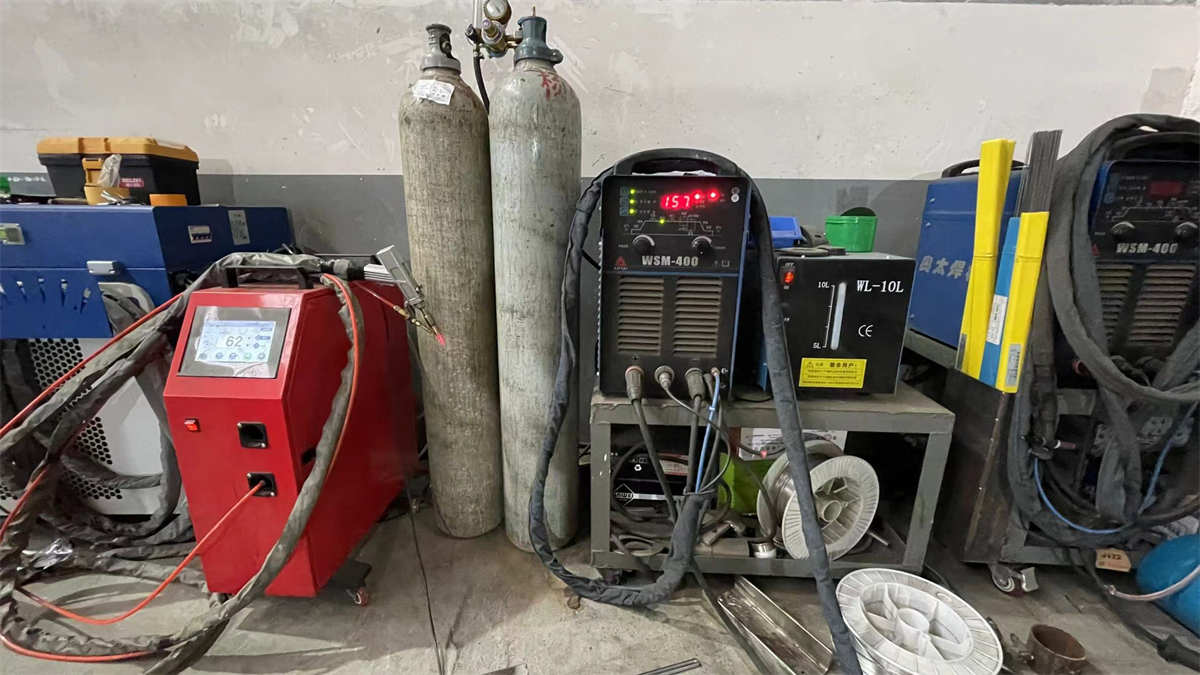
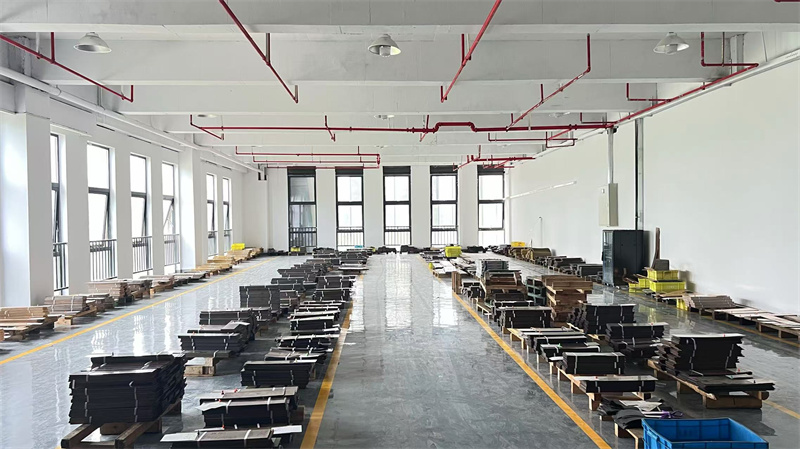
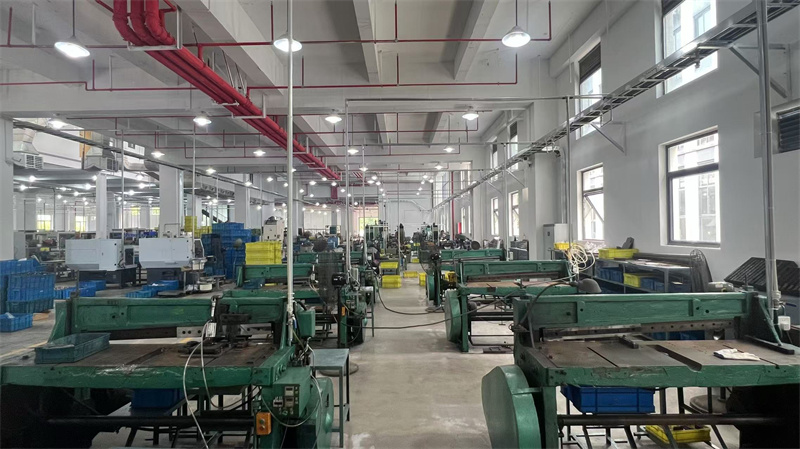
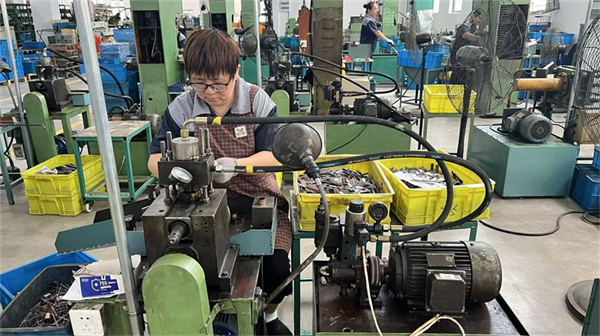
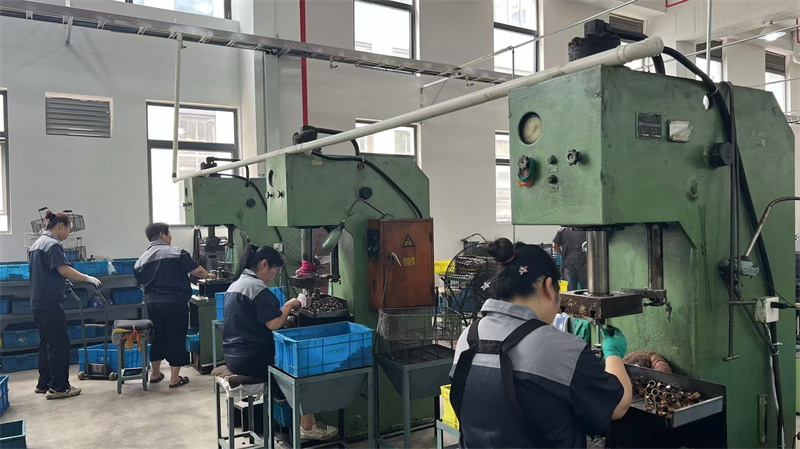
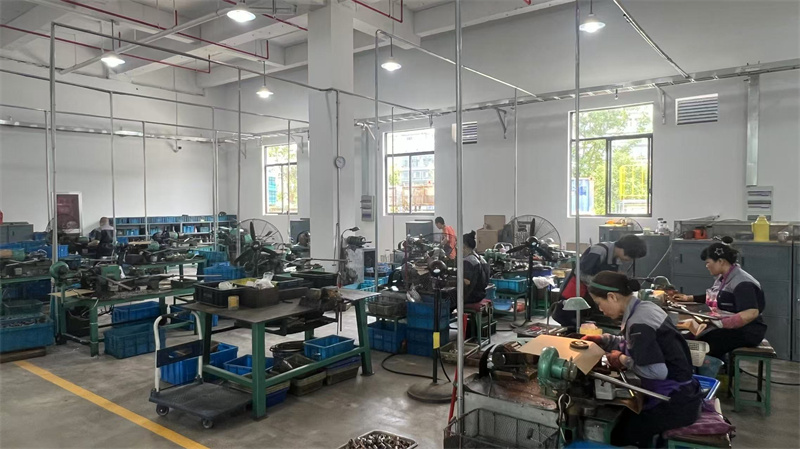
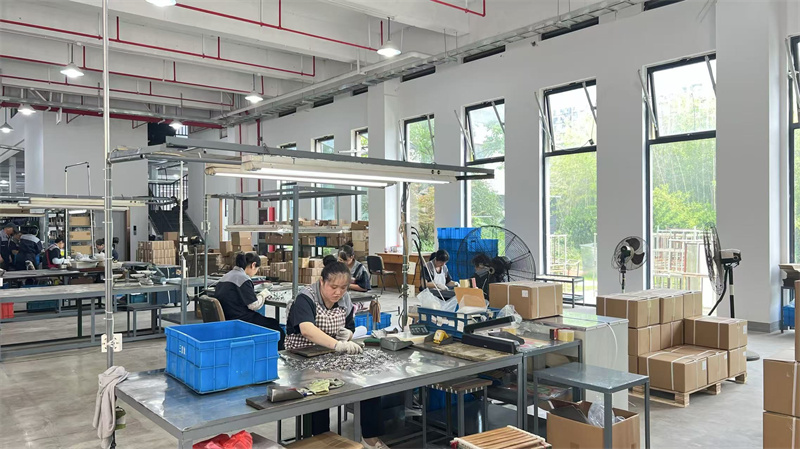
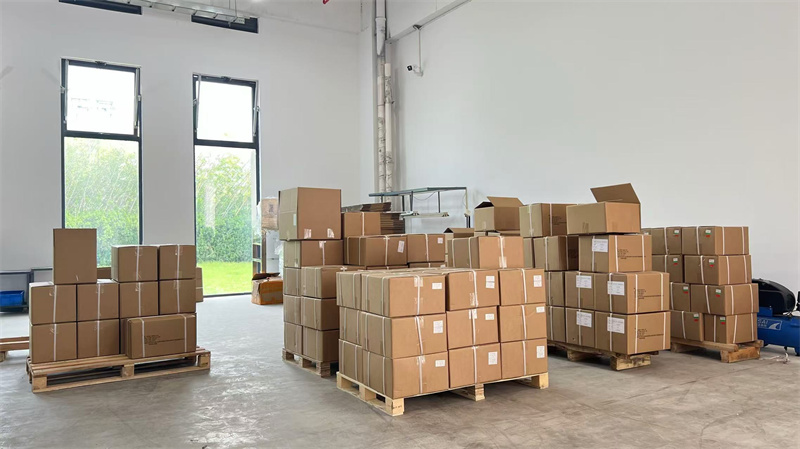
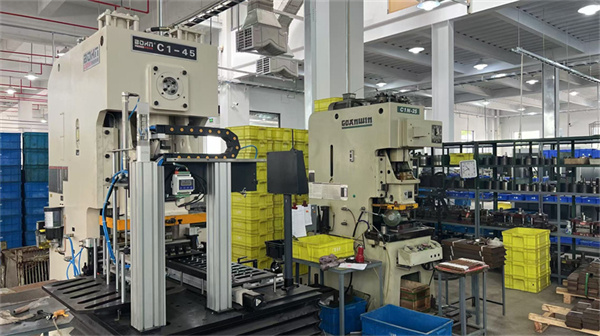
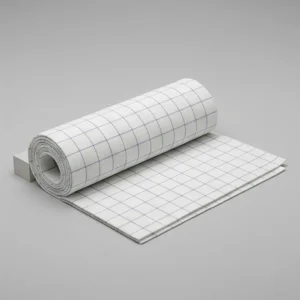
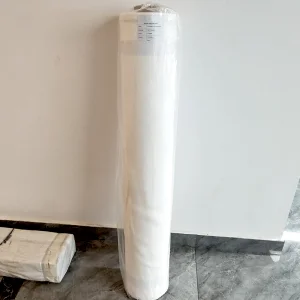
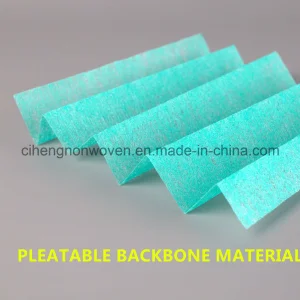
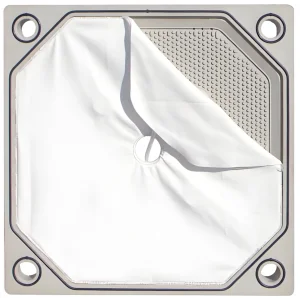
Select from our comprehensive list of high-strength polyester filter cloths, customized to optimize cake cake-moisture and air permeability.
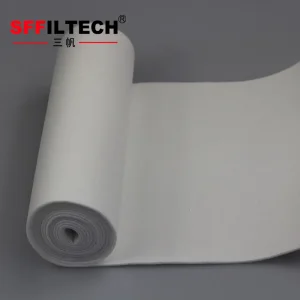
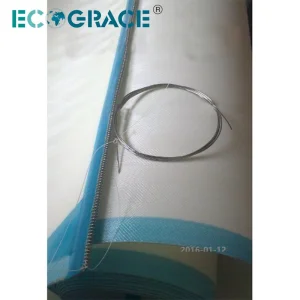
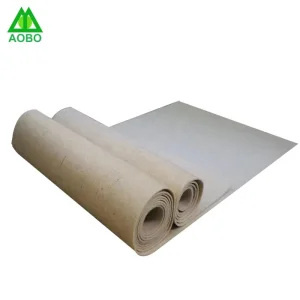
Importing industrial consumables into Kazakhstan requires navigation of Eurasian Economic Union (EAEU) standards and complex logistical paths. Jovios has optimized its supply chain to guarantee smooth delivery and compliance across the region.
Our manufacturing base in Changzhou, China, is connected directly to major rail hubs. We coordinate transit through Alashankou and Dostyk directly to industrial centers such as Almaty, Karaganda, and Nur-Sultan. This infrastructure avoids long ocean shipping delays, reducing transit times to 12-15 days and helping local plants maintain safety stock levels.
All polyester filter fabrics supplied to Kazakhstan undergo inspection protocols to align with local requirements:
We provide remote technical assessments and partner with regional service engineers to help local mills optimize filter performance. Our team assists with sizing, fabric selection, and troubleshooting issues like blinding or rapid wear, ensuring maximum utility from every shipment.
Technical insight into choosing, installing, and maintaining polyester filter fabrics in heavy industrial facilities.
Contact our technical sales team for custom sizing, quotes, and product samples tailored for the Kazakhstan industrial market.
 Jovios Equipment