Engineered for maximum dry solids content, chemical durability, and high throughput in southern Africa's most challenging industrial landscapes.
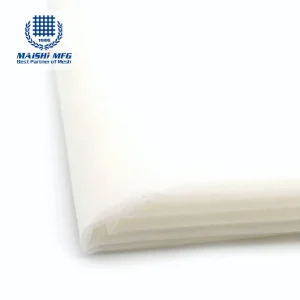
Lesotho, a high-altitude nation landlocked within South Africa, is experiencing a steady wave of industrialization. Its economic growth is powered by key sectors: high-value diamond mining (in the Maloti Mountains, hosting renowned mines like Letšeng, Kao, and Liqhobong), a robust textile and apparel manufacturing sector centered in Maseru and Maputsoe, and macro-scale water transfer projects like the Lesotho Highlands Water Project (LHWP). Each of these sectors operates under intense environmental regulations and severe geographical parameters (high altitudes up to 3,000+ meters, sub-zero winters, and heavy silt loading in local rivers).
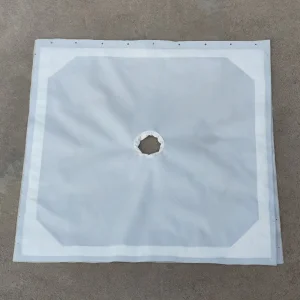
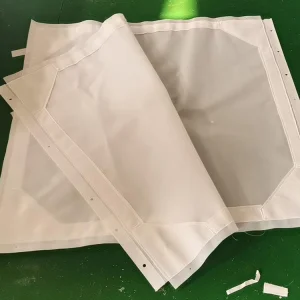
In this context, polyester (PET) filter cloths are not mere consumables; they are critical system components that determine the yield, operational cost, and compliance of major operations. For instance, diamond mining requires massive volumes of process water for kimberlite ore washing. High-durability polyester filter cloths installed on multi-chamber filter presses allow mine operators to recover over 90% of process water while producing dry, transportable tailings cakes. Without high-tensile, abrasion-resistant cloths, plants face frequent blinding, early mechanical breakdown from sharp kimberlite particles, and costly operational shutdowns.
Furthermore, Maseru's textile industries—exporting heavily to North American and European markets—generate dense wastewater containing dyes, synthetic binders, and chemical additives. To protect the Caledon River basin, this wastewater must undergo strict mechanical dewatering. Our tailored polyester filter cloths are engineered specifically to resist chemical degradation from acidic or mildly alkaline dye effluent while ensuring clean filtrate recovery, matching the local environmental standards of the Department of Environment in Lesotho.
Selecting the optimal polymer is critical to solid-liquid separation efficiency. While Polypropylene (PP) is highly valued for its extreme acid and alkali tolerance, Polyester (PET) offers distinct mechanical advantages in specific operating environments:
| Property / Characteristic | Polyester (PET) | Polypropylene (PP) | Nylon (PA) |
|---|---|---|---|
| Tensile Strength (MPa) | Excellent (Up to 80-90) | Good (30-40) | Outstanding (Abrasive dry environments) |
| Max Operating Temp (Continuous) | 130°C - 150°C | 90°C | 100°C - 110°C |
| Acid Resistance | Excellent (Except high concentration) | Outstanding | Poor (Hydrolyzes easily) |
| Abrasion & Flex Wear Resistance | Superior (Best for sharp quartz/slurries) | Moderate | Excellent |
| Dimensional Stability | Superb (Resists stretching under tension) | Moderate (Creeps under continuous load) | Poor (Absorbs moisture) |
Changzhou Jovios Equipment Co., Ltd. is a global leader in high-performance filter cloth manufacturing. Discover our direct factory capabilities.
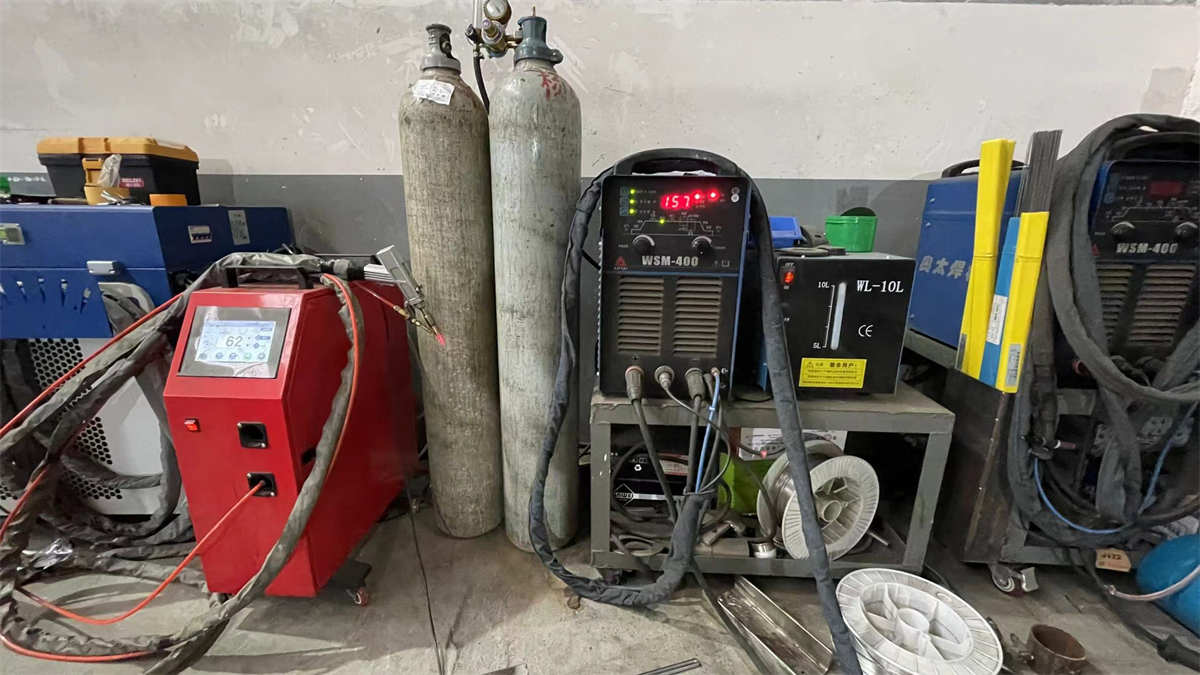
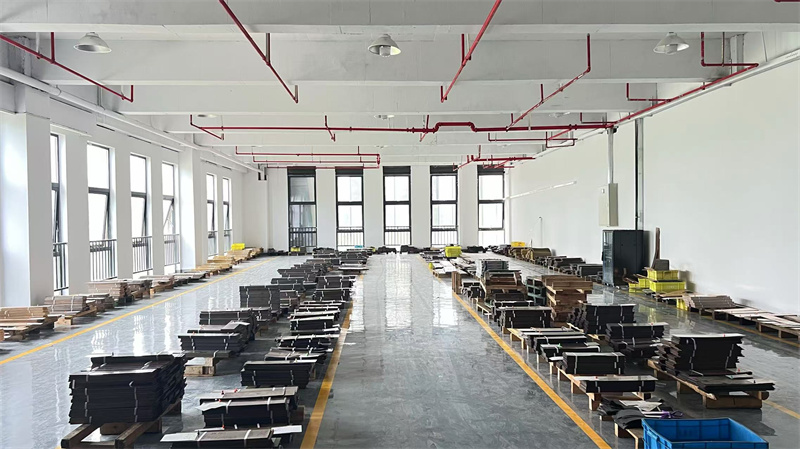
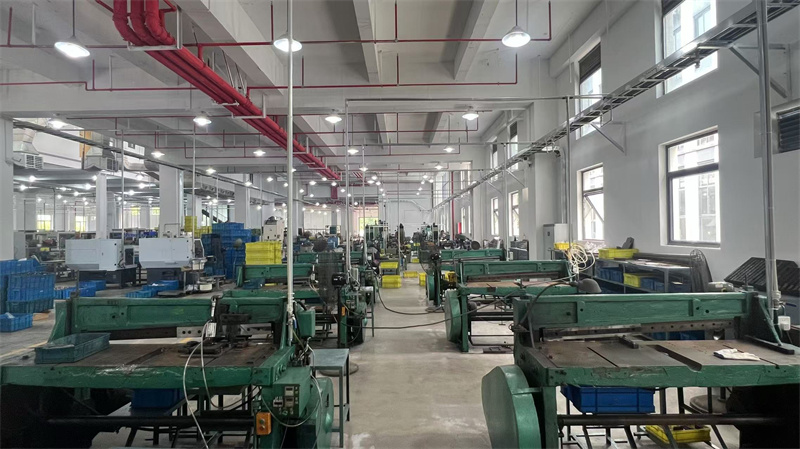
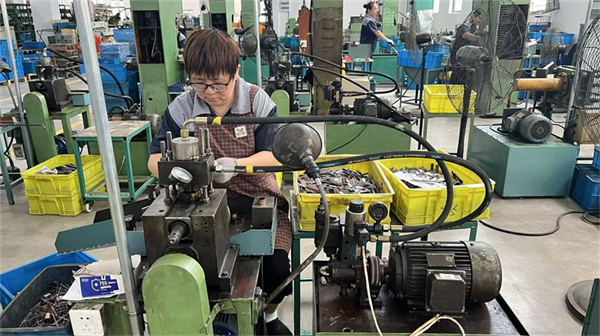
Procuring industrial filtration materials directly from our advanced facility in Changzhou National High-tech Industrial Development Zone, Jiangsu Province, offers unprecedented technical and economic advantages:
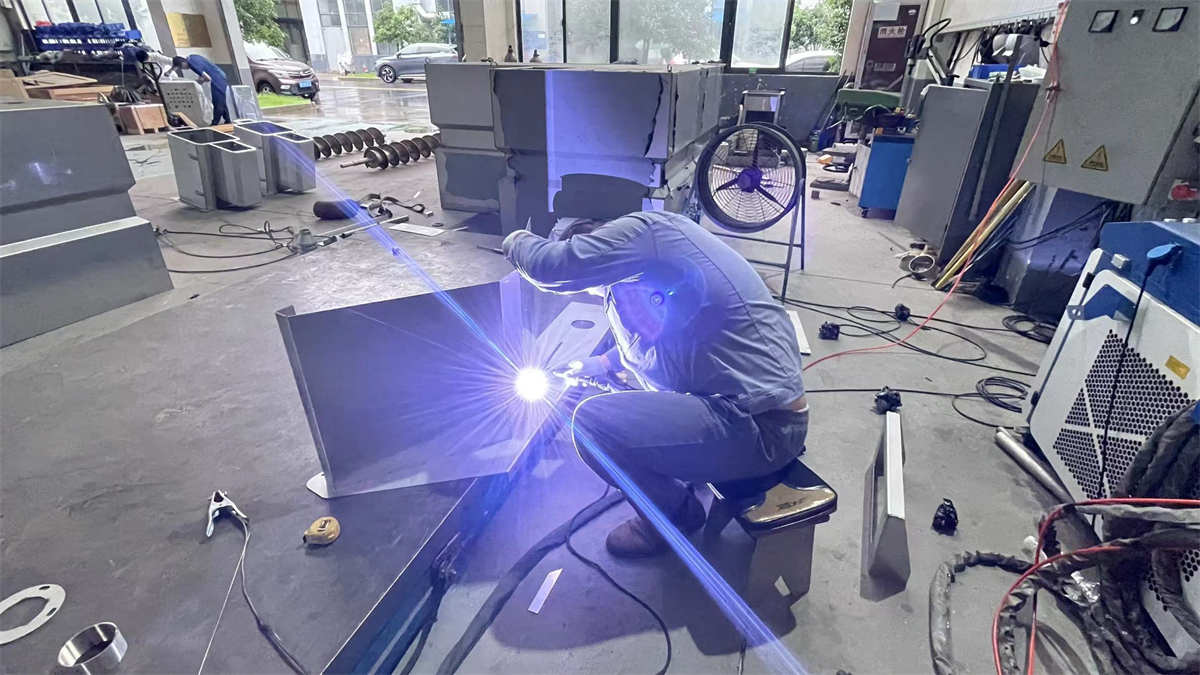
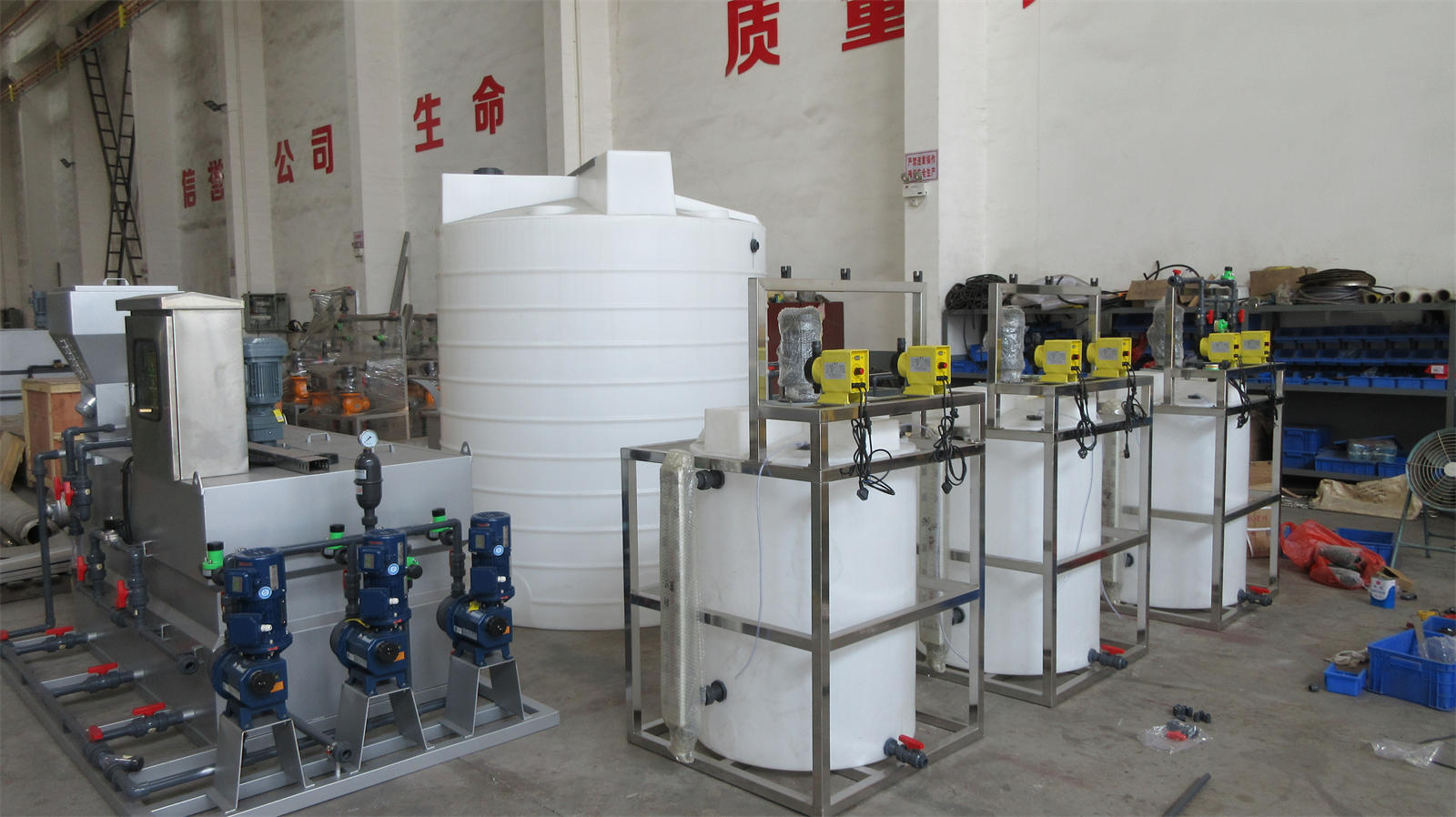
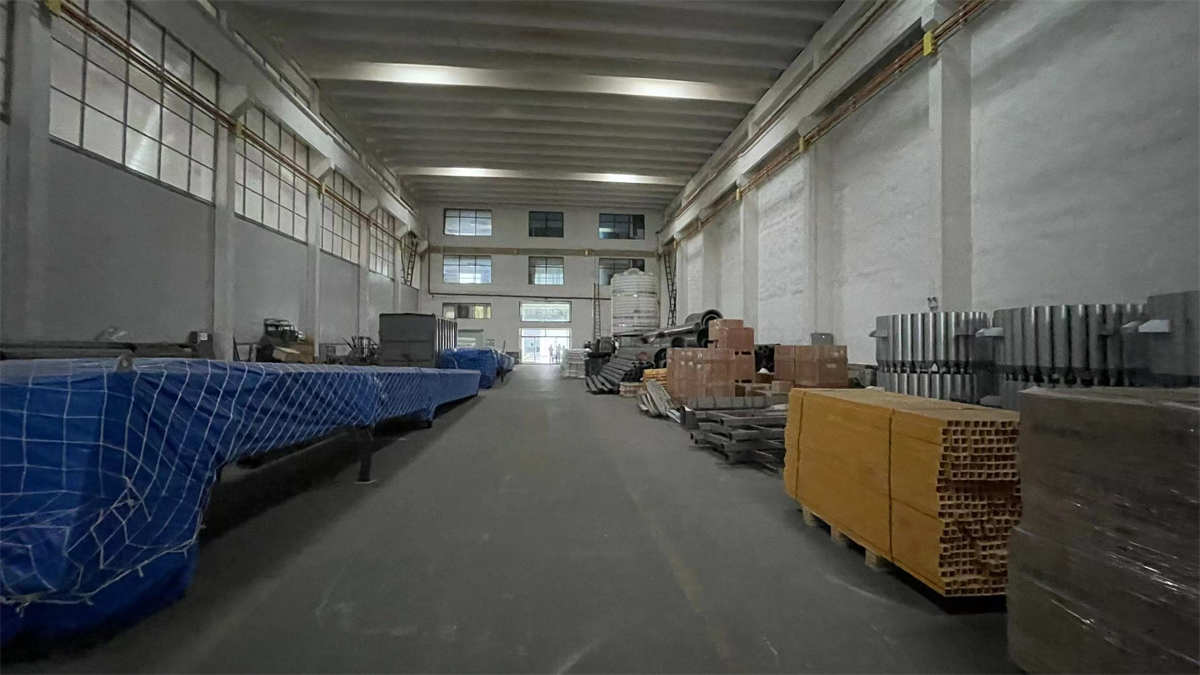
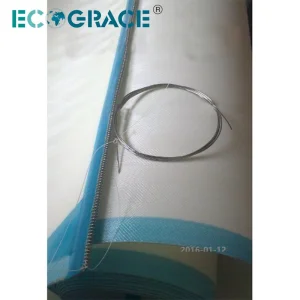
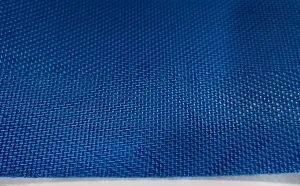
In high-altitude mining sites, waste management is challenging. Tailings cannot be stored as liquid slurries due to structural collapse risks and strict environment preservation policies. Our High-Strength Vacuum Belt Filter Cloth and Sludge Dewatering Mining Copper/Diamond Plant Cloths are heavily utilized here. They run on large belt or chamber filter presses to achieve high cake dryness, allowing dry stacking of kimberlite tailings and reclamation of clear water back to the plant.
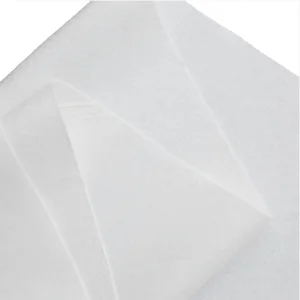
The textile industry generates vast amounts of water containing heavy pollutants, dyes, and particulates. The pH of this water can fluctuate wildly. Polyester woven filter cloths with customized chemical stabilization finishes offer the best cost-to-performance ratio for textile sludge dewatering, allowing mills in Maseru to stay compliant without excessive operational costs.
Lesotho's food mills require highly precise separation media. Our food-grade polyester meshes feature safe coatings, smooth finishes, and consistent micron apertures, ensuring maximum yields and compliance with food-safety standards.
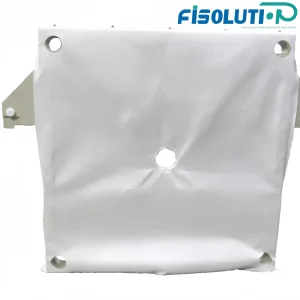
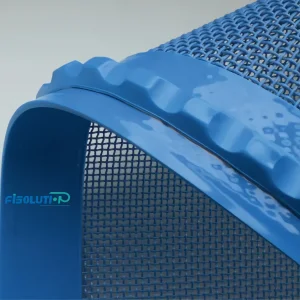
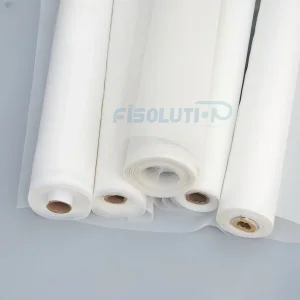
How we manufacture, calibrate, and supply our premium range of industrial polyester filter cloths globally.
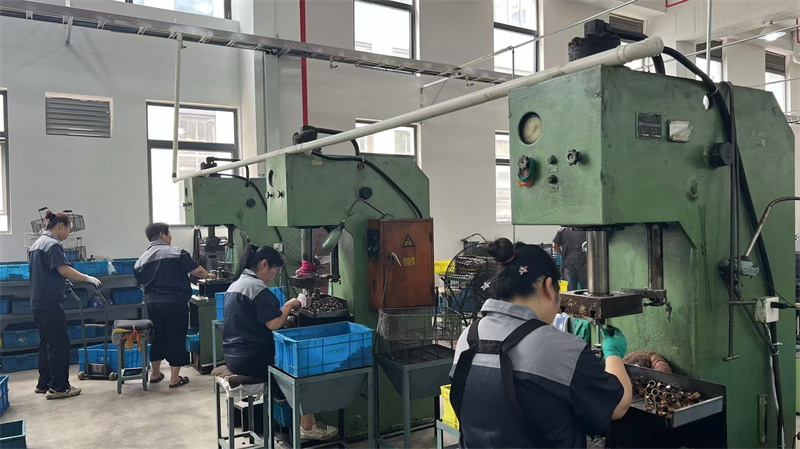
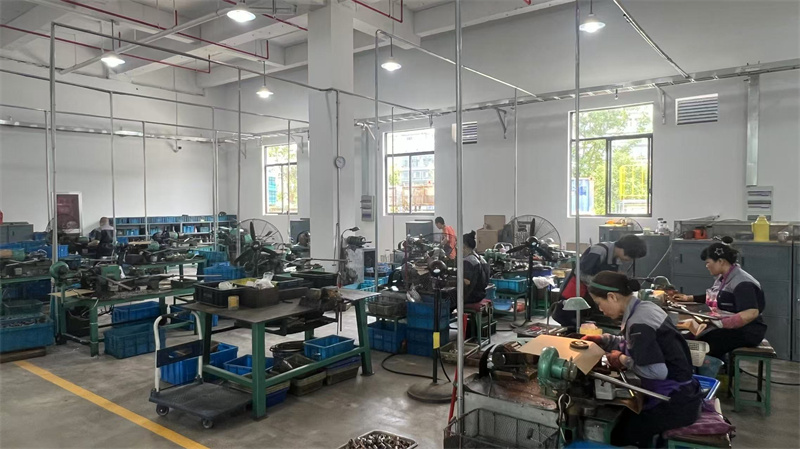
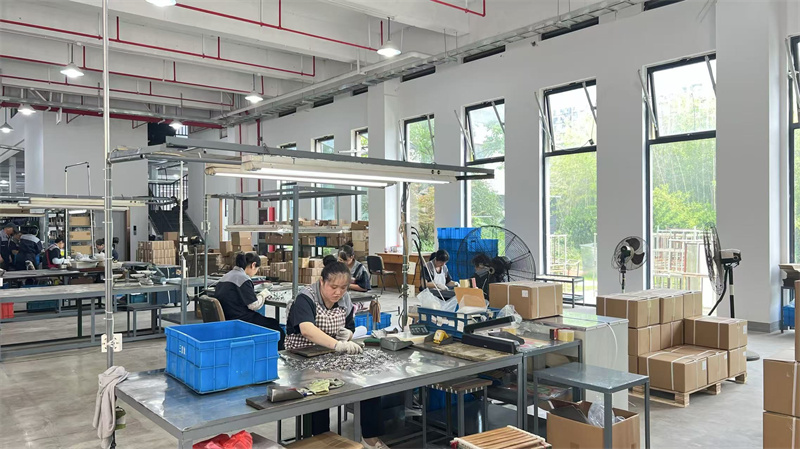
Our manufacturing plant operates on state-of-the-art European heavy-duty weaving looms. This enables us to maintain tight control over warp and weft tension, yielding highly uniform pore structures. Following the weaving process, our fabrics undergo post-finishing steps:
Expert technical answers to common queries raised by mining operations, wastewater engineers, and logistics coordinators in Lesotho.
Diamond tailings consist of highly abrasive kimberlite and quartz-based minerals. Polyester (PET) features significantly higher tensile strength and abrasion resistance compared to Polypropylene (PP). PP can creep and stretch under high pressures (above 15 bar) typical of diamond tailings chamber presses, whereas Polyester retains its dimensions and prevents bypass leakages. Additionally, PET performs exceptionally well in abrasive environments with neutral to mildly acidic pH, making it the most cost-efficient choice over its operating lifespan.
High altitude and cold temperatures (down to sub-zero in Lesotho winters) affect slurry viscosity, increasing the force needed to press out water. Filter cloths must withstand high filtration pressures without tearing. Cold temperatures can make certain polymers brittle. Polyester maintains its mechanical elasticity and strength down to temperatures well below freezing, ensuring reliable, round-the-clock operations at high-altitude mines like Letšeng.
We provide full customization: choosing monofilament, multifilament, or needle felts; adjusting air permeability from 10 to over 1000 L/dm²/min; tailoring eyelets, rubber collars, velcro, and zip joints; and applying surface finishes like calendering, singeing, and latex coatings to match the filter plates of major European, Asian, and American press manufacturers.
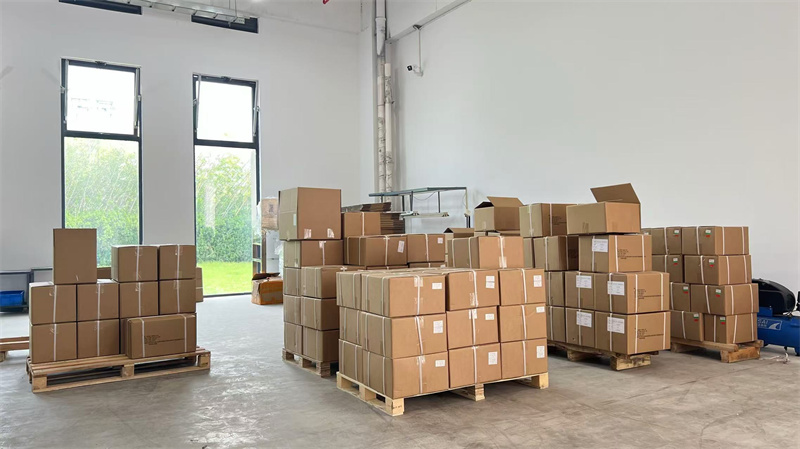
Our standard route is shipping via Durban Port in South Africa, followed by direct container transport to Maseru, Maputsoe, or mining sites. Production typically takes 10–15 days depending on the customization, with ocean transit from Shanghai or Ningbo to Durban taking approximately 20–25 days. We also offer air freight via Johannesburg for urgent spare-part needs.
The right filter cloth minimizes the need for excess coagulants and flocculants. By matching the charge characteristics and pore size of our polyester woven fabrics with your specific sludge solids, you can achieve clean filtrate discharge and dry sludge cakes using less chemical dosing, directly reducing your daily operating costs.
 Jovios Equipment