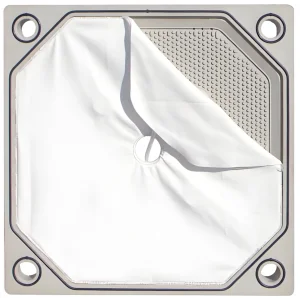
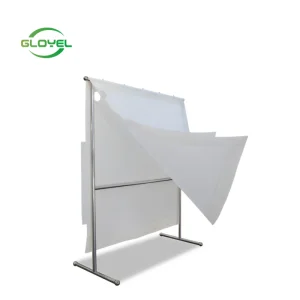
Polyester Filter Cloth Manufacturers & Suppliers serving Australia

High-Performance Solid-Liquid Separation Technology Built for Extreme Mining, Wastewater & Industrial Processing Environments Across the Australian Continent

Featured Industrial Filtration Solutions

Highly customized polyester filter media engineered to withstand heavy mechanical loads, chemical exposure, and intense operational pressure in Australia.
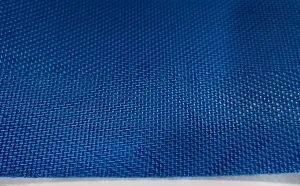
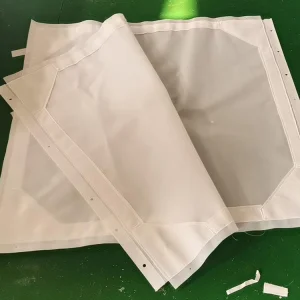
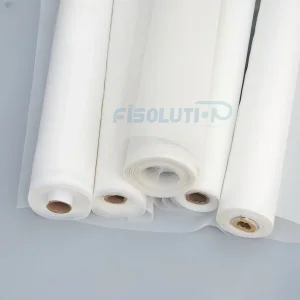
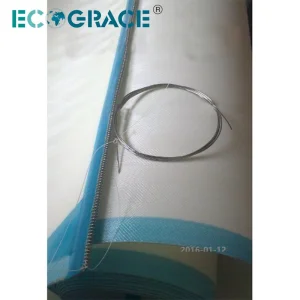
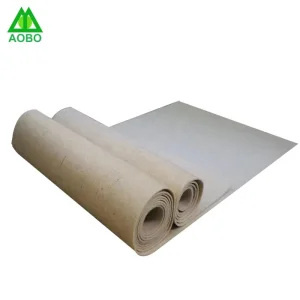
Polyester Spiral Press Filter Mesh Belt

Polyester Spiral Press Filter Mesh Belt/Fabric/Screen/Cloth for Australian Sludge Thickening

View Details
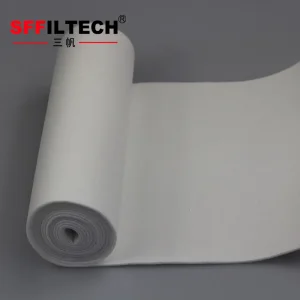
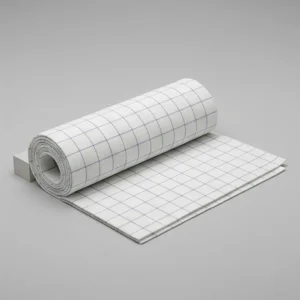
Polyester Filter Cloth Oil Industry

Polyester Filter Cloth Factory Price Used in Australian Oil & Refining Industry

View Details
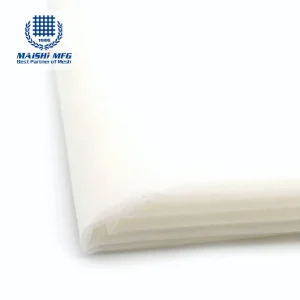
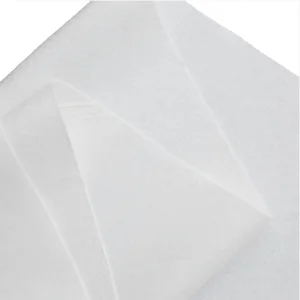
White Polyester Silk Fabric Filter Cloth

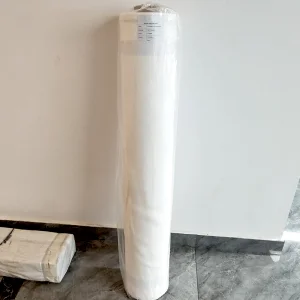
White 100 Micron Polyester Silk Fabric Filter Cloth for Fine Separation in Victoria

View Details
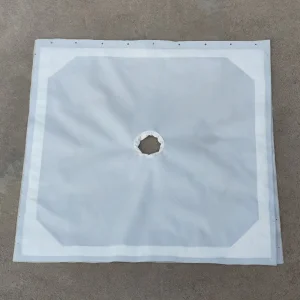
Industrial Filter Press Cloth Fabrics

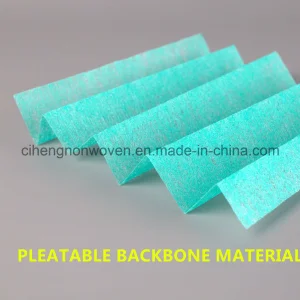
Polyester/Polypropylene/Nylon Multifilament/Monofilament Industrial Filter Press Cloth/Fabrics

View Details

1. The Australian Industrial Landscape and the Imperative for High-Performance Filtration

Australia's economy is uniquely defined by its massive resources sector, strict environmental compliance framework, and expanding industrial infrastructure. From the vast iron ore fields of Western Australia's Pilbara region and the copper operations of Queensland, to the municipal wastewater treatment grids of Sydney and Melbourne, efficient solid-liquid separation is a vital operational backbone. In these contexts, Polyester Filter Cloth has emerged as the preferred filtration medium due to its extraordinary physical properties and chemical resistance profile.

The Australian environmental regulations, overseen by state-level Environment Protection Authorities (EPAs), enforce some of the world's most stringent guidelines regarding industrial effluent discharge and tailings management. Consequently, mining and manufacturing enterprises must implement filtration systems capable of processing large volumes of material while achieving dry filter cakes and clear filtrates. Heavy-duty polyester woven and non-woven filter fabrics provide the necessary tensile strength and dimensional stability to operate under the high injection pressures typical of modern filter presses. By achieving optimal cake release and preventing blinding, these fabrics enable Australian operations to minimize downtime and reduce water wastage, aligned with national sustainability targets.

2. Technical Evolution and Trends in Synthetic Filter Fabrics

Modern industrial filtration has moved far beyond simple barrier separation. Today's challenges require molecular-level engineering of polymer fibers. In the global filtration market, the shift from traditional materials like cotton to synthetic polymers such as Polyester (PET), Polypropylene (PP), and Nylon has accelerated. Among these, polyester is highly valued for its temperature tolerance (up to 150°C dry heat) and remarkable stability in acidic conditions.

Key technical trends shaping the industry include:

  • Precision Calendering: Passing woven fabrics through heated rollers to compress the fibers, creating a smooth, uniform surface that dramatically improves cake release and reduces cleaning cycle times.
  • Antistatic Integration: Incorporating conductive metal or carbon fibers into the weave to safely dissipate static charges in hazardous explosive dust environments.
  • Hybrid Monofilament-Multifilament Blends: Combining the high structural stability of monofilament warp yarns with the superior filtration efficiency of multifilament weft yarns to handle fine particulate slurries.

These developments allow suppliers to tailor the air permeability and micron rating of the filter cloths, matching the exact particle size distribution of the processed slurry.

150°C
Max Operating Temp
1-200+
Micron Rating Range
99.8%
Typical Solids Retention
< pH 9
Excellent Acid Tolerance

Changzhou Jovios Equipment Co., Ltd.

A professional manufacturer and solution provider specializing in solid-liquid separation and environmental protection equipment.

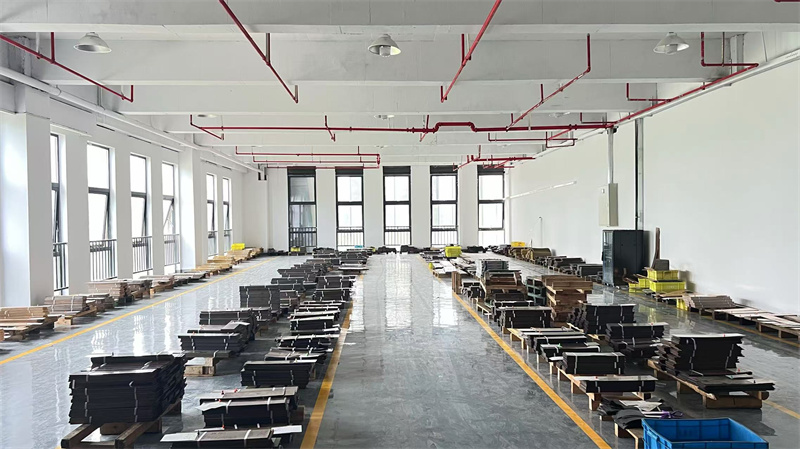
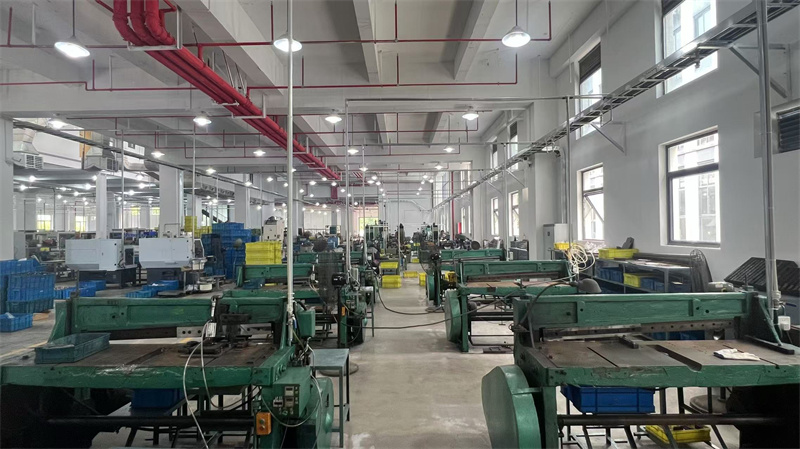
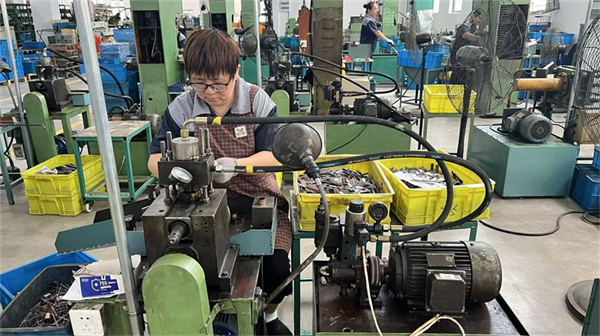
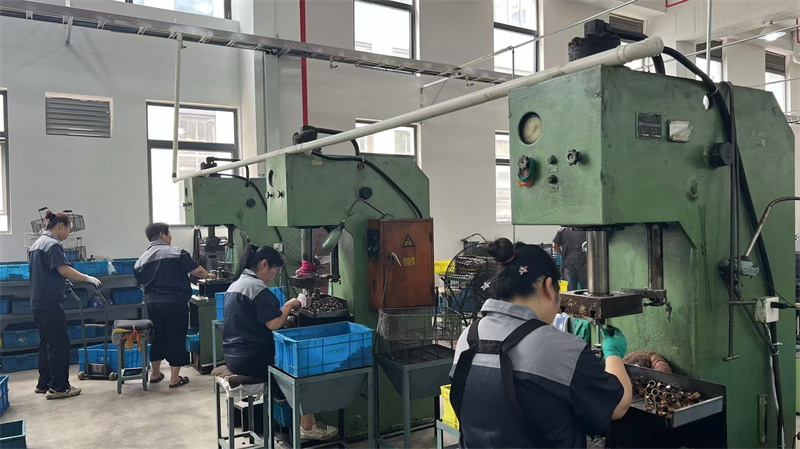
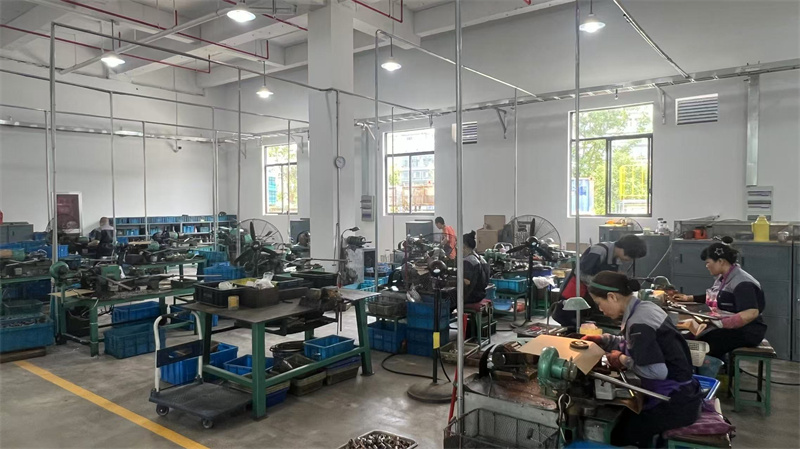
Located in the Changzhou National High-tech Industrial Development Zone, Jiangsu Province, China, the company operates a modern manufacturing base covering more than 50,000 square meters, equipped with advanced production facilities and a comprehensive quality inspection center.

Jovios independently designs, develops, and manufactures a complete range of filtration and separation equipment, including plate and frame filter presses, membrane filter presses, automatic filter presses, intelligent filtration systems, as well as high-performance filter plates and filter cloths. With an annual production capacity exceeding 1,000 units, our products are widely applied in municipal wastewater treatment, chemical processing, petroleum, mining, metallurgy, pharmaceuticals, food and beverage production, paper manufacturing, textile dyeing, ceramics, building materials, and many other industries.

Through close cooperation with universities, research institutes, and industry partners, our experienced research and development team of more than 30 senior engineers and technical specialists continuously integrates innovative technologies into product development, ensuring reliable performance, higher efficiency, and sustainable operation.
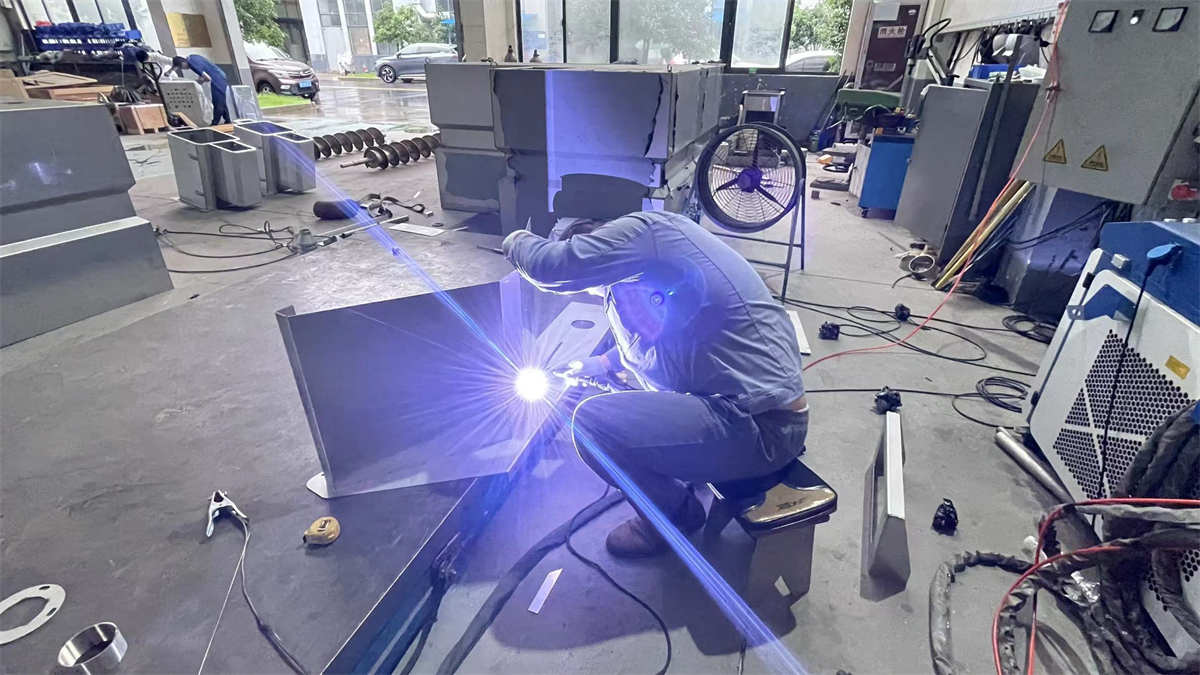
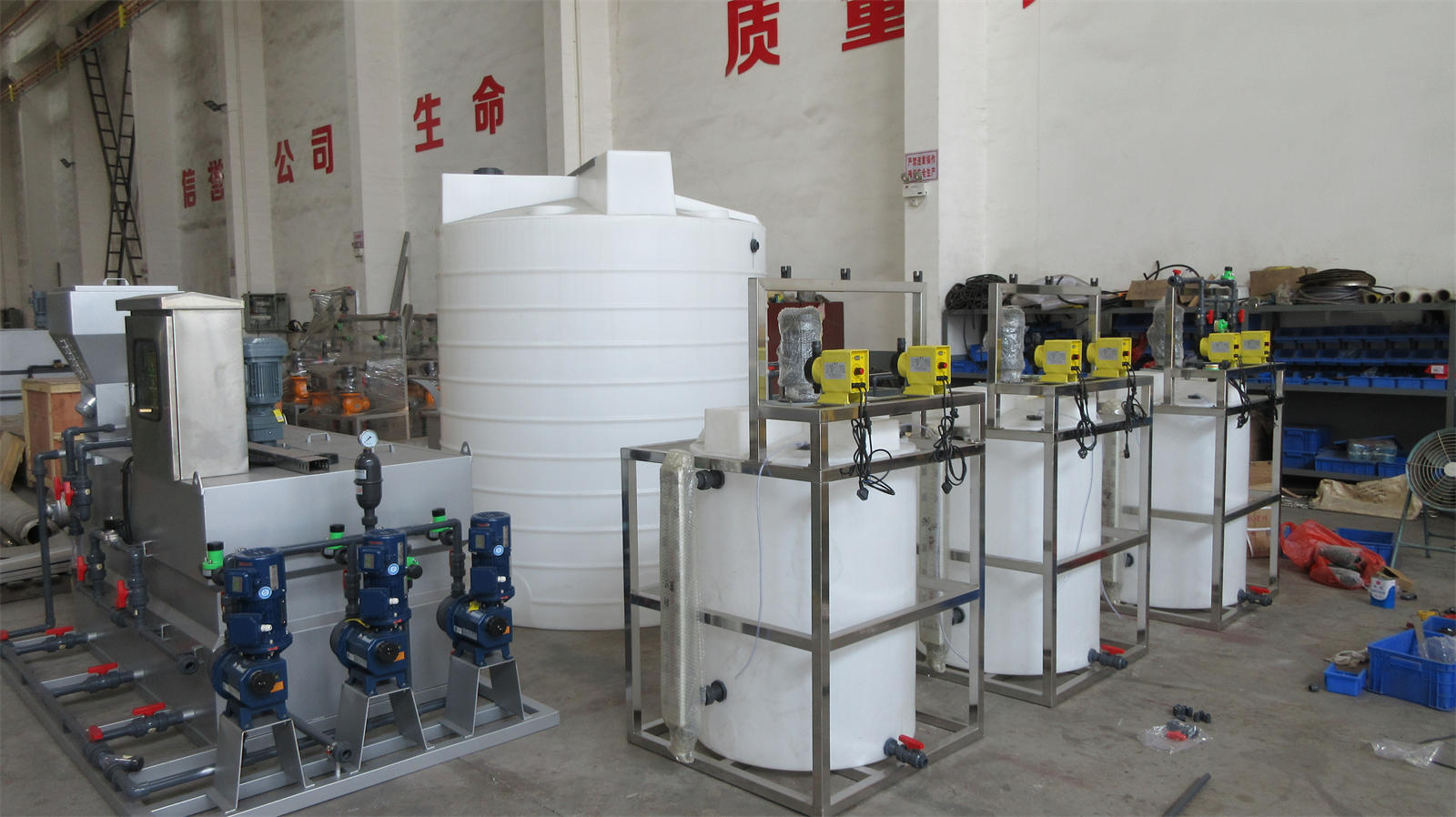
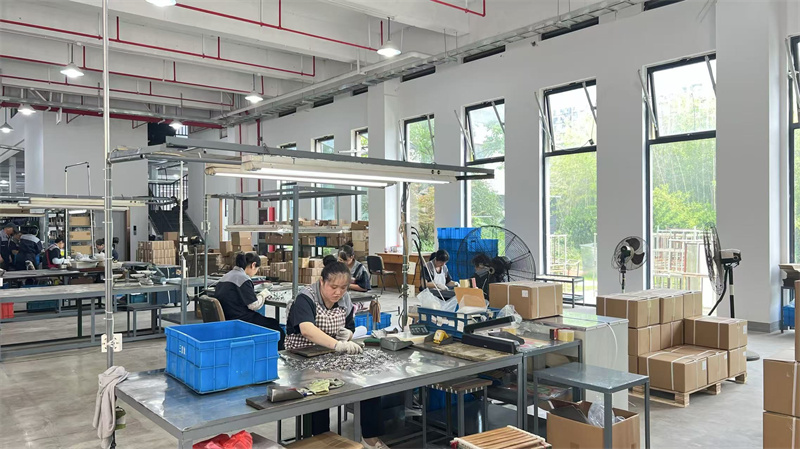
Our Smart Manufacturing & Production Facilities

Welding Process
Welding
Assembling Line
Assembling
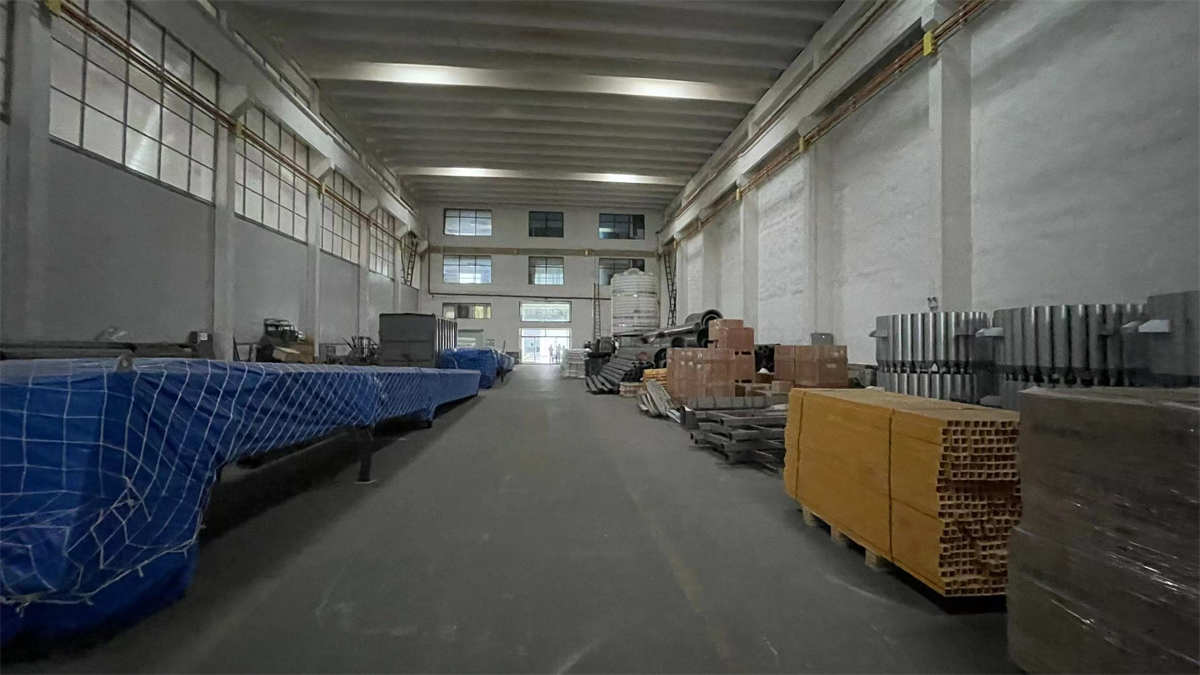
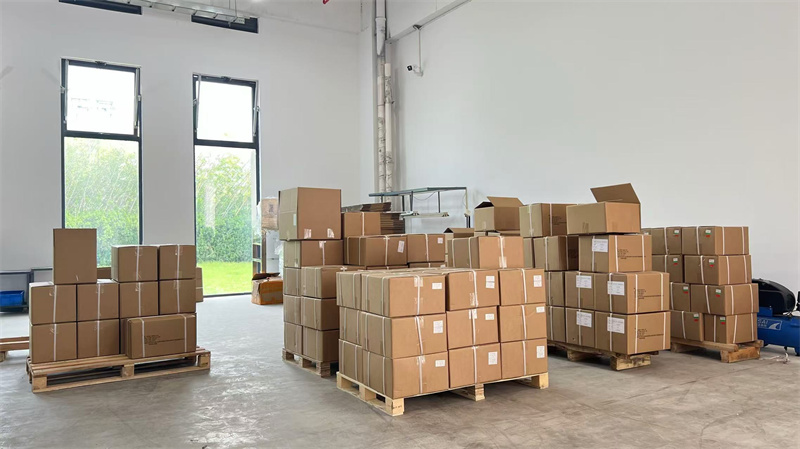
Storage Area
Storage
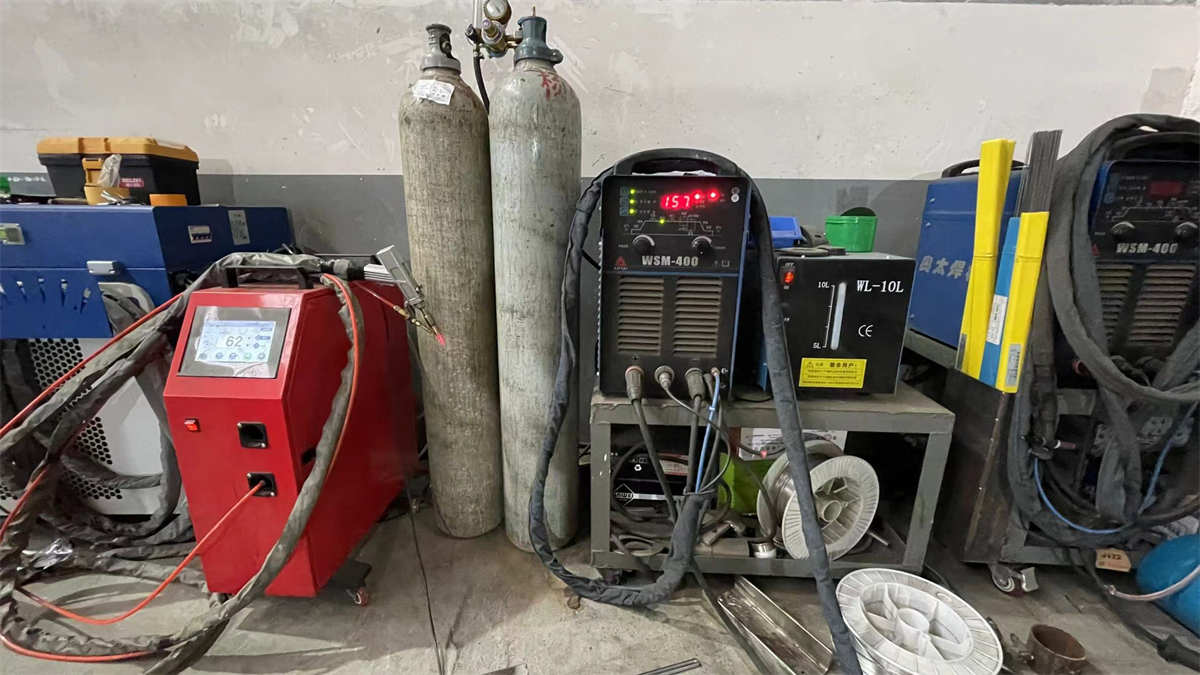
Welding Machine
Welding Machine
Raw Materials
Raw materials
Shearing Machine
Shearing
Roll Bending Process
Roll Bending
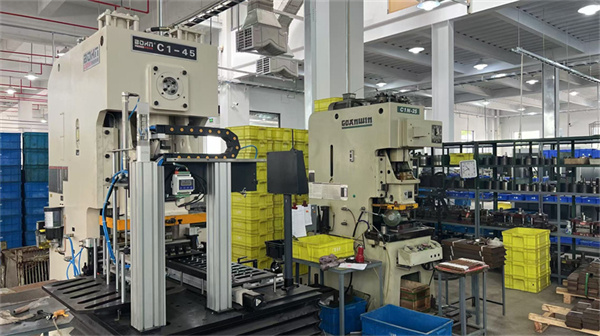
Punching Machine
Punching
Chamfering Process
Chamfering
Inspection and Packing
Warehouse Store
Store
Punching Machine Facility
Punching machine

3. Global Procurement Trends & China's Factory 4.0 Advantage

Industrial procurement departments globally, particularly in Australia, face a delicate balancing act: maintaining a highly resilient supply chain while managing rising operating costs. Unplanned process disruptions due to filtration media failure can cost operations tens of thousands of dollars per hour. Consequently, sourcing reliable, top-tier filtration components is a core operational objective.

Jovios addresses these market requirements by integrating advanced "Factory 4.0" manufacturing technologies. Our production environment combines computerized precision weaving looms with laser-guided hot-cutting tools, ensuring that every batch of polyester filter cloth meets exact dimensional tolerances. Key aspects of our Factory 4.0 infrastructure include:

  • Material Traceability: Continuous monitoring of high-polymer polyester yarn quality, ensuring high tensile strength and chemical resistance consistency.
  • Automated Precision Sizing: Laser-guided systems cut the filter fabric to the precise dimensions of various filter press designs (such as chamber, plate and frame, or belt presses), avoiding seam failures and edge fraying.
  • Continuous Quality Verification: On-site laboratory testing of tensile strength, air permeability, and micron ratings, ensuring all products comply with international ISO 9001:2015 quality standards.

By coupling advanced Chinese manufacturing efficiency with direct logistics pathways to major Australian industrial hubs (including Perth, Brisbane, Sydney, and Melbourne), Jovios delivers reliable filtration media with optimized lead times and competitive pricing structures.

4. Application Scenarios in Australia's Key Industries

Different industrial fields require tailored filtration solutions. We design our polyester filter cloths to handle the specific process demands of major Australian sectors:

A. Tailings Dewatering and Mineral Processing (Western Australia & Queensland)

Australian mineral processing sites deal with high-volume, abrasive slurries that require robust dewatering systems. Our heavy-duty polyester belt filter cloths and chamber press cloths are designed for high mechanical strength, resisting tearing under extreme tension while providing clean filtrate return for process water reuse.

B. Municipal and Industrial Wastewater Treatment (New South Wales & Victoria)

Wastewater management facilities require efficient sludge dewatering media to minimize sludge volume before disposal. Our high-permeability polyester spiral press belts and micron-rated fabrics yield dry filter cakes, helping municipal networks lower landfill transport and handling costs.

C. High-Purity Chemical and Petroleum Processing

In acidic environments and high-temperature chemical reactions, standard materials degrade rapidly. Our specialized polyester cloths retain their chemical and structural integrity in low-pH environments, protecting process equipment and maintaining consistent filtration quality.

Complete Range of Industrial Filter Fabrics

Engineered for a broad spectrum of separation equipment, processing requirements, and chemical environments.
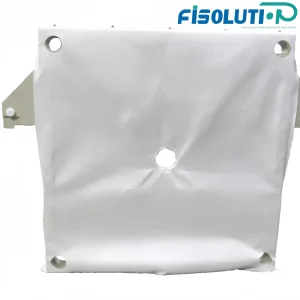
Polypropylene Polyester Filter Cloth Sludge Dewatering

Polypropylene Polyester Micron Material Press Filter Cloth for Sludge Dewatering Mining Copper Plant

View Details
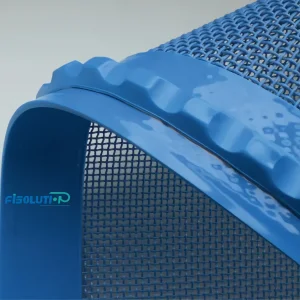
Polyester Conveyor Belt Filter Cloth

Polyester Conveyor Belt Press Filter Cloth Water Wastewater Treatment Mining Industry

View Details
Nylon Polyester Wire Mesh Filter Fabric

Nylon Fabric Polyester Fabric Wire Mesh Screen Filter Fabric Filter Mesh Cloth Flour Printing Food Grade

View Details
Customized Polyester Filter Cloth

Customized Needle Punched Polyester Filter Cloth for Clothing Interlining

View Details
Polyester Woven Filter Cloth Micron Sizes

1 5 10 20 50 100 200 Micron Polyester Woven Filter Cloth for Precise Australian Sieve Systems

View Details
High Strength Polyester Vacuum Filter Cloth

High-Strength Polyester Vacuum Belt Filter Cloth for Mining Tailings Dewatering

View Details
Industrial Nonwoven Needle Felt Filter Cloth

Polyester/Acrylic/Ryton0/Nomex/P84 Industrial Nonwoven Needle Felt Filter Cloth

View Details
HL Filter Antistatic Polyester Cloth

HL Filter: Antistatic Polyester Filter Cloth For Industrial Use

View Details
500 Micron Polyester Filter Cloth

500 Micron Mesh Food Grade Industrial Polyester Filter Cloth for Sugar & Food Processing

View Details
Waterproof Dust Filter Polyester Cloth

Waterproof Oil Proof Dust Filter Polyester Cloth for Cement & Processing Plants

View Details
Fabric Filter Cloth Polyester Polypropylene Acid Alkali Resistant

Fabric Filter Cloth Polyester Polypropylene Acid and Alkali Resistant for Wastewater Treatment

View Details
Durable Polyester Filter Cloth Chamber Press

Durable Polyester Industrial Filter Cloth for Chamber Filter Press in Chemical Processing

View Details

Technical FAQ: Industrial Polyester Filter Cloth

Essential insights for selecting, operating, and maintaining polyester filter media in commercial applications.

Q1. Why is polyester preferred over polypropylene for certain filtration applications?
Polyester offers superior dry heat resistance (withstanding temperatures up to 150°C, compared to polypropylene's limit of roughly 90°C) and excellent dimensional stability under high mechanical loads. It also demonstrates strong resistance to oxidizing agents and mineral acids. However, in highly alkaline environments, polypropylene is generally preferred because polyester can undergo hydrolysis in strong bases at high temperatures.
Q2. How does air permeability affect filtration performance in a filter press?
Air permeability (expressed in L/dm²/min or CFM) indicates the rate at which fluid passes through the fabric. Higher permeability reduces filtration cycle times but may allow very fine particulates to pass through early in the cycle. Lower permeability improves solids retention but increases flow resistance. Finding the right balance requires evaluating the particle size distribution of your specific slurry.
Q3. What steps does Jovios take to ensure its products fit third-party filter presses?
Our technical team works with exact engineering drawings and specifications. We use automated laser cutting tables to guarantee precise alignment of feed holes, eyelets, and barrel necks. This ensures our filter cloths fit seamlessly onto major domestic and international filter press designs without bypass leakage or premature wear.
Q4. What is the typical lead time and shipping route for deliveries to Australia?
Standard sizes are shipped from our Changzhou facility within 7 to 15 business days. For bulk orders or custom designs, production schedules are confirmed upon final technical drawing approval. We route shipments through major commercial ports (including Shanghai and Ningbo) directly to Australian ports like Fremantle, Brisbane, Sydney, and Melbourne to minimize shipping delays.

Need a Custom Filtration Solution for Your Operations?

Contact Jovios' application engineers for technical assistance, fabric sample requests, or custom product quotations tailored to your operational environment.

Send Inquiry Now