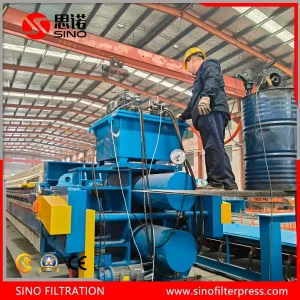
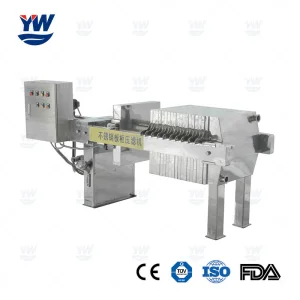
Explore our flagship industrial-grade filtration systems optimized for Jurong Island refining, Tuas water management, and Singapore's strict chemical processing standards.
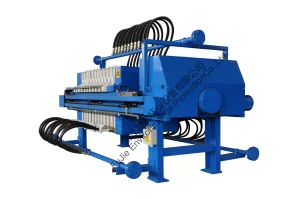
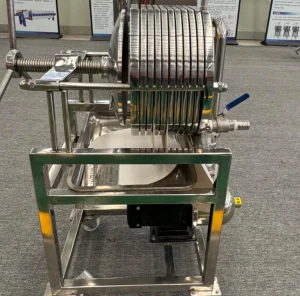
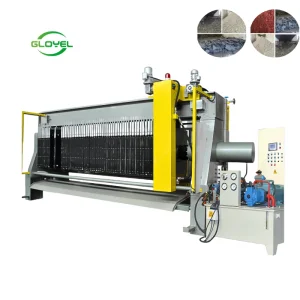
As Asia’s premier industrial and technological hub, Singapore maintains an intense focus on resource efficiency, ecological sustainability, and advanced manufacturing. Key industrial complexes, such as the Jurong Island Petrochemical Hub, the Tuas Biomedical Park, and the advanced semiconductor wafer fabrication parks scattered across the island, operate under stringent environmental regulations monitored by the National Environment Agency (NEA) and the Public Utilities Board (PUB).
In this context, solid-liquid separation is not merely a utility but a critical component of waste minimization and circular economy compliance. The demand for industrial-grade plate and frame filter presses has surged as manufacturing companies transition toward Zero Liquid Discharge (ZLD) protocols. Reducing sludge volume before disposal drastically cuts waste-management costs, which are notoriously high in land-constrained Singapore.
Additionally, Singapore’s strategic focus on the water-energy-food nexus demands separation equipment that operates with minimal energy footprints while ensuring maximum extraction of pure water back into industrial water loops (such as NEWater grids).
Our processing equipment is fully compliant with local industrial water discharge codes, including NEA trade effluent discharge guidelines and SS 506 occupational health & safety management standards. Engineered for resilience against corrosive saline water, heavy industrial acids, and biochemical effluents.
Across the globe, the industrial filtration market is undergoing a paradigm shift. Traditional wastewater treatment technologies are being replaced by high-efficiency mechanical dewatering systems. Plate and frame filter presses, particularly those integrated with automatic membrane squeezing systems, are at the forefront of this evolution. The motivation is clear: global regulatory frameworks, including the European Union's Green Deal and the US EPA’s clean water acts, have made land disposal of wet sludge economically non-viable.
Globally, manufacturers are transitioning away from centralized municipal waste processing. Installing automated onsite membrane filter presses allows companies to immediately recover over 95% of process water, returning it back into the plant's production cycles and lowering overall water draw rates.
Contemporary global projects demand integration with Supervisory Control and Data Acquisition (SCADA) systems. Smart sensors monitor pressure differentials, filtrate turbidity, and cake weight in real-time, optimizing cycle times and chemical conditioning dosing dynamically.
The transition from heavy cast iron plates to highly durable polymer blends (such as reinforced polypropylene, PVDF, and elastomeric membranes) has drastically reduced the static load of industrial presses, while enabling the use of high-pressure membrane squeezing up to 30 bar.
To demonstrate the versatility and reliability of Jovios Equipment filtration solutions, we examine several high-impact deployment scenarios engineered specifically for Singaporean operating environments:
In petrochemical processing, wastewater contains complex mixtures of emulsified hydrocarbons, suspended catalyst particles, and heavy chemical inorganic salts. Our high-pressure membrane filter presses are deployed to treat biological and chemical sludge. By utilizing specialized polypropylene membrane plates, plants can squeeze out extra moisture, achieving a cake dryness exceeding 75% solid content. This dramatic reduction in volume cuts incinerator feedstock transportation costs and aligns with Singapore’s national efforts to reduce landfilled waste.
Singapore represents a globally leading biomedical hub. Our specialized stainless steel plate and frame filter presses are configured for hygienic operations within biopharmaceutical processing. Featuring mirror-polished SS316L plates, FDA-compliant filter cloth media, and fully automated CIP (Clean-In-Place) wash systems, these units extract sterile active pharmaceutical ingredients (APIs), filter out biological media residues, and prevent cross-contamination.
Semiconductor fabrication plants (Fabs) generate wastewater rich in abrasive silicon dross, fluorides, and heavy metal ions (e.g., copper, nickel). Our automated chamber filter presses are used alongside precipitation systems to collect metal hydroxide cakes and silicon slurry, producing crystal-clear filtrate suitable for reuse in cooling towers or advanced RO (Reverse Osmosis) pre-treatment loops.
Singapore serves as a central distribution and processing node for regional agri-food products. Our high-efficiency stainless steel food-grade filter presses are optimized for edible oil clarification, beer yeast separation, and syrup refinement, delivering maximum product yields while conforming to strict international ISO 22000 food safety certifications.
Continuous innovation in filtration mechanics ensures that Jovios Equipment Co., Ltd. remains a market-leading authority. Below is our R&D roadmap highlighting key technical progressions implemented in our latest filter press architectures:
Our 2024 product line integrates fully automated plate-shifting systems, hydraulic cloth washing devices, and intelligent drip trays. PLC control systems (Siemens/Allen-Bradley) manage the entire pressing cycle, including slurry feeding, air blowing, core blowing, membrane squeezing, and automated cake discharge, minimizing human intervention and maximizing batch cycle efficiency.
By embedding vibration sensors in hydraulic pumps, pressure transducers in plate chambers, and laser scanners for monitoring cake discharge success, our systems can predict filter cloth degradation and hydraulic seal failures before downtime occurs. This technology is currently being prototyped in collaboration with Singapore's local research institutes.
Download Complete Technical Specifications & Technical CAD Drawing
Modern corporate governance demands strict environmental, social, and governance (ESG) reporting. For major multinational chemical and water treatment corporations, operational efficiency directly affects carbon tax liability. Jovios Equipment Co., Ltd. addresses these challenges through integrated solid-liquid separation solutions:
Our advanced hydraulic power systems utilize variable frequency drives (VFD) to adjust pump flow rate and pressure dynamically, reducing electricity consumption during long pressure-holding phases by up to 45% compared to traditional constant-speed hydraulic systems.
Optimizing slurry pre-conditioning using specialized polyacrylamide (PAM) and coagulation agents ensures ideal flocculation. Our filter presses are engineered to process high-concentration slurries, lowering chemical usage fees and minimizing filtrate contamination.
High-dryness filter cakes can be repurposed as raw materials for cement manufacturing, soil conditioners, or brick making. This allows industrial plants to achieve circular-economy targets and reduces dependency on landfill disposal.
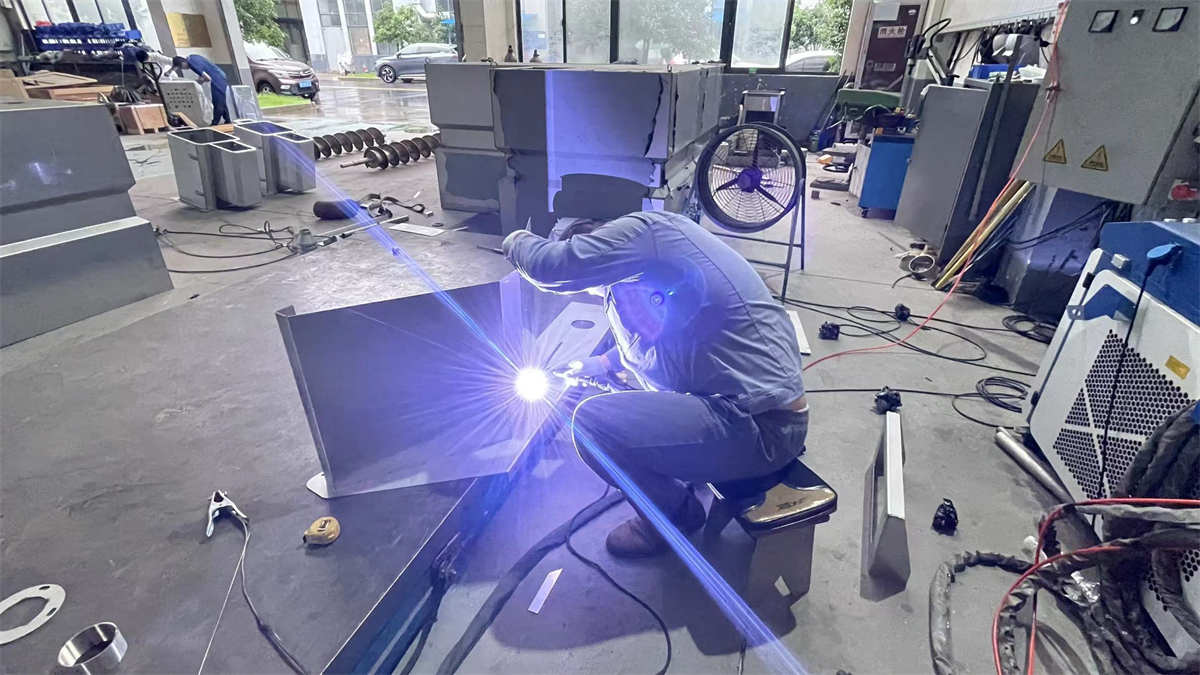
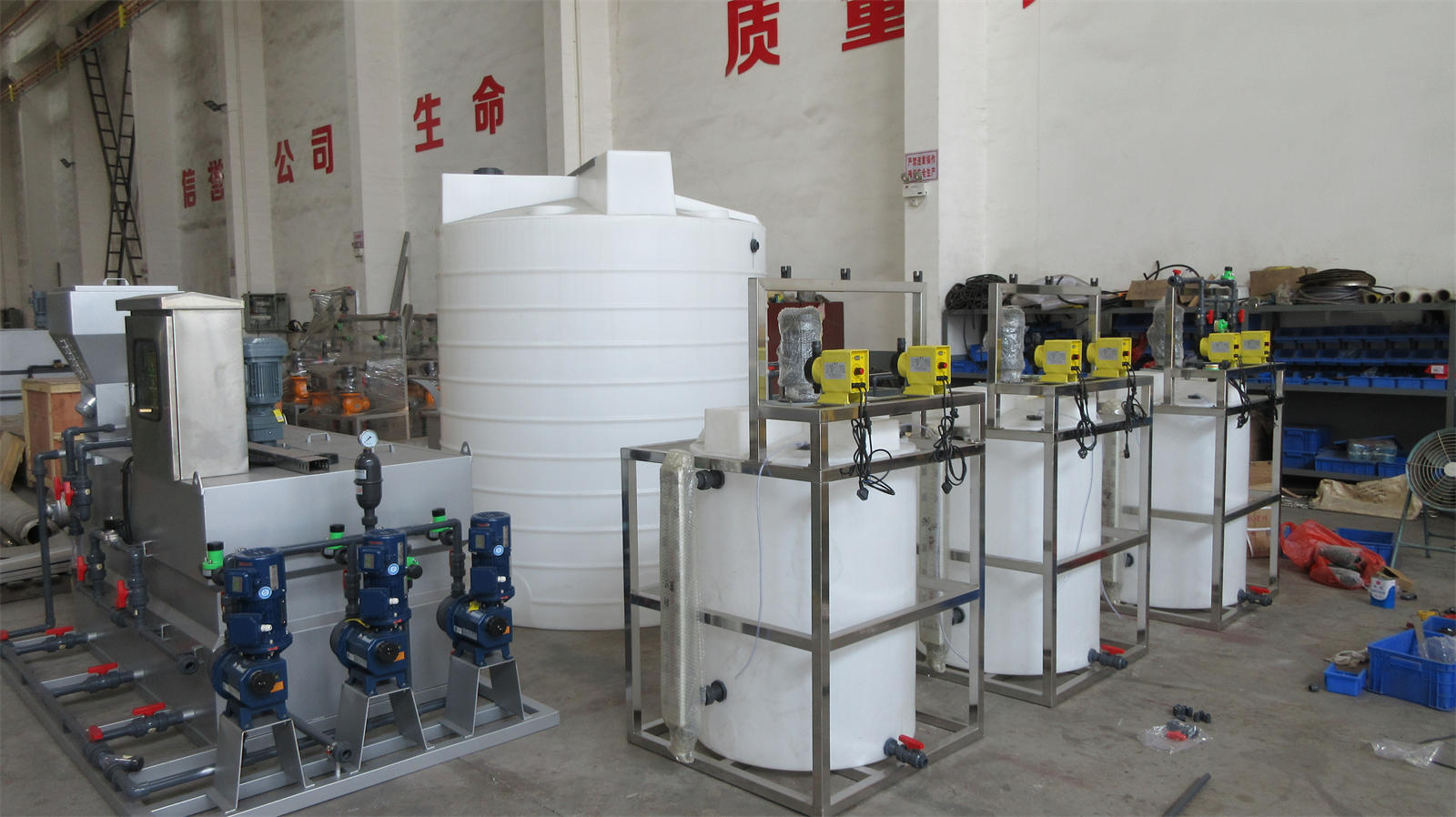
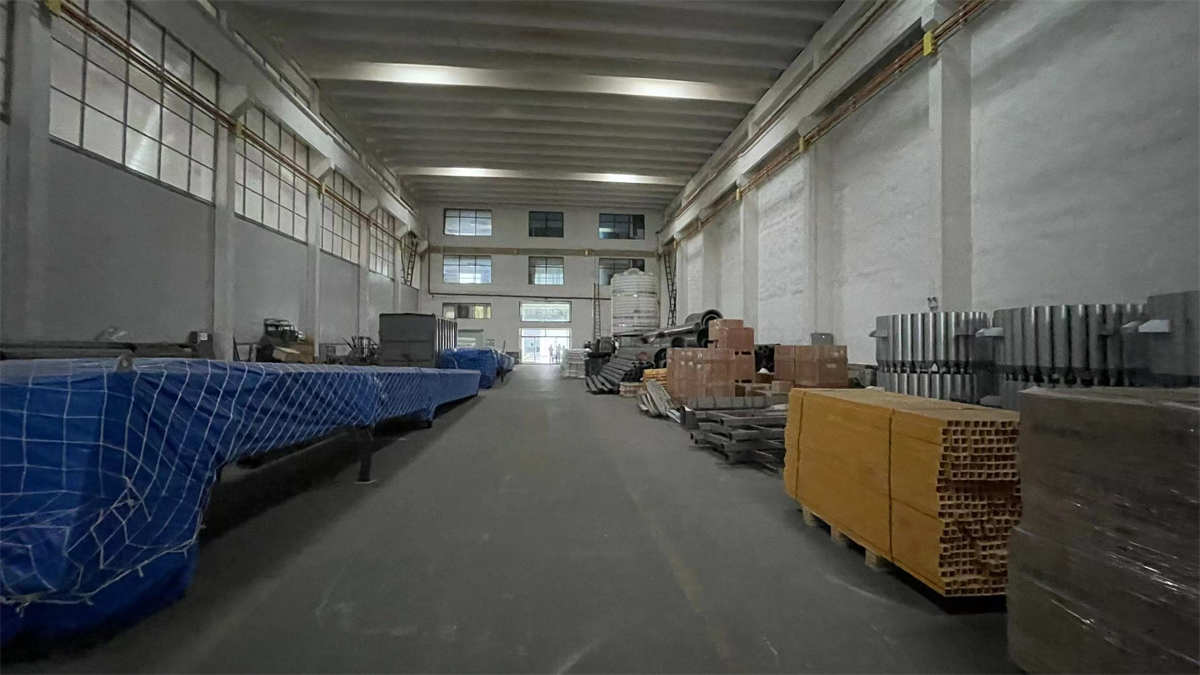
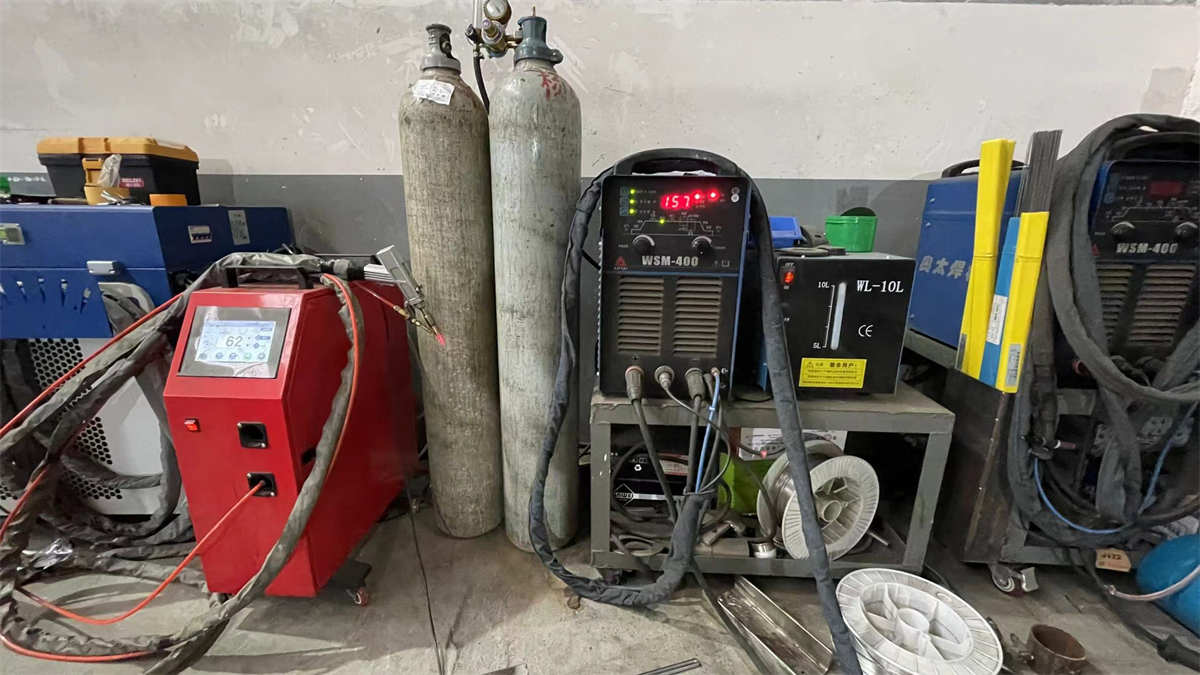
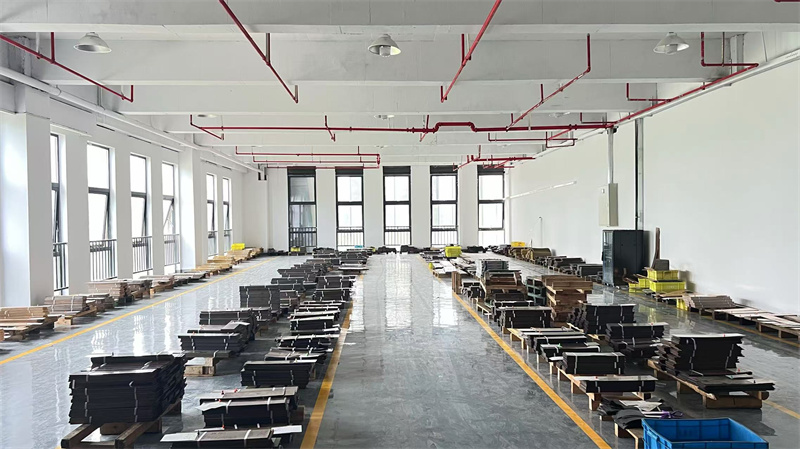
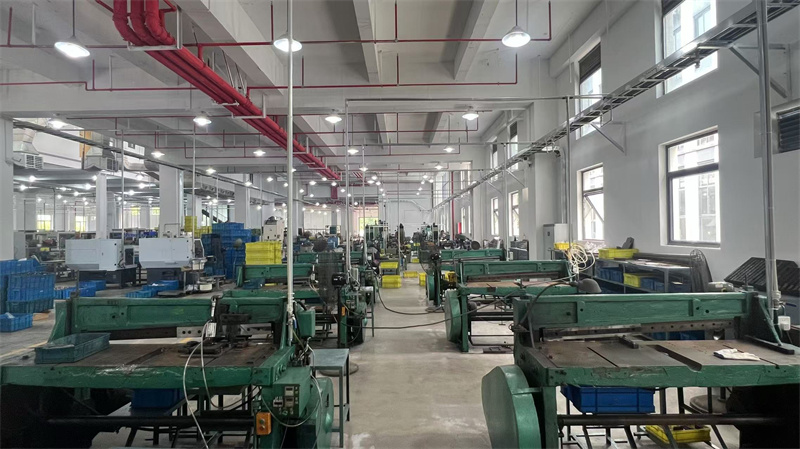
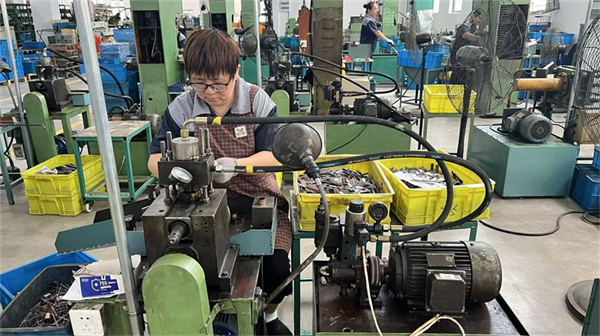
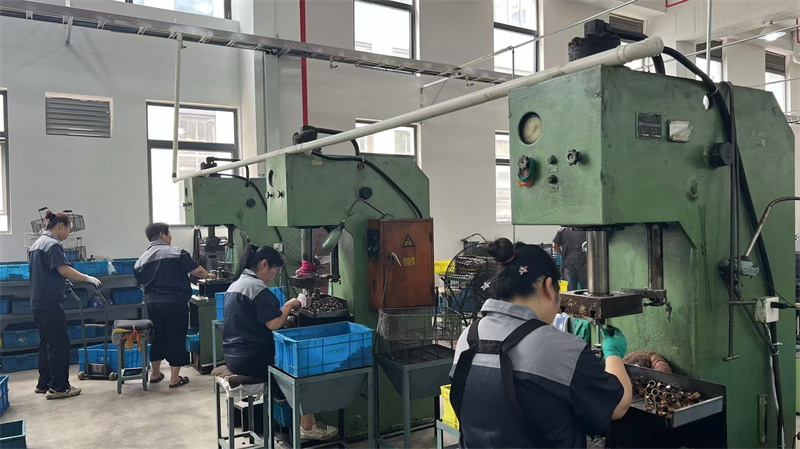
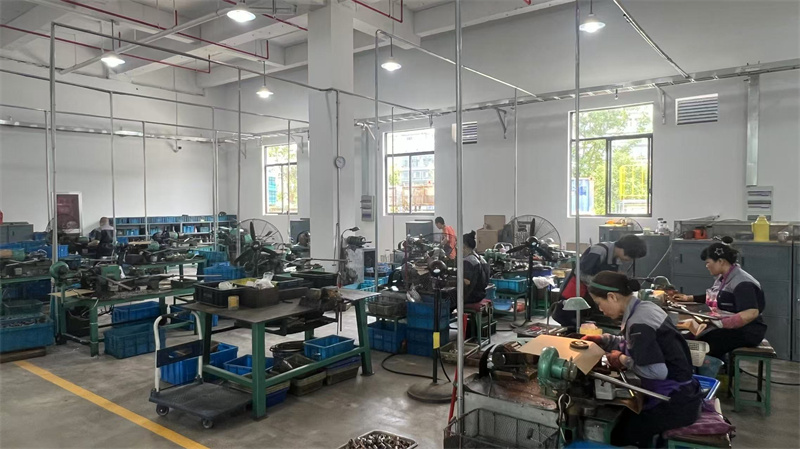
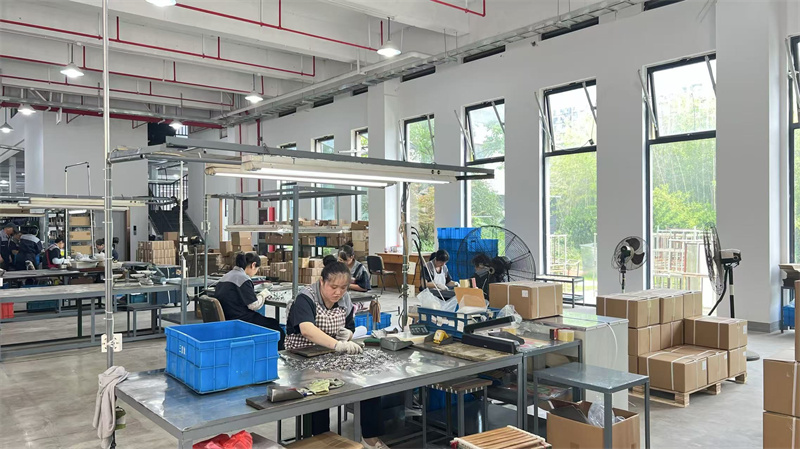
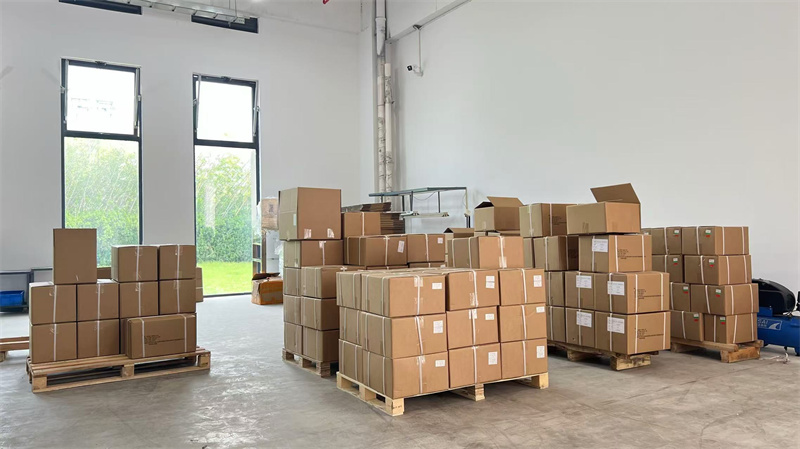
Changzhou Jovios Equipment Co., Ltd. is a professional manufacturer and solution provider specializing in solid-liquid separation and environmental protection equipment. Located in Changzhou National High-tech Industrial Development Zone, Jiangsu Province, China, the company operates a modern manufacturing base covering more than 50,000 square meters, equipped with advanced production facilities and a comprehensive quality inspection center.
Jovios independently designs, develops, and manufactures a complete range of filtration and separation equipment, including plate and frame filter presses, membrane filter presses, automatic filter presses, intelligent filtration systems, as well as high-performance filter plates and filter cloths. With an annual production capacity exceeding 1,000 units, our products are widely applied in municipal wastewater treatment, chemical processing, petroleum, mining, metallurgy, pharmaceuticals, food and beverage production, paper manufacturing, textile dyeing, ceramics, building materials, and many other industries.
In addition to filtration equipment, Jovios provides complete wastewater treatment solutions and engineering services. From process design and equipment selection to installation, commissioning, and operational support, we deliver turnkey wastewater treatment systems for both municipal and industrial customers worldwide.
Our experienced research and development team consists of more than 30 senior engineers and technical specialists. Through close cooperation with universities, research institutes, and industry partners, we continuously integrate innovative technologies into product development, ensuring reliable performance, higher efficiency, and sustainable operation.
Supported by a growing global sales and service network, Jovios offers comprehensive technical support throughout the entire project lifecycle. From initial consultation and system design to installation, training, and after-sales service, we are committed to providing responsive and professional support wherever our customers operate.
At Jovios, we are dedicated to delivering efficient, energy-saving, and environmentally responsible separation solutions for industrial customers worldwide. Through continuous innovation and customer-focused engineering, we help businesses improve productivity, reduce operating costs, and achieve sustainable growth.
Deep dive technical answers to assist process engineers, plant managers, and procurement leads in evaluating industrial filtration equipment.
A standard chamber filter press uses fixed-volume chambers created by recessed plates. Slurry is pumped in, and filtration relies solely on the pressure generated by the feed pump (typically 6 to 10 bar). A membrane filter press features flexible diaphragms on the plate faces. After the initial pumping phase, high-pressure water or compressed air (up to 20–30 bar) is introduced behind the membrane, physically squeezing the cake inside the chamber. This reduces cycle times by up to 50% and yields a significantly drier filter cake, reducing subsequent cake transport and disposal costs.
Material selection is dependent on the chemical characteristics, temperature, and abrasiveness of the slurry. For general chemical and municipal waste dewatering, reinforced polypropylene (PP) plates offer excellent chemical resistance up to 80°C. For extreme temperature applications (e.g., smelting or hot oil filtration), cast iron or cast steel plates are selected. For pharmaceutical and food-grade processes requiring complete sanitization, solid SS304 or SS316L stainless steel plates are utilized. PVDF plates are specified for strong hot acids and solvent-based processes.
Sizing requires five primary variables: (1) Total dry solids mass per day (kg/day), (2) Slurry concentration (percentage of suspended solids), (3) Slurry density, (4) Target cycle duration and number of shifts, and (5) Specific cake density (kg/m³) once compressed. These parameters determine the required total chamber volume (liters) and filtration area (m²). At Jovios, we perform pilot lab tests to analyze the filtration rate and cake release properties of your specific slurry before sizing the final frame.
Cake washing is used to remove soluble impurities or recover valuable mother liquors trapped within the pores of the filter cake. Clean water is pumped through the wash ports, flowing across the cake. Air blowing is used after filtration or washing to displace excess interstitial liquid. This process further reduces cake moisture content and ensures the cake is crumbly and easily drops off the filter cloth during plate separation.
Jovios supports Singapore-based customers through a combination of local service partnerships and direct remote engineering assistance. We provide complete electrical schematics, foundation load designs, and send seasoned field engineers to manage installation, commissioning, and staff training. Our spare parts inventory maintains critical items—such as high-tensile filter cloths, hydraulic seals, and replacement plates—to ensure rapid support for our Singaporean clients.
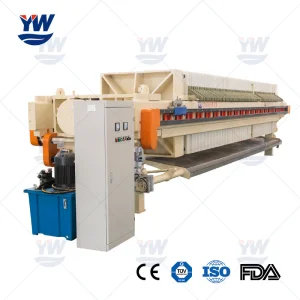
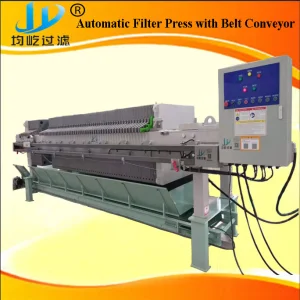
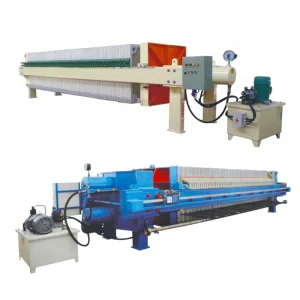
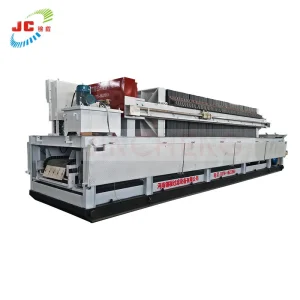
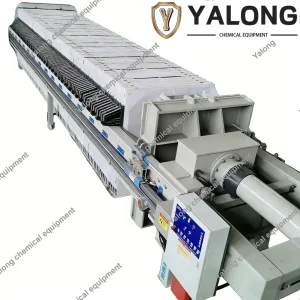
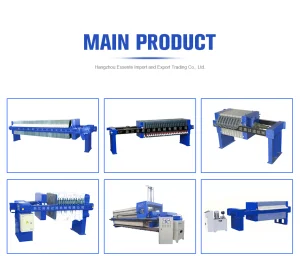
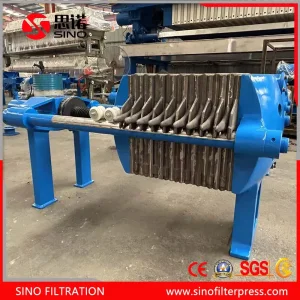
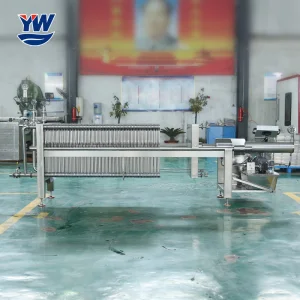
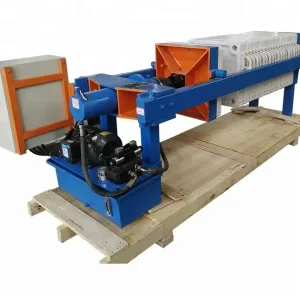
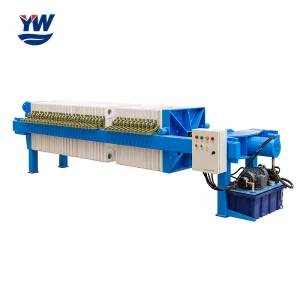
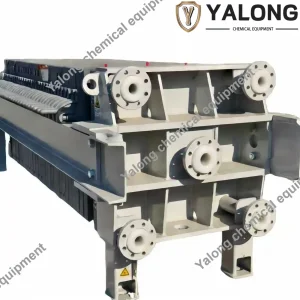
Explore the full range of custom-engineered Jovios filtration systems. Our solutions cover municipal wastewater treatment, beer filtration, chemical refining, and mining dewatering applications.
 Jovios Equipment